
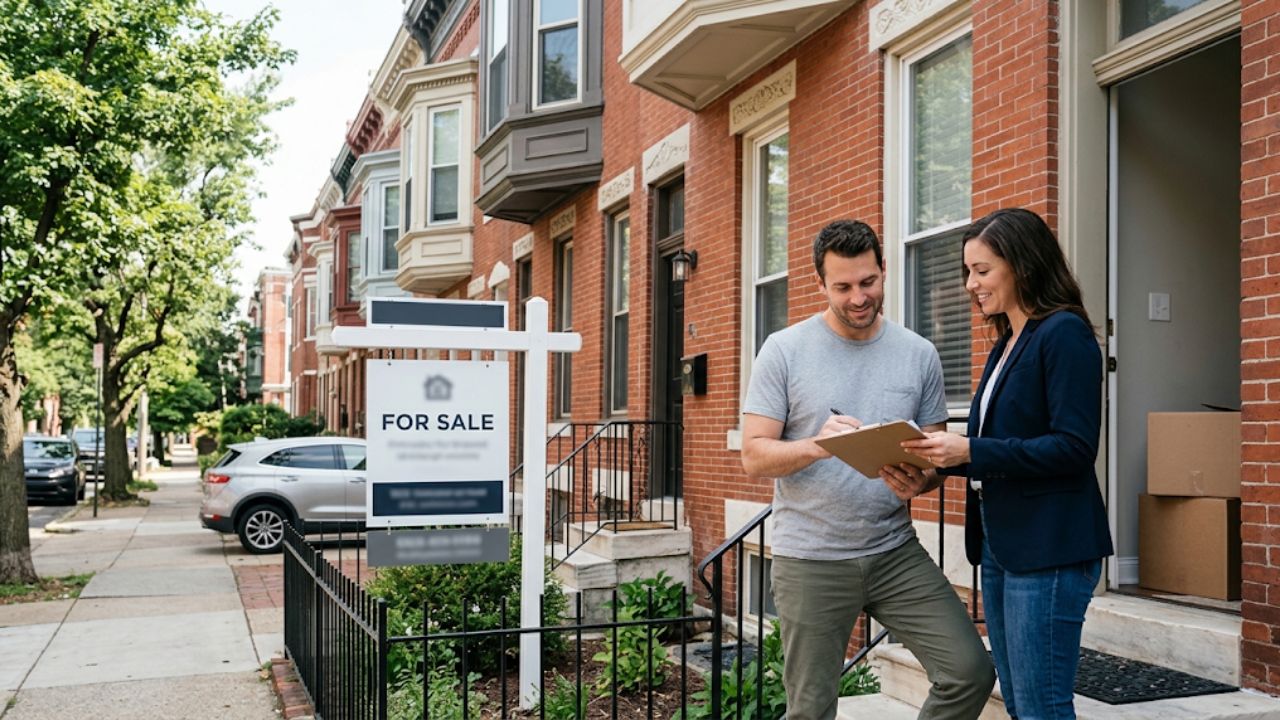
Selling a home in Philadelphia can be a lengthy process. Traditional home sales often involve preparing the property, finding an agent, listing the house, scheduling showings, negotiating with buyers, completing inspections, and waiting for mortgage approval. For homeowners who need to sell quickly, this process may feel overwhelming.
Fortunately, homeowners now have alternatives to the traditional real estate process. Selling directly to a home-buying company can provide a simpler way to move forward, particularly for owners dealing with an inherited property, an unwanted house, repairs, relocation, or financial pressure.
Why Traditional Home Sales Can Take Time
The traditional process is designed to maximize exposure to potential buyers, but it can also involve multiple steps.
A homeowner may need to:
- Clean and prepare the property
- Complete repairs or renovations
- Hire a real estate agent
- Take professional photographs
- List the home
- Schedule showings
- Wait for offers
- Negotiate with buyers
- Complete inspections and appraisals
- Wait for mortgage approval
- Navigate closing requirements
Even after accepting an offer, the transaction may not be guaranteed. A buyer’s financing can fall through, inspection issues can lead to renegotiation, or an appraisal can create additional complications.
For homeowners who value speed and convenience, a direct sale can offer another option.
Sell Your Philly Home Without Extensive Repairs
One of the biggest obstacles to a traditional sale is the condition of the property.
Buyers shopping through the conventional market often expect homes to be clean, updated, and move-in ready. That can leave homeowners wondering whether they need to replace an old roof, update a kitchen, repair plumbing, repaint rooms, or improve the property’s exterior before listing.
Those improvements can be expensive, and there is no guarantee that every dollar spent on renovations will be recovered through the final sale price.
Direct home buyers may purchase properties in a wide range of conditions. Depending on the buyer and property, a homeowner may be able to sell without completing major repairs or renovations.
This can be particularly useful when the property has deferred maintenance or requires more work than the owner wants to handle.
A More Direct Way to Sell
Instead of listing a property publicly and waiting for a buyer, homeowners can contact a company that purchases homes directly.
For example, homeowners searching for we buy any Philly home services may be able to request a property evaluation and receive an offer based on the home’s location, condition, market factors, and other relevant details.
The exact process varies by company, but direct sales commonly involve fewer steps than a traditional listing.
A typical process may include:
- Contact the buyer: Provide basic information about the property.
- Property evaluation: The buyer reviews the home’s condition and circumstances.
- Receive an offer: The homeowner receives a proposed purchase price.
- Review the terms: The seller considers the offer and any associated conditions.
- Choose a closing date: If both sides agree, they move toward closing.
- Complete the sale: The transaction is finalized through the appropriate closing process.
The simplicity of this approach can be attractive to homeowners who don’t want months of preparation and negotiations.
Selling an Inherited Philadelphia Property
Inherited properties can create unique challenges. A house may contain years of belongings, require repairs, or need attention while the estate is being settled.
Selling through the traditional market can add another layer of work during an already complicated period. Family members may need to coordinate cleanouts, maintenance, showings, and paperwork.
A direct sale may provide an alternative for families who want to sell the property without investing significant time and money into preparing it for the open market.
However, inherited properties can involve legal and estate requirements. Sellers should make sure the appropriate individuals have authority to sell the property and consult qualified professionals when necessary.
Relocating From Philadelphia?
Moving for a new job, family reasons, or personal circumstances can make a slow home sale inconvenient.
Homeowners may not want to keep paying property taxes, insurance, utilities, maintenance expenses, and other costs while waiting for a buyer.
A direct home sale can potentially provide greater flexibility around timing. Depending on the buyer, sellers may be able to discuss a closing date that fits their circumstances.
This can be especially helpful when a homeowner needs to move quickly and does not want an unsold property complicating the transition.
Avoiding the Hassle of Showings
Traditional listings can require homeowners to keep their properties ready for potential buyers.
That may mean leaving the house during showings, keeping rooms organized, accommodating last-minute appointments, and dealing with repeated visits.
For occupied homes, this can be disruptive. For vacant or damaged properties, arranging showings may also create logistical challenges.
A direct sale can reduce or eliminate the need for repeated public showings, depending on the buyer’s process.
What About the Selling Price?
Speed and convenience are important, but homeowners should still evaluate the financial side of any offer.
A direct buyer’s offer may differ from the price a property could potentially achieve through a traditional listing. The difference may reflect factors such as repair costs, holding expenses, market conditions, transaction costs, and the buyer’s investment risk.
The right choice depends on the seller’s priorities.
Someone who has plenty of time and a property in excellent condition may prefer a traditional listing. Another homeowner may value a faster, simpler transaction even if the offer is different from a potential retail-market price.
Comparing options can help sellers make an informed decision.
Look Carefully at the Terms
Before accepting any offer, homeowners should understand exactly what they are agreeing to.
Important questions include:
- Is the offer contingent on an inspection or financing?
- Who pays closing costs?
- Are there any service or administrative fees?
- How quickly can the transaction close?
- Is the proposed purchase price final?
- What happens if the buyer cancels?
- Which closing company or attorney will handle the transaction?
Sellers should also verify the identity and reputation of the buyer and avoid signing documents they do not understand.
A Faster Sale Can Mean Less Stress
Selling a Philadelphia home does not always have to involve the traditional listing process. For homeowners facing repairs, relocation, inherited property, tenant-related challenges, or a tight timeline, a direct sale may provide a practical alternative.
The key is to understand the trade-offs. A quick sale can reduce preparation, showings, and waiting, but sellers should carefully compare offers and review all terms before making a decision.
If convenience and speed are priorities, exploring direct home-buying options can be a worthwhile first step. With the right buyer and clear expectations, homeowners may be able to move from deciding to sell to completing the transaction without navigating every stage of a traditional home sale.
