
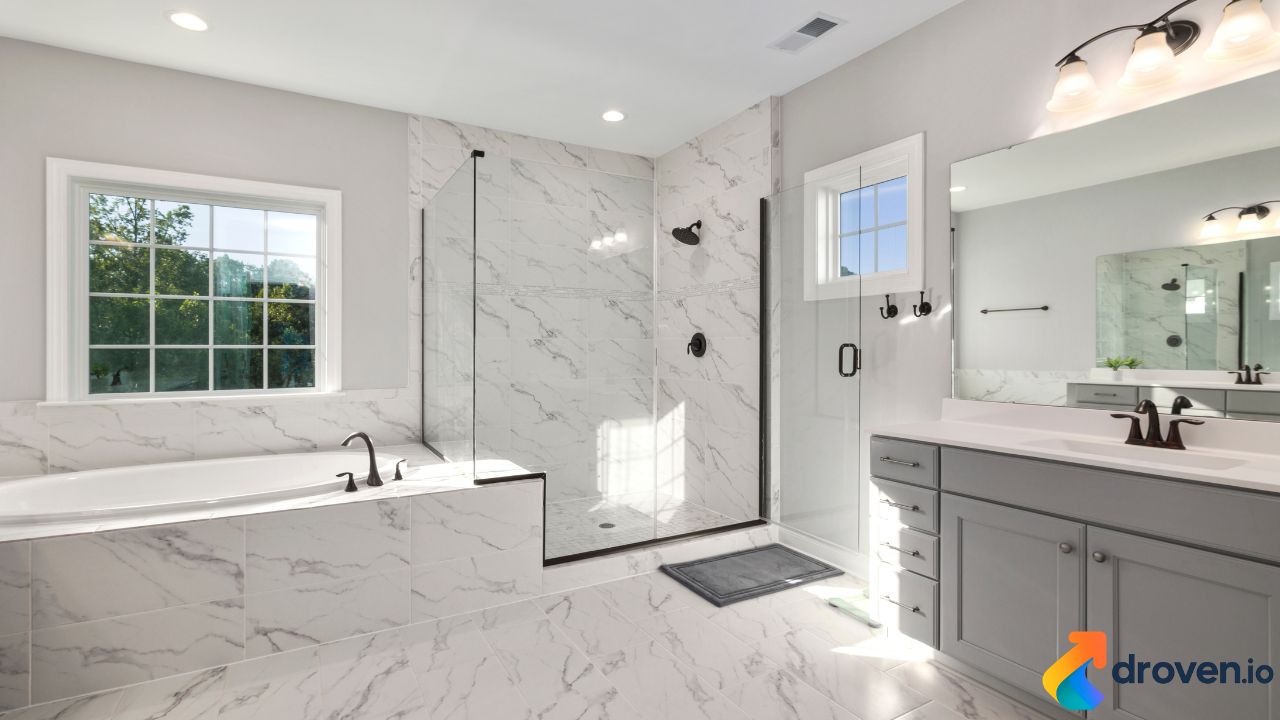
Water damage is one of the most common problems in bathrooms, especially in shower areas. A shower waterproofing membrane is a protective layer installed beneath tiles to prevent water from penetrating walls and floors. This barrier ensures that moisture stays within the shower area and does not seep into structural materials such as drywall, cement boards, or wooden framing.
Proper waterproofing is essential for maintaining a durable and mold-free bathroom. Without a waterproof membrane, water can slowly leak behind tiles, leading to structural damage, mold growth, and expensive repairs.
What Is a Shower Waterproofing Membrane?
A shower waterproofing membrane is a thin protective material installed under tiles or stone surfaces in showers. Its primary purpose is to stop water from penetrating surfaces and reaching the building structure.
These membranes are commonly used in modern bathroom construction and renovations to create a sealed, water-resistant barrier. They are typically installed on shower walls, floors, and corners before tile installation.
Why Waterproofing Is Important in Showers
Bathrooms are exposed to constant moisture, making waterproofing critical for long-term durability.
Prevents Water Damage
Waterproof membranes stop water from reaching building materials that may rot or deteriorate over time.
Protects Structural Integrity
Without proper waterproofing, water can weaken the framing or subfloor beneath the shower.
Reduces Mold and Mildew
Moisture trapped behind tiles creates an ideal environment for mold growth. Waterproofing helps eliminate this risk.
Extends Shower Lifespan
A properly waterproofed shower can last decades without major repairs.
Types of Shower Waterproofing Membranes
Several types of waterproof membranes are commonly used in bathroom construction.
Sheet Membranes
Sheet membranes are pre-formed waterproof sheets made from materials such as polyethylene or rubber. They are installed by adhering them to the shower surface before tiling.
Benefits include:
- Consistent thickness
- High waterproof performance
- Reliable long-term protection
Liquid Waterproofing Membranes
Liquid membranes are applied using a brush, roller, or spray. After application, they dry into a flexible waterproof coating.
Advantages include:
- Easy application
- Seamless waterproof barrier
- Suitable for irregular surfaces
Foam Board Waterproof Panels
These panels combine insulation and waterproofing in a single product. They are often used as backing boards for tiles in showers.
Benefits include:
- Lightweight installation
- Built-in waterproofing
- Improved thermal insulation
Areas That Require Waterproofing in a Shower
A shower waterproofing membrane should be installed in several critical areas.
Shower Floor
The floor receives the most water exposure and must be fully sealed to prevent leaks.
Shower Walls
Walls should be waterproofed to protect against splashing and moisture penetration.
Corners and Seams
Corners are common leak points and must be sealed carefully using waterproof tapes or sealants.
Around Fixtures
Areas around shower valves, drains, and pipes require special waterproof sealing.
Basic Installation Process
Although professional installation is recommended, understanding the general process can help homeowners plan bathroom renovations.
Surface Preparation
The surface must be clean, dry, and stable before applying the waterproof membrane.
Applying the Membrane
Depending on the type, the membrane is either rolled, brushed, or adhered to the surface.
Sealing Joints
Seams, corners, and connections are sealed with waterproof tape or specialized sealants.
Drying or Curing
Liquid membranes require curing time before tiles are installed.
Tile Installation
After waterproofing is complete, tile adhesive and tiles can be installed on top of the membrane.
Signs of Poor Shower Waterproofing
Bathrooms with inadequate waterproofing often show warning signs.
Common signs include:
- Cracked or loose tiles
- Water stains on nearby walls
- Mold growth around grout lines
- Musty odors
- Water leaking through ceilings below the bathroom
If these symptoms appear, professional inspection may be required.
Choosing the Right Waterproofing Membrane
Selecting the appropriate membrane depends on several factors.
Consider the following when choosing a product:
- Compatibility with tile systems
- Ease of installation
- Durability and flexibility
- Moisture resistance rating
- Manufacturer warranty
Professional contractors often select membranes that meet building codes and industry standards.
Maintenance Tips for Waterproofed Showers
Even with proper waterproofing, regular maintenance is necessary.
Helpful maintenance practices include:
- Cleaning grout and tiles regularly
- Checking for cracked grout or sealant
- Resealing grout lines periodically
- Fixing leaks or damaged tiles promptly
These steps help maintain the integrity of the waterproofing system.
FAQs
What is a shower waterproofing membrane?
It is a protective barrier installed under shower tiles to prevent water from penetrating walls and floors.
Is waterproofing necessary for tiled showers?
Yes. Waterproofing prevents water damage, mold growth, and structural problems in bathrooms.
What type of waterproofing membrane is best?
Both sheet membranes and liquid membranes are effective, depending on the installation method and shower design.
Can you install tile without waterproofing?
Installing tile without waterproofing can lead to water damage and is not recommended in modern bathroom construction.
How long does shower waterproofing last?
When properly installed, waterproofing membranes can last 20 years or more.
