
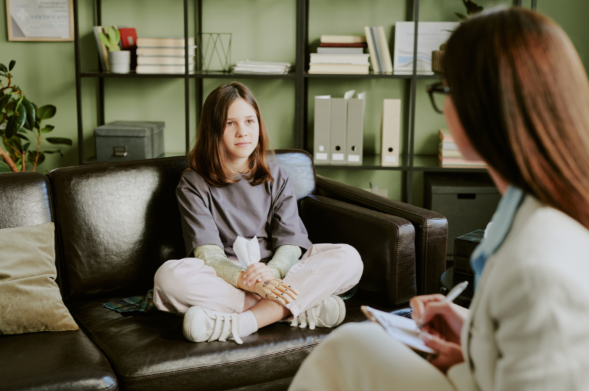
Teen years can be a lot for them and honestly for you too. Some days feel normal. They sit with you, laugh a little, maybe even tell you something about their day. Then other days feel completely different. Door closed, short replies or nothing at all. You wait for things to go back to normal. Sometimes they do. Sometimes they don’t.
After a while you start noticing patterns. Same kind of days repeating, same distance and same tension in the house. You cannot always explain it clearly but you feel it. That feeling usually has a reason behind it. And that is often when the thought of adolescent residential treatment starts to come up, even if you are still unsure about it.
1. The mood swings feel too big
Mood swings happen in teens. That part is expected. But this feels different. It is not just moodiness. It is sudden and strong. One moment things are fine, then something small happens and everything changes. According to NIMH, around 13% of adolescents have experienced a major depressive episode, showing how mood issues can become serious.
And it does not pass quickly either. Sometimes the low mood stays. You try talking. They say they are okay. But it does not feel right. You start realizing you have to be careful around them, even during simple conversations.
2. They start pulling away from everyone
Wanting space is normal. Teens need that. But this feels like more than space. It feels like distance.
They spend nearly all their time in their room. You knock, they answer but not really. Conversations feel cut short. Friends slowly disappear too. No calls, no plans, nothing much going on. It starts to feel quiet in a way that is not normal.
3. Sadness or anxiety just stays there
Everyone feels down sometimes. That is part of life. But this does not seem to go away. Days pass and it still feels the same.
They look tired even when they sleep enough. There is this heaviness. You see it in small things. Less interest and energy. Maybe more worry too. Small things start bothering them more than before. They may not say it out loud but you can tell something is sitting with them all the time.
4. Their behavior starts getting risky
This is where it starts getting harder to ignore. They begin making choices that do not feel safe. Repeating things even after being told not to. They get into situations that make you uneasy.
It might look like they do not care about the consequences but usually it is not that simple.Often it is more about not knowing how to handle what they are feeling. This is where adolescent residential treatment can help by giving some routine and stability to their day.
5. School starts slipping
School changes are usually easier to notice. Grades drop and work stays incomplete. Teachers might reach out. At first you think maybe they are not trying just enough.
But then you watch them sit with their work. They try but nothing really happens. Focus is not there. Their energy is gone. After some time, it starts feeling like it’s more than just school.
6. When feelings turn into anger or total shutdown
Some teens react loudly. Others go completely quiet. You might see more arguments at home. Small things turning into something much bigger than expected. Reactions feel strong, sometimes confusing.
Sometimes they just go completely quiet and that can be tough to handle. Most of the time, it simply means they don’t really know how to manage what they’re feeling inside. Adolescent residential treatment gives them space to start learning that slowly.
7. You have already tried helping but nothing sticks
You probably have tried already. Talking to them or giving them space. Changing how you approach things. Trying to stay calm even when it is hard. Maybe you even looked for help before.
Things kind of stay the same. Sometimes things seem a bit better for a little while and then they slide back to how they were. That can be really frustrating, but it doesn’t mean you did anything wrong. It might just mean your teen needs more steady support, not something that happens only once in a while.
What Makes This Type of Support Different
Adolescent residential treatment is different because it is not once in a while. It is daily. They follow a routine. Wake up, attend sessions, spend time in group settings, learn things and actually try them in real situations. Not just talk about them.
Being around other teens going through similar things helps too. It helps them feel less alone. Change usually does not happen all at once. It takes time. But small changes do start showing.
Final thoughts
If some of this feels familiar, do not ignore it. You do not need everything to fall apart before you take it seriously. You can step in earlier than that.
Your teen isn’t acting this way just to make things hard. There’s likely something happening that they can’t really put into words. And sometimes, getting help at the right moment can make a bigger difference than you’d think.
