
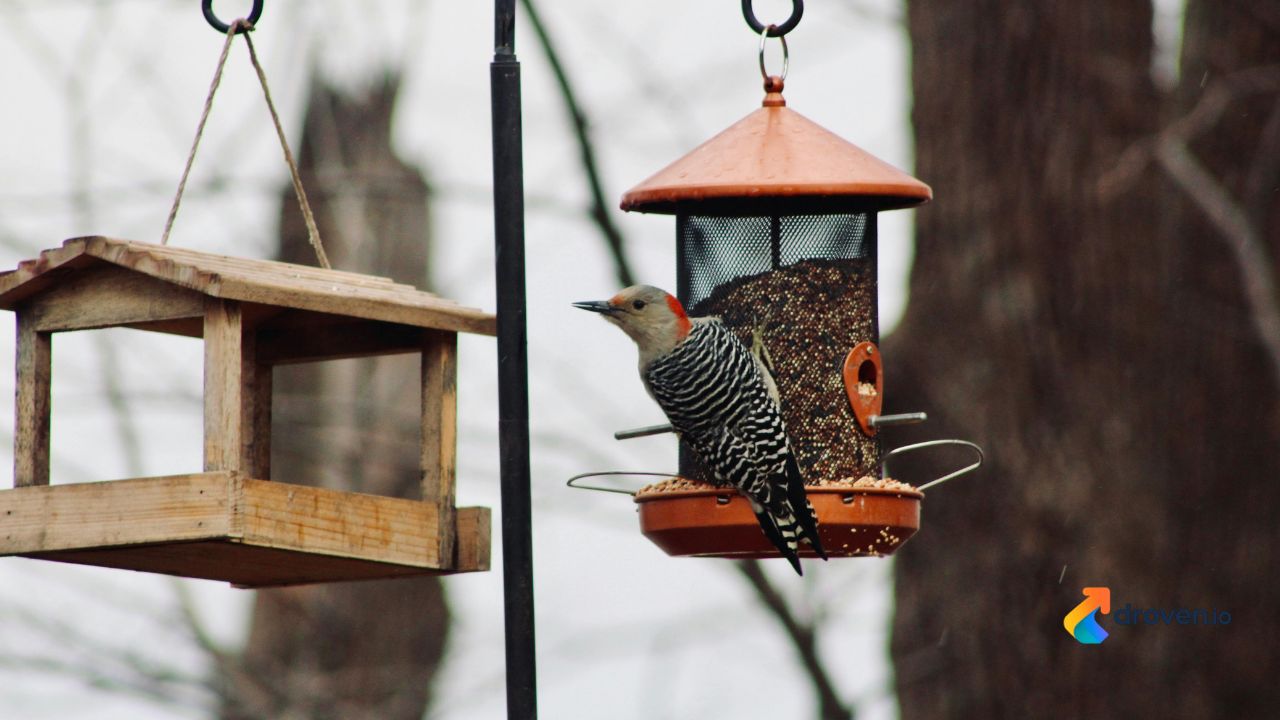
Birdwatching has become more interactive and accessible thanks to advances in smart technology. A Smart Bird Feeder combines traditional bird feeding with features such as HD cameras, motion detection, artificial intelligence, and smartphone connectivity, allowing users to observe and identify birds without disturbing them. Whether you are an experienced bird enthusiast or simply enjoy attracting wildlife to your garden, a smart bird feeder offers an engaging way to learn about local bird species while supporting backyard biodiversity.
What Is a Smart Bird Feeder?
A smart bird feeder is an outdoor bird feeder equipped with technology that allows users to monitor bird activity remotely. Most models include built-in cameras, wireless connectivity, and companion mobile applications that provide live video, photo capture, and notifications when birds visit.
Some advanced feeders also use artificial intelligence to identify bird species automatically, making birdwatching more educational and convenient.
How a Smart Bird Feeder Works
A smart bird feeder functions like a traditional feeder but includes electronic components that enhance the birdwatching experience.
When a bird lands on the feeder, built-in motion sensors activate the camera. Images or videos are then captured and transmitted through a Wi-Fi connection to a mobile application, where users can view live footage, receive alerts, and in some cases, identify bird species using AI-powered recognition.
Many systems also allow cloud storage or local memory cards for saving bird photos and videos.
Key Features of Smart Bird Feeders
Modern smart bird feeders offer a wide range of features designed to improve wildlife observation.
HD Camera
High-definition cameras capture detailed images and videos of birds, making it easier to observe colors, markings, and behaviors.
Artificial Intelligence Bird Recognition
Many smart bird feeders include AI-powered identification that recognizes common bird species based on visual characteristics and provides educational information.
Motion Detection
Motion sensors activate recording only when birds approach, helping conserve battery life while reducing unnecessary recordings.
Mobile App Integration
Companion apps allow users to receive instant notifications, watch live video streams, review recordings, and manage feeder settings directly from a smartphone or tablet.
Night Vision
Infrared night vision enables monitoring during low-light conditions, allowing users to observe nocturnal wildlife and early morning bird activity.
Weather-Resistant Design
Outdoor electronics require durable construction. Most quality smart bird feeders are designed to withstand rain, wind, sunlight, and seasonal weather conditions.
Benefits of Using a Smart Bird Feeder
Smart bird feeders provide more than simple convenience. They enhance both the enjoyment and educational value of birdwatching.
Observe Birds Without Disturbance
Remote monitoring allows birds to feed naturally while users observe from inside their homes or while away.
Learn About Local Bird Species
AI recognition features help users identify birds accurately and expand their knowledge of local wildlife.
Capture Memorable Photos and Videos
Integrated cameras allow bird enthusiasts to collect high-quality images and videos that can be shared with friends, family, or online communities.
Encourage Outdoor Education
Families and educators can use smart bird feeders as learning tools to teach children about bird behavior, migration, ecosystems, and conservation.
Support Wildlife Conservation
Regular bird observations can contribute to citizen science initiatives that monitor bird populations and seasonal migration patterns.
Choosing the Right Smart Bird Feeder
Selecting the best smart bird feeder depends on several factors.
Consider the following features before making a purchase:
- Camera resolution
- AI bird identification accuracy
- Wi-Fi connectivity
- Battery life
- Solar charging compatibility
- Storage options
- Weather resistance
- Mobile app functionality
- Ease of installation
- Bird seed capacity
Comparing these features helps ensure the feeder meets your specific needs and outdoor environment.
Best Placement for a Smart Bird Feeder
Proper placement improves bird activity while protecting both wildlife and equipment.
Ideal locations include:
- Quiet backyard areas
- Gardens with natural vegetation
- Near trees or shrubs for bird shelter
- Away from heavy pedestrian traffic
- At a safe height above the ground
- In locations with stable Wi-Fi coverage
Avoid placing feeders too close to windows where birds may accidentally collide with glass.
Bird Seed Selection
The type of bird seed used influences which species visit your feeder.
Common options include:
- Black oil sunflower seeds
- Nyjer seeds
- Safflower seeds
- Millet
- Mixed bird seed blends
- Peanuts for appropriate species
Using high-quality seed helps attract a greater variety of healthy birds throughout the year.
Maintaining a Smart Bird Feeder
Routine maintenance keeps both birds and equipment in good condition.
Maintenance tips include:
- Clean the feeder regularly.
- Replace old or wet bird seed.
- Check camera lenses for dirt or debris.
- Recharge or replace batteries when necessary.
- Inspect mounting hardware periodically.
- Update firmware if supported by the manufacturer.
Proper cleaning also helps reduce the spread of diseases among visiting birds.
Smart Bird Feeders and Conservation
Technology has created new opportunities for wildlife observation and environmental awareness.
Birdwatchers can monitor seasonal migration, observe nesting behavior, and document uncommon species using smart bird feeders. The information collected may also support scientific research and conservation efforts when shared with citizen science programs.
Increasing public engagement with local wildlife encourages greater appreciation for biodiversity and habitat protection.
Future Developments in Smart Bird Feeders
As artificial intelligence and smart home technology continue evolving, future smart bird feeders may offer even more advanced capabilities.
Potential innovations include:
- Improved AI species recognition
- Voice-assisted bird information
- Expanded cloud storage
- Smart home integration
- Solar-powered operation
- Enhanced weather monitoring
- Behavioral analysis
- Automatic feeding schedules
These advancements are expected to make birdwatching more interactive while improving the overall user experience.
FAQs
What is a smart bird feeder?
A smart bird feeder is a bird feeder equipped with features such as cameras, motion detection, wireless connectivity, and mobile applications that allow users to monitor birds remotely.
How does AI bird recognition work?
AI bird recognition analyzes images captured by the camera and compares visual characteristics with trained identification models to suggest likely bird species.
Do smart bird feeders require Wi-Fi?
Most smart bird feeders use Wi-Fi to send live video, images, and notifications to mobile devices, although some models also support local storage.
Can smart bird feeders record videos?
Yes. Many models automatically record videos or capture photos when motion sensors detect birds visiting the feeder.
Are smart bird feeders weatherproof?
Most quality smart bird feeders are designed with weather-resistant materials to withstand outdoor conditions, though users should follow the manufacturer’s installation and maintenance recommendations.
What birds can a smart bird feeder attract?
The species attracted depend on your location and the type of seed used. Common visitors may include finches, cardinals, chickadees, sparrows, blue jays, woodpeckers, and other local birds.
Conclusion
A smart bird feeder combines modern technology with the timeless enjoyment of birdwatching, making it easier than ever to observe wildlife from the comfort of home. Features such as HD cameras, AI-powered bird identification, motion detection, and mobile connectivity provide valuable insights into bird behavior while creating engaging educational opportunities for individuals and families. By selecting the right feeder, placing it in an ideal location, and maintaining it properly, homeowners can attract a variety of bird species and enjoy reliable, year-round wildlife observation. As smart technology continues to evolve, smart bird feeders are likely to play an even greater role in promoting environmental awareness, supporting conservation efforts, and enhancing the outdoor experience for bird enthusiasts of all skill levels.
