
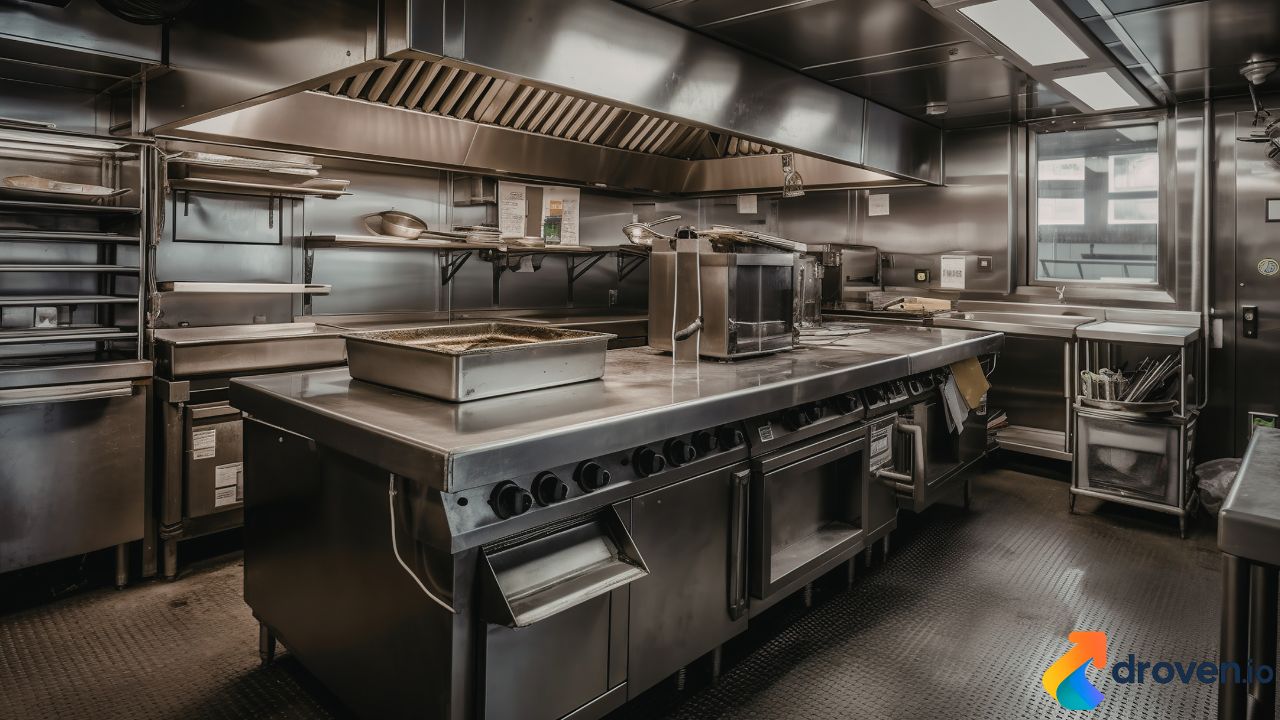
Running a successful restaurant requires the right equipment, tools, and kitchen infrastructure. Standard restaurant supply refers to the essential equipment, cookware, utensils, and storage systems used in commercial kitchens to prepare, cook, and serve food efficiently. From professional ovens and refrigerators to small utensils and serving equipment, restaurant supplies are critical for maintaining smooth kitchen operations.
Whether you are opening a new restaurant, upgrading your kitchen, or managing a catering business, investing in reliable restaurant supplies helps improve food quality, staff productivity, and overall kitchen safety.
What Is Standard Restaurant Supply?
Standard restaurant supply includes the basic equipment and tools required for daily food preparation, cooking, storage, and service in commercial food establishments. These supplies are designed to withstand heavy use, meet health regulations, and maintain efficiency in busy kitchen environments.
Unlike residential kitchen equipment, restaurant supplies are built with durable materials such as stainless steel and designed for continuous operation.
Essential Kitchen Equipment
Commercial kitchens rely on several major pieces of equipment that form the foundation of restaurant operations.
Commercial Ovens
Ovens are essential for baking, roasting, and cooking a wide range of dishes. Restaurants often use convection ovens, pizza ovens, or combination ovens depending on their menu.
Gas or Electric Ranges
Ranges allow chefs to sauté, boil, fry, and prepare multiple dishes simultaneously.
Refrigeration Units
Proper refrigeration is necessary for food safety and ingredient storage. Common options include walk-in refrigerators, reach-in coolers, and under-counter refrigerators.
Commercial Freezers
Freezers help restaurants store frozen foods and ingredients for longer periods.
Ventilation Systems
Commercial kitchens require strong ventilation systems to remove heat, smoke, and cooking odors.
Food Preparation Equipment
Preparation tools help chefs work efficiently when preparing ingredients.
Food Processors
Food processors chop, slice, and blend ingredients quickly, saving time during food preparation.
Mixers
Commercial mixers are used for baking, dough preparation, and mixing ingredients.
Cutting Boards and Knives
Professional-grade knives and durable cutting boards are essential for safe and precise food preparation.
Prep Tables
Stainless steel prep tables provide workspace for cutting, assembling, and plating dishes.
Cookware and Utensils
Restaurants require a wide variety of cookware and utensils to prepare different menu items.
Common supplies include:
- Pots and saucepans
- Frying pans and skillets
- Baking trays and sheet pans
- Spatulas and ladles
- Tongs and serving spoons
These tools must be durable and heat-resistant to handle the demands of commercial cooking.
Food Storage Solutions
Proper food storage is essential for maintaining freshness and meeting food safety standards.
Storage Containers
Restaurants use airtight containers to store ingredients safely and prevent contamination.
Shelving Units
Commercial shelving provides organized storage for food supplies, cookware, and dry ingredients.
Ingredient Bins
Large bins are used for storing bulk ingredients such as flour, sugar, and grains.
Dining and Serving Supplies
Restaurant supply also includes items used in the dining area for serving customers.
Examples include:
- Plates and bowls
- Glassware and cups
- Flatware and cutlery
- Serving trays
- Table linens
These items contribute to the presentation and overall dining experience.
Cleaning and Sanitation Equipment
Maintaining cleanliness is essential in any commercial kitchen.
Dishwashers
Commercial dishwashers are designed to clean large volumes of dishes quickly.
Sanitizing Stations
Restaurants use sanitizing sinks and cleaning chemicals to maintain hygiene standards.
Waste Management Systems
Proper trash and recycling systems help keep the kitchen organized and sanitary.
Choosing Quality Restaurant Supplies
Selecting the right equipment is important for long-term efficiency and safety.
When purchasing restaurant supplies, consider the following factors:
- Durability and material quality
- Energy efficiency
- Ease of cleaning and maintenance
- Compliance with health regulations
- Warranty and manufacturer support
High-quality equipment may have a higher upfront cost but often lasts longer and performs more reliably.
Benefits of Professional Restaurant Equipment
Investing in standard restaurant supply equipment offers several advantages.
Increased Efficiency
Professional equipment allows kitchen staff to prepare meals faster and more consistently.
Improved Food Quality
Precise temperature control and reliable tools help chefs maintain consistent cooking results.
Safety and Compliance
Commercial equipment is designed to meet health and safety standards required in the food service industry.
Long-Term Cost Savings
Durable equipment reduces the need for frequent repairs or replacements.
FAQs
What is standard restaurant supply?
Standard restaurant supply refers to the essential equipment, cookware, utensils, and tools used in commercial kitchens.
What equipment does every restaurant need?
Common equipment includes ovens, refrigerators, ranges, prep tables, cookware, and cleaning systems.
Why is commercial kitchen equipment different from home equipment?
Restaurant equipment is designed for heavy use, durability, and compliance with food safety regulations.
Where can restaurants purchase supplies?
Restaurants can buy supplies from commercial kitchen equipment suppliers, restaurant supply stores, or specialized online retailers.
How do restaurants choose the right equipment?
Restaurants typically consider durability, energy efficiency, kitchen size, menu requirements, and safety regulations when selecting equipment.
