
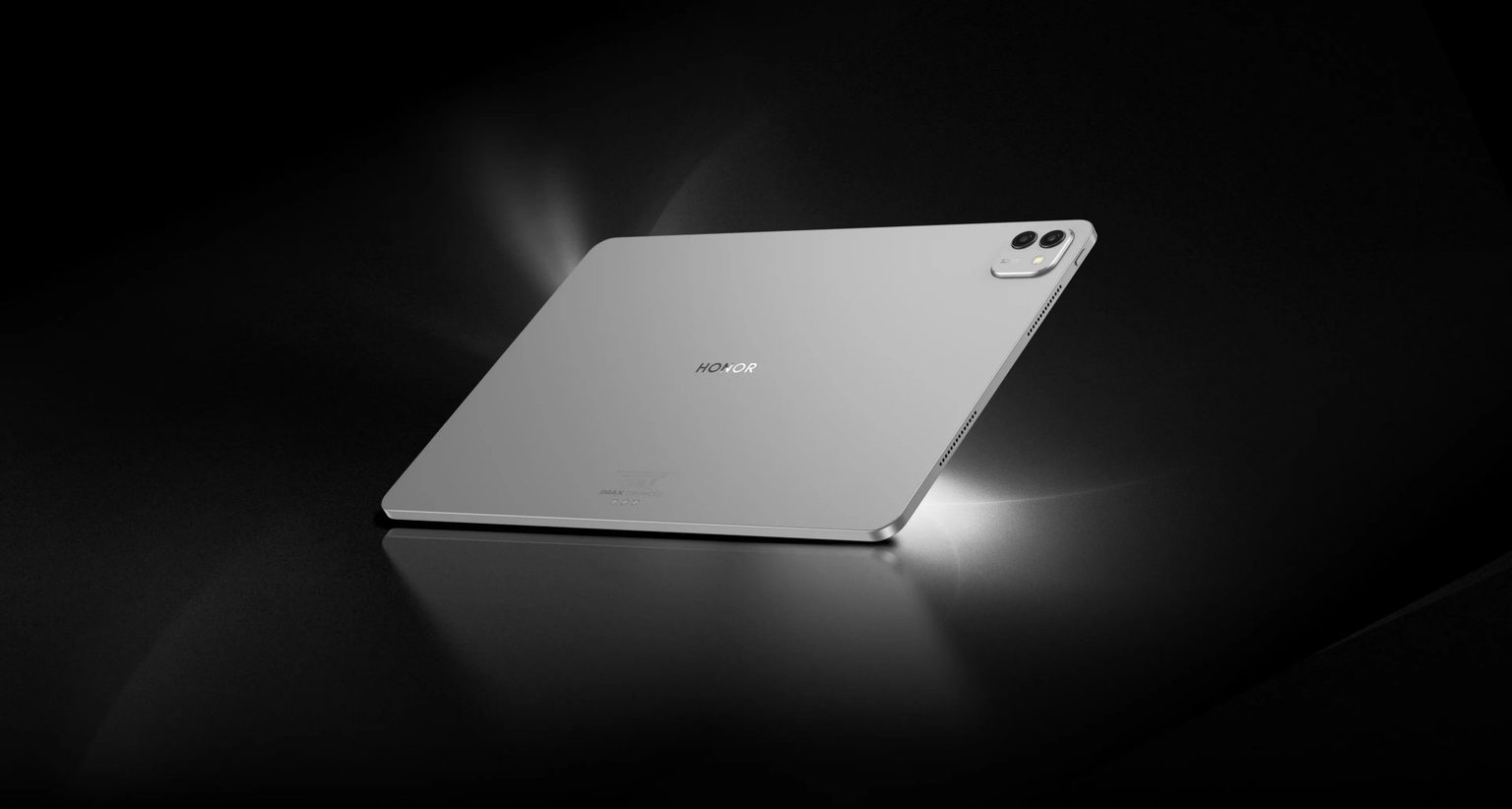
The honest answer to whether a tablet can replace a handheld console is that it covers most of the same ground and does some of it better, while a few things remain stubbornly console-shaped. The comparison usually comes down to three areas: what you see and hear while playing, how the controls feel over a long session, and how the two devices behave away from a socket. Judged on each in turn, the picture is less a replacement than a trade, and knowing where the trade lands helps you decide which device fits the way you actually play. What follows takes the three areas one at a time and keeps to what a real session reveals.
Sight and Sound
Speakers
Sound is the area where a gaming tablet quietly outclasses most handhelds. Where a console squeezes two small drivers beside the screen, a large tablet has room for a proper speaker layout, and the effect on games is immediate: footsteps and engine notes have direction to them, and music stops sounding like it is coming through a doorway. The HONOR MagicPad3 is a good example of what the format now does, with an eight-speaker HONOR Spatial Audio setup that gives games a wide soundstage and a genuine sense of where things are happening. On a handheld the same effect needs headphones; on a tablet it is there on the table in front of you, which is a real difference in how a game feels.
Larger Screen for a Wider View
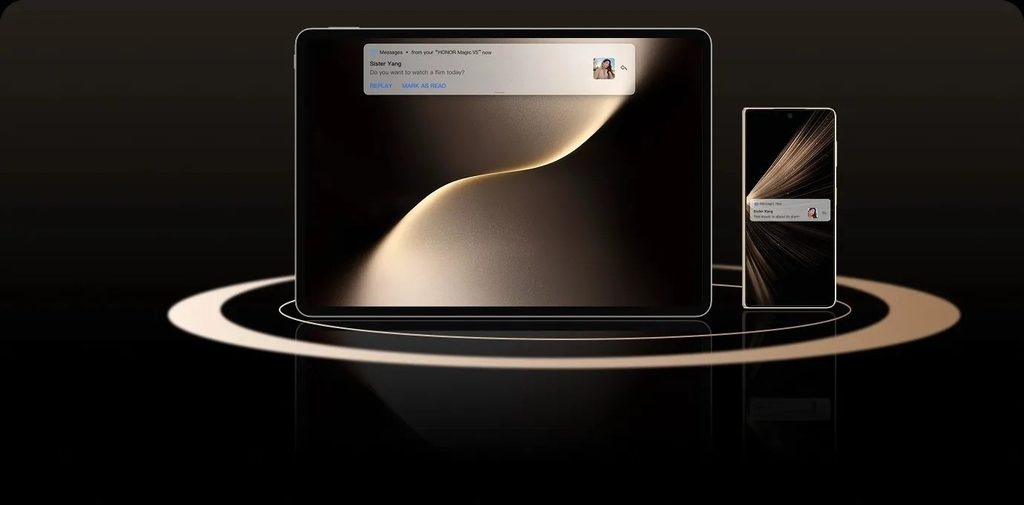
The screen is the other half of the sensory case. A 13-inch panel shows more of the world at once than any handheld display, which matters in strategy and shooters as much as in racing, and it also means on-screen controls sit further from the action instead of crowding it. Resolution helps too, because a 3.2K panel keeps distant detail readable where smaller screens blur it. Handhelds win on contrast and on being built for the purpose, but for sheer playing room the tablet is simply in a different class. Reading a map, scanning the horizon and following two things at once are all easier when the game has room to breathe, and none of that needs a dock or a cable.
Controls
Touch and Controller Support
Controls are where the two formats differ most. A handheld has physical buttons and sticks that your hands find without looking, and nothing on a screen reproduces that fully. A tablet answers with two things: responsive touch input, which handles tapping, swiping and aiming well in games designed for it, and broad support for Bluetooth controllers, which closes the gap for everything else. Pair a controller and the tablet plays like a small console; leave it in the bag and the touch games are usually the ones built to be played that way anyway. Support covers the main controller families, the pairing takes seconds, and most streaming and cloud games read the controls the moment they appear.
Comfort Over Long Sessions
Comfort splits along the same lines. A handheld’s weight sits in your hands for the whole session, and although good designs spread it well, an hour is an hour. A tablet rests on a stand, a lap or a table, which takes the load off your wrists entirely for controller play, though holding it for touch games is heavier work. The honest summary is that the tablet is more comfortable when propped up and less comfortable when held, and the way you play decides which of those describes a typical evening. A folding stand weighs almost nothing and settles most of the argument, because a propped tablet with a controller is the closest a living room gets to console comfort.
Portability and Battery
Size and Weight
Portability is the console’s home ground, and it is not close. A handheld slips into a jacket pocket and disappears; a tablet needs a bag. But the gap has narrowed in practice, because the largest tablets are now remarkably thin and light for their screens, and most of them are already going where you go for other reasons. One device doing gaming, reading and video is lighter than two devices doing each separately, even when the single device is the larger one. The bag already has room for it in most routines, which is a fairer test than the pocket the handheld fits.
Play Time Away From a Socket
Battery life decides long journeys, and here the tablet’s larger cell starts to matter. Handhelds run three to six hours on a charge depending on the game, while a big tablet stretches well past that. The HONOR MagicPad3 shows how wide the gap has become: a 12,450 mAh silicon-carbon battery keeps a long session going well beyond the point where a handheld would be looking for a cable, and 66 W fast charging makes half an hour on the charger enough to carry the rest of the evening. The console answers with its sleep mode, which is excellent for short sessions spread across a day: pick it up, play for ten minutes, put it down, and the battery barely moves. For one long session the tablet lasts longer; for many short ones the handheld wakes up faster. A charger in the bag settles it, because a tablet that refills while you eat starts the next session full.
Conclusion
On sight and sound a tablet has the edge, on controls the console keeps a genuine advantage, and on portability each suits a different pattern of play. A tablet replaces a handheld for anyone whose gaming lives in touch titles or on a paired controller; it complements one for anyone who needs pocket-sized sessions. Weigh the three areas against your own evenings and the right answer tends to be obvious, because the comparison is really about how you play rather than which device is better in the abstract.
