
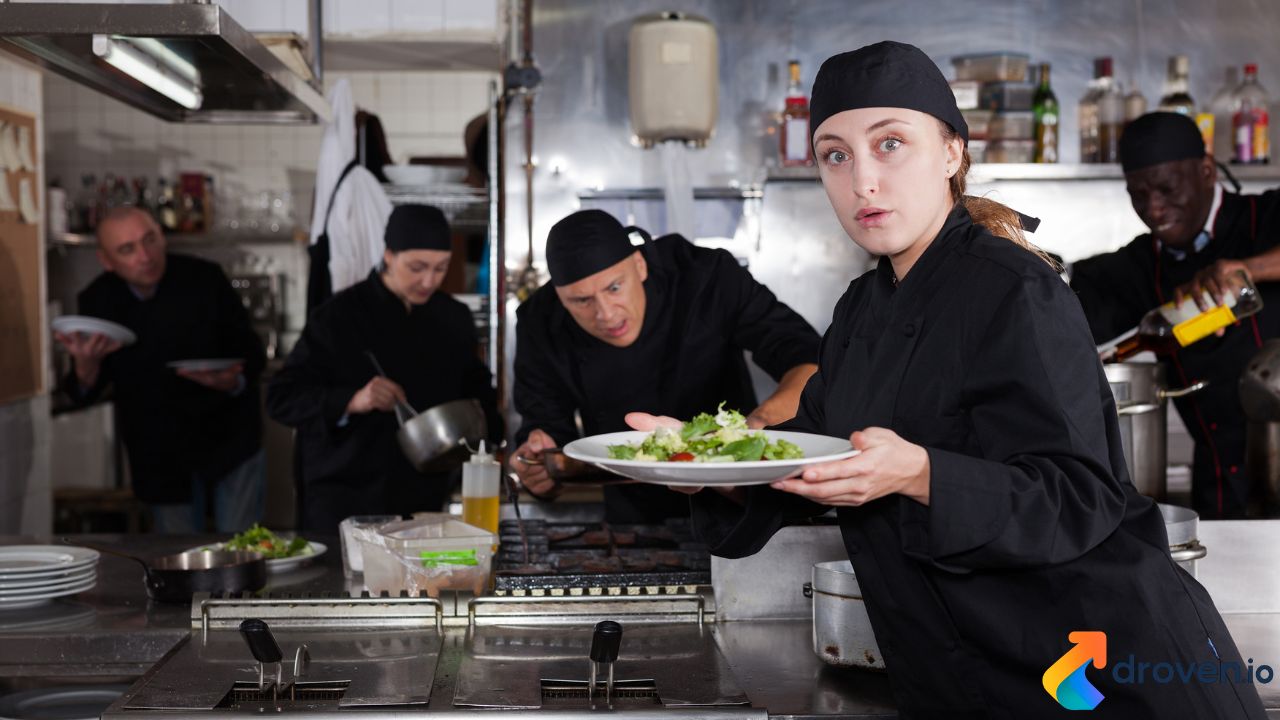
Food businesses and event organizers often need access to fully equipped kitchens without committing to permanent facilities. Temporary kitchen rental services provide short-term access to professional cooking spaces that meet health and safety standards.
These kitchens are commonly used by caterers, food entrepreneurs, restaurants undergoing renovations, and event organizers who require professional cooking facilities for limited periods.
What Is Temporary Kitchen Rental?
A temporary kitchen rental provides access to a commercial-grade kitchen for a short period of time. These kitchens are designed to support food preparation, cooking, storage, and cleaning in compliance with local health regulations.
Temporary kitchens may be located in:
- Shared commercial kitchen facilities
- Mobile kitchen units
- Event venues
- Catering preparation spaces
They allow businesses and chefs to operate professionally without investing in permanent infrastructure.
Who Uses Temporary Kitchen Rentals?
Temporary kitchens are useful for many types of food-related operations.
Catering Companies
Caterers often rent kitchens to prepare meals before large events such as weddings, corporate functions, and festivals.
Food Startups
New food businesses and entrepreneurs use shared kitchens to launch their products without the high cost of building a restaurant kitchen.
Restaurants Under Renovation
Restaurants may temporarily relocate food preparation while their main kitchen is being remodeled.
Food Trucks
Food truck operators sometimes use commercial kitchens to prepare ingredients, store supplies, or comply with food safety regulations.
Types of Temporary Kitchen Rentals
Several types of temporary kitchen rental solutions are available depending on the needs of the user.
Shared Commercial Kitchens
These are professional kitchen spaces rented by multiple food businesses on a scheduled basis.
Mobile Kitchens
Mobile kitchens are portable units equipped with cooking appliances, refrigeration, and preparation areas.
Event Kitchens
Large events such as festivals or conferences may set up temporary kitchens for food vendors and caterers.
Production Kitchens
These kitchens are designed for high-volume food preparation and may be rented for short-term food production.
Equipment Typically Found in Temporary Kitchens
Temporary kitchen rentals usually include essential commercial kitchen equipment.
Common equipment includes:
- Commercial ovens and stoves
- Refrigerators and freezers
- Food preparation tables
- Commercial sinks and dishwashing stations
- Ventilation and exhaust systems
These features ensure that chefs and food businesses can operate efficiently.
Benefits of Temporary Kitchen Rental
Renting a temporary kitchen offers several advantages.
Cost Efficiency
Businesses avoid the high costs associated with building and maintaining a permanent kitchen facility.
Flexibility
Kitchen space can be rented for short periods, allowing businesses to scale operations as needed.
Compliance With Health Regulations
Professional kitchen facilities are designed to meet local health and food safety requirements.
Access to Professional Equipment
Renters gain access to high-quality cooking equipment that may otherwise be expensive to purchase.
Factors to Consider When Renting a Temporary Kitchen
Before selecting a temporary kitchen rental, it is important to consider several factors.
Key considerations include:
- Kitchen size and layout
- Available cooking equipment
- Rental pricing and time slots
- Compliance with local food safety regulations
- Storage and refrigeration capacity
Choosing the right facility helps ensure smooth food preparation and service.
Temporary Kitchens for Special Events
Large events often require temporary kitchens to support food vendors and caterers.
Examples include:
- Music festivals
- Sporting events
- Outdoor markets
- Corporate events
Mobile or modular kitchens allow event organizers to provide professional cooking environments even in temporary locations.
The Growing Demand for Shared Kitchen Spaces
The food industry has seen rapid growth in shared kitchen spaces and temporary kitchen rentals. These facilities help entrepreneurs test new food concepts, launch catering businesses, and expand production without long-term commitments.
As food delivery services and pop-up restaurants continue to grow, flexible kitchen solutions are becoming increasingly important.
Conclusion
Temporary kitchen rental services provide flexible and cost-effective solutions for chefs, caterers, and food businesses that require professional cooking facilities for short-term use. With access to commercial equipment, compliant workspaces, and scalable rental options, temporary kitchens help support a wide range of culinary operations.
Whether used for catering, food startups, or large events, temporary kitchens offer the convenience and functionality needed to operate successfully in the food industry.
FAQs
What is a temporary kitchen rental?
It is a commercial kitchen space that can be rented for short-term food preparation and cooking.
Who typically uses temporary kitchens?
Caterers, food startups, restaurants, and event organizers commonly use temporary kitchen rentals.
Are temporary kitchens equipped with professional appliances?
Yes, most facilities include commercial ovens, refrigeration, preparation tables, and cleaning stations.
Can food trucks use temporary kitchens?
Yes, many food truck operators use shared kitchens for food preparation and storage.
Are temporary kitchens required to meet health regulations?
Yes, commercial kitchen rentals must follow local food safety and health standards.
