
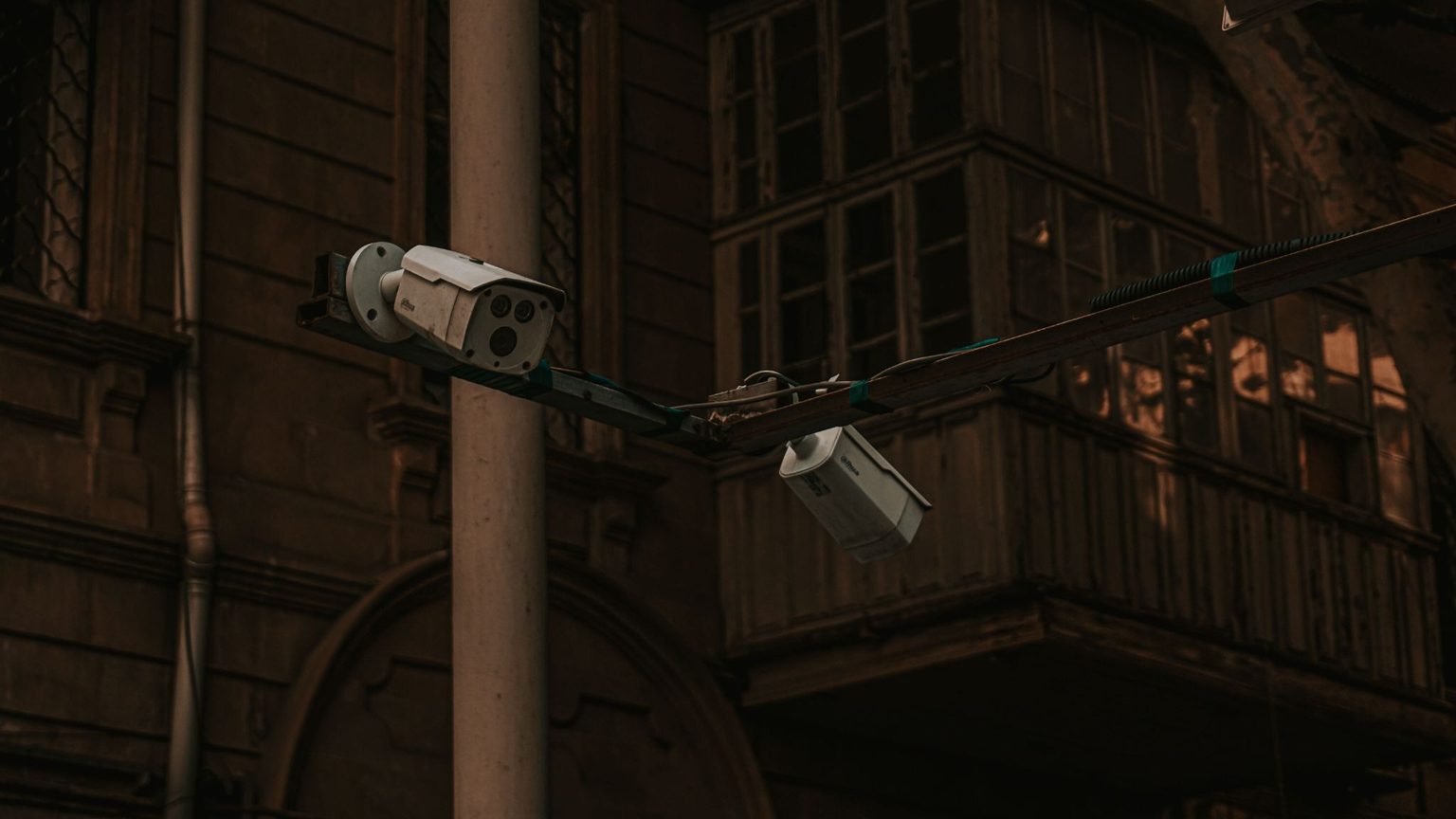
There are about a billion CCTV cameras active globally, offering instant real-time feedback to security teams, businesses, and the public. These cameras monitor crowded areas, record suspicious activity, support security operations, and provide increased situational awareness. Still, making a live feed also creates new opportunities for cyberattacks, introduces privacy violations, and possible misuse.
These risks become especially interesting to mention when analyzing, for example, a CCTV Rush Hour casino environment, where real people are moving through an area while cameras are continuously capturing and transferring footage.
A fictional CCTV-related game would make this type of surveillance simple: players watch the feeds, identify events, and react. But a real-world environment introduces risks to everyone involved, from the developers who built the systems to companies offering cameras to the public.
How CCTV Livestreaming Expands the Attack Surface
As the technology improves, a CCTV camera has turned from a physical device mounted on the wall to a hybrid system of smart technology and connected devices. This progress expanded the attack surface. This means that cameras, streaming software, servers, cloud services, APIs, network connections, authentication systems, and storage infrastructure can all become potential points of attack.
Simply put, the more components a system has, the more opportunities there are for bad actors. When it comes to CCTV operators, there’s a difficult balance to maintain. Remote access to surveillance is useful because security personnel can track what’s happening around their area, but every additional connection to the cameras needs to be secured.
So what could be attacked in a CCTV system? Starting from the physical device itself, attackers could gain access to the camera and steal/intercept footage, reset the device to factory settings, or plug into its physical ports.
Then there’s the hardware and software, which, if outdated, basically open up the device to Remote Code Execution (RCE). Video feeds and control commands sent without encryption (HTTP instead of HTTPS) can be intercepted or altered via Man-in-the-Middle (MitM) attacks.
And since many modern cameras connect to cloud services, attackers could get access to cloud APIs, web consoles, or any application that could help them hijack multiple cameras.
Ultimately, these attacks don’t stay only within the camera.
Threats to CCTV Developers
Developers are there as the first layer of responsibility, because security problems can start with their software and infrastructure they use to deliver a livestream.
A vulnerability in an authentication system, API, camera-management platform, or streaming protocol could potentially allow an unauthorized person to access a feed and manipulate the technology even before it reaches the company or the final user.
Poorly implemented access controls can be particularly dangerous because CCTV footage is often sensitive by nature. One example is the CVE-2025-30111 (a missing-authentication vulnerability), which affected IROAD v9 dashcams and allowed unauthorized users to access the live streams and remotely dump videos without authentication.
Developers are also responsible for the source code, which competitors or attackers may try to steal or compromise.
They also rarely build software completely from scratch. Instead, they rely on third-party open-source libraries for features like network streaming or data encryption. Hackers actively scan these dependencies for vulnerabilities. And if a CCTV developer integrates an unvetted library, they unknowingly import a severe vulnerability into their product.
Developers therefore need to consider security throughout the entire development lifecycle. Authentication should prevent unauthorized access, sensitive communications should be protected, permissions should follow the principle of least privilege, and vulnerabilities should be patched as quickly as possible.
Threats to Companies Operating CCTV Systems
Unfortunately, bad actors won’t stop at attacking cameras. They’ll go further and attempt to hit companies behind them, causing severe cybersecurity issues and operational problems.
Attackers will always try to exploit weak credentials, default passwords, or outdated firmware to remotely access live feeds, archived footage, and/or company information. This may cause further compliance risks. For example, failing to comply with GDPR and similar regulations may result in fines of up to millions of dollars. But the impact extends beyond unauthorized video access.
If a provider’s central cloud platform, software deployment pipeline, or firmware update server is breached, it becomes a supply chain attack. Bad actors can inject malware into the CCTV official firmware updates. And when thousands of clients download this update, they’ll install a backdoor, allowing hackers to compromise their networks.
Denial of Service (DoS) is another common attack, where hackers encrypt the CCTV provider’s backend databases, command-and-control centers, or cloud storage, and remove live feed access and/or recording history. Critical infrastructure, casinos, banks, and similar organizations might be forced to temporarily stop operations because they can’t work without proper surveillance.
Down the line, when a CCTV provider fails, all their clients fail, and trust disappears instantly. The company faces reputational damage if customers discover that their images or activities were exposed or attacked. And depending on the jurisdiction and the type of information collected, there may also be regulatory or legal consequences.
Threats to Users and People Appearing on Camera
Finally, the last group to feel the consequences are regular people who use the surveillance and subjects – people who appear on cameras. Those who use cameras in their homes may become targets of burglars watching their leaked residential feed.
Criminals may keep track of the family’s daily routine, learning when the house is empty and where high-value assets are kept. They can also use all that data for sophisticated phishing attempts or even voice cloning.
Some may track specific individuals, note their workplace habits and daily commute, escalating digital voyeurism into physical danger. When taken to the next level, users may experience biometric identity theft or deepfakes leaked online. This is because today’s CCTV cameras record high-resolution images that can be stolen and repurposed with ease.
People entering a monitored location may not have any control over whether they appear in the footage. In a busy environment, cameras can potentially capture faces, movements, interactions, and other details about people’s activities.
That creates an obvious privacy concern. Once biometric data is leaked and hosted on the dark web, the subject’s privacy is compromised. A person’s face can’t be changed like a password, so the danger remains virtually forever.
For users, the danger is therefore not limited to someone watching a camera feed without authorization. It can also involve how footage is stored, analyzed, shared, or combined with other information.
How Organizations Can Reduce the Risks
CCTV service providers, developers, and users should remain aware of potential breaches and implement a multi-layered security strategy.
Providers should isolate CCTV hardware onto a non-routable Virtual Local Area Network or entirely separate physical network switches. So, if a hacker breaches one camera, this network segmentation prevents them from spreading laterally.
Then, they should restrict all inbound traffic from the public internet and never allow cameras to be accessible via an open IP address. Firewalls should block all external requests and allow outbound connections to verified cloud management portals.
Another great approach is to change the camera’s factory-default password to a unique credential before it connects to the network, and do this for every camera separately. Treating cameras like computers is a good way to think of this – establish a routine schedule to run the latest firmware updates, closing zero-day software vulnerabilities.
Controlling who can access, modify, and see surveillance data also prevents insider threats and limits the potential of a credential breach. Multi-factor authentication is a must-have for all users attempting to access the CCTV cloud storage or local video management software. Enforcing role-based access controls further improves security.
Encryption should also be used in transit and at rest – Secure Real-time Transport Protocol (SRTP) or HTTPS. End-to-end encryption should be present for cloud setups, which ensures that the organization holds the cryptographic keys to see the footage, and even if a CCTV service provider gets hacked, videos remain unreadable.
Vulnerabilities can be discovered after a product has already been deployed, meaning security cannot end when the system is installed by a second party. Organizations should also continuously monitor their camera infrastructure and not just assume it’s operating safely.
Conclusion
The transformation of CCTV, firmware, and hardware from analog closed loops into cloud-connected devices introduced new ways bad actors can get into the systems. Developers should be the first line of defense, and they should pay close attention to which library they’re using and ensure that it’s vetted and secure.
Companies and service providers are second, and they should remain aware that a single compromise – no matter how small – can cause catastrophic consequences for their customers and permanently destroy their reputation. In some cases, failing to secure their products may result in regulatory ruin.
Finally, there are users and subjects who should remain aware of the latest threats – physical tracking, biometric data theft, targeted profiling, and similar threats.
But the effective defence relies on all these participants enforcing and using all available methods to secure network segmentation and passwords, data transit, and eliminate factory-default credentials.
Only through a proactive approach and multi-layer defense strategies can businesses and individuals properly leverage the power of livestreaming while remaining protected.
