
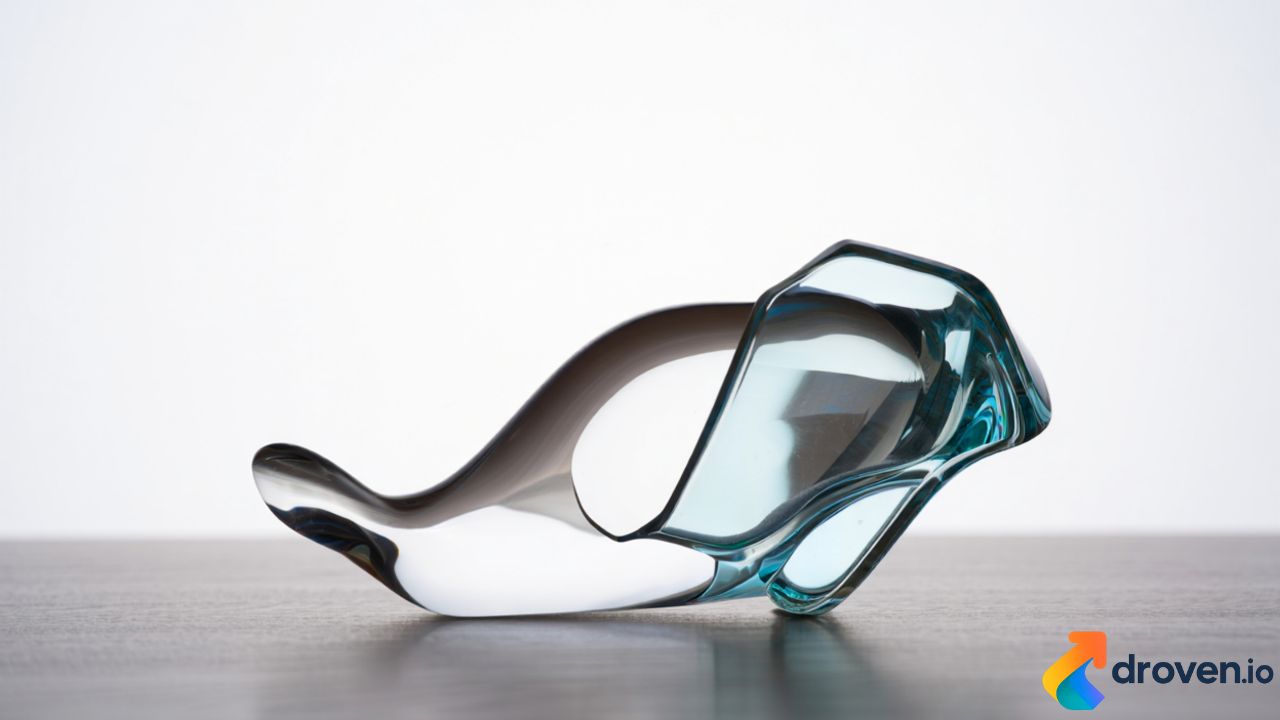
Contemporary art continues to evolve through innovative materials and creative techniques. One striking medium that has gained popularity among modern artists is resin. Transparent resin sculpture combines clarity, depth, and light interaction to produce visually captivating artworks that blend traditional sculpture with modern material science.
Artists use transparent resin to create sculptures that appear almost glass-like while allowing for embedded objects, colors, and textures within the material. The result is artwork that captures light and space in unique ways.
What Is a Transparent Resin Sculpture?
A transparent resin sculpture is an artwork created using clear synthetic resin as the primary material. Resin is a liquid polymer that hardens into a solid form through a chemical curing process.
When artists use clear or transparent resin, the final sculpture can resemble glass or crystal while maintaining greater flexibility in design.
Key characteristics of transparent resin sculptures include:
- crystal-like clarity
- smooth, polished surfaces
- the ability to embed objects inside
- interaction with light and reflections
These properties make resin a highly versatile medium for modern sculpture.
Materials Used in Resin Sculptures
Several types of resin are commonly used by artists to create transparent sculptures.
Epoxy Resin
Epoxy resin is one of the most popular materials for transparent artwork. It offers excellent clarity and durability once cured.
Benefits include:
- strong and durable finish
- high transparency
- resistance to yellowing
Polyester Resin
Polyester resin is often used for larger sculptures because it cures quickly and can be poured into molds easily.
UV Resin
UV resin cures under ultraviolet light and is often used for smaller sculptural pieces or intricate details.
Each resin type offers different advantages depending on the project.
Artistic Techniques in Transparent Resin Sculpture
Artists use several techniques to create complex and visually engaging resin sculptures.
Mold Casting
One of the most common techniques involves pouring resin into molds that shape the sculpture as it cures.
Molds may be made from materials such as silicone, allowing artists to create detailed and complex forms.
Layered Resin Casting
Layering resin allows artists to embed colors, textures, or objects between layers, creating depth within the sculpture.
Embedded Objects
Artists often embed items such as:
- flowers
- pigments
- metal fragments
- small sculptures
These elements appear suspended within the transparent material.
Polishing and Finishing
Once the resin cures, artists sand and polish the surface to achieve a clear, glossy finish.
Why Artists Choose Transparent Resin
Transparent resin offers several advantages that make it appealing for sculpture.
Visual Depth
Clear resin allows artists to create multi-dimensional artworks with layers that appear suspended in space.
Light Interaction
Resin sculptures interact beautifully with light, producing reflections and refractions similar to glass.
Creative Flexibility
Artists can combine resin with other materials, colors, or objects to create unique artistic effects.
Durability
Compared to glass sculptures, resin pieces are often more resistant to breakage.
Applications of Transparent Resin Sculptures
Transparent resin sculptures are used in many artistic and decorative contexts.
Gallery Exhibitions
Contemporary art galleries often display resin sculptures due to their modern and visually striking appearance.
Interior Design
Resin sculptures can serve as decorative centerpieces in homes, offices, and hotels.
Public Art Installations
Large resin sculptures are sometimes installed in public spaces or architectural environments.
Collectible Art Pieces
Many collectors appreciate resin sculptures for their originality and craftsmanship.
Challenges in Working with Resin
While resin offers many advantages, working with it also presents certain challenges.
Bubble Formation
Air bubbles can appear during the pouring process and must be carefully removed.
Curing Conditions
Temperature and humidity can affect how resin cures.
Safety Precautions
Artists must use proper ventilation and protective equipment when working with liquid resin.
With proper techniques and safety practices, artists can overcome these challenges.
Caring for Transparent Resin Sculptures
Maintaining resin sculptures properly helps preserve their clarity and appearance.
Recommended care practices include:
- keeping sculptures away from direct sunlight
- cleaning gently with soft cloths
- avoiding harsh chemicals
- storing in stable temperature conditions
These steps help prevent discoloration or surface damage.
The Future of Resin Sculpture
As artists continue exploring new materials and techniques, resin sculpture is expected to remain an important medium in contemporary art.
Innovations in resin technology may lead to:
- improved clarity and durability
- environmentally friendly resin formulas
- larger architectural resin installations
These developments will continue expanding creative possibilities for artists worldwide.
Conclusion
Transparent resin sculpture represents a fascinating blend of art and modern material technology. By using clear resin, artists can create visually stunning pieces that capture light, depth, and movement in unique ways.
From gallery exhibitions to decorative installations, resin sculptures continue to inspire audiences with their clarity, creativity, and modern aesthetic.
FAQs
What is a transparent resin sculpture?
It is a type of sculpture made using clear resin that hardens into a glass-like material.
Is resin stronger than glass?
Resin is generally more impact-resistant than glass, making it suitable for various artistic applications.
Can objects be placed inside resin sculptures?
Yes, artists often embed objects such as flowers, pigments, or small items within the resin.
How long does resin take to cure?
Curing time depends on the type of resin but can range from a few hours to several days.
How do you maintain a resin sculpture?
Keep it clean with a soft cloth and avoid prolonged exposure to sunlight to maintain clarity.
