
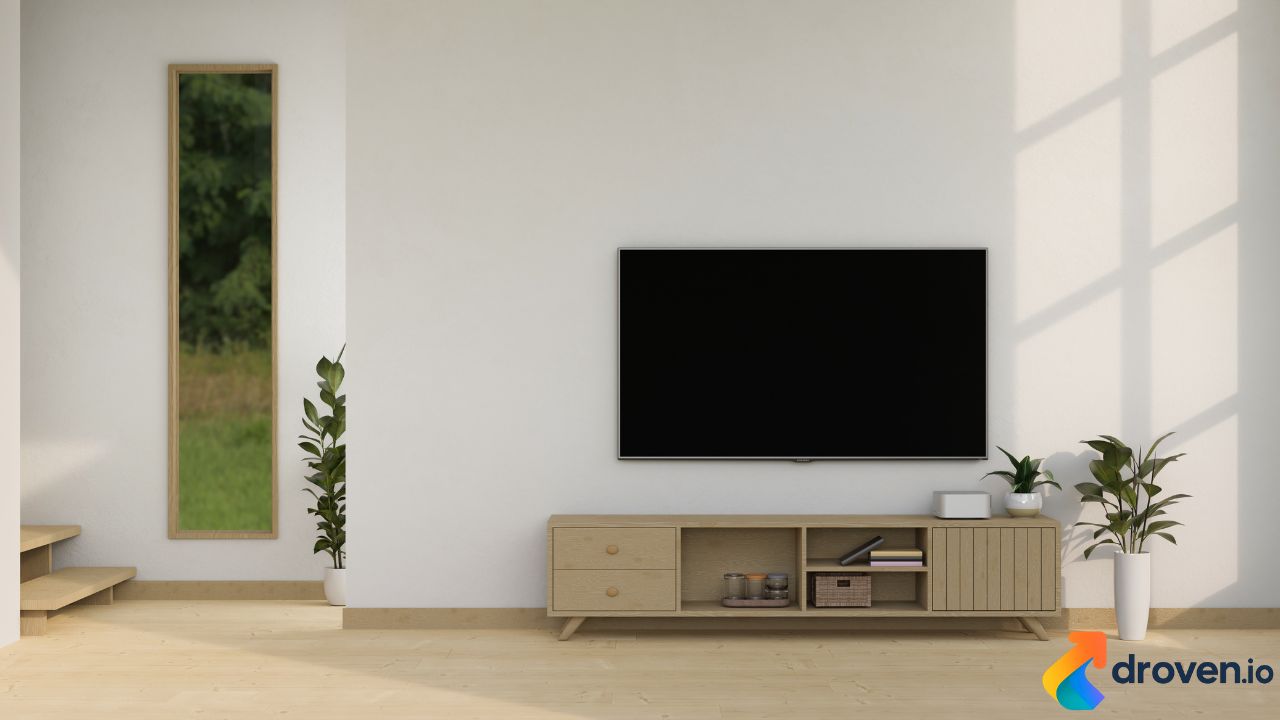
TV wall mounting has become one of the most popular home improvement upgrades for modern living spaces. A wall-mounted television creates a cleaner look, saves floor space, improves viewing angles, and gives any room a more contemporary feel. Whether it is for a living room, bedroom, office, media room, or commercial setting, a properly mounted TV can improve both function and appearance.
Many homeowners choose TV wall mounting because it helps eliminate bulky entertainment stands and keeps screens safely positioned away from pets, children, and accidental damage. At the same time, mounting a television requires careful planning. The correct wall type, mount style, viewing height, weight capacity, and cable organization all play a major role in achieving a professional result.
A well-mounted TV is not only about style. It is also about safety, comfort, durability, and making sure the screen performs well in everyday use.
What Is TV Wall Mounting?
TV wall mounting is the process of attaching a television securely to a wall using a specialized mounting bracket. Instead of placing the television on a table, cabinet, or entertainment unit, the screen is fixed directly to a wall surface.
This installation method is widely used for:
- Living rooms
- Bedrooms
- Offices
- Conference rooms
- Restaurants and waiting areas
- Home theaters
- Retail displays
The main purpose of TV wall mounting is to create a stable, space-saving, and visually appealing setup while improving the viewing experience.
Why TV Wall Mounting Is So Popular
Modern televisions are thinner, lighter, and better suited for wall installation than older models. As homes increasingly adopt minimalist interior design, more people prefer clean wall-mounted displays instead of large media furniture.
Better Use of Space
One of the biggest benefits of TV wall mounting is that it frees up floor and furniture space. In smaller rooms, this can make a noticeable difference. A mounted television helps the room feel more open and less cluttered.
Cleaner Interior Design
Wall-mounted televisions create a sleek and modern appearance. When paired with hidden cables or cable management systems, the setup can look polished and high-end.
Improved Safety
Mounting a TV can reduce the risk of accidental tipping. This is especially important in homes with young children or pets. A secure wall installation keeps the screen stable and out of reach.
Better Viewing Angles
Many mounts allow you to position the television at the most comfortable angle. This can improve picture visibility and reduce neck strain during extended viewing.
Flexible Room Layout
When the TV is on the wall, furniture placement becomes easier. You are not limited by the size or location of an entertainment stand.
These advantages explain why TV wall mounting is often seen as both a practical and aesthetic home upgrade.
Types of TV Wall Mounts
Choosing the right mount is one of the most important parts of TV wall mounting. Different mount styles serve different needs depending on room size, screen size, and viewing preferences.
Fixed TV Wall Mount
A fixed mount holds the television flat against the wall without movement. This is one of the most common and affordable options.
Best for:
- Rooms where the viewing position is directly in front of the TV
- Minimalist installations
- People who want the slimmest wall profile
Benefits:
- Clean appearance
- Lower cost
- Simple installation
- Stable positioning
The main limitation is that the viewing angle cannot be changed once installed.
Tilt TV Wall Mount
A tilt mount allows the television to angle slightly up or down. This is useful when the screen is installed higher than eye level.
Best for:
- Bedrooms
- Fireplaces
- High wall placements
Benefits:
- Reduces screen glare
- Improves viewing comfort
- Better for elevated TV positions
Tilt mounts are a strong option when TV wall mounting needs to balance aesthetics and comfort.
Full-Motion TV Wall Mount
A full-motion or articulating mount allows the TV to extend outward, swivel side to side, and tilt up or down.
Best for:
- Large rooms
- Corner installations
- Open-plan spaces
- Rooms with multiple seating areas
Benefits:
- Maximum flexibility
- Better screen positioning
- Easier access to rear cables and ports
These mounts are more expensive and usually require more careful installation due to the extra movement and weight distribution.
Ceiling or Corner Mounts
In specialized situations, TVs may be mounted from ceilings or installed in corners using dedicated brackets.
Best for:
- Commercial spaces
- Unusual room layouts
- Fitness rooms or public display areas
These setups are less common in residential homes but can be useful when standard wall placement is not practical.
How to Choose the Right Mount for Your TV
Successful TV wall mounting starts with choosing a compatible bracket. Not every mount works with every screen.
Check TV Size and Weight
The mount must support the exact size and weight of the television. Manufacturers specify the maximum screen dimensions and weight capacity.
Never assume a mount is suitable based only on screen size. Weight matters just as much.
Confirm VESA Compatibility
Most televisions use a standard mounting pattern called VESA, which refers to the distance between mounting holes on the back of the TV.
The bracket must match the TV’s VESA pattern exactly. If not, installation will not be secure.
Consider Viewing Needs
If the television will always be watched from one central position, a fixed mount may be enough. If the room has different seating zones or glare issues, a tilt or full-motion mount may be a better choice.
Think About Wall Clearance
Some people prefer the TV to sit very close to the wall. Others want extra space behind the screen for cables or easier port access. Different mounts offer different wall clearances.
Evaluate Room Layout
The right TV wall mounting solution depends on the room itself. A bedroom, living room, office, and commercial lounge all have different requirements for angle, height, and flexibility.
Best Wall Types for TV Wall Mounting
The wall material plays a major role in installation safety. Not every surface is equally suitable for holding a heavy television.
Drywall With Wood Studs
This is one of the most common residential wall types. In most cases, the bracket should be anchored directly into wall studs for maximum strength.
Mounting only into drywall without proper anchors is unsafe for medium and large televisions.
Concrete Walls
Concrete walls are excellent for TV wall mounting because they offer strong support. However, installation requires masonry drill bits, anchors, and more specialized tools.
Brick Walls
Brick walls can also support mounted televisions well, but drilling must be done carefully to avoid damaging the surface. The mount should be anchored securely into solid brick, not weak mortar joints.
Metal Stud Walls
Metal stud walls require special hardware and sometimes additional reinforcement. Standard wood screws are not enough. In these cases, professional installation is often the safer option.
Plaster Walls
Older homes may have plaster walls, which can be more fragile than drywall. Wall structure must be assessed carefully before proceeding.
Understanding the wall type before installation helps prevent damage and ensures the TV remains secure over time.
Ideal Height for TV Wall Mounting
One of the most common mistakes in TV wall mounting is placing the screen too high. A television should be mounted at a height that feels natural and comfortable for the viewer.
Eye-Level Positioning
As a general rule, the center of the screen should be close to seated eye level when watching from the primary seating area.
This reduces neck strain and makes viewing more comfortable.
Living Room Placement
In a living room, the ideal height depends on sofa height and screen size. Larger screens may sit slightly higher, but the center should still remain within a comfortable line of sight.
Bedroom Placement
Bedroom TVs are often mounted higher because viewers are reclined. In that case, a tilt mount is especially useful.
Above a Fireplace
TV wall mounting above a fireplace is common, but it is not always the best ergonomic option. The screen may sit too high, and heat exposure can also be a concern. If this placement is necessary, proper clearance and tilt adjustment become even more important.
Tools Commonly Used for TV Wall Mounting
A proper installation usually involves several basic tools. While the exact list depends on the wall type and bracket design, the following are commonly used:
- Stud finder
- Drill
- Drill bits
- Level
- Measuring tape
- Screwdriver
- Socket wrench
- Pencil or marker
- Wall anchors if needed
For concrete or brick walls, additional masonry tools may be required.
The accuracy of the installation depends heavily on correct measuring and level positioning. Even a slightly uneven mount can be visually obvious.
Step-by-Step TV Wall Mounting Process
The installation process should always be approached carefully. Rushing can result in crooked positioning, weak anchoring, or damaged walls.
Step 1: Choose the Mounting Location
Start by deciding where the television should go. Consider viewing distance, seating position, natural light, and nearby power outlets.
The chosen wall should allow both comfortable viewing and safe support.
Step 2: Find Wall Support
Use a stud finder to locate wood studs behind drywall. If the wall is masonry, determine the best anchor points.
This is a critical part of TV wall mounting because the strength of the installation depends on secure attachment.
Step 3: Mark Bracket Placement
Measure carefully and mark the height and bracket holes on the wall. Use a level to make sure the bracket line is perfectly straight.
Even minor mistakes at this stage can affect the final result.
Step 4: Drill Pilot Holes
Drill pilot holes at the marked locations. The size of the holes should match the hardware provided with the mount.
Step 5: Attach the Wall Bracket
Secure the bracket firmly to the wall using the correct screws or anchors. Tighten everything properly without overtightening and damaging the wall material.
Step 6: Attach Mounting Arms to the TV
The mounting arms or plate are fixed to the back of the television using the correct screws that match the TV manufacturer’s specifications.
Step 7: Lift and Secure the TV
With assistance, lift the television and connect it to the wall bracket. Most TVs should never be mounted by one person alone, especially larger screens.
Step 8: Check Stability and Alignment
Once mounted, check that the TV is level, stable, and fully secured. Test the tilt or swivel functions if using an adjustable mount.
Cable Management for a Cleaner Look
One of the biggest differences between average and professional-looking TV wall mounting is cable organization.
Visible wires can make even a well-mounted television look unfinished. Good cable management improves both safety and appearance.
External Cable Covers
Cable raceways or covers are mounted on the wall to hide wires neatly. These are simple, affordable, and easy to install.
In-Wall Cable Routing
For a more seamless result, some homeowners run cables behind the wall. This creates a much cleaner look, but it should be done safely and according to electrical code.
Organized Media Connections
Devices such as streaming boxes, gaming consoles, and sound systems should also be arranged carefully so cables do not become tangled or overly visible.
A clean cable plan should always be part of any TV wall mounting project.
Common TV Wall Mounting Mistakes
A poor installation can create both visual and safety problems. Some of the most common mistakes include:
Mounting Too High
Many people place the TV higher than necessary, especially above fireplaces or decorative furniture. This often makes viewing less comfortable.
Ignoring Wall Structure
Mounting into weak drywall or unsupported surfaces can lead to dangerous failure.
Using the Wrong Hardware
Incorrect screws, anchors, or bracket sizes can compromise safety and compatibility.
Poor Cable Planning
Installing the TV first and thinking about cables later often results in a messy final look.
Uneven Bracket Installation
If the wall bracket is not level, the screen will appear crooked, which is very noticeable.
Choosing the Wrong Mount Type
Using a fixed mount when flexibility is needed, or using a heavy articulating mount on an unsuitable wall, can lead to frustration later.
Avoiding these errors makes TV wall mounting much more successful and visually appealing.
Professional TV Wall Mounting vs DIY Installation
Some homeowners prefer to mount televisions themselves, while others hire professionals. Both options have advantages depending on skill level and project complexity.
DIY TV Wall Mounting
DIY installation can save money if the person has the right tools, wall type, and confidence.
Suitable for:
- Smaller TVs
- Simple drywall and wood stud walls
- Fixed mounts
- People with basic home improvement experience
Professional TV Wall Mounting
Professional installers bring experience, tools, and knowledge of different wall materials and mount types.
Often best for:
- Large or expensive TVs
- Brick, concrete, plaster, or metal stud walls
- Full-motion mounts
- Hidden cable installations
- Complex room layouts
For many people, hiring a professional provides peace of mind and a cleaner finished result.
Cost Factors in TV Wall Mounting
The total cost of TV wall mounting depends on several factors.
TV Size
Larger televisions are heavier, require more careful handling, and may need stronger or more advanced mounts.
Mount Type
Fixed mounts are usually less expensive than tilt or full-motion models.
Wall Material
Drywall with wood studs is usually simpler to work with than brick, concrete, or specialty wall types.
Cable Concealment
Basic installations cost less than projects involving in-wall cable routing or decorative cable covers.
Additional Components
Installing soundbars, floating shelves, streaming devices, or media consoles may increase labor and material costs.
Understanding these factors helps homeowners budget more effectively for TV wall mounting projects.
TV Wall Mounting for Different Rooms
The best installation approach often depends on the room where the TV will be used.
Living Room
Living rooms usually prioritize central viewing, style, and cable concealment. A fixed or tilt mount is often the most common choice.
Bedroom
Bedroom TV wall mounting usually involves higher placement and tilt functionality for comfortable viewing while reclined.
Office or Study
In workspaces, wall-mounted TVs are often used for presentations, video calls, or dual-purpose media viewing. Flexibility and screen angle matter more in these rooms.
Home Theater
In a home theater, screen placement must be coordinated with seating layout, speakers, lighting control, and overall viewing distance.
Commercial Spaces
Restaurants, waiting rooms, gyms, and retail spaces often require multiple mounted TVs, sometimes with more durable or adjustable commercial brackets.
FAQs
What is the best height for TV wall mounting?
The best height usually places the center of the TV close to seated eye level. This helps create a comfortable viewing experience and reduces neck strain.
Can any wall support a mounted TV?
Not every wall is ideal. Drywall alone is not enough for most installations unless anchored correctly. Studs, concrete, and brick are usually better support points.
Is TV wall mounting safe?
Yes, TV wall mounting is safe when the correct mount, hardware, and wall support are used. Proper installation is essential for long-term safety.
What type of mount is best for TV wall mounting?
It depends on the room and viewing needs. Fixed mounts are simple and clean, tilt mounts help with higher placements, and full-motion mounts offer maximum flexibility.
Can I mount a TV above a fireplace?
Yes, but it should be done carefully. The screen may sit too high for comfort, and heat from the fireplace can affect the television if proper clearance is not maintained.
How long does TV wall mounting take?
A simple installation can take around one to two hours, while more complex setups involving brick walls, full-motion brackets, or hidden cables may take longer.
Do I need a professional for TV wall mounting?
Not always. Smaller and simpler installations can be done by experienced homeowners. For larger TVs, specialty walls, or cable concealment, professional help is often the better choice.
How do I hide wires after mounting a TV?
Wires can be managed using external cable covers, furniture placement, or in-wall routing for a cleaner appearance.
Can a wall-mounted TV hold a soundbar too?
Yes, many setups include soundbar brackets or separate mounted shelves to create a more complete entertainment system.
Is TV wall mounting worth it?
For most homeowners, yes. TV wall mounting improves room appearance, saves space, enhances safety, and often provides a better viewing experience.
