
Introduction
Creating a beautiful and welcoming property often begins with choosing materials that combine visual appeal, durability, and long-term value. Stone finishes have remained popular in residential and commercial construction because they offer a timeless appearance that complements a wide range of architectural styles. Whether used on exterior walls, interior fireplaces, accent walls, or outdoor living spaces, stone can transform an ordinary surface into an attractive focal point. Modern construction techniques have made decorative stone finishes more accessible, allowing property owners to achieve the appearance of natural stone without the weight and expense associated with many traditional stone materials. With proper planning, material selection, and professional workmanship, veneer stone installation can provide an attractive finish that enhances the overall character of a building.Stone veneer is available in numerous textures, colors, shapes, and patterns, making it suitable for both contemporary and traditional designs. Some products recreate the rugged appearance of stacked natural stone, while others feature smooth surfaces and consistent shapes for a cleaner architectural finish. The right choice depends on the desired aesthetic, the existing structure, the installation surface, and the project’s budget. Understanding the installation process is equally important because even premium materials may perform poorly when applied to an improperly prepared surface. By learning about the essential steps, available materials, maintenance requirements, and common mistakes, homeowners can make informed decisions and achieve a finish that remains attractive for years.
Understanding Stone Veneer and Its Benefits
Stone veneer is a decorative facing material designed to replicate the appearance of full-depth stone while requiring less thickness and, in many cases, less weight. It can be manufactured from natural stone or produced using cement-based mixtures, pigments, and molds that recreate the texture of quarried materials. Natural stone veneer offers authentic variations in color, grain, and surface texture, whereas manufactured products often provide more consistent dimensions and a wider selection of coordinated designs. Both options can be suitable for residential and commercial applications when selected according to the building’s requirements. The main differences involve appearance, weight, installation methods, maintenance, and overall project cost, so comparing these factors before purchasing materials is essential.One of the most significant advantages of veneer stone installation is the ability to create an elegant architectural appearance without rebuilding an entire wall using thick stone blocks. The thinner profile can reduce structural demands compared with full-depth masonry, although the suitability of a particular product must always be verified. Stone veneer can also be used to emphasize architectural features, define entrances, create decorative fireplace surrounds, and add visual interest to otherwise plain exterior walls. Its versatility allows designers to combine stone with wood, metal, glass, and other building materials for distinctive results. When installed according to manufacturer instructions and protected from moisture-related problems, quality veneer products can offer long-lasting beauty with manageable maintenance requirements.
Choosing the Right Type of Stone Veneer
Selecting an appropriate material is one of the most important decisions in any stone finishing project. Natural stone veneer is valued for its authentic character, unique mineral patterns, and naturally occurring color variations. Depending on the stone type, it may provide a rustic, refined, or contemporary appearance. Manufactured stone veneer offers another practical option because it can reproduce the look of limestone, ledgestone, fieldstone, river rock, and other popular styles. Its controlled shapes and coordinated color ranges can make it easier to achieve a consistent design. Before making a final selection, consider the intended application, product specifications, environmental exposure, installation requirements, and compatibility with the existing wall assembly.Color selection deserves particular attention because stone covers a substantial visual area and can influence the atmosphere of the entire property. Light-colored stone may create an open, bright appearance, while darker shades can introduce contrast and definition. Blended colors often work well when the surrounding materials include several complementary tones. Texture is equally important, as rough surfaces create a more natural and rugged effect, whereas smoother finishes tend to look modern and understated. Requesting physical samples and viewing them under different lighting conditions can help prevent disappointing results. It is also advisable to purchase enough material from compatible production batches and allow for cutting waste, corners, breakage, and future repairs.
Preparing the Surface for Installation
Proper surface preparation establishes the foundation for a successful stone veneer project. Before work begins, the installer should examine the wall for cracks, loose materials, moisture damage, uneven areas, and signs of structural movement. Existing paint, dust, grease, or other substances may interfere with adhesion, depending on the selected installation system. Any underlying problems should be addressed before decorative materials are applied. The wall must also be suitable for the weight of the chosen veneer and the attachment method specified by the manufacturer. A clean, stable, and properly prepared surface helps reduce the risk of loose stones, uneven finishes, and costly repairs after the project is completed.Moisture management is especially important for exterior applications because rainwater can enter wall assemblies through joints, openings, and vulnerable transitions. Depending on the wall construction and local building requirements, the system may need a suitable water-resistive barrier, flashing, drainage provisions, and properly detailed openings. Metal lath and a mortar scratch coat may be required for certain applications, while other approved systems use different preparation methods. Installers should never assume that every veneer product can be attached directly to any surface. Following the manufacturer’s technical instructions and applicable building codes is essential. Careful preparation may take additional time, but it provides a more reliable base and helps protect the building from moisture-related damage.
Step-by-Step Veneer Stone Installation Process
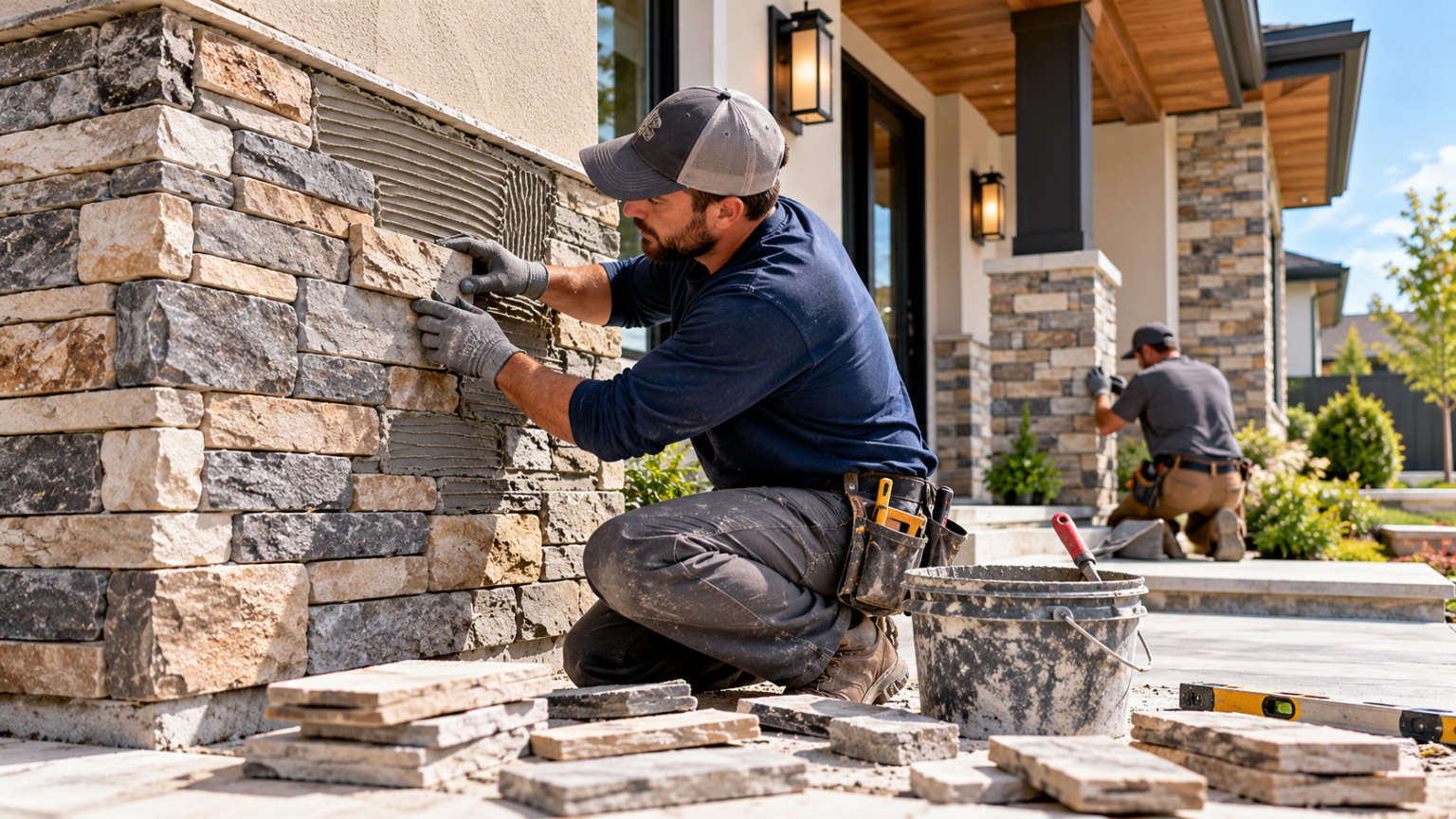
A successful installation begins with careful planning rather than immediately applying mortar to the wall. The installer should measure the surface, calculate the required material quantity, identify corners and openings, and determine the intended stone pattern. Dry-laying a portion of the stone on the ground can help establish a balanced arrangement and distribute colors and shapes naturally. It is generally helpful to open several boxes and mix pieces from different packages when the product contains intentional variations. This approach reduces the chance of obvious color patches or repetitive patterns. A suitable mortar or adhesive should then be selected according to the product specifications, substrate conditions, and whether the application is indoors or outdoors.Once the surface is ready, the installer follows the approved attachment system and begins placing stones in the planned arrangement. With mortar-set products, the bonding material must be prepared to the correct consistency and applied within its recommended working time. Stones should be pressed firmly into place according to the manufacturer’s directions, with attention given to alignment, joint spacing, and consistent contact. Starting from a suitable reference line and working in manageable sections can help maintain a neat finish. During veneer stone installation, excess mortar should be removed before it hardens, and individual pieces should be adjusted while the bonding material remains workable. The installer must also follow the required curing conditions and avoid exposing fresh work to damaging weather.Corners, edges, windows, doors, and other transitions require additional care because these details are highly visible and can affect long-term performance. Purpose-made corner pieces can create a more convincing appearance where the wall changes direction. Where openings meet the veneer, appropriate flashing, sealants, clearances, and movement details must be incorporated according to the wall system. Cutting tools should be suitable for the material, and protective equipment should be used to control dust and prevent injuries. After the stones are secured, joints may be filled or finished where the selected product requires them. Some veneer styles are designed for tight-fitting joints, so grout or mortar should never be added automatically without checking the manufacturer’s recommendations.
Tools and Materials Required for the Project
Having the correct tools and materials available before starting work helps maintain efficiency and improves the quality of the finished surface. The exact requirements vary according to the veneer product, wall substrate, and attachment method, but most projects benefit from careful measuring equipment, appropriate cutting tools, mixing containers, trowels, and basic masonry accessories. Personal protective equipment is also essential, particularly when cutting stone or working with cement-based products. Dust from cutting masonry materials may contain respirable crystalline silica, which can cause serious lung disease. Use appropriate wet-cutting or dust-control equipment, follow occupational safety guidance, and wear suitable eye, hearing, hand, and respiratory protection as required.Common supplies may include the selected stone veneer, compatible mortar or adhesive, grout where specified, corner units, and surface preparation materials. Depending on the wall system, additional items may include metal lath, corrosion-resistant fasteners, a scratch coat, a water-resistive barrier, flashing, and drainage components. These products should be chosen as part of a compatible assembly rather than purchased independently without checking suitability. Mixing products from different systems can lead to adhesion problems or interfere with moisture management. Before ordering materials, review the installation manual, confirm the wall measurements, and discuss any unusual substrate conditions with a qualified installer or building professional. A well-organized work area also helps prevent damage to finished pieces and reduces unnecessary material waste.
Common Installation Mistakes to Avoid
Many stone veneer problems begin with shortcuts taken during preparation. Installing over a weak, dirty, damp, or unsuitable surface can compromise the bond and may eventually cause pieces to loosen or detach. Another frequent mistake is failing to address water management before covering the wall. Exterior veneer should not be treated as a substitute for a complete weather-resistant wall assembly. Water that becomes trapped behind an improperly detailed finish can damage sheathing, framing, or other concealed components. Installers should examine the entire assembly, follow the product’s requirements, and pay particular attention to roof intersections, wall openings, ground clearances, and transitions between different materials.Incorrect mortar selection, poor mixing, and unsuitable working conditions can also affect the finished result. Mortar that is too dry, too wet, or past its usable working time may not provide the expected performance. Placing stones without adequate contact or failing to follow the recommended curing process can create weak areas. Uneven spacing and poor color distribution may not cause structural problems, but they can reduce the overall visual quality. A professional approach includes checking alignment frequently, cleaning surfaces at the appropriate time, and inspecting completed sections before the bonding material hardens. If the manufacturer specifies temperature limits or weather protection, these requirements should be followed rather than ignored to speed up the job.
Understanding the Cost of Stone Veneer Projects
The total cost of a stone veneer project depends on more than the price of the decorative material. Important factors include the type and quality of stone, the area being covered, wall accessibility, substrate preparation, corner details, cutting requirements, labor rates, and the complexity of the design. Natural stone products may have different pricing structures from manufactured alternatives, while premium textures or specialized corner pieces can increase material expenses. Exterior projects may also require additional moisture-management components or repairs to the existing wall. For this reason, an accurate estimate should account for the complete installation system rather than comparing products using the material price alone.Labor costs can vary significantly according to the installer’s experience, the project’s size, and the amount of detailed work involved. Simple rectangular walls with few openings are generally easier to complete than surfaces containing multiple corners, arches, windows, or unusual transitions. To establish a realistic budget, request itemized estimates that separate material costs, preparation, installation, finishing, cleanup, and any necessary repairs. It is sensible to reserve an allowance for unexpected substrate issues or additional cutting waste. The cheapest estimate may not represent the best value if it excludes essential moisture protection or uses an unsuitable installation method. A complete, clearly documented proposal makes it easier to compare contractors and avoid disputes during the project.
Interior and Exterior Design Applications
Stone veneer can be used in many different parts of a property to create visual contrast and reinforce a chosen design style. Inside a home, it can provide an attractive backdrop for fireplaces, entertainment areas, entryways, kitchen features, and decorative accent walls. A carefully selected stone texture can make a large room feel more grounded, while a smaller feature wall can introduce character without overwhelming the space. Pairing stone with warm lighting, natural wood, or simple furnishings often creates a balanced composition. When selecting an interior product, consider the room’s lighting, cleaning requirements, and proximity to heat sources, ensuring that the material and all surrounding components are approved for the intended application.Exterior applications include entrance columns, facade accents, garden walls, outdoor kitchens, and selected architectural features. Stone can help visually connect a building with its surrounding landscape and provide a durable-looking finish when installed as part of an appropriate wall assembly. However, exposure to rain, sunlight, freezing conditions, and temperature changes varies from one project to another. Products suitable for sheltered interior spaces may not be approved for exposed exterior use. Before choosing veneer stone installation for an outdoor feature, verify the manufacturer’s environmental ratings and ensure that the substrate, drainage provisions, and bonding materials are appropriate for the conditions. Thoughtful placement can create a strong design statement without requiring every exterior surface to be covered in stone.
Maintenance and Long-Term Care
Although many stone veneer products require relatively little routine maintenance, periodic inspection helps preserve their appearance and performance. Homeowners should examine visible joints, corners, edges, and transitions for cracks, loose pieces, discoloration, or signs of water intrusion. Small changes may indicate a minor maintenance issue, but recurring dampness or movement can point to a more significant problem that needs professional assessment. Cleaning should follow the recommendations for the specific product, as natural stone and manufactured veneer may react differently to certain chemicals. Gentle methods and suitable cleaners are generally preferable to aggressive treatments that could damage the surface or alter its color.Pressure washing should be avoided unless the manufacturer explicitly confirms that the method is suitable, because excessive water pressure can damage joints and force water into vulnerable areas. Harsh acids, abrasive tools, and unapproved sealers may also cause staining or surface deterioration. If a protective sealer is recommended, choose one compatible with the material and the wall assembly, paying attention to whether it affects water vapor movement. Sealers are not a substitute for proper flashing, drainage, or repair of damaged joints. Keeping gutters functional, directing water away from walls, and correcting leaking fixtures can further reduce moisture-related risks. Regular care, combined with prompt attention to developing problems, helps maintain the appearance of the stone finish.
Why Professional Installation Can Make a Difference
While some smaller interior projects may be suitable for experienced do-it-yourself installers, larger or more complicated applications often benefit from professional expertise. A qualified installer understands how to assess the substrate, select a compatible attachment system, manage moisture, cut pieces accurately, and finish corners and openings neatly. Experience also helps with material planning, allowing the installer to distribute colors and textures naturally instead of creating obvious repeated patterns. For exterior walls, fireplaces, elevated surfaces, and areas exposed to challenging weather, technical knowledge becomes especially important because mistakes can affect both appearance and building performance.Before hiring a contractor, review examples of completed projects and ask about experience with the specific veneer product being considered. Confirm that the proposed method follows the manufacturer’s installation instructions and applicable building requirements. A written estimate should describe surface preparation, materials, labor, finishing, cleanup, and any exclusions. It is also useful to ask how the contractor will manage dust, protect nearby surfaces, and handle unexpected damage discovered during preparation. Clear communication helps establish realistic expectations for the schedule and final appearance. Choosing an installer based on workmanship, technical understanding, and a transparent proposal can provide greater confidence than selecting a contractor solely because the initial price is low.
Conclusion
Stone veneer offers a versatile way to improve the appearance of residential and commercial spaces while providing numerous design possibilities. Its range of colors, textures, and profiles makes it suitable for accent walls, fireplace surrounds, entrance features, and carefully planned exterior applications. Achieving a successful result requires more than selecting an attractive product, however. The substrate must be suitable, moisture management must be addressed, compatible materials must be used, and every stage of the installation must follow the manufacturer’s instructions. Careful budgeting and thoughtful design choices also help ensure that the finished project meets both practical requirements and visual expectations.By understanding material options, preparation methods, installation techniques, and long-term maintenance needs, property owners can make better decisions throughout the construction process. Professional guidance can be particularly valuable when a project involves exterior exposure, complex detailing, or uncertain wall conditions. With appropriate planning and quality workmanship, veneer stone installation can create a distinctive finish that complements the surrounding architecture and remains attractive with routine care. Investing in a properly designed system from the beginning helps reduce the likelihood of avoidable repairs and supports a durable, polished result that adds character and visual appeal to the property.
