
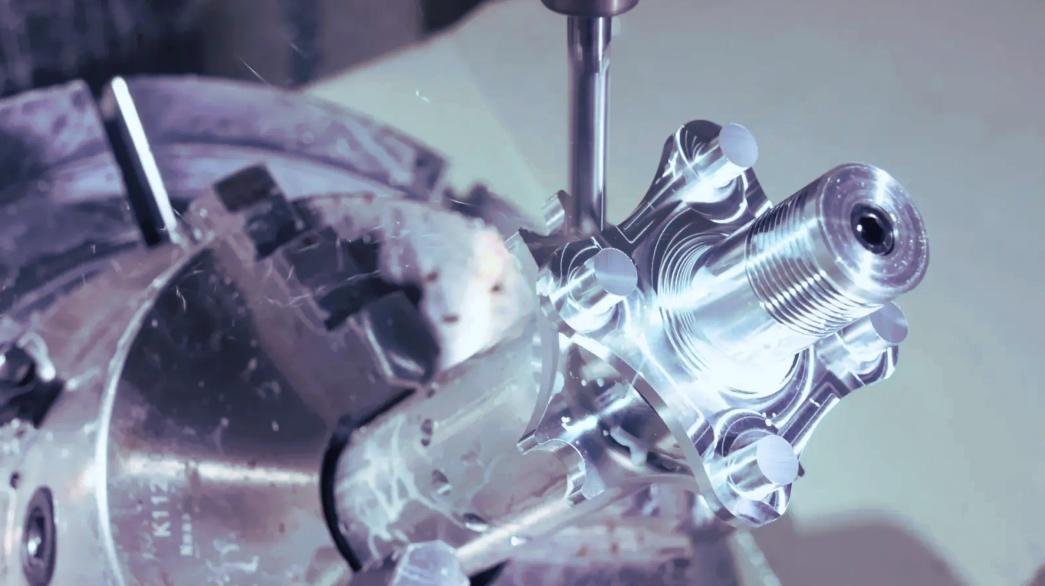
The speed at which an idea can be turned into a physical component that can be tested is often a critical determinant in the progress of an engineering project. Prototypes uncover practical aspects that drawings and simulations can’t convey, and digital models are essential. Engineers thus require manufacturing assistance that includes speed, accuracy, material versatility, and reliable manufacturing. An effective rapid manufacturing partner can help reduce development cycles while ensuring quality for meaningful design validation.
- Speed That Supports Faster Engineering Decisions
Rapid prototyping is useful because it enables engineers to test concepts prior to making costly production decisions. Weeks between prototype delivery and development can cause delays in design changes and development schedules. Rapid manufacturing enables teams to keep their momentum from the initial concept development to functional testing.
To meet this need, 3ERP transforms viable custom part designs into real parts in a short production time. Standard lead times are as quick as 3 days for simple eligible parts, enabling engineers to look at designs at an earlier stage.
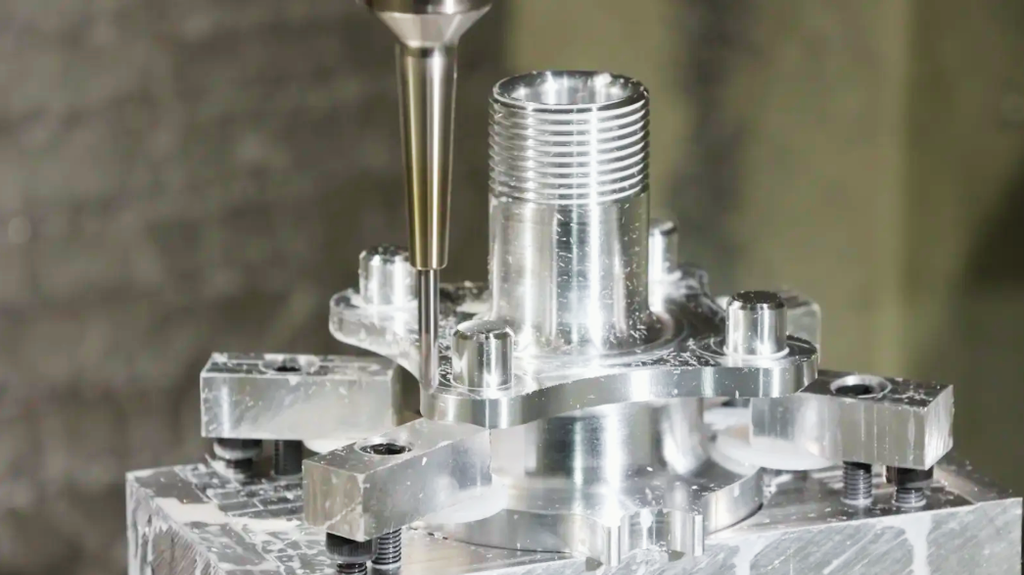
This speed produces a more efficient development rhythm. Engineers can get parts manufactured sooner rather than waiting for all design features to be final and test them in the real world. They can point out issues of size, assembly, materials, or function improvements before making a bigger production commitment.
- Manufacturing Options for Different Prototype Requirements
There is no single manufacturing procedure that is appropriate for all engineering projects. A machined mechanical part and a soft plastic enclosure or formed metal housing are different and have different processes involved in manufacturing. The manufacturing process can be more closely aligned with the design objective, which affords engineers access to several capabilities.
This broad approach makes prototype development more adaptable:
- CNC Machining: Produces precise prototypes and production components through milling and turning.
- Injection Molding: Supports prototype molding as well as larger production requirements.
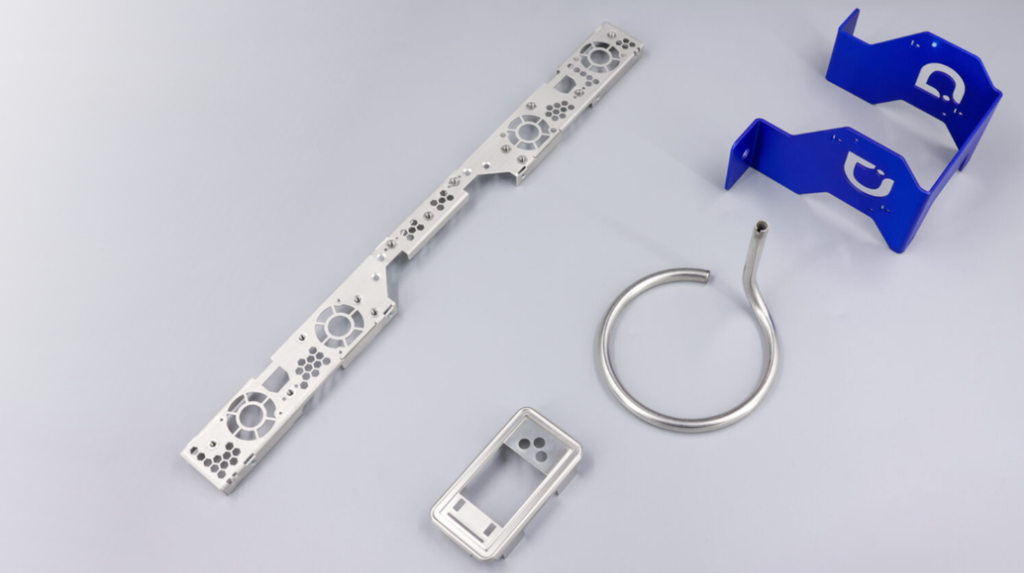
- Sheet Metal Fabrication: Includes processes such as laser cutting, bending, punching, stamping, and welding.
- 3D Printing: Provides options for producing detailed plastic and metal components from digital designs.
- Vacuum Casting: Supports cost-effective batches of polyurethane prototype parts.
- Rapid Tooling: Creates aluminum or soft steel tooling for faster prototype and low-volume production.
- Custom Extrusion: Enables the production of specialized aluminum or plastic extrusion profiles.
These options are necessary to allow engineers to select manufacturing processes based on geometry, material, volumes, tolerances, and application.
- A Wider Material Range Encourages Better Design Testing
Prototype performance is highly dependent on the material used. A component may require rigidity, impact resistance, heat resistance, electrical properties, or a specific surface appearance. A design can be tested in an inappropriate material and yield incorrect results regarding the actual performance of the design.
Over 100 metals and plastics available provide engineers with increased flexibility in the choice of materials for prototype and production parts. Working with a variety of materials enables development teams to transcend purely visual models and produce parts that are closer to the intended use.
Evaluation is also important regarding surface finishing. There are many different finishes to choose from, and engineers can not only evaluate dimensional accuracy, but also texture, appearance, corrosion resistance, and other practical features. This makes for a more comprehensive design-to-component route.
- Reliable Quality Makes Prototype Testing More Meaningful
If prototype quality is not consistent, then speed is limited. Prototypes are a key tool for engineers to make technical decisions, and any variation in dimensions or uncontrolled manufacturing variation can impact the validity of testing results.
3ERP is ISO 9001:2015 certified and has measuring and testing equipment to check materials and manufactured parts to project specifications. A structured approach to quality provides increased confidence when evaluating prototypes.
Reliable manufacturing also enables engineers to more easily compare multiple iterations of design. As production consistency increases, teams can begin to concentrate on the real differences between design versions, and not wonder if the results were due to manufacturing variation.
Quality control is thus indirectly contributing to faster development. Accurate parts minimize any need for rework due to avoidable manufacturing problems.
- A Streamlined Digital Process Reduces Administrative Delays
Prototype projects can be very time-consuming before even moving into the manufacturing process. Engineers can have to share files, explain requirements, ask for quotes, and discuss manufacturability issues. Having a structured process minimizes the waste of time between the completion of design and production.
The workflow generally follows four practical stages:
Upload: Submit a supported CAD file to begin the manufacturing process.
Quote and Design Analysis: Receive pricing information and design feedback for manufacturing considerations.
Confirmation: Review specifications and confirm project details before production starts.
Shipping: Completed parts are manufactured, packaged, and prepared for delivery.
It is an organised sequence that supports the flow of information on a project from design to manufacturing. Common engineering file formats are also supported, which helps to make the transition from CAD development to physical production easier.
- Experience Matters When Designs Become More Complex
In engineering projects, there are details to be dealt with that cannot be handled by simple manufacturing capacity. When dealing with complex geometry, tight tolerances, material requirements, and functional assemblies, production challenges can be introduced that need to be addressed prior to manufacturing.
3ERP has been in rapid prototyping and manufacturing since 2010 and has fulfilled over 30,000 projects for customers around the world. The manufacturing experience is used to support projects in various stages of product development.
Knowing what works and what doesn’t in manufacturing can also enhance DFM. It is possible to stumble upon potential production problems early on, which can prevent an unnecessary escalation of costs, machining issues, or delays later in the development process.
This is important for engineers as it provides a balance between design freedom and manufacturing practicality.
- A Clear Path From Prototype to Production
A prototype is often not the end goal. Great designs typically go from test to refinement to low-volume manufacturing and then to larger manufacturing demands. Switching manufacturing suppliers from one stage to the next can cause further communication and quality issues.
A wider manufacturing structure enables engineers to keep on working with a validated design without having to start the manufacturing process from scratch. CNC machining is suitable for prototype quantities as well as end-use production quantities, and rapid tooling can help with the transition to production quantities.
This continuity facilitates better and more efficient product development. Manufacturing capabilities are available to match the needs of every stage of developing a prototype – from limited production to refining prototypes to preparing production parts.
Conclusion
Making parts quickly is not the only element of fast and reliable rapid prototyping. Manufacturing precision, materials, flexible manufacturing, and quality are all essential for engineers.
Rapid manufacturing can help engineers transition from concept to physical validation more efficiently because of its various manufacturing capabilities, wide range of materials, defined quality standards, and quick manufacturing turnaround. The outcome is a better development process in which prototypes aid in making smart decisions, design enhancements, and a more seamless move to production. Reliable manufacturing speed can be a key component for engineering teams with tight schedules to successfully develop their products.
