
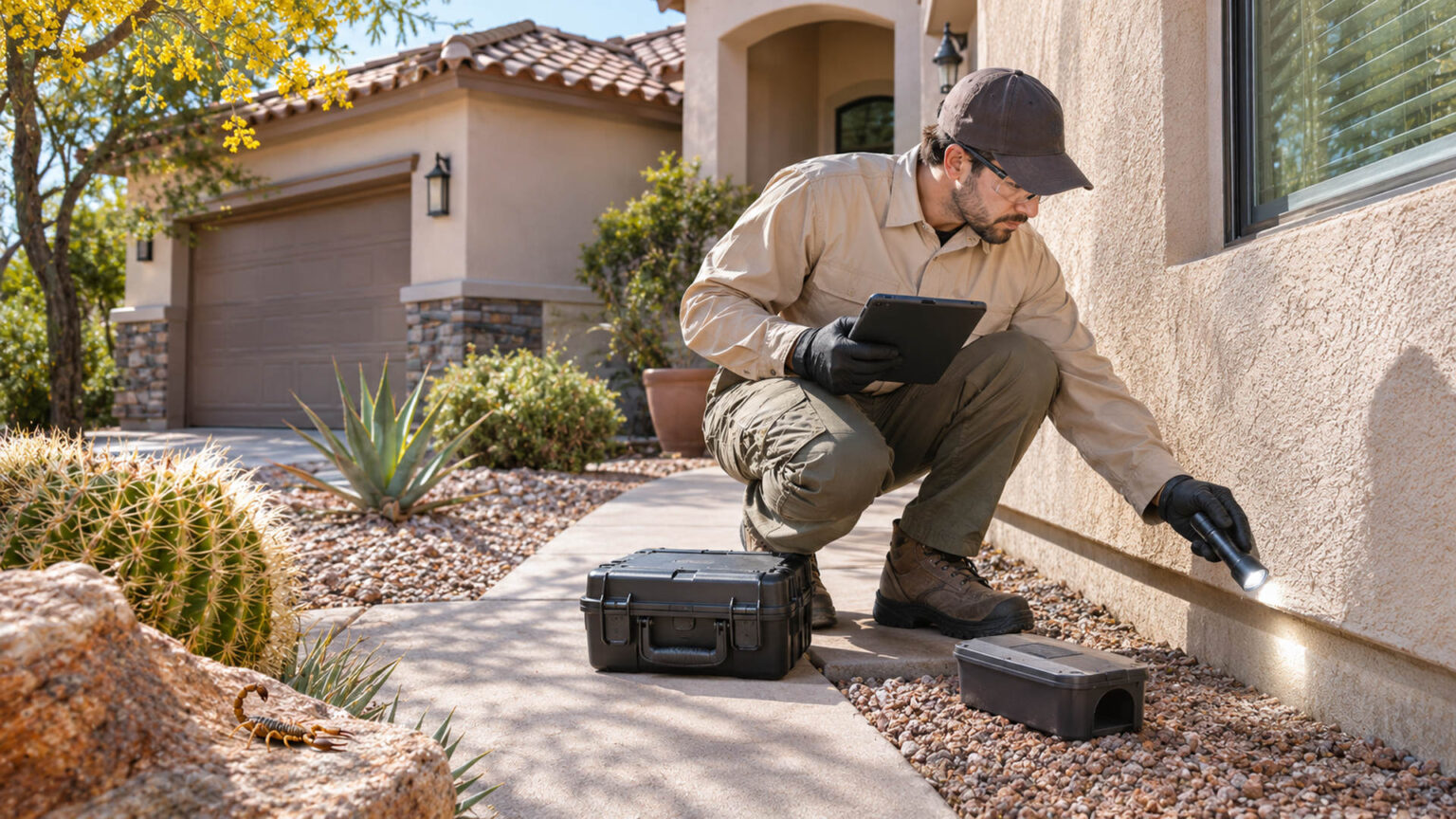
Green Home Pest Control Chandler is a local service option for homeowners dealing with scorpions, ants, cockroaches, termites, rodents, and other pests common to the East Valley of Arizona. The company lists a Chandler office and describes an inspection based process that combines targeted treatment with follow up service. Still, the best pest control decision is not simply choosing a familiar name or booking the first available visit. It involves identifying the pest, understanding the property conditions that attract it, reviewing treatment safety, and checking the service agreement before work starts.
Chandler’s desert landscape, irrigated yards, summer heat, and seasonal rain can influence where pests find food, water, and shelter. A home near landscaping, block walls, or outdoor storage may have different pressure from one with a bare, well maintained perimeter. This guide explains what the company publicly describes, eleven useful prevention decisions, and the questions that can make professional service more effective.
What Green Home Pest Control Chandler Offers
Green Home Pest Control identifies its Chandler location at 355 East Warner Road, Suite 2, Chandler, Arizona 85225. Its Chandler service information describes inspections, treatments customised to the property, exterior focused applications, and interior treatment when needed. The company also advertises recurring protection plans and service guarantees with conditions that should be confirmed in writing. Its reported service categories include general pests, scorpions, termites, rodents, cockroaches, ants, bed bugs, and other specific infestations.
That list does not mean one routine appointment covers every pest. Termite treatment, rodent exclusion, and bed bug management may require separate assessments, materials, visits, and pricing. Ask what the proposed visit addresses, whether the technician has the proper credentials for the work, and what results can realistically be expected. A service description is a starting point for questions, not a guarantee of an identical outcome at every property.
Why an Inspection Should Come First
An inspection helps identify species, signs of activity, entry routes, and conditions that support an infestation. The technician may examine the exterior foundation, garage, landscaping, or accessible indoor areas based on the concern. Evidence such as droppings, shed insect skins, damaged materials, or recurring trails can guide the plan. A credible diagnosis should explain why a treatment is recommended rather than assuming every insect needs the same approach.
11 Proven Pest Prevention Tips for Chandler Properties
1. Identify the Pest Before Choosing a Treatment
Different pests require different responses. Small ants following a trail into the kitchen are not managed in exactly the same way as German cockroaches hiding near appliances. Likewise, termites feeding on wood call for a different inspection than a scorpion seen in the garage. Photograph the pest from a safe distance when possible, and record where and when it appeared. Avoid touching unidentified spiders, scorpions, or stinging insects. Accurate identification helps prevent unnecessary applications and ineffective home remedies.
2. Seal Accessible Entry Points
Inspect door sweeps, window screens, utility penetrations, and gaps around pipes. Small openings can provide access for some crawling pests, while larger gaps may admit rodents. Use suitable materials for each opening without blocking required ventilation or drainage. Garage thresholds and door frames deserve attention because they are frequently exposed to outdoor conditions. Sealing gaps reduces opportunities for entry, but it may not eliminate pests already inside wall cavities or nesting sites.
3. Reduce Water Sources Near the House
In a dry climate, irrigation runoff, leaking hoses, pet bowls, and poorly drained planters can make a property more attractive to pests. Repair obvious leaks, adjust sprinkler coverage, and avoid leaving standing water in containers. Check air conditioning condensate discharge and outdoor faucets for persistent dampness. These steps can reduce conditions that support insects and other pests, while also helping homeowners notice plumbing or landscaping problems that deserve separate repairs.
4. Keep Landscaping From Providing Hiding Places
Dense vegetation pressed against a wall, stacked pots, clutter, and piles of landscape material may create shelter for insects and small animals. Maintain reasonable access around the foundation for inspection and cleaning. Remove unnecessary debris and store supplies off the ground where practical. Do not assume that every plant attracts harmful pests; the issue is often a combination of shade, moisture, food, and undisturbed hiding places. Preserve appropriate habitat while reducing direct pathways into living areas.
5. Keep Food and Waste Secure
Store pantry foods in well closed containers and clean spills around counters, appliances, and pet feeding areas. Empty kitchen waste regularly and keep outdoor bins closed. Cockroaches and ants can exploit crumbs and moisture that go unnoticed during ordinary cleaning. Sanitation alone may not solve an established infestation, particularly if insects have suitable harbourage behind appliances or inside walls. It is nevertheless an important part of preventing reinfestation after professional treatment.
6. Treat Scorpion Sightings as a Safety Issue
Arizona bark scorpions are medically important, and repeated indoor sightings deserve professional assessment. Keep shoes and floor clutter organised, inspect spaces carefully, and avoid handling scorpions directly. A qualified technician can look for entry points and nearby insect prey that may support scorpion activity. No perimeter treatment can honestly promise that a scorpion will never enter a home. If a sting occurs and symptoms are concerning, contact poison control or seek urgent medical guidance, especially for children.
7. Investigate Cockroach Activity at Its Source
A cockroach seen during the day may indicate a different situation from a single insect that wandered in from outdoors. Note whether pests appear around drains, cabinets, bathrooms, or appliances. Professional inspection can help determine whether the problem involves an indoor breeding population, an exterior species, or plumbing related access. Avoid spraying over bait placements or combining several uncoordinated products. The treatment plan should match the identified species and provide realistic follow up expectations.
8. Watch for Termite Clues Without Guessing
Mud tubes, damaged or hollow sounding wood, discarded wings, and unusual debris can justify a termite inspection, but individual clues are not a conclusive diagnosis. In Arizona, subterranean termites are a significant concern for property owners. A specialist should distinguish termite activity from other wood damage and explain whether monitoring, treatment, or further investigation is appropriate. Do not conceal suspected damage with paint or repairs before its cause has been assessed. Ask whether termite protection is separate from general pest service.
9. Address Rodent Access and Food Sources Together
Rodents may enter attics, garages, storage areas, or wall voids through small openings. Look for gnaw marks, droppings, noises, and damaged packaging, without handling waste barehanded. A durable plan considers exclusion, trapping or other lawful control methods, sanitation, and follow up inspection. Improper handling of droppings can create health risks, so follow public health guidance and use trained help for significant contamination. Simply placing a device without closing access routes often leaves the larger problem unresolved.
10. Adjust the Plan After Seasonal Weather Changes
Pest activity may shift with very hot weather and the summer monsoon. Moisture can support insect activity, and some animals may seek protected indoor spaces when outdoor conditions change. Rather than assuming that one schedule works throughout the year, track sightings and ask whether treatment should be adjusted based on inspection findings. Keep records of dates, locations, and recent changes to irrigation or landscaping. This helps distinguish occasional visitors from persistent activity that requires a revised strategy.
11. Request Clear Service Records and Follow Up
After treatment, ask for a description of the areas serviced, products applied when relevant, safety directions, and the next recommended step. Clarify what to do if pests remain visible, since some approaches do not produce an immediate result. Record the date of service and observations over the following weeks. The most useful plan includes realistic monitoring and defined responsibilities for both the technician and homeowner, rather than relying on a vague promise of permanent elimination.
How Green Home Pest Control Approaches a Typical Visit
The company’s Chandler service description outlines a sequence of inspecting and identifying pest activity, selecting a customised treatment, and arranging ongoing protection where appropriate. It describes treating important exterior areas and using interior applications by request or need. Actual steps depend on the pest, property access, weather, and product directions. Homeowners should ask whether inspection findings and treatment recommendations will be documented.
Inspection and Pest Identification
A technician may ask where activity occurs and inspect accessible points around the structure. Useful information includes recent renovations, plumbing leaks, previous treatments, and whether anyone in the household has particular health concerns. Showing photographs or a short history of sightings can improve the discussion. The professional should explain what was found and distinguish confirmed activity from a suspected issue that needs further investigation.
Treatment and Property Preparation
Preparation instructions may include moving toys, protecting food, providing access to cabinets, or keeping people and pets away from specific areas. Follow the instructions for the actual product and application method. The label governs appropriate use; the words green, natural, or family friendly do not mean that exposure is risk free. Ask what must dry, which rooms can be occupied, and whether ventilation or other temporary precautions are needed.
What Does Environmentally Considerate Pest Control Mean?
A practical approach resembles integrated pest management: identify pests, remove access to food and water, reduce entry points, monitor results, and use targeted controls when needed. It does not mean every service is entirely chemical free. The goal is to manage the problem effectively while limiting unnecessary exposure and applications. Ask for specific practices rather than relying only on general environmental claims.
Follow Up and Monitoring
Some pests require repeated inspections or treatments because of their life cycles or hidden nesting sites. Follow up expectations should be included in the written plan. Ask which conditions trigger a return visit, whether a new diagnosis is needed, and how the business handles a report that the original problem persists. A meaningful service record supports decisions about continuing, changing, or ending treatment.
Which Chandler Pests Need Special Attention?
Chandler homeowners may encounter desert adapted arthropods as well as common indoor pests. The most appropriate response depends on pest identity and actual risk, not just how unpleasant an insect looks. A single harmless outdoor visitor generally calls for a different decision from signs of a recurring cockroach infestation or active termites.
Scorpions, Ants, and Spiders
Scorpions are important to identify because some species pose a greater sting risk. Many spiders help control other insects, and not every spider in a yard requires a pesticide application. Ants can vary considerably in feeding behaviour and nesting location. An inspection should identify the target species where possible and select controls accordingly. Combining exclusion, housekeeping, and focused treatment is often more sensible than blanket spraying.
Termites and Wood Damage
Termites deserve a structured assessment because activity can be concealed. Keep records of inspections, treatment locations, and any warranty or monitoring obligations. If you are buying a home, ask about the type of wood destroying insect report needed for the transaction. General perimeter pest service should not be represented as an adequate termite treatment unless the professional specifically explains and documents that coverage.
Bed Bugs and Rodents
Bed bugs can enter well maintained homes, so their presence is not proof of poor housekeeping. Confirm identification before discarding furniture or applying products. Rodent problems may require physical exclusion and sanitation alongside capture methods. In either situation, coordinated planning is preferable to improvised treatments that spread pests or create avoidable exposure risks.
How Much Does Pest Control Cost in Chandler?
The cost of Green Home Pest Control Chandler services depends on pest type, property size, infestation severity, treatment method, visit frequency, and the scope of any guarantee. The business advertises recurring service options, but promotional starting prices should not be mistaken for a binding quote for every property. Termite work, bed bug control, rodent exclusion, and other specialised services may be priced separately.
What to Ask Before Agreeing to a Plan
Request the initial service charge, recurring rate, service frequency, minimum commitment, cancellation process, and what qualifies for a return treatment. Ask whether indoor visits or specific pests are excluded. A lower monthly figure can be misleading if the plan does not address the actual problem. An itemised written quote should identify the treatment objective and the circumstances that may cause costs to change.
Understanding Service Guarantees
A pest free guarantee is a commercial promise governed by its stated terms. It may include eligible return treatments during an active service period while excluding particular pests, conditions, or services. Ask what happens when activity continues, whether retreatment carries a fee, and whether the company requires homeowner preparation. Do not interpret a guarantee as scientific proof that pests cannot return.
Safety Questions for Families With Children and Pets
Products used in homes should be selected and applied according to their labels and applicable law. Before service, tell the technician about children, pets, aquariums, sensitive individuals, and areas used for food preparation. Ask about the proposed placement of baits or treatments and the necessary precautions. Keep pets and children away from treatment areas for the interval directed by the label or professional instructions.
Avoid Assuming a Product Is Harmless
A product can be useful for pest control and still require careful handling. Even products marketed as natural can pose risks when misused. The U.S. Environmental Protection Agency recommends prevention, targeted control, and strict attention to label directions. If you need details about a particular treatment, request the product name and safety information before work begins. Never move or tamper with professional bait stations or treated equipment.
How to Verify a Pest Control Provider in Arizona
Arizona regulates structural pest management through the state’s Office of Pest Management within the Department of Agriculture. Homeowners can check business licensing and relevant individual credentials through the state’s available records. When requesting Green Home Pest Control Chandler service, verify the specific business and applicable treatment category rather than relying on a generic claim that technicians are licensed.
Questions That Reveal Professionalism
Ask who will perform the inspection, what qualifications apply, and how the business handles complaints. Look for a clear written proposal, practical safety instructions, and an explanation of limitations. Reviews can provide context, but no rating proves that a particular treatment will succeed. A professional should welcome reasonable questions and avoid pressuring homeowners to approve products or services they do not understand.
A Practical Homeowner Checklist Before the Appointment
Prepare a short record of where pests appeared, how often sightings occurred, and what has already been tried. Photograph evidence safely and make accessible areas available for inspection. Report any renovation, plumbing, or drainage problem that may affect pest activity. If you rent, coordinate with the property owner or manager before authorising structural changes or pest applications.
After the visit, save the service report, follow the preparation and reentry directions, and monitor the locations identified by the technician. If pests reappear, provide specific observations rather than assuming the original treatment failed. Some situations require a change in sanitation, exclusion, or control strategy to achieve a lasting reduction.
Frequently Asked Questions
1. What services does Green Home Pest Control Chandler provide?
The company describes services for common household pests, including scorpions, ants, cockroaches, termites, rodents, and bed bugs. Confirm the exact service and coverage before booking.
2. Where is Green Home Pest Control located in Chandler?
Its listed Chandler address is 355 East Warner Road, Suite 2, Chandler, Arizona 85225. Confirm appointment arrangements before visiting.
3. Does green pest control mean no pesticides are used?
No. Environmentally considerate pest management may combine prevention, monitoring, and targeted pesticide use when justified. Always follow product specific safety directions.
4. Can a single treatment permanently remove scorpions?
No reputable provider can guarantee permanent exclusion from every property. Inspection, sealing entry points, reducing prey, and monitoring may all be necessary.
5. Is termite service included in a general pest plan?
Not necessarily. Termite inspection and treatment often have separate plans, pricing, and warranties. Ask for written confirmation of what is included.
6. How should I compare pest control prices in Chandler?
Compare inspection scope, covered pests, products, visit frequency, contract terms, and follow up service rather than looking only at the advertised starting price.
Conclusion
Green Home Pest Control Chandler is one option for homeowners seeking professional help with pests common to Arizona’s East Valley. The most effective plan starts with accurate identification, sensible prevention, appropriate treatment, and a written explanation of safety and follow up. Compare service scope and credentials carefully, especially for termites, rodents, and recurring scorpion activity. When homeowners and qualified technicians address both the infestation and the conditions supporting it, pest management becomes more practical and accountable.
