
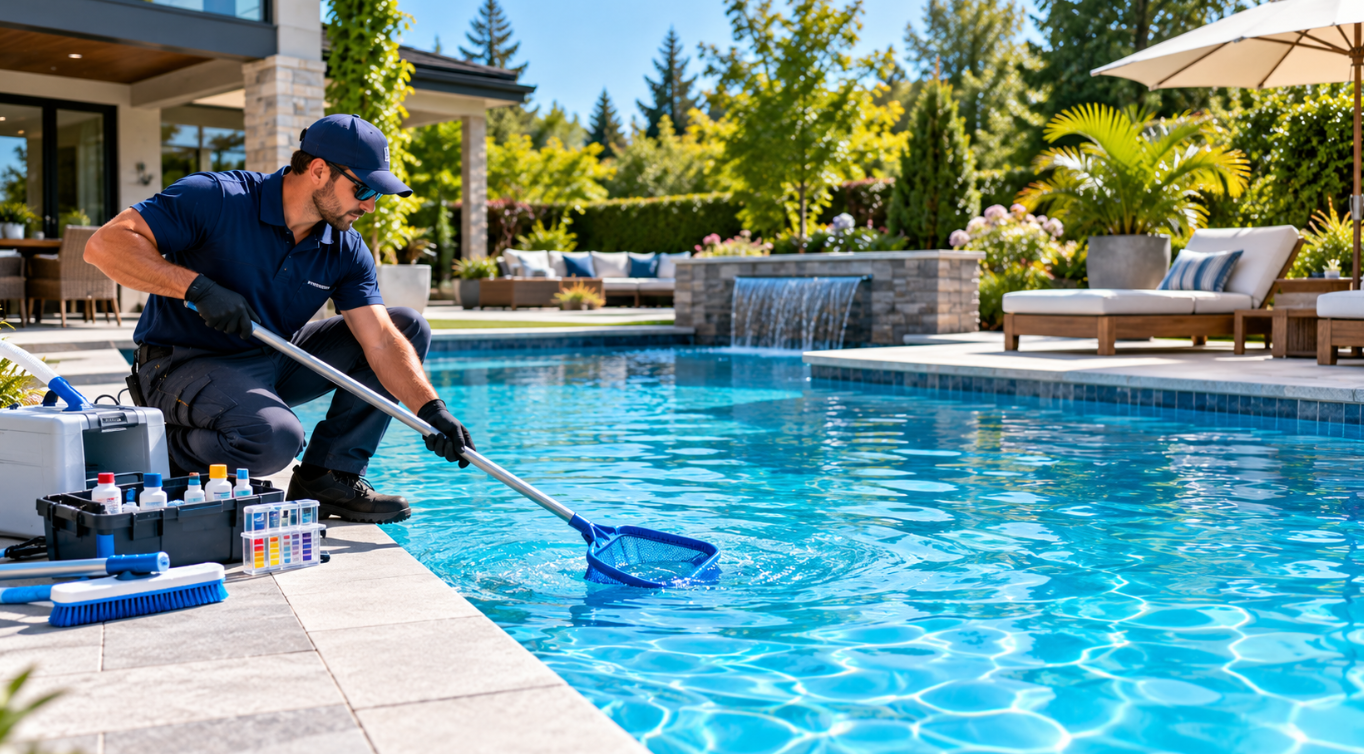
A swimming pool is more than a place to relax, exercise, or spend time with family and guests. It is a complete system made up of pumps, filters, plumbing, surfaces, drains, lighting, covers, and other equipment that must work together to provide a clean, comfortable, and functional swimming environment. Over time, regular use, weather exposure, water chemistry, equipment wear, and general aging can affect different parts of the pool. When these issues are overlooked, a minor concern can eventually develop into a larger and more expensive problem. Professional maintenance and timely repairs can help property owners protect their investment while keeping the pool operating properly throughout the swimming season. A comprehensive approach should include routine cleaning, water testing, equipment inspections, preventive maintenance, and professional attention whenever something begins to perform differently. By treating pool care as an ongoing responsibility rather than an occasional task, owners can improve reliability, extend the useful life of equipment, and reduce the likelihood of unexpected disruptions.
Understanding the Importance of Regular Pool Maintenance
Regular pool maintenance provides the foundation for dependable performance and long-term care. A swimming pool is constantly exposed to water, chemicals, outdoor debris, temperature changes, and repeated use, so different components naturally require attention over time. Routine maintenance helps keep the water clean while also giving property owners and professionals an opportunity to observe changes in equipment and surfaces. Pump performance, filter pressure, water circulation, chemical levels, drains, skimmers, pool surfaces, and other components can all provide important information about the overall condition of the system. When these areas are monitored consistently, developing problems may be identified before they interfere with normal operation. Regular care can also make it easier to maintain balanced water chemistry, reduce unnecessary strain on equipment, and keep the swimming environment more pleasant for users. Professional maintenance is especially valuable for property owners who do not have the time, equipment, or experience to monitor every aspect of their pool on a consistent basis.
Recognizing Signs That a Pool Needs Attention
Many pool problems develop gradually rather than appearing without warning, which makes it important to recognize changes in performance. Unusual sounds from a pump, reduced water flow, cloudy water, recurring chemical imbalance, visible cracks, damaged tiles, leaks, or unusual pressure readings can all indicate that something needs to be investigated. In some situations, the visible symptom may not identify the actual source of the problem. For example, poor water quality can sometimes be connected to circulation or filtration problems rather than simply incorrect chemical levels. Similarly, unusual pump behavior may be related to a mechanical component, blockage, plumbing issue, or another part of the circulation system. Ignoring these signs can allow the underlying issue to continue developing and may place additional stress on connected equipment. A professional inspection can help determine what is actually happening and whether a specific component needs adjustment, repair, replacement, or further evaluation. Early attention is generally useful because it provides more opportunities to address problems before they become disruptive.
Protecting Pool Equipment Through Preventive Care
Pool equipment performs essential functions every time the system operates, making preventive care an important part of long-term maintenance. Pumps circulate water through the system, filters remove unwanted particles, and plumbing allows water to move between the pool and equipment. When these components are not operating properly, the effects can extend beyond the equipment itself. Poor circulation may affect water quality, filtration, chemical distribution, and overall cleanliness, while an overloaded or malfunctioning component may experience additional wear. Regular inspection and maintenance can help identify worn parts, unusual sounds, pressure changes, leaks, or other signs that equipment performance is changing. Professional technicians can evaluate these symptoms and determine the most appropriate course of action based on the condition of the equipment. Preventive maintenance is particularly useful because it allows potential problems to be addressed during scheduled service rather than waiting for a complete failure at an inconvenient time. Maintaining equipment properly can also contribute to more consistent pool operation and help property owners plan for future replacements when components eventually reach the end of their useful life.
Addressing Pump and Filtration Problems
The pump and filtration system are among the most important parts of a swimming pool because they help maintain water movement and cleanliness. A pump that is struggling to operate, making unusual noises, losing pressure, or failing to circulate water properly should be inspected instead of being allowed to continue operating without attention. Filtration problems can create similar concerns, particularly when water becomes cloudy or debris remains in the pool despite normal cleaning. In some cases, the issue may be caused by a blockage or maintenance requirement, while other situations may involve damaged or worn equipment. Correct diagnosis is important because repeatedly treating the symptoms without identifying the source may not provide a lasting solution. Professional technicians can evaluate the pump, filter, connections, and circulation system to determine what needs to be done. Triad Pool Management provides pump repair and maintenance services as part of its broader pool management offerings, allowing equipment concerns to be addressed alongside other important maintenance responsibilities. A properly maintained circulation system can make water treatment more effective and contribute to the overall reliability of the swimming pool.
Managing Leaks and Unusual Water Loss
Water loss is another issue that property owners should monitor carefully. Some water naturally disappears because of evaporation, splashing, and normal pool use, particularly during periods of warm weather. However, unusual or persistent water loss may indicate a leak somewhere within the pool structure, plumbing, equipment, or connected components. Adding water repeatedly may temporarily restore the desired water level, but it does not resolve the underlying cause. A leak can continue to waste water and may potentially affect surrounding areas if it remains undetected for an extended period. Professional inspection can help determine whether water loss is related to normal conditions or whether further investigation is necessary. Depending on the location and severity of the issue, the appropriate solution may involve repairing a fitting, replacing a damaged component, addressing plumbing, or correcting another source of water loss. Responding to unusual water levels early can help property owners avoid unnecessary water consumption and prevent a relatively manageable issue from developing into a more complicated repair.
Maintaining Pool Surfaces and Interior Features
The condition of the pool surface has a major effect on both appearance and usability. Plaster, tile, coping, finishes, steps, and other interior features can experience wear due to continuous exposure to water, chemicals, weather conditions, and regular use. Small cracks, loose tiles, rough areas, discoloration, or deteriorating finishes should be monitored because they can become more noticeable or difficult to address over time. Surface problems may also affect cleaning because damaged or uneven areas can collect debris and make routine maintenance more challenging. Professional evaluation can help determine whether a localized repair is appropriate or whether the pool would benefit from a more extensive renovation. Triad Pool Management offers repair and renovation services that can address different types of pool concerns, including tile repairs, leaks, equipment issues, resurfacing, lighting improvements, and filtration updates. Taking care of surfaces as part of a broader maintenance strategy can help preserve the appearance and functionality of the pool while providing an opportunity to address other developing concerns at the same time.
The Relationship Between Water Chemistry and Equipment
Water chemistry is closely connected to the condition of pool equipment and surfaces, which means chemical maintenance should not be treated as a separate concern. Water that is not properly balanced can contribute to problems involving surfaces, equipment, and overall swimming conditions. Regular testing allows professionals to monitor important water conditions and make appropriate adjustments when necessary. Balanced water also supports effective sanitation and helps maintain a cleaner swimming environment. However, chemical treatment alone cannot compensate for mechanical or structural problems. If a pump is not circulating water properly or a filter is not functioning correctly, repeatedly adjusting chemicals may not solve the underlying issue. This is why professional pool management often combines water chemistry services with equipment maintenance, cleaning, inspections, and repairs. Looking at the pool as one connected system makes it easier to understand why a change in one area may affect another. Consistent water management can therefore complement mechanical maintenance and contribute to the long-term condition of the entire pool.
Preparing a Pool for Seasonal Use
Seasonal preparation is another important part of responsible pool management. Before a pool begins receiving regular use, equipment should be inspected, water conditions should be evaluated, and the circulation and filtration systems should be checked to ensure they are ready for operation. Opening a pool after a period of inactivity can reveal problems that were not obvious during the previous season, making a professional inspection particularly valuable. Issues involving pumps, filters, plumbing, covers, surfaces, or water chemistry can be addressed before regular swimming begins. Triad Pool Management provides pool opening services designed to prepare pools for seasonal operation while helping property owners manage the transition into the swimming season. Proper preparation can make the opening process more organized and provide an opportunity to identify maintenance requirements before the pool becomes heavily used. Seasonal service should not be viewed simply as preparing the water for swimming; it should also include attention to the equipment and systems responsible for keeping the pool clean and functional.
Proper Pool Closing and Winter Preparation
Closing a swimming pool properly is just as important as opening it correctly. When a pool is going to remain unused for an extended period, equipment, water, surfaces, and other components need to be prepared for the off-season. Proper closing procedures can help protect the system from unnecessary exposure and reduce the likelihood of problems when the pool is reopened. Depending on the pool and its equipment, professional closing services may include cleaning, water balancing, equipment preparation, winterization, cover installation, and other necessary steps. Completing these tasks correctly can provide greater protection during the inactive period and make the next seasonal opening more manageable. Professional seasonal services are particularly helpful for owners who want to ensure that important steps are not overlooked. A carefully prepared pool is easier to monitor and maintain, and the information gathered during closing can also help identify repairs or improvements that should be considered before the next season.
Residential Pool Care and Repair Needs
Residential pools require regular attention because they are often used by families, friends, and guests throughout the swimming season. Homeowners may encounter a variety of maintenance concerns, including equipment noise, reduced circulation, water-quality changes, damaged surfaces, leaks, or aging components. Because many residential pool owners do not work with pool equipment every day, it can be difficult to determine whether a particular symptom is minor or requires professional attention. Working with an experienced pool management provider can help homeowners establish a consistent maintenance routine while providing access to professional assistance when problems develop. Regular service can include cleaning, chemical management, equipment checks, seasonal opening and closing, and repairs when necessary. For homeowners, this approach can reduce the burden of handling every maintenance task independently and can provide greater confidence that important components are being monitored. Professional service can also help maintain the appearance of the pool while supporting its long-term functionality.
Commercial Pool Maintenance and Repairs
Commercial swimming pools often have more demanding maintenance requirements because they may be used by a larger number of people and may need to remain available for longer periods. Hotels, fitness facilities, community properties, recreational facilities, and other commercial locations require dependable pool systems and consistent maintenance procedures. Equipment problems or water-quality concerns can create operational challenges when they are not addressed quickly, which makes preventive care especially important. Commercial pool management may involve routine cleaning, chemical maintenance, equipment inspections, pump care, repairs, seasonal opening and closing, safety considerations, and renovation work. Triad Pool Management offers commercial pool services that include maintenance, repairs, renovations, cleaning, chemical management, seasonal services, and other pool-related responsibilities. A structured service plan allows facility managers to monitor the condition of their pool and address concerns before they create unnecessary interruptions. For commercial properties, professional pool management can therefore support both day-to-day operation and longer-term planning for equipment replacement, renovation, and maintenance.
Choosing Professional Service for Ongoing Pool Care
Selecting the right service provider is an important part of maintaining a swimming pool over the long term. Property owners should look for a company that understands both routine maintenance and the technical aspects of pool equipment and repairs. Experience with pumps, filters, water chemistry, surfaces, plumbing, seasonal services, and renovations can provide a more complete approach than focusing on cleaning alone. Clear communication is also important because owners should understand what has been inspected, what problems have been identified, and what work is recommended. A professional provider can help establish a maintenance schedule based on the pool’s condition, usage, equipment, and seasonal requirements. This makes it easier to organize routine service while allowing developing problems to be addressed before they become more disruptive. When property owners need dependable pool repair services, choosing a provider capable of combining repairs with comprehensive maintenance can help create a more consistent approach to pool care.
Why Preventive Maintenance Can Save Time and Cost
Preventive maintenance is valuable because it focuses on identifying and addressing developing problems before they become major failures. Regular inspections can reveal changes in equipment performance, water circulation, surface condition, and other areas that may not be obvious during normal pool use. A small component replacement or adjustment may sometimes prevent a larger equipment failure, while early attention to a leak or surface concern can help reduce the scope of future work. Preventive care can also make maintenance more predictable because repairs can be planned around the property’s schedule rather than being handled only when an unexpected failure occurs. Although maintenance cannot prevent every possible problem, consistent professional attention can provide better visibility into the condition of the pool and its equipment. Property owners can use inspection and service records to understand recurring concerns, plan improvements, and make informed decisions about future repairs or renovations. This long-term approach can help protect the value of the pool while supporting reliable operation throughout its useful life.
Building a Long-Term Pool Care Strategy
A successful swimming pool maintenance strategy should combine daily or routine care with professional inspections and timely repairs. Cleaning keeps the pool environment presentable, water testing supports proper chemical conditions, equipment maintenance helps maintain circulation, and professional inspections provide an opportunity to identify developing problems. Seasonal opening and closing services add another layer of protection by preparing the system for periods of active use and inactivity. When these services are coordinated, property owners can develop a more organized approach to maintaining the pool rather than responding to problems individually. A long-term strategy should also consider the age of equipment, frequency of use, condition of surfaces, seasonal requirements, and future renovation needs. Keeping records of maintenance and repairs can make it easier to identify recurring issues and understand how the pool has been cared for over time. For both residential and commercial properties, consistent professional care can support better planning and reduce the likelihood of unexpected maintenance challenges.
Conclusion
A swimming pool requires ongoing attention to remain clean, functional, comfortable, and dependable. Routine cleaning and water chemistry are important, but they are only part of responsible pool ownership. Pumps, filters, plumbing, surfaces, lighting, covers, and other components also need regular inspection and maintenance to ensure that the entire system continues to operate properly. Recognizing warning signs early, responding to leaks and equipment problems, maintaining balanced water, and scheduling seasonal services can all contribute to better long-term performance.
Professional service can make pool care more manageable by bringing routine maintenance, equipment attention, seasonal preparation, repairs, and renovation services together under a coordinated plan. Whether a property has a residential swimming pool or a larger commercial facility, a proactive approach can help protect the investment and provide a better swimming environment for users. When problems do occur, timely pool repair can help restore normal operation while reducing the possibility of additional damage caused by prolonged neglect. With consistent professional maintenance, careful equipment monitoring, and appropriate repairs, property owners can keep their swimming pools in better condition and enjoy reliable performance for years to come.
