
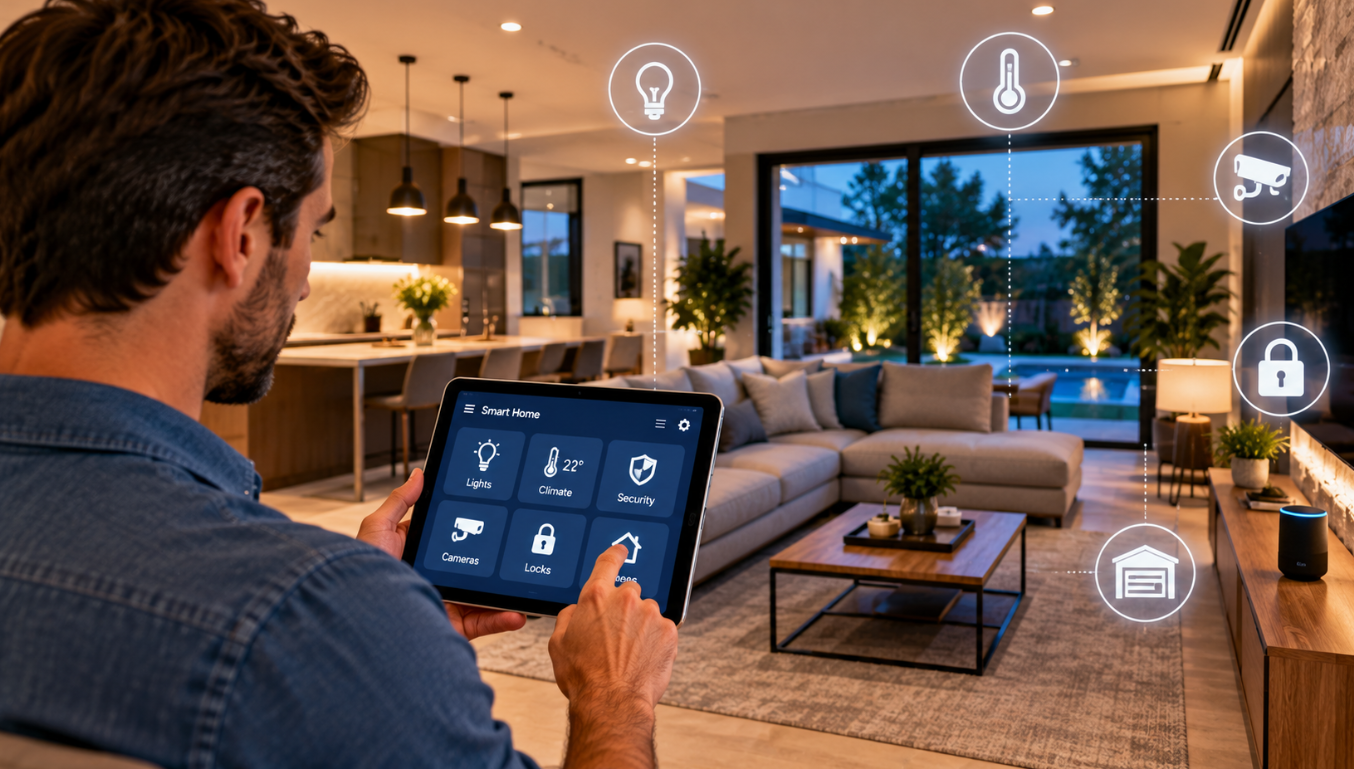
Technology has become an increasingly important part of modern residential life, and smart home systems are changing the way homeowners interact with their properties. Devices that once operated independently can now be connected through reliable networks and centralized controls, allowing people to manage lighting, climate, entertainment, security, access, and other household functions more conveniently. However, creating an effective smart environment involves more than purchasing individual connected devices. The technology needs to be selected according to the property, installed correctly, configured properly, and supported by dependable networking infrastructure. A professional home automation company can help homeowners develop an organized system that connects different technologies while keeping everyday operation simple, reliable, and practical. With proper planning, smart technology can become an integrated part of the home rather than a collection of unrelated devices that require separate controls and applications.
Creating a Connected Home Environment
Home automation is designed to make different household systems easier to manage by allowing them to communicate through an integrated technology environment. Depending on the requirements of a property, automation can include smart lighting, climate controls, audio and entertainment systems, security devices, smart locks, sensors, and other connected equipment. Instead of requiring homeowners to operate each system individually, properly integrated technology can provide centralized or coordinated control. This can be especially helpful for households where multiple people use different areas of the property or where daily routines involve several repeated tasks. For example, lighting settings can be organized around different activities, climate controls can be adjusted according to schedules, and security equipment can be monitored through connected interfaces. The objective is not simply to install as many smart devices as possible but to create a system that provides practical benefits and remains easy to use as household needs develop over time.
Building a Reliable Network Foundation
A dependable network is one of the most important elements of a connected home because smart devices rely on communication between equipment, applications, and network infrastructure. As the number of connected devices increases, an ordinary wireless setup may not always provide the coverage, capacity, or reliability required throughout the property. Residential networking should therefore be considered during the planning stage of an automation project. Factors such as the size and layout of the home, number of connected devices, wall construction, multiple floors, outdoor areas, and expected internet usage can all influence network requirements. Professional network planning can help determine where access points, routers, switches, and other equipment should be located to provide consistent connectivity. A properly designed network can also make it easier to expand the system later when homeowners add security cameras, smart appliances, entertainment equipment, additional access points, or other connected technologies.
Improving Home Security With Smart Technology
Security is one of the most practical areas where connected technology can provide additional convenience and awareness. Modern residential security systems can incorporate cameras, sensors, smart locks, monitoring technology, and other connected components that allow homeowners to keep track of important areas of their property. When security equipment is integrated into a broader technology system, users can often manage multiple functions through coordinated controls rather than relying on completely separate systems. Cameras can provide visibility around entry points and other areas, while sensors can help identify activity that requires attention. Smart access solutions can also provide more controlled entry management, depending on the needs of the property. Professional planning is particularly important for security technology because equipment placement, network reliability, configuration, and system integration can all affect performance. Bandera Networks provides home security solutions involving cameras, sensors, monitoring, and smart integrations as part of its broader technology services.
Making Lighting Easier to Control
Smart lighting can make everyday routines more convenient while giving homeowners greater control over different areas of their property. Instead of manually switching individual lights throughout the day, homeowners can organize lighting according to rooms, zones, schedules, or specific activities. A connected lighting system can be configured to support different routines, such as creating brighter settings for working, softer lighting for evening relaxation, or scheduled operation for frequently used areas. Lighting can also be incorporated into broader automation routines when compatible systems are used. This approach can make the home feel more responsive without requiring constant manual adjustments. Professional installation is useful when lighting automation involves multiple rooms or is being connected with security, networking, and other smart technologies because proper configuration can help prevent compatibility problems and ensure that controls remain straightforward for everyone in the household.
Managing Climate and Indoor Comfort
Connected climate controls provide another opportunity to simplify household routines. Smart thermostats and related technologies can allow homeowners to manage temperature settings according to schedules, occupancy patterns, and changing preferences. Rather than repeatedly making manual adjustments, users can establish settings that correspond with normal daily activities and make changes when their schedules differ. This can be particularly useful for households where people leave and return at different times or where certain rooms require different levels of comfort. However, automation should be considered a control solution rather than a replacement for proper HVAC maintenance. Heating and cooling equipment still requires appropriate inspection, servicing, and repair when necessary. When reliable equipment is combined with properly configured smart controls and a dependable network, homeowners can gain more convenient management of their indoor environment while maintaining practical control over their systems.
Enhancing Entertainment and Audio Systems
Entertainment technology can also become part of an integrated smart home environment. Televisions, audio equipment, streaming devices, speakers, and other connected systems can be organized so that homeowners have simpler control over the technology they use regularly. Instead of relying on numerous remotes or separate applications, an integrated setup can make it easier to manage entertainment in different areas of the home. Multi-room audio is one example where network infrastructure and automation can work together to provide a coordinated experience throughout a property. Entertainment equipment can also place significant demands on the residential network, particularly when several users are streaming content, gaming, or using other high-bandwidth services simultaneously. For this reason, networking should be planned alongside entertainment technology rather than treated as an afterthought. A professional installation can account for equipment locations, wired connections, wireless coverage, and future additions to help create a more dependable entertainment environment.
Using Smart Access Control
Access control technology can provide convenient ways to manage entry into homes, apartments, and other properties. Depending on the requirements, systems may include smart locks, controlled entry points, credentials, electronic access devices, and other technologies designed to regulate who can enter specific areas. These systems can be particularly useful for properties where access needs to be managed by more than one person or where traditional keys may not provide the desired level of control. Smart access technology can also be integrated with security and networking systems to create a more coordinated property environment. For multifamily communities and managed properties, access control can support broader technology infrastructure involving residents, staff, shared spaces, and property management requirements. Professional design is important because access systems need to be configured according to the property’s layout and the people who will use them.
The Role of Structured Cabling
Wireless connectivity is convenient, but structured cabling remains an important part of many modern technology installations. Wired connections can provide dependable communication for networking equipment, access points, security devices, entertainment systems, and other infrastructure. Properly installed cabling can also make future maintenance and upgrades easier because equipment can be connected through an organized and documented infrastructure. Structured cabling is particularly valuable during new construction or major renovations because wiring can be installed before walls and ceilings are completed. Planning these connections in advance can reduce the need for disruptive work later. Bandera Networks includes structured cabling among its services, helping properties establish the physical infrastructure required to support reliable connectivity and future technology expansion.
Supporting Different Types of Properties
Smart technology can be adapted to many different property types and does not have to be limited to large or newly constructed homes. Smaller residential properties may benefit from reliable Wi-Fi, smart lighting, security cameras, access control, and climate automation, while larger homes may require more extensive networking, entertainment, security, and structured cabling solutions. Multifamily properties can also benefit from connected technology that supports individual units as well as shared spaces. Smart apartment solutions can help property owners and managers organize connectivity, access, security, and other technology requirements across multiple residences. Commercial properties may have additional needs involving business Wi-Fi, surveillance, access control, and structured cabling. Because every property has a different layout and purpose, the technology solution should be based on actual requirements instead of applying the same configuration to every building.
Choosing Technology Based on Practical Needs
The most effective automation projects usually begin by identifying what the homeowner or property manager actually wants the system to accomplish. Instead of selecting devices based only on popularity or appearance, it is useful to consider which household tasks are repetitive, which areas require improved connectivity, where security is most important, and what types of technology may be added in the future. Compatibility should also be considered because systems from different manufacturers may not always communicate effectively. Selecting technologies that can work together can reduce complexity and make everyday operation more convenient. A professional home automation company can assess the property and help determine how networking, security, access control, lighting, climate, entertainment, and other technologies can be coordinated. This type of planning can also help prevent homeowners from investing in devices that later prove difficult to integrate with the rest of their system.
Why Professional Installation Is Important
Simple smart devices can often be installed by homeowners, but larger automation projects may involve several connected systems that require more careful planning. Professional installation can help ensure that networking equipment, smart devices, security systems, access controls, and structured cabling are installed in appropriate locations and configured correctly. A professional team can also test the completed system to identify connectivity problems, configuration issues, or compatibility concerns before the technology is put into regular use. This is particularly important when smart technology is connected to security or access systems because reliability is essential for those applications. Professional installation can also make future troubleshooting easier because the infrastructure is organized and documented. Rather than dealing with multiple disconnected systems from different providers, homeowners can benefit from having a coordinated technology solution supported by professionals who understand how the components interact.
Preparing for Future Technology
Technology continues to change, so a smart home should ideally be designed with future expansion in mind. Homeowners may begin with basic networking and lighting automation and later decide to add security cameras, smart locks, entertainment systems, climate controls, or additional connected devices. A network and cabling infrastructure designed with reasonable capacity can make these additions easier. Future planning does not require predicting exactly which products will be purchased years from now. Instead, it involves creating an adaptable foundation with appropriate wiring, network capacity, equipment placement, and organized infrastructure. This approach can help reduce the need for major changes whenever new technology is introduced. It also allows homeowners to improve their systems gradually according to their changing needs and budget rather than replacing everything at once.
Maintaining Connected Home Systems
Smart technology requires ongoing attention just like other important systems within a property. Devices may need software updates, network equipment may eventually require replacement, and new connected products can change the demands placed on an existing infrastructure. Regularly reviewing the system can help homeowners identify outdated equipment, connectivity problems, or security concerns before they become larger issues. It can also be helpful to maintain records of installed devices, network equipment, warranties, configurations, and important system information. Proper documentation can simplify troubleshooting and make future upgrades more organized. As household routines change, homeowners should also consider whether their automation system still reflects how the property is being used. A system designed for an earlier lifestyle may need adjustments after renovations, changes in occupancy, the addition of a home office, or expansion of entertainment and security equipment.
Creating a More Efficient Technology Experience
The real value of automation comes from how effectively it solves everyday problems. Technology should make household functions easier to manage rather than creating additional complexity. When networking, security, lighting, climate control, entertainment, access control, and other systems are carefully planned, homeowners can interact with their property through a more organized technology environment. The quality of the underlying infrastructure is especially important because even sophisticated smart devices can become frustrating when connectivity is inconsistent or systems are difficult to control. Professional design, installation, configuration, testing, and ongoing support can help create a system that performs consistently and remains practical as technology changes. A connected home should ultimately reflect the needs of the people using it rather than forcing homeowners to adapt their routines around complicated technology.
Conclusion
Smart home technology can provide meaningful improvements in convenience, connectivity, security, comfort, and everyday control when it is planned as a complete system. Reliable networking, structured cabling, smart security, access control, lighting automation, climate management, and entertainment technology can work together to create a more connected property, but successful integration requires careful planning and professional installation. Bandera Networks offers services covering home automation, residential networking, home security, access control, structured cabling, business Wi-Fi, commercial security, and smart apartment solutions, providing a broad technology foundation for different property requirements. A home automation company can help homeowners move beyond individual smart devices by developing a coordinated system that supports current needs while allowing room for future improvements. With the right infrastructure, thoughtful design, and ongoing maintenance, smart technology can remain useful, reliable, and adaptable for years to come.
