
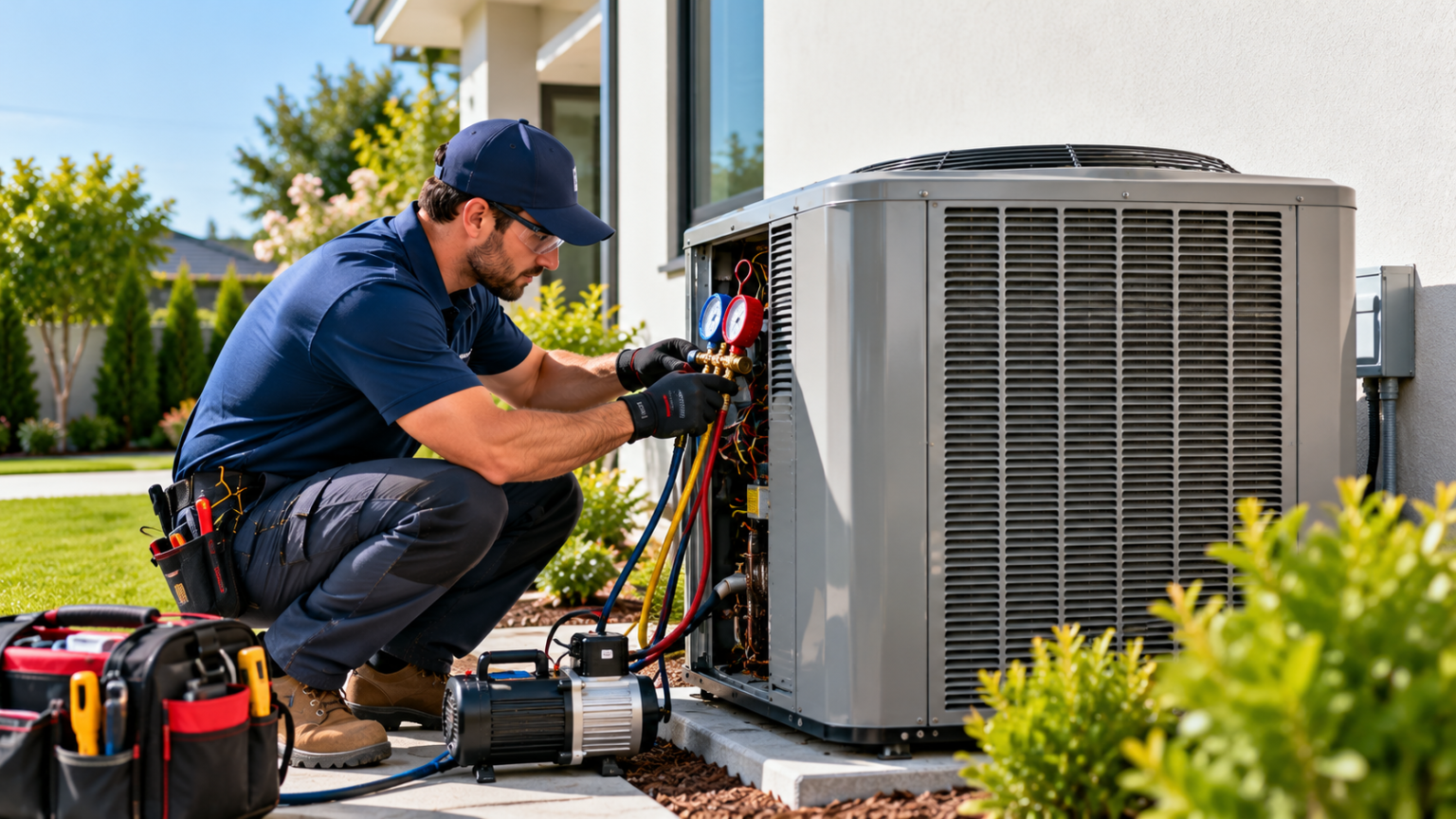
A properly functioning air conditioning system does much more than provide cool air when temperatures rise. It contributes to indoor comfort, supports consistent airflow, helps manage humidity, and allows occupants to maintain a pleasant environment throughout the cooling season. Like other mechanical equipment, an air conditioner experiences normal wear as it operates, and even a well-maintained system can eventually develop problems involving electrical components, airflow, refrigerant performance, drainage, motors, coils, thermostats, or other parts. Understanding how the system works and recognizing changes in its performance can help property owners respond to problems before they become more disruptive. Regular maintenance, professional inspections, timely repairs, and appropriate equipment replacement decisions can all contribute to dependable cooling performance. Taking a proactive approach also allows homeowners to understand the condition of their equipment and plan future HVAC needs instead of waiting until a complete system failure creates an urgent situation.
Understanding the Main Components of an Air Conditioning System
An air conditioning system relies on several interconnected components to remove heat from an indoor environment and release it outdoors. The indoor section typically contains the evaporator coil and blower, while the outdoor equipment includes components such as the compressor, condenser coil, and outdoor fan. Refrigerant moves through the system to transfer heat, while the thermostat communicates temperature requirements to the equipment. Filters help control airborne particles and protect internal components from excessive dust accumulation, while ductwork distributes conditioned air throughout the property. Drainage components remove moisture created during the cooling process. Because these elements operate as a connected system, a problem with one component can affect the performance of others. For example, restricted airflow may cause the system to operate longer, while a malfunctioning electrical component can prevent a fan or compressor from operating correctly. Understanding this relationship is important because visible symptoms do not always identify the actual source of a cooling problem.
Recognizing Changes in Cooling Performance
One of the earliest indications that an air conditioner may require professional attention is a noticeable change in its ability to maintain comfortable indoor temperatures. A system that previously cooled the property efficiently may begin running for longer periods without reaching the thermostat setting, or certain rooms may start feeling warmer than others. In some situations, the air coming from the vents may feel less cool than expected, while in other cases the system may shut down and restart more frequently than normal. These symptoms can have several potential causes, including restricted airflow, dirty components, thermostat problems, electrical issues, refrigerant concerns, or equipment that is approaching the end of its service life. Rather than assuming that one specific component is responsible, homeowners should consider these changes as signs that the system may benefit from professional evaluation. A technician can test the equipment and determine whether the issue is minor, requires a specific repair, or indicates a broader system concern.Unusual sounds are another important warning sign that should not be ignored. Air conditioners naturally make some operating noise as fans, motors, compressors, and airflow systems function, but a new or significantly louder sound can indicate a developing issue. Rattling may be associated with a loose component, while squealing or grinding can indicate mechanical wear. Buzzing, clicking, or repeated electrical sounds may point toward problems with controls or electrical components. Homeowners do not need to determine the technical cause of every sound, but they should pay attention to changes from normal operation. If unusual noises are accompanied by poor cooling, frequent cycling, burning odors, or complete shutdowns, professional service becomes especially important because continued operation could potentially worsen an existing mechanical or electrical problem.
Maintaining Proper Airflow Throughout the Property
Airflow is one of the most important factors affecting air conditioner performance because the system needs consistent air movement to transfer heat effectively. When airflow is restricted, the equipment may need to operate longer to achieve the desired indoor temperature, which can affect comfort and system performance. A dirty filter is one common cause, but airflow problems can also be associated with blocked vents, restricted return air, blower issues, dirty coils, ductwork concerns, or other HVAC conditions. Homeowners can support proper airflow by inspecting filters regularly, keeping supply registers open, and avoiding furniture or household items that block return vents. These simple measures can help the system circulate conditioned air more effectively and may also make it easier to identify when a more serious airflow issue is developing.Uneven temperatures between rooms can sometimes indicate that air is not being distributed properly. A bedroom may remain warm while nearby areas are comfortable, or certain parts of the property may receive noticeably stronger airflow than others. While differences in sunlight, insulation, room size, and occupancy can influence temperature, persistent uneven cooling may justify an HVAC assessment. A professional can examine airflow patterns and determine whether the issue is related to ductwork, equipment performance, thermostat placement, or another factor. Addressing airflow concerns can improve overall comfort while also helping the air conditioning system operate under more appropriate conditions.
The Importance of Regular Preventive Maintenance
Preventive HVAC maintenance provides an opportunity to evaluate the condition of an air conditioning system before a serious breakdown occurs. During professional maintenance, technicians can inspect important components, evaluate system operation, examine electrical connections, check airflow, inspect coils, review drainage, and look for signs of wear. Maintenance can also identify smaller concerns that may not yet have created an obvious comfort problem. A worn electrical component, developing drainage issue, restricted airflow condition, or dirty internal part may be easier to address before it contributes to a larger failure. Regular service also provides homeowners with information about how their equipment is performing and whether certain components may require attention in the future.A maintenance history can be particularly useful for older equipment or systems that have experienced previous repairs. Keeping records of inspections, replaced components, service dates, and recurring issues can provide technicians with useful background information. Instead of starting from the beginning every time a problem develops, the service provider can review the system’s history and determine whether a current symptom may be connected to an earlier concern. Consistent maintenance also gives homeowners an opportunity to ask questions about system efficiency, expected service needs, replacement planning, and ways to support reliable operation.
Safe Maintenance Steps Homeowners Can Take
Homeowners can perform several basic maintenance tasks without attempting complex mechanical work. Checking the air filter regularly is one of the most important because a heavily clogged filter can restrict airflow and place unnecessary strain on the system. Filters should be replaced or cleaned according to their type and the manufacturer’s recommendations. Supply vents and return registers should also remain free from furniture, curtains, boxes, and other objects that can interfere with circulation. The outdoor unit should have sufficient space around it so that air can move through the equipment without unnecessary obstruction. Leaves, grass, branches, and other debris can accumulate around outdoor equipment, so maintaining a reasonably clear area can support normal operation.Thermostat settings should also be monitored because incorrect settings can sometimes create the appearance of a cooling problem. Homeowners should confirm that the thermostat is operating in cooling mode and that the selected temperature is appropriate for the indoor environment. If the thermostat display is malfunctioning, does not respond correctly, or appears inconsistent with actual indoor conditions, professional evaluation may be appropriate. Homeowners should not attempt to open electrical panels, handle refrigerants, bypass safety controls, or repair specialized components without proper training. These systems involve electrical and mechanical hazards, and incorrect repairs can cause additional equipment damage or create safety risks.
Why Professional Diagnosis Is Valuable
When an air conditioner is not operating correctly, professional diagnosis is generally more useful than replacing components based solely on symptoms. HVAC technicians use measurements, inspections, and testing procedures to determine how different parts of the system are performing. A cooling problem that appears to involve one component may actually be caused by another condition elsewhere in the system. For example, reduced cooling may involve airflow, refrigerant performance, electrical controls, coil condition, or compressor operation. A professional assessment considers these possibilities rather than automatically assuming that the most visible symptom identifies the cause.Professional diagnosis is also important when a problem repeatedly returns after previous service. If a system continues losing performance after a component has been replaced, additional investigation may be necessary to determine why the problem persists. A qualified technician can examine the complete system and evaluate whether another component, installation issue, airflow condition, or maintenance concern is contributing to the recurring problem. This approach can help homeowners avoid repeated temporary fixes and focus on solutions that address the actual condition of the equipment.
Understanding When Repair Makes Sense
Not every air conditioning problem requires complete equipment replacement. Many cooling systems can continue operating effectively for years after a failed component has been repaired or replaced. The appropriate choice depends on the equipment’s age, condition, repair history, efficiency, availability of replacement components, and severity of the current problem. If a relatively newer system develops an isolated issue while the rest of the equipment remains in good condition, repairing the affected component may be a practical solution. Professional evaluation allows homeowners to understand the condition of the system before making a decision.Older systems with repeated breakdowns may require a more detailed discussion about long-term options. If major components have already been repaired several times or the equipment is experiencing declining performance across multiple areas, homeowners may compare the expected cost of continued service with the potential benefits of installing new equipment. This does not mean that every older system needs immediate replacement, but it does mean that its overall condition should be considered rather than evaluating every repair independently. A professional HVAC provider can explain the available options and help homeowners understand what each approach may involve.
Selecting Appropriate Replacement Equipment
When replacement becomes necessary, choosing suitable equipment is an important part of achieving long-term comfort. Air conditioning systems should be appropriately sized for the property rather than selected only according to the largest available capacity. Equipment that is not properly matched to the building can affect operating cycles, comfort, and overall performance. Installation quality is also important because the performance of a new system depends on correct setup, connections, airflow, controls, and compatibility with the existing HVAC infrastructure.Homeowners may also have several equipment options depending on the structure and comfort requirements of the property. Central air conditioning can be appropriate for properties with established ductwork, while ductless mini-split systems can provide targeted conditioning in spaces where conventional ducts are not practical. Heat pump systems can provide both heating and cooling, making them another option for homeowners considering year-round HVAC performance. A professional assessment can help determine which system type and configuration are appropriate for the property and how the new equipment can integrate with existing components.
Addressing Indoor Comfort as a Complete System
Cooling performance should not be considered separately from other indoor comfort factors. Airflow, humidity, filtration, insulation, ductwork, thermostat controls, and equipment condition can all affect how comfortable a property feels. If a system is running properly but certain rooms remain uncomfortable, the issue may involve air distribution or building conditions rather than simply the cooling equipment itself. Evaluating the complete system can provide a better understanding of why comfort problems occur and which improvements may be appropriate.Indoor air quality can also be part of a broader HVAC maintenance strategy. Dust, odors, excessive humidity, and inconsistent airflow can affect the overall indoor environment even when the air conditioner appears to be functioning. Proper filtration and regular equipment maintenance can support cleaner airflow, while specialized indoor air quality solutions may be appropriate for particular property needs. Addressing cooling and indoor air quality concerns together can give homeowners a more complete approach to maintaining a comfortable interior environment.
Responding to Unexpected Equipment Failures
A sudden air conditioning failure can be particularly inconvenient when the system is operating under heavy demand. If the equipment stops completely, begins producing unusual electrical odors, repeatedly trips a breaker, or develops severe mechanical noises, homeowners should avoid repeatedly restarting it. Turning the system off and arranging professional service can reduce the risk of continuing to operate equipment that may have an electrical or mechanical problem. A qualified technician can determine whether the system can be safely repaired and identify the cause of the failure.For less severe problems, timely scheduling can still be beneficial. An air conditioner that continues operating while providing reduced cooling may place additional demands on its components as it attempts to maintain the desired temperature. Delaying attention can sometimes allow a relatively manageable issue to develop further. Professional ac repair can help identify the source of cooling problems and determine whether the appropriate solution involves a component repair, maintenance service, system adjustment, or replacement evaluation. A comprehensive HVAC provider can also address related heating and cooling requirements when necessary.
Choosing a Qualified HVAC Service Provider
The quality of HVAC service can have a significant influence on the reliability of an air conditioning system. Homeowners should consider whether a service provider has experience working with different HVAC equipment, offers diagnostic and maintenance services, and can explain repair and replacement options clearly. Professional technicians have access to specialized testing equipment and are trained to work with electrical systems, refrigeration components, motors, controls, airflow systems, and other technical parts of modern HVAC equipment. This expertise can be particularly valuable when a problem has multiple symptoms or has continued despite previous service.Cardinal Heating & Air provides a range of HVAC services covering cooling, heating, maintenance, installation, heat pumps, ductless systems, indoor air quality, and emergency HVAC needs. A provider with broad service capabilities can evaluate an air conditioning concern while also considering the wider condition of the property’s HVAC system. This can be useful when homeowners are experiencing multiple comfort issues or when an older system needs an evaluation before future repair or replacement decisions are made.
Creating a Long-Term Cooling Maintenance Strategy
Long-term air conditioner reliability is easier to support when maintenance becomes part of a regular property-care routine rather than something that happens only after a breakdown. Homeowners can monitor filters, keep vents clear, maintain reasonable clearance around outdoor equipment, observe thermostat operation, and schedule professional inspections at appropriate intervals. They should also pay attention to gradual changes in performance because small changes can sometimes provide useful warning signs. Longer cooling cycles, unusual sounds, inconsistent airflow, frequent starts and stops, and unexplained changes in energy consumption can all justify closer evaluation.A proactive maintenance strategy can also help homeowners plan financially for future HVAC needs. Knowing the age and general condition of an air conditioner allows property owners to prepare for eventual replacement instead of waiting until an unexpected failure forces an immediate decision. Service records can provide useful information about recurring repairs and equipment performance, while professional inspections can help identify components that may require attention in the future. These steps allow homeowners to approach HVAC decisions with greater information and less uncertainty.
Supporting Efficient Operation Over Time
Efficient air conditioning performance depends on multiple factors working together. Clean filters, suitable airflow, properly functioning components, appropriate thermostat settings, clear outdoor equipment surroundings, and regular professional maintenance can all contribute to normal operation. However, efficiency should not be evaluated only by looking at utility costs because changes in weather, occupancy, building conditions, and usage patterns can also influence energy consumption. A professional HVAC assessment can help determine whether equipment performance is contributing to increased operating costs.When an air conditioner becomes less effective, homeowners should consider the system as a complete unit rather than immediately assuming that replacement is necessary. In some cases, a specific repair or maintenance procedure can restore performance. In other situations, aging equipment, repeated failures, or significant efficiency concerns may make replacement worth discussing. The important step is obtaining accurate information about the equipment’s condition and understanding the available options before making a decision.
Conclusion
Maintaining dependable air conditioning performance requires a combination of routine homeowner care, preventive maintenance, professional diagnosis, timely service, and informed equipment decisions. Simple steps such as replacing filters, keeping vents unobstructed, maintaining outdoor-unit clearance, and monitoring thermostat operation can support normal system performance, while specialized HVAC work should be completed by trained professionals. Paying attention to changes in cooling performance, airflow, sounds, cycling patterns, and energy use can also help property owners identify potential concerns before they become more disruptive.Professional ac repair can address a wide range of cooling concerns and help determine whether an air conditioner needs a specific component repaired, additional maintenance, or a broader evaluation. Cardinal Heating & Air also provides installation, maintenance, heating, heat pump, ductless, indoor air quality, and emergency HVAC services, allowing homeowners to address different aspects of their comfort system through professional support. With consistent maintenance and timely attention to developing problems, property owners can better protect their HVAC investment, maintain comfortable indoor conditions, and make informed decisions about repairs and future equipment needs. By treating air conditioning care as an ongoing process rather than an occasional emergency, homeowners can create a more organized approach to reliable cooling throughout the life of their system.
