
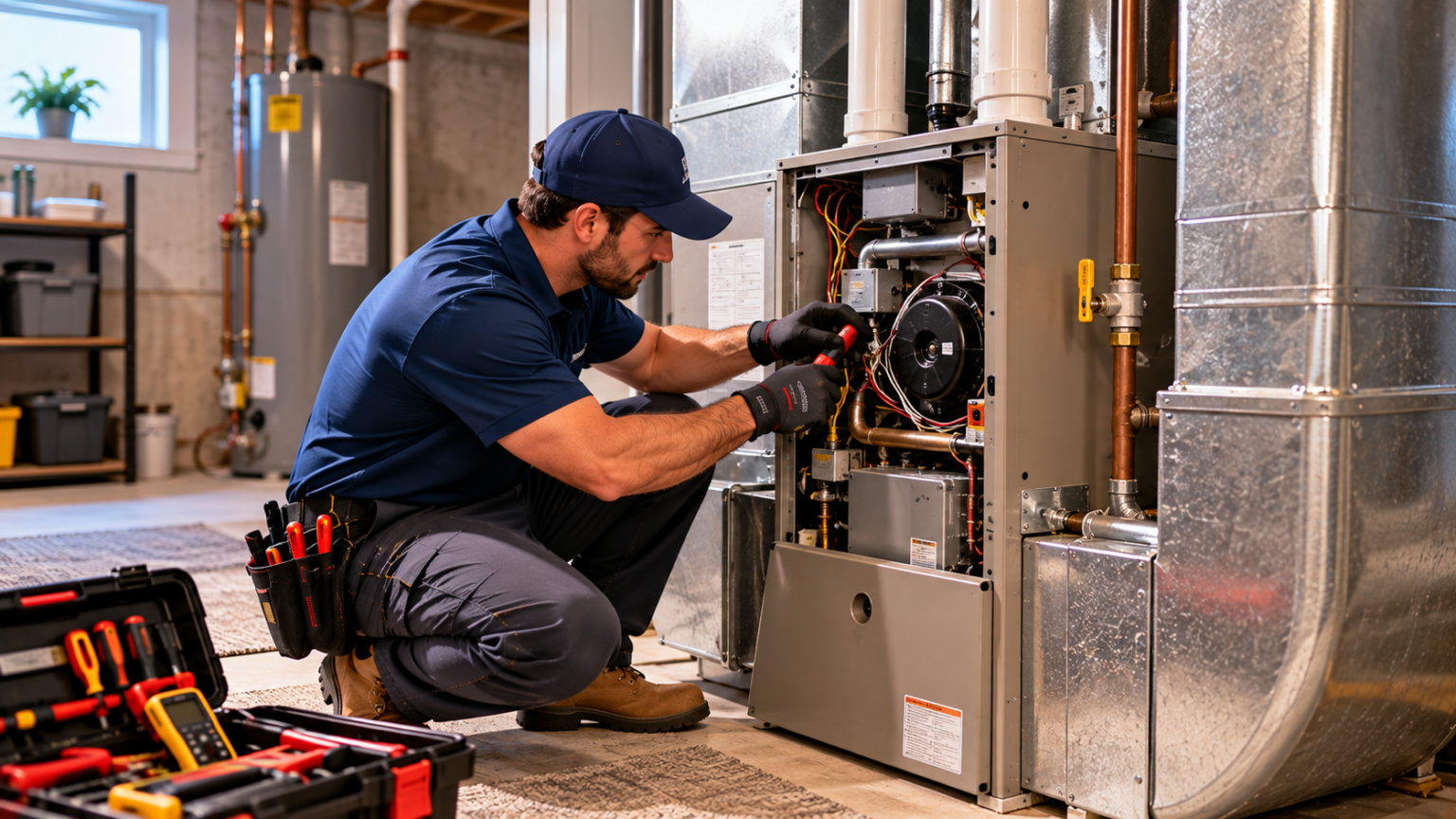
A dependable heating system plays an important role in keeping a home comfortable when temperatures begin to drop. Although modern heating equipment is designed to provide consistent performance, it still depends on regular attention, proper operation, and timely professional service. Furnaces and other heating systems contain multiple components that must work together to produce and distribute warm air effectively. Filters, thermostats, electrical connections, motors, burners, safety controls, ductwork, and airflow pathways can all influence how efficiently a system operates. When these components are neglected, small performance issues can gradually develop into larger problems that affect comfort, energy use, equipment reliability, and repair costs. Establishing a practical maintenance routine allows homeowners to monitor the condition of their heating equipment and address developing concerns before they become disruptive. Professional inspections are especially useful because many mechanical and electrical problems are not immediately visible during normal operation. A qualified HVAC technician can examine the system more thoroughly, identify unusual wear, evaluate performance, and provide recommendations based on the equipment’s actual condition. Taking this proactive approach can make heating performance more predictable while helping property owners understand what their system needs throughout its service life.
Why Regular Heating Care Matters
Heating equipment often operates for extended periods during colder weather, which means components experience repeated cycles of starting, running, stopping, and restarting. Over time, this regular operation can contribute to normal wear, especially when equipment has not received appropriate attention. Dust accumulation, restricted airflow, worn components, loose electrical connections, dirty filters, and control problems can all interfere with efficient operation. Regular heater maintenance gives homeowners an opportunity to have these areas evaluated before a small concern develops into a major breakdown. Preventive service is not simply about keeping a heater running; it is also about understanding the condition of the equipment and maintaining the supporting systems that allow it to perform properly. A professional technician can inspect important components, identify signs of deterioration, check operating conditions, and determine whether adjustments or repairs are appropriate. This type of service can be particularly valuable before the heating season begins because homeowners have time to address identified problems before the equipment is required to operate continuously. Rather than discovering an issue when the system stops working unexpectedly, property owners can use routine service as part of a broader strategy for protecting comfort and maintaining dependable HVAC performance.
The Connection Between Airflow and Heating Performance
Airflow is one of the most important factors affecting the performance of a heating system, yet it is sometimes overlooked by homeowners. A heater may be capable of producing sufficient warmth, but restricted or poorly distributed airflow can prevent that heat from reaching living spaces effectively. Dirty filters are one common source of airflow restriction, while blocked registers, closed vents, ductwork problems, and mechanical issues can create additional limitations. When a system struggles to move air, it may need to operate for longer periods to achieve the temperature selected on the thermostat. This can place additional strain on certain components and may contribute to inconsistent comfort throughout the property. Regularly checking accessible filters and keeping supply and return vents unobstructed can support normal airflow, but more complicated restrictions require professional evaluation. HVAC technicians can examine the system’s operation and determine whether airflow concerns originate from the equipment, ductwork, filtration, or another part of the heating infrastructure. Maintaining proper airflow is therefore not just a comfort consideration; it is an important part of allowing the heating system to operate under appropriate conditions. Addressing airflow concerns early can also help prevent homeowners from unnecessarily increasing thermostat settings when the real issue involves distribution or system performance.
Understanding the Importance of Professional Inspections
Homeowners can perform several simple checks around their heating systems, but professional inspections provide a much more comprehensive evaluation. Heating equipment contains components that may require specialized knowledge, tools, and safety procedures to inspect correctly. During a professional appointment, a technician can examine the overall condition of the equipment, evaluate operating performance, inspect relevant electrical and mechanical components, and look for signs of wear that may not be obvious to someone without HVAC experience. Depending on the type of system, an inspection may also involve checking burners, safety controls, motors, heat exchangers, ignition components, and other critical areas. The purpose is not necessarily to find a problem during every visit, but to establish a clear understanding of how the equipment is functioning and whether anything requires attention. Professional inspections can also help homeowners recognize patterns in system performance. If a technician notices a component beginning to deteriorate, the homeowner may have the opportunity to plan a repair rather than dealing with an unexpected failure. This forward-looking approach can make heating care more organized and can help extend the useful service life of equipment when appropriate repairs and adjustments are made at the right time.
Recognizing Early Warning Signs
Heating problems frequently provide warning signs before a complete failure occurs, so homeowners should pay attention to changes in the way their systems operate. Unusual sounds such as rattling, grinding, squealing, banging, or repeated clicking may indicate that a component needs inspection. Changes in airflow can also be important, particularly when vents that previously delivered strong airflow begin producing noticeably weaker output. Uneven indoor temperatures may suggest problems involving airflow, ductwork, thermostat operation, equipment capacity, or another part of the system. Frequent cycling is another condition worth investigating because repeated starts and stops can sometimes indicate a control, airflow, sizing, or performance concern. Homeowners may also notice that the heating system takes longer than usual to reach the desired temperature or that energy consumption appears higher without a corresponding change in usage. None of these symptoms should automatically be assumed to have one specific cause because different HVAC problems can produce similar signs. Instead, they should be treated as reasons to arrange a professional evaluation. Early diagnosis can provide more opportunities for practical solutions and may prevent a relatively manageable concern from developing into a more expensive or disruptive repair.
Preparing Equipment Before the Heating Season
Preparing a heating system before heavy seasonal use can help property owners identify potential problems when there is still time to address them. Waiting until a major cold period arrives before turning attention toward heating equipment can create unnecessary inconvenience, particularly if the system has been inactive for several months. A pre-season inspection provides an opportunity to evaluate the equipment, check operating conditions, review airflow, and identify components that may require cleaning, adjustment, or repair. Homeowners can support this process by checking accessible filters, making sure vents and registers are not covered by furniture or household items, and paying attention to unusual system behavior when the heater first begins operating regularly. However, homeowners should avoid attempting complicated electrical, mechanical, or combustion-related repairs themselves. Professional technicians have the training and equipment necessary to work safely with heating systems and can determine whether a problem requires immediate attention. Preparing in advance also allows property owners to consider longer-term decisions if their equipment is aging or experiencing repeated problems. Instead of making decisions under the pressure of an unexpected breakdown, homeowners can use professional inspection information to understand their options and plan accordingly.
How Routine Service Supports Equipment Efficiency
Heating efficiency depends on several factors working together, including equipment condition, airflow, controls, insulation, ductwork, and thermostat operation. A system with restricted airflow or deteriorating components may need to operate longer to deliver the desired indoor temperature, which can affect overall efficiency. Routine service allows technicians to evaluate these factors and identify conditions that may be preventing the equipment from operating as intended. Cleaning appropriate components, checking electrical connections, evaluating controls, inspecting mechanical parts, and replacing filters when necessary can all contribute to more reliable operation. Efficiency should not be understood simply as using the smallest possible amount of energy; the condition and performance of the complete heating system also matter. A properly maintained system can provide more consistent operation and may be less likely to experience certain preventable problems. Professional service can also help identify whether a system is reaching the point where repair or replacement should be discussed. By monitoring performance over time, homeowners can make decisions based on actual equipment condition instead of waiting until an emergency forces an immediate choice.
The Role of Timely Heating Repairs
Maintenance and repair are closely connected, but they are not the same service. Preventive care focuses on evaluating equipment, maintaining components, and identifying developing concerns, while repairs address specific problems that have already occurred. When an inspection reveals a worn motor, faulty control, electrical issue, airflow restriction, or another concern, timely repair can help restore appropriate operation before the condition becomes more severe. Delaying necessary repairs may allow additional components to experience unnecessary stress, depending on the nature of the problem. Professional diagnosis is important because simply replacing a visible or failed component does not always address the underlying cause. A qualified technician should evaluate the complete system, determine why the problem developed, and explain the available repair options. This is particularly important for older equipment where several components may have experienced wear over the years. Professional repair services can help homeowners understand whether repairing the existing system remains practical or whether long-term replacement planning should be considered. Taking action when a problem is first identified can also reduce the inconvenience associated with sudden heating failures during periods when the system is needed most.
Safety Considerations for Heating Equipment
Heating systems should always be approached with safety in mind because certain equipment includes electrical components, combustion processes, hot surfaces, moving mechanical parts, and other potentially hazardous elements. A system can appear to be operating normally while still having a component that requires professional attention, which is why routine inspections can be valuable. For combustion-based equipment, professional service may include examination of relevant components and safety controls to help identify conditions requiring attention. Homeowners should never ignore unusual odors, repeated shutdowns, strange sounds, visible damage, or other significant changes in system behavior. Carbon monoxide detection is also an important consideration in properties that use fuel-burning appliances, and appropriate detectors should be maintained according to manufacturer recommendations. Homeowners should avoid attempting complex repairs or bypassing safety controls because these actions can create additional risks and may damage the equipment. Professional HVAC technicians can diagnose problems using appropriate procedures and determine what work is necessary. Incorporating safety checks into ongoing heating care provides another reason to treat professional service as an important part of responsible property maintenance rather than something that should only be scheduled after a complete system failure.
Choosing the Right HVAC Service Provider
Selecting an HVAC provider should involve consideration of the range of services available, the quality of communication, and the provider’s ability to support heating equipment throughout its service life. A company that offers both preventive service and repair support can provide continuity when equipment develops a problem after a routine inspection. It is also helpful when technicians explain their findings clearly and provide homeowners with practical information about the condition of the system. Island Air Cooling provides heating-related services that can support different stages of HVAC ownership, including maintenance, heating repair, and installation services. Working with a professional provider can make it easier to establish a consistent service routine and address problems as they arise. Homeowners should also provide technicians with useful information about unusual noises, temperature changes, recent repairs, or other symptoms because these details can help with troubleshooting. Clear communication between the homeowner and technician can make the service process more productive and help ensure that recommendations are based on the property’s actual needs rather than assumptions.
Caring for an Aging Heating System
Older heating equipment does not necessarily need to be replaced simply because it has been operating for many years, but aging systems often benefit from closer monitoring. As equipment becomes older, individual components may experience greater wear, and homeowners may begin noticing more frequent repairs, inconsistent temperatures, unusual operating sounds, or changes in overall performance. Regular heater maintenance can provide useful information about whether an older system remains suitable for continued operation or whether replacement planning should become part of the property’s long-term HVAC strategy. Professional technicians can evaluate the current condition of the equipment and explain which components may require attention. They can also help homeowners understand whether repeated repairs are addressing isolated issues or whether the system is experiencing broader deterioration. Having this information in advance can make future planning easier. Rather than waiting for an older heater to fail unexpectedly, property owners can monitor its condition and consider replacement options when appropriate. This allows decisions to be based on equipment performance, repair history, operating needs, and household priorities rather than emergency circumstances alone.
Simple Steps Homeowners Can Take Between Appointments
Professional HVAC service is important, but homeowners can also support heating performance through simple ongoing practices. Accessible filters should be checked regularly and replaced when necessary according to the equipment manufacturer’s recommendations. Furniture, curtains, boxes, and other household objects should not block supply registers or return-air pathways. Thermostat settings should be managed consistently, and homeowners should pay attention to unusual changes in heating performance rather than ignoring them. Keeping the area around heating equipment reasonably clean and accessible can also make inspections and service easier. Homeowners should maintain records of previous inspections, repairs, replacements, and installation information because these records can provide valuable background during future service appointments. If a system begins making unusual sounds or producing inconsistent temperatures, documenting when the issue occurs can help technicians investigate it more efficiently. These simple practices do not replace professional service, but they can complement it by helping homeowners notice changes sooner and maintain better awareness of their equipment’s condition.
Creating a Long-Term Heating Maintenance Strategy
A successful heating care strategy should extend beyond a single annual appointment. Property owners can benefit from thinking about their HVAC systems as long-term investments that require regular monitoring, professional inspections, timely repairs, and eventual replacement planning. Scheduling service before periods of heavy use can provide an opportunity to identify problems early, while responding promptly to unusual performance can help prevent unnecessary escalation. Maintaining a record of service history also gives homeowners and technicians a clearer picture of how equipment has performed over time. This information can become particularly useful when evaluating older systems or deciding whether repeated repairs remain practical. A long-term approach also helps property owners budget more effectively because major equipment decisions can be anticipated rather than triggered entirely by sudden failures. Every heating system has different requirements, so service schedules and recommendations should be based on the equipment type, manufacturer guidance, operating conditions, age, and observed performance. With consistent attention and professional support, homeowners can create a more organized approach to heating care that focuses on comfort, reliability, safety, and responsible equipment management.
Conclusion
Reliable heating performance depends on more than simply turning on a thermostat when colder weather arrives. Heating systems contain numerous components that must operate together, and their condition can influence comfort, airflow, efficiency, safety, and equipment longevity. Regular inspections provide an opportunity to identify developing concerns, while timely repairs can address problems before they become more disruptive. Homeowners can also contribute by monitoring filters, keeping vents clear, observing changes in system behavior, and maintaining useful service records.Professional heater maintenance should therefore be considered an ongoing part of responsible HVAC care rather than an occasional response to equipment failure. A proactive approach gives property owners a better understanding of their heating systems and provides opportunities to address concerns while they are still manageable. Whether a system is relatively new or approaching the later stages of its service life, professional evaluation can help homeowners make informed decisions about repairs, maintenance, and future replacement. Consistent care can support dependable indoor comfort while helping property owners manage their heating equipment more confidently throughout the years.
