
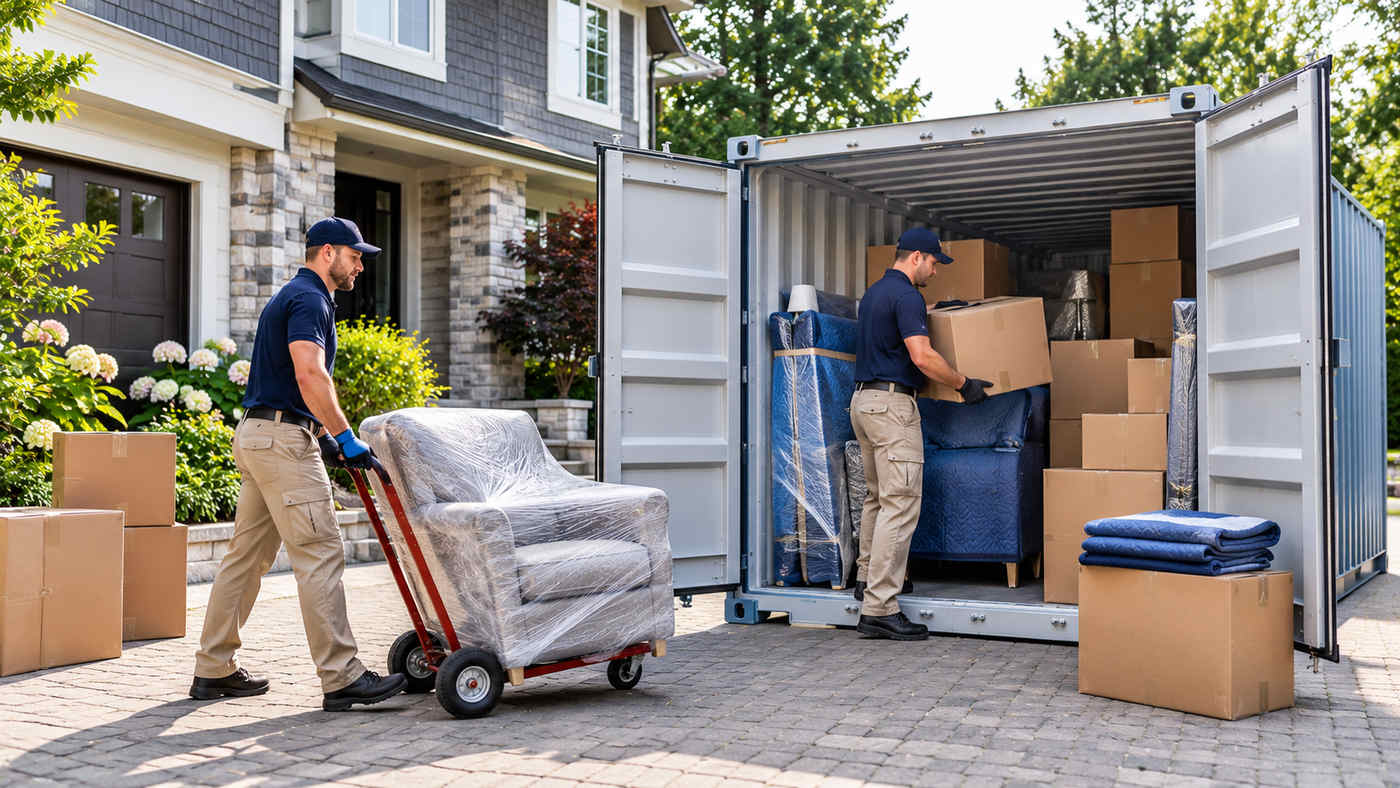
A portable on demand storage container offers a different approach to moving and storing belongings. Instead of carrying everything to a conventional storage facility in a single rushed trip, you can arrange for a container to be delivered to an approved location, load it according to your schedule, and have it collected when you are ready. Depending on the provider, it may remain at your property, travel to another address, or be kept at a storage facility. However, convenience depends on choosing a suitable size, checking delivery access, understanding the rental agreement, and protecting the contents. This guide explains the practical decisions that determine whether portable storage is the right solution and how to use it responsibly.
How Does Portable Container Storage Work?
A portable on demand storage container is a movable storage unit delivered by a specialist transport vehicle. The provider positions it in a permitted space, and the customer usually packs and loads it independently or hires separate loading assistance. After loading, the unit may stay in place for an agreed period or be collected for transportation or facility storage. Service options vary, so the route and destination should be confirmed before booking.
Compared with traditional self storage, this model can reduce the need to transport boxes repeatedly between a home and a distant building. It does not eliminate all moving work. People must still pack carefully, handle heavy objects safely, and plan for loading or unloading help when needed.
Storage at Home Versus a Storage Facility
Keeping a container at home can make it easier to reach seasonal items or move possessions gradually during a renovation. Facility storage may be more appropriate when there is no legal or practical space for a unit at the property. However, access to a container at a facility may require advance arrangements rather than unrestricted walk in visits.
Clarify the Entire Service Journey
Before arranging a portable on demand storage container, confirm whether the company provides delivery, collection, transport to a destination, facility storage, final redelivery, and removal of the empty unit. These services may be priced separately.
1. Make a Realistic Inventory Before Choosing a Size
The first step is to list what you need to store. Include the large items that consume substantial floor space, such as sofas, wardrobes, mattresses, desks, and appliances. Then estimate cartons, suitcases, sports equipment, and other smaller belongings. Photograph awkward items and record their approximate dimensions so you can discuss the load with the provider.
A portable on demand storage container should be chosen for usable interior space and permitted weight, not simply for the number of rooms mentioned in advertising.
Consider Weight as Well as Volume
Heavy books, tools, documents, and machinery can reach a container’s loading limit before its volume is full. Ask for the specific unit’s maximum permitted load and whether the quoted capacity refers to the contents or the total loaded container.
Leave Room for Necessary Access
If you intend to retrieve items while the container is at home, consider a narrow accessible route instead of filling every gap.
2. Check Delivery Access and Placement Rules
A portable on demand storage container needs more space for delivery than its footprint suggests. A truck and lifting or placement system must approach, position, and later recover the unit safely. A driveway that can accommodate a parked container may still be unsuitable for the delivery vehicle. Requirements differ by container size, equipment, and provider.
Measure the proposed position and discuss slopes, soft ground, drainage, turning room, overhead branches, wires, gates, and nearby vehicles. A hard, level surface is often preferable. Never attempt to move or level the unit yourself after it has been positioned; request guidance from the provider.
Confirm Permission Before Booking
Street placement may require approval from local authorities. Apartment buildings, managed estates, and commercial premises can impose additional restrictions on loading areas, working hours, and vehicle access. Obtain the appropriate permission before scheduling delivery, not after the driver arrives.
If the portable on demand storage container must sit near a shared entrance, check that it will not obstruct pedestrians, emergency access, or the lawful use of neighbouring property. Discuss any uncertainty with the operator and property manager.
Arrange Clear Access for Collection Too
Keep the collection route free of parked cars, construction materials, and newly installed landscaping. If a renovation changes the driveway or access route, notify the provider before pickup.
3. Compare the Full Price and Contract Conditions
The advertised monthly rental charge is only one part of the total cost. A portable on demand storage container can involve separate fees for initial delivery, collection, transportation, storage, redelivery, fuel or distance, insurance options, and optional loading services. Some businesses charge by the rental period rather than the number of days actually used.
Ask for an itemised quotation covering your full expected timeline. Compare offers using the same container size, dates, addresses, access needs, and services. A lower base rental price may not be better value if important transport stages are excluded.
Understand Timing and Extension Fees
A home renovation may take longer than expected, and a property completion date can change. Ask when each rental period begins, how extensions are requested, whether rates can change, and how much notice is required for pickup or delivery. Confirm cancellation and rescheduling arrangements in writing.
Check Payment and Protection Terms
Before reserving a portable on demand storage container, find out whether a deposit is required, whether a card is charged automatically, and what happens if the container cannot be delivered because the agreed site is inaccessible.
4. Pack Belongings for Storage Conditions, Not Just Transport
Packing a portable on demand storage container needs to account for both movement and the environment inside the unit. Select clean, sturdy boxes appropriate for the load. Use smaller cartons for books and tools so that people can lift them without excessive strain. Protect glass, ceramics, and fragile objects individually with suitable cushioning, and fill spaces that would allow items to move.
A portable on demand storage container may be used for several weeks or months, so the condition of belongings at the time of loading matters. Never pack damp fabric, wet furniture, or items showing signs of mould. Allow cleaned possessions to dry completely and inspect appliances before storage.
Protect Furniture and Sensitive Materials
Use furniture blankets and appropriate coverings to reduce rubbing and scratches. Avoid sealing moisture into upholstered pieces or wooden furniture with unsuitable wrapping. Keep original packaging for electronics when available, and follow the manufacturer’s storage recommendations for batteries, screens, and equipment exposed to temperature changes.
Keep an Inventory and Label Clearly
Number cartons and keep a separate record of their contents. Photograph fragile or valuable items before packing and note their condition.
Keep Essential Items With You
Do not place passports, medication, urgent work records, irreplaceable keepsakes, or valuables needed on short notice into a portable on demand storage container. Access can be limited once a unit is collected, and an unexpected delay could make essentials difficult to retrieve.
5. Load the Container With Stability and Safety in Mind
Loading a portable on demand storage container safely is not a race to fill empty space. Place heavier items low and distribute their weight across the floor rather than concentrating everything at one end. Build stable sections with sturdy cartons and furniture, then use approved straps or tie points to reduce movement during transport. Follow the unit’s loading instructions and weight limit.
A portable on demand storage container may travel on a truck or pass through lifting equipment. This makes restraint important even when the load appears solid while stationary. Protect furniture corners, avoid stacking fragile cartons beneath heavy ones, and keep objects from pressing against the doors.
Plan the Order of Loading
Start with large furniture that can be safely positioned, then fill suitable spaces with clearly labelled boxes. Store items needed first near the accessible end if this does not compromise safe loading. Do not climb unstable stacks or use loose furniture as a ladder to reach the top of the unit.
For especially heavy objects, use trained movers with appropriate handling equipment. A portable on demand storage container does not automatically include loading labour, and inexperienced lifting can injure people or damage the property.
Check the Doors Before Collection
Make sure doors close without pressure from shifting contents. Do not force a door shut against boxes or furniture. Inspect the load for loose objects, confirm restraints, and secure the lock according to the operator’s requirements before pickup.
6. Manage Moisture, Temperature, and Security
A storage container may be designed to resist ordinary weather, but that is not the same as guaranteeing climate control or absolute waterproofing. Temperature and humidity can change significantly depending on the location and season. A portable on demand storage container should therefore be assessed against the sensitivity of the items inside it.
Important paper collections, delicate instruments, valuable artwork, certain electronics, and some wooden furnishings may need a controlled indoor environment. Ask whether the service offers climate controlled storage and what the provider means by that description.
Reduce Avoidable Moisture Problems
Begin with completely dry belongings, monitor any visible leaks or condensation, and follow provider instructions concerning airflow and moisture control. Do not block vents designed to function during storage. If water enters the unit, document the problem promptly and contact the operator rather than waiting for damage to spread.
Use a Suitable Lock and Inspect Access
A strong, compatible padlock can deter casual interference, but no lock guarantees security. Ask about facility access controls, staff procedures, and how customers are notified of incidents. When keeping a portable on demand storage container at home, place it only where permitted and where the doors can be used safely.
Never Store Prohibited or Dangerous Items
Providers commonly restrict fuels, hazardous chemicals, explosives, perishable food, living plants, and animals. Review the exact prohibited items list and do not assume every household product is permitted. Improper storage can create safety risks and may affect contractual protection.
7. Plan Collection, Transportation, and Final Delivery
A portable on demand storage container can be useful when moving dates do not line up neatly, but logistics still require coordination. Confirm the preferred collection date, how much notice the operator needs, where the loaded unit will go, and when it can be delivered to the next address. Service availability and schedules may change, so avoid promising yourself a delivery window that has not been confirmed.
A portable on demand storage container may help reduce the need to unload and repack belongings between locations, provided the service transports the same loaded unit as agreed. Check this point explicitly. Also confirm whether the company serves both addresses and whether travel outside the local area carries additional conditions.
Prepare the Destination Property
Check driveway clearance and permission at the destination before arranging redelivery. Arrange enough helpers for large furniture, especially if the unit will remain available for only a limited period.
Keep a Practical Timeline
Plan dates for packing, container delivery, loading, pickup, storage if needed, redelivery, unloading, and final removal. Keep important contact details readily available on moving day.
When Is Portable Storage the Right Choice?
The best use of a portable on demand storage container depends on the project. For a staged home move, it can provide extra time for packing without repeated trips to a self storage building. During renovations, it can create temporary space for furniture while contractors work. For business inventory or seasonal equipment, it may offer a way to free up interior space if site access, security, and storage conditions are suitable.
Renovations and Home Projects
Moving furniture out of a room can reduce obstacles during flooring, painting, or structural work. However, a container should not be placed where it interferes with construction vehicles or emergency access. Coordinate schedules with the contractor, property manager, and delivery operator.
Business and Seasonal Storage
A portable on demand storage container may hold event materials, retail fixtures, or nonhazardous equipment when the business premises have appropriate space. Confirm permitted commercial uses, insurance needs, and access frequency.
Situations Where Another Option Is Better
Traditional self storage may suit customers who need frequent independent access. A climate controlled facility may be preferable for delicate goods, while a full removal service may be needed for unusually heavy or specialist possessions. Choose around the actual need rather than assuming portable storage is always the cheapest or safest solution.
Common Mistakes and a Final Booking Checklist
A frequent mistake is reserving a portable on demand storage container before checking whether a delivery truck can reach the property. Another is underestimating the load or relying on a room count rather than an inventory. Packing wet furniture, failing to restrain items, overlooking an access permit, and misunderstanding facility retrieval rules can also lead to preventable problems.
Review the written terms for a portable on demand storage container carefully, including responsibility for damage, any claim limits, and exclusions for items packed by the customer. Ask the insurer directly rather than relying on assumptions.
Questions to Ask the Provider
- What are the internal dimensions and maximum permitted load?
- What clearance and surface conditions does delivery equipment require?
- Which delivery, pickup, travel, and storage fees are included?
- How do rental extensions and cancellation charges work?
- Can I access my belongings at a facility, and must I book a visit?
- What security, coverage, and prohibited item rules apply?
Record the Condition Before and After Use
Photograph the empty unit on arrival, including any existing damage or signs of water entry. Do the same before loading, after unloading, and when the unit is ready for return. Report concerns promptly and keep receipts and messages in case a dispute arises.
Frequently Asked Questions
What is a portable on demand storage container?
It is a movable storage unit delivered to an approved location for loading. Depending on the provider, the loaded unit can remain on site, move to a facility, or travel to another address.
How much does portable container storage cost?
Costs vary by container size, rental duration, distance, delivery, collection, and optional services. Request an itemised quote for the entire planned rental period.
Can I keep a storage container on my driveway?
Often, if the site is suitable and placement is permitted. Check the operator’s delivery requirements, property rules, and any applicable local approvals first.
Are portable storage containers waterproof?
Many are weather resistant, but that does not guarantee complete waterproofing or climate control. Store only suitable items and follow guidance for moisture protection.
Can I access my belongings after the container is collected?
Access depends on the storage provider and location. Facility visits may require notice, appointments, or separate handling arrangements, so check before booking.
Is a portable on demand storage container suitable for moving house?
It can suit staged moves when the provider offers transport between addresses. Check delivery access, loading limits, dates, and the conditions for protecting goods in transit.
Conclusion
A portable on demand storage container can make moving, renovation, or temporary storage more manageable when its size, access requirements, and contract match the job. Plan the full cost, pack only dry and permitted items, and load with even weight distribution and secure restraint. Verify storage conditions, insurance arrangements, and collection dates before committing. Careful preparation is the best way to turn convenient delivery into a dependable storage experience.
