
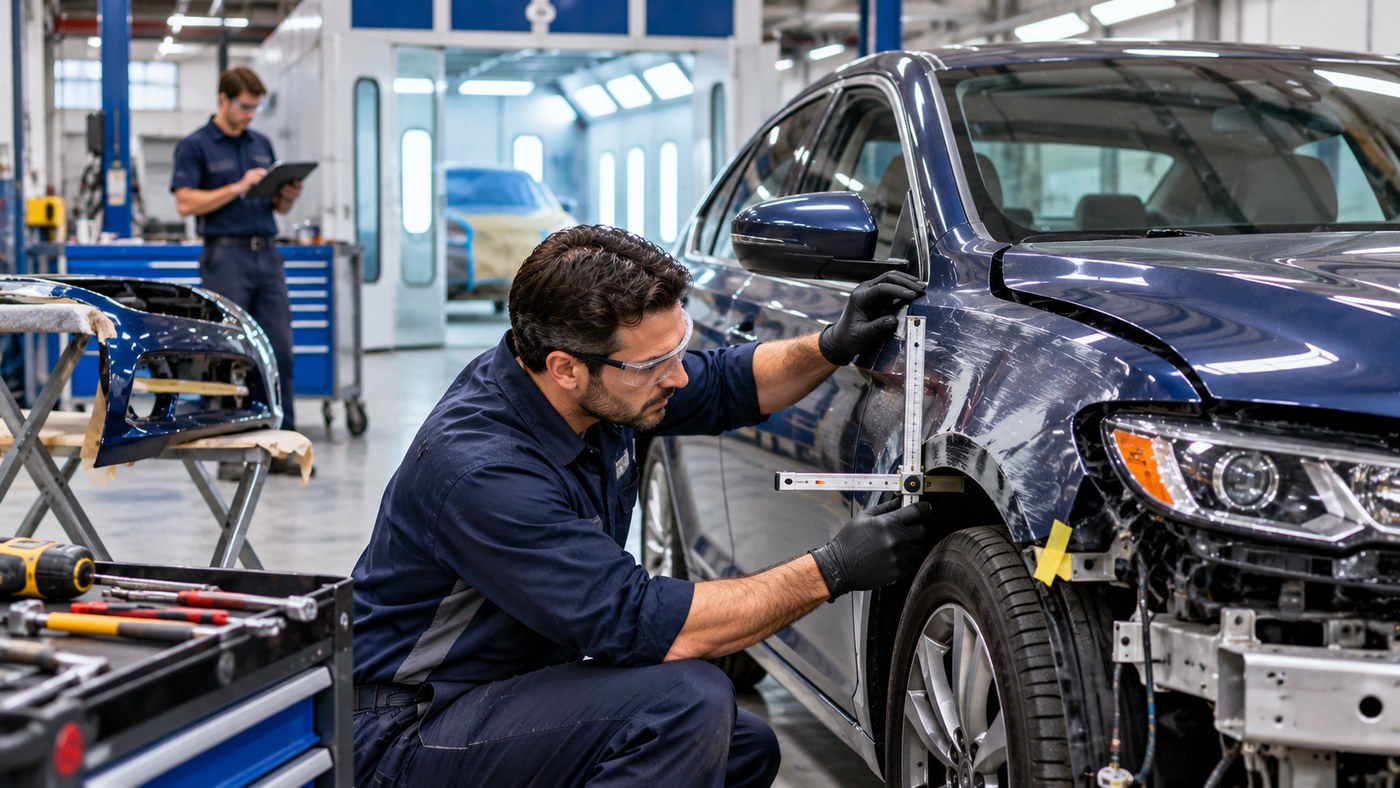
A car accident can turn an ordinary day into a stressful experience. Even a relatively minor collision may leave visible dents, scratched paint, cracked bumpers, or hidden structural damage. Beyond the appearance of the vehicle, drivers must consider whether important safety features, sensors, and mechanical components are still functioning correctly.
Professional auto body repair helps restore vehicles affected by collisions, weather-related damage, and other incidents. Modern repair services combine structural measurements, panel restoration, paint refinishing, diagnostic scanning, and safety system calibration to address both visible and hidden problems.
However, repairing collision damage is not always as simple as replacing a bumper or repainting a door. Modern vehicles contain advanced materials, electronic sensors, cameras, airbags, and carefully engineered structures that require specialized repair procedures.
Choosing a qualified collision repair facility can make a significant difference in repair quality, safety, and the overall customer experience.
This comprehensive guide explains how auto body repair works, the seven essential stages of vehicle restoration, common repair services, insurance considerations, costs, and practical tips for selecting a reliable repair shop.
What Is Auto Body Repair?
Auto body repair is the process of restoring a vehicle’s exterior panels, structural components, and related systems after damage.
The work may involve repairing dents, replacing damaged components, correcting structural alignment, refinishing paint, and addressing electronic systems affected by a collision.
Unlike routine automotive maintenance, collision restoration focuses on damage resulting from accidents or other external events.
For example, an oil change or engine tune-up is generally considered mechanical maintenance.
Repairing a damaged fender, replacing a cracked bumper, or restoring a vehicle’s structural alignment falls within collision repair.
Common Types of Vehicle Body Damage
Different incidents can create different repair requirements.
Minor dents: Small dents may result from parking incidents, shopping carts, or falling objects.
Scratches and paint damage: Road debris, contact with objects, and minor collisions can damage protective paint layers.
Bumper damage: Low-speed impacts may crack bumper covers or affect components behind them.
Panel deformation: More substantial collisions can damage doors, fenders, quarter panels, and other body components.
Structural damage: Severe impacts may affect designated structural members or alignment points.
Glass damage: Collisions can crack or break windshields and vehicle windows.
Hidden electronic damage: Cameras, radar sensors, wiring, and other electronic components may be affected even when exterior damage appears limited.
The appropriate repair method depends on the vehicle’s design, manufacturer instructions, and the actual extent of damage.
Why Professional Collision Repair Matters
Vehicle damage should be evaluated carefully because exterior appearance does not always reveal the complete condition of the car.
Modern vehicles are designed with structures and systems that contribute to occupant protection and normal driving performance.
Restore Structural Integrity
Vehicle manufacturers design structural components to manage forces during collisions.
Improper repairs can affect how those components perform in a future accident.
Qualified technicians follow relevant manufacturer repair procedures to determine which parts can be repaired and which require replacement.
Maintain Vehicle Safety Systems
Advanced driver-assistance systems may depend on cameras, radar units, sensors, and electronic modules positioned around the vehicle.
A collision can affect these components or their alignment.
Proper inspection and calibration may be necessary before the vehicle is returned to service.
Preserve Vehicle Appearance
Professional refinishing techniques help restore damaged surfaces and improve the consistency of the vehicle’s appearance.
Paint preparation, color matching, and clear-coat application influence the final result.
Support Long-Term Vehicle Value
A properly documented repair history can help future buyers understand the work performed.
However, collision history can still influence resale value, even when repairs are completed correctly.
7 Essential Stages of Professional Auto Body Repair
Most collision repair projects follow a structured process.
Although the exact sequence varies by repair facility and vehicle, these seven stages explain how damaged cars are evaluated and restored.
1. Initial Damage Assessment and Repair Estimate
The repair process normally begins with an inspection.
A collision repair specialist examines visible damage and prepares an initial estimate based on the available information.
Visual Damage Inspection
Technicians evaluate affected panels, bumper covers, lights, glass, and other accessible components.
They may photograph the damage and document relevant vehicle information.
This initial inspection helps identify obvious repair requirements.
Preparing the Initial Estimate
The estimate may include expected labor, replacement parts, paint materials, and other necessary operations.
However, an initial estimate is not always the final repair cost.
Damage concealed behind bumpers, trim, or interior components may become visible only after disassembly.
Diagnostic Considerations
Modern vehicles may contain electronic modules that store diagnostic trouble codes.
Depending on the circumstances and manufacturer procedures, diagnostic scanning may be appropriate during the initial assessment.
Insurance Review
When an insurance claim is involved, the insurer may review the estimate before authorizing covered repairs.
The repair shop may communicate with the insurer regarding the work required.
However, coverage and payment obligations depend on the insurance policy and applicable rules.
2. Vehicle Disassembly and Hidden Damage Inspection
Once the repair process begins, technicians may remove damaged or obstructing components to examine the underlying structure.
This stage is often called teardown or blueprinting.
Why Hidden Damage Matters
A bumper cover may appear to have only a small crack, while components behind it have absorbed significant impact forces.
Similarly, damage around a wheel arch may involve brackets, reinforcement components, or nearby structural members.
Without disassembly, some problems may remain undetected.
Creating a Detailed Repair Plan
Technicians identify required parts, repair procedures, and necessary operations.
This information helps create a more complete repair plan.
Supplemental Estimates
If previously hidden damage is discovered, the shop may prepare a supplemental estimate.
The customer and insurer, where relevant, may need to review updated costs before work continues.
Ordering Replacement Parts
Certain components may require ordering from manufacturers or suppliers.
Availability can influence the repair schedule, especially for less common vehicle models.
Accurate planning helps reduce unnecessary delays once repairs begin.
3. Structural Repair and Vehicle Alignment
Structural damage requires specialized tools, accurate measurements, and adherence to manufacturer procedures.
Not every collision affects a vehicle’s structural components.
However, when structural damage is present, restoring the correct geometry is an important part of the repair.
Computerized Structural Measurement
Qualified repair facilities may use measuring systems to compare vehicle reference points with manufacturer specifications.
These measurements help technicians evaluate whether designated structural areas remain within the required tolerances.
Structural Repair Equipment
Specialized equipment may be used to restore certain repairable components.
However, some structural parts must be replaced rather than straightened.
Modern vehicles use different materials, including high-strength steels and aluminum alloys.
These materials have specific repair limitations.
Follow Manufacturer Repair Procedures
Vehicle manufacturers publish procedures describing approved repair methods, joining techniques, replacement sections, and other requirements.
Technicians should follow the applicable procedures for the exact vehicle.
A repair method suitable for one model may be inappropriate for another.
Why Structural Repairs Require Expertise
Incorrect repairs can affect component strength, fitment, and crash performance.
Structural work should be performed by qualified professionals using suitable equipment and verified procedures.
4. Dent Removal and Damaged Panel Restoration
After the structural condition is addressed, technicians repair or replace damaged body panels.
The approach depends on the location, severity, and type of damage.
Traditional Dent Repair
Traditional dent repair may involve carefully reshaping damaged metal and preparing the surface for refinishing.
Technicians use specialized tools to restore the panel’s shape where repair is permitted.
Not every dent can be repaired economically or safely.
Paintless Dent Repair
Paintless dent repair, commonly called PDR, uses specialized techniques to reshape certain dents without repainting the panel.
It is often considered for minor dents where the original paint remains intact.
Common examples include small door dings and some types of hail damage.
When Paintless Dent Repair Is Suitable
PDR may be appropriate when the panel is accessible, the damage is repairable, and the paint surface has not been compromised.
Its suitability depends on panel material, damage geometry, and other factors.
Sharp creases, damaged paint, or complex structural conditions may require conventional repair methods.
Panel Replacement
Some damaged components require replacement.
Examples may include severely deformed panels, cracked components, or parts that manufacturers specifically prohibit repairing in certain circumstances.
The replacement process should follow the appropriate vehicle manufacturer instructions.
5. Paint Matching and Professional Refinishing
Paint restoration is one of the most visible stages of collision repair.
A successful finish requires more than selecting a color that appears close to the original.
Surface preparation, materials, application technique, and environmental conditions all influence the result.
Surface Preparation
Technicians clean and prepare the affected surfaces before applying refinishing materials.
Depending on the repair, preparation may involve sanding, approved fillers, primers, and other materials.
The goal is to create an appropriate surface for the finishing system.
Automotive Paint Color Matching
Vehicle manufacturers use paint codes to identify original color formulations.
However, paint appearance can change because of weathering, previous refinishing, and other factors.
Professional refinishers may use color matching tools and spray-out tests to identify an appropriate finish.
Base Coat and Clear Coat
Many modern automotive paint systems use a color-producing base coat followed by a protective clear coat.
The clear coat contributes to appearance and helps protect the finish under normal conditions.
Exact refinishing procedures depend on the approved paint system.
Blending Adjacent Panels
In certain cases, blending may help create a visually consistent transition between repaired and surrounding panels.
The need for blending depends on color characteristics, panel location, and repair procedures.
Controlled Paint Environments
Professional paint facilities use appropriate ventilation, contamination controls, and protective equipment.
These measures help protect workers and support consistent finishing results.
6. Diagnostic Scanning and ADAS Calibration
Modern vehicles include increasingly sophisticated electronic systems.
A collision may affect components even when dashboard warning lights are absent.
Diagnostic scanning and calibration are therefore important considerations in modern collision restoration.
What Is Diagnostic Scanning?
A diagnostic scan communicates with supported vehicle electronic modules to identify stored trouble codes and other available information.
Pre-repair scanning can help document existing electronic conditions.
Post-repair scanning can help identify faults remaining after repairs.
However, a successful scan alone does not prove that every system is properly calibrated.
Understanding ADAS
Advanced driver-assistance systems, or ADAS, may include:
- Automatic emergency braking
- Adaptive cruise control
- Lane departure warning
- Lane-keeping assistance
- Blind-spot monitoring
- Forward collision warning
- Parking assistance
- Surround-view camera systems
The available features differ between vehicles.
Why Calibration May Be Required
Cameras and sensors rely on precise positioning.
Certain repairs, replacements, or adjustments can affect their alignment.
For example, work involving a windshield-mounted camera may require calibration under the vehicle manufacturer’s procedures.
Other repairs involving bumpers, radar sensors, or structural components may trigger additional requirements.
Static and Dynamic Calibration
Some calibration procedures use specialized targets and equipment in a controlled environment.
Others require the vehicle to be driven under specified conditions.
Certain vehicles require both methods.
The correct procedure must be determined from manufacturer information.
Safety Is the Priority
Calibration should not be treated as an optional cosmetic service when the manufacturer requires it.
I-CAR’s collision repair guidance distinguishes diagnostic scanning from calibration and emphasizes following the relevant manufacturer procedures.
A qualified repair facility should confirm which operations are required for the affected vehicle.
7. Reassembly, Quality Inspection, and Vehicle Delivery
The final stage involves putting the repaired vehicle back together and verifying the completed work.
Reassembling the Vehicle
Technicians reinstall appropriate panels, trim, lights, sensors, and other components.
Fasteners, seals, and connections must be handled according to relevant instructions.
Final Visual Inspection
The repair shop reviews panel alignment, finish appearance, visible gaps, and other relevant details.
The objective is to identify issues before returning the car to the customer.
Functional Checks
Depending on the repair, technicians may check electrical functions, lighting, doors, windows, diagnostic systems, and other components.
Required calibrations and inspections should be documented.
Road Testing When Appropriate
Some repairs require controlled road testing according to manufacturer procedures.
Testing should be performed by qualified personnel under suitable conditions.
Customer Review
When collecting the vehicle, customers should review the completed work and the repair documentation.
They can ask about replaced components, diagnostic procedures, calibration reports, and warranty terms.
Any unresolved concern should be discussed before accepting the vehicle.
Common Auto Body Repair Services
Collision repair facilities may provide several specialized services.
Understanding these options helps drivers identify the type of assistance their vehicle may require.
Collision Damage Repair
Collision repair addresses damage caused by impacts involving vehicles or other objects.
The work may include structural repairs, panel replacement, refinishing, and electronic system inspections.
Bumper Repair
Bumper repair involves evaluating damaged covers and related components.
A cosmetic crack is different from damage to a bumper reinforcement, sensor bracket, or crash-management component.
Qualified technicians determine which parts require repair or replacement.
Fender Repair
Fenders may develop dents, scratches, or deformation after minor collisions.
Depending on the extent of damage, repair or replacement may be appropriate.
Hail Damage Repair
Hailstorms can create numerous small dents across exposed vehicle panels.
Paintless dent repair may be suitable for certain hail damage when the paint remains intact and the panel is otherwise appropriate for that method.
Auto Glass Repair and Replacement
Windshields and windows can become damaged during collisions.
Glass repairability depends on the damage, its location, and relevant safety requirements.
Vehicles with windshield-mounted cameras may also require calibration after replacement.
Automotive Paint Repair
Paint repair addresses damaged coatings, scratches, and refinishing requirements.
The appropriate process depends on whether the damage affects the clear coat, color layers, primer, or underlying panel.
How Much Does Auto Body Repair Cost?
Collision repair costs vary widely.
A minor cosmetic repair may involve limited labor and materials, while a severe collision can require extensive structural work, replacement components, and electronic calibrations.
Factors Affecting Repair Costs
Damage severity: More extensive damage generally requires additional labor and parts.
Vehicle make and model: Replacement parts and procedures vary between vehicles.
Panel materials: Aluminum and certain high-strength materials may require specialized equipment.
Paint requirements: Complex colors and extensive refinishing can increase labor and material costs.
Electronic systems: Diagnostic scanning, sensor replacement, and calibration may add required operations.
Parts availability: Delayed or specialized parts can influence repair timelines.
Labor rates: Costs vary according to location, shop capabilities, and the work performed.
Why Written Estimates Matter
A detailed estimate helps customers understand the proposed work.
However, an initial estimate may change when hidden damage is discovered.
Ask the repair facility how supplemental work will be documented and approved.
Does Car Insurance Cover Body Repair?
Auto insurance may help pay for collision damage depending on the policy, coverage, circumstances, and applicable laws.
Collision Coverage
Collision coverage generally addresses qualifying vehicle damage resulting from collisions, subject to policy terms and deductibles.
Comprehensive Coverage
Comprehensive coverage may apply to certain non-collision incidents, such as hail, falling objects, or theft-related damage.
Coverage details vary by insurer.
Liability Coverage
Liability insurance generally addresses qualifying losses for which the insured party is legally responsible, within the policy’s terms and limits.
It does not automatically pay for every type of damage to the policyholder’s own vehicle.
Understanding Deductibles
A deductible is the amount the policyholder may need to pay toward a covered claim before applicable insurance benefits are calculated.
For example, if a covered repair costs $3,000 and the applicable deductible is $500, the insurer may pay $2,500 under a simplified scenario.
Actual payments depend on policy conditions and claim handling.
Insurance-Preferred Repair Shops
Some insurers maintain relationships with collision repair facilities.
These arrangements may simplify communication and claims administration.
However, drivers should understand their rights concerning repair facility selection under the rules applicable to their location.
How Long Does Auto Body Repair Take?
Repair timelines depend on the type and severity of damage.
Small cosmetic repairs may be completed relatively quickly, while complex collisions can require substantially more time.
Factors That Affect Repair Duration
Parts availability, insurer approvals, structural repairs, paint curing requirements, and specialized calibration procedures can all influence completion dates.
A shop may also discover additional damage during disassembly.
Why Accurate Timelines Matter
Repair facilities should communicate expected completion dates and provide updates when circumstances change.
Customers should avoid assuming that an initial estimate guarantees a final delivery date.
Rental Vehicle Considerations
Drivers may need alternative transportation while their vehicle is being repaired.
Some insurance policies provide rental reimbursement benefits, subject to conditions and limits.
Confirm arrangements with the insurer and repair facility.
How to Choose a Reliable Auto Body Repair Shop
Selecting a collision repair facility involves evaluating technical capabilities, customer service, and the quality of the proposed repair process.
Look for Relevant Training
Ask whether technicians receive ongoing training appropriate to modern vehicle construction and electronic systems.
Recognized industry training programs and manufacturer-specific qualifications can provide useful evidence of competence.
Review Manufacturer Repair Capabilities
A repair facility should be able to access relevant manufacturer procedures.
This is especially important for structural repairs, advanced materials, and electronic calibration requirements.
Ask About Diagnostic Equipment
Modern vehicles may require electronic scanning and specialized calibration tools.
Confirm whether the shop provides the necessary services directly or coordinates them through qualified specialists.
Review Written Estimates
A clear estimate should identify relevant repair operations, parts, labor, and refinishing requirements.
Customers should understand how additional damage will be handled.
Check Warranty Terms
Some repair shops provide written warranties covering specified workmanship.
Review coverage limits, exclusions, transferability, and the process for requesting warranty service.
Evaluate Communication
A reliable shop should explain the repair process, provide reasonable updates, and respond clearly to customer questions.
Transparent communication is particularly important when insurers or outside service providers are involved.
Caliber Collision and Professional Auto Body Repair Services
Caliber Collision is a major US collision repair provider offering services for vehicles damaged in accidents and other qualifying incidents.
Its published collision services include body repair, paint repair, paintless dent repair, glass services, diagnostic scanning, and ADAS calibration.
Collision Repair Process
Caliber describes a multi-stage workflow involving initial estimates, vehicle disassembly, repair planning, structural and body work, paint refinishing, reassembly, and final quality checks.
The company also identifies manufacturer repair procedures as an important part of its process.
Technical Training
Caliber emphasizes technician training and maintains relevant industry and manufacturer certification programs.
Customers should confirm the capabilities and certifications of the particular location handling their vehicle.
Insurance and Payment Options
Caliber works with multiple insurance providers and describes payment options for eligible customers choosing to pay directly.
Available options and terms should be confirmed with the relevant location.
Repair Warranty
Caliber advertises a written limited lifetime warranty covering qualifying repair work while the customer owns the vehicle.
The exact terms, conditions, and exclusions should be reviewed before relying on the warranty.
Customer Communication
The company’s published process includes progress updates and final quality assurance checks.
These practices illustrate the importance of providing customers with information throughout the repair process.
Repairing vs. Replacing Damaged Vehicle Parts
One important decision in collision repair is determining whether a damaged component can be restored or must be replaced.
When Repair May Be Appropriate
Certain cosmetic dents and repairable panel damage may be addressed through approved techniques.
The repair must meet applicable manufacturer specifications and technical requirements.
When Replacement May Be Necessary
Replacement may be required when damage exceeds allowed repair limits or affects components that the manufacturer specifies must not be repaired.
Examples may include certain structural components, safety-related parts, or severely damaged materials.
Choosing Appropriate Replacement Parts
Replacement components may include original equipment manufacturer parts or other parts permitted under applicable rules and the vehicle’s repair requirements.
The correct selection depends on the component, manufacturer instructions, insurer arrangements, and relevant regulations.
Avoiding Unsafe Shortcuts
A lower-cost procedure is not necessarily appropriate if it conflicts with required repair methods.
Safety-related decisions should be based on qualified technical assessment.
Special Considerations for Electric and Hybrid Vehicles
Electric and hybrid vehicles introduce additional collision repair considerations.
High-voltage batteries, power electronics, wiring, and related safety systems may require specialized procedures.
High-Voltage Safety
Technicians working around high-voltage systems need appropriate training and equipment.
The vehicle manufacturer’s safety procedures should guide isolation, inspection, and repair.
Battery Damage Assessment
A collision may affect battery enclosures or associated components.
Not all damage is visible externally.
Qualified personnel must determine whether additional inspection or replacement is necessary.
Specialized Repair Facilities
Some vehicles require manufacturer-specific tools, certifications, or procedures.
Before selecting a repair shop, confirm that it can safely handle the vehicle’s technology and the necessary repair operations.
What Should You Do After a Car Accident?
The actions taken immediately after a collision can influence personal safety and the subsequent repair process.
Prioritize Personal Safety
Check for injuries and contact emergency services when appropriate.
Do not move a seriously injured person unless necessary to prevent immediate danger.
Follow local emergency procedures.
Document the Accident
When safe, photograph the vehicles, visible damage, and relevant surroundings.
Record necessary contact and insurance information.
Notify the Appropriate Parties
Report the accident to the insurer according to the policy’s requirements.
Police reporting obligations vary by jurisdiction and circumstances.
Avoid Driving an Unsafe Vehicle
Visible damage does not always reveal the full extent of collision effects.
If steering, braking, tires, lights, fluid systems, or other critical components may be compromised, arrange appropriate professional evaluation or towing.
Schedule a Collision Inspection
A qualified repair shop can assess the damage and explain the proposed next steps.
Common Auto Body Repair Mistakes to Avoid
Drivers may encounter difficulties when making decisions under the stress of an accident.
Ignoring Minor Damage
Small exterior defects can conceal damaged brackets, fasteners, or other components.
An inspection may help determine whether additional repair is necessary.
Choosing a Shop Based Only on Price
An inexpensive estimate may not include every required procedure.
Compare technical capabilities, repair methods, and warranty coverage.
Overlooking ADAS Calibration
Vehicles with driver-assistance technology may require specific inspections or calibrations after certain repairs.
Follow the applicable manufacturer requirements.
Accepting Unclear Repair Documentation
Customers should understand which components were repaired, replaced, or inspected.
Request clarification when the final invoice or repair records are difficult to interpret.
Skipping Final Inspection
Review the vehicle before leaving the repair facility.
Ask questions about the work performed and any recommended follow-up.
How to Care for Your Vehicle After Collision Repair
After a repair is complete, appropriate maintenance can help preserve the restored appearance.
Follow Paint Care Instructions
Freshly refinished surfaces may require specific care during the initial period after painting.
Follow the paint system and repair facility’s recommendations.
Clean the Vehicle Appropriately
Use suitable automotive cleaning products and avoid abrasive materials that can damage the finish.
Monitor Repaired Areas
If unusual noises, warning lights, panel movement, water intrusion, or other problems appear, contact the repair facility.
Keep Repair Documentation
Store estimates, invoices, warranty information, and calibration reports.
These documents may be useful for future service or vehicle resale.
Frequently Asked Questions
1. What is auto body repair?
Auto body repair involves restoring vehicle panels, structural components, paintwork, and related systems after collision or other exterior damage. The process may include dent removal, panel replacement, refinishing, diagnostic scanning, and safety checks.
2. How much does auto body repair usually cost?
The cost depends on damage severity, vehicle model, replacement parts, labor, paint requirements, and required electronic services. A professional inspection and written estimate provide a more reliable assessment than a general online price range.
3. Can minor dents be repaired without repainting?
Some dents can be corrected through paintless dent repair when the original paint remains intact and the damage is suitable for the technique. Deep creases, damaged coatings, and certain panel conditions may require traditional repairs.
4. Does insurance pay for collision repair?
Insurance may cover qualifying damage depending on the policy, claim circumstances, and applicable deductible. Collision, comprehensive, and liability coverage serve different purposes, so drivers should review their specific policy.
5. Why is ADAS calibration important after an accident?
ADAS cameras and sensors rely on accurate positioning. Certain collision repairs or component replacements may require calibration according to manufacturer procedures to ensure the systems operate as designed.
6. How do I find a trustworthy collision repair shop?
Look for relevant technical training, manufacturer repair capabilities, clear estimates, suitable diagnostic equipment, transparent communication, and written warranty terms. Confirm that the shop can handle your particular vehicle and repair requirements.
Conclusion
Auto body repair plays an important role in restoring a vehicle’s appearance, structural condition, and safety-related systems after an accident. Modern collision restoration involves much more than removing dents or applying new paint. From damage assessment and structural repair to electronic diagnostics and final inspections, every stage should follow appropriate technical procedures. Choosing a qualified repair facility and understanding the repair process can help drivers make informed decisions and return to the road with greater confidence.
