
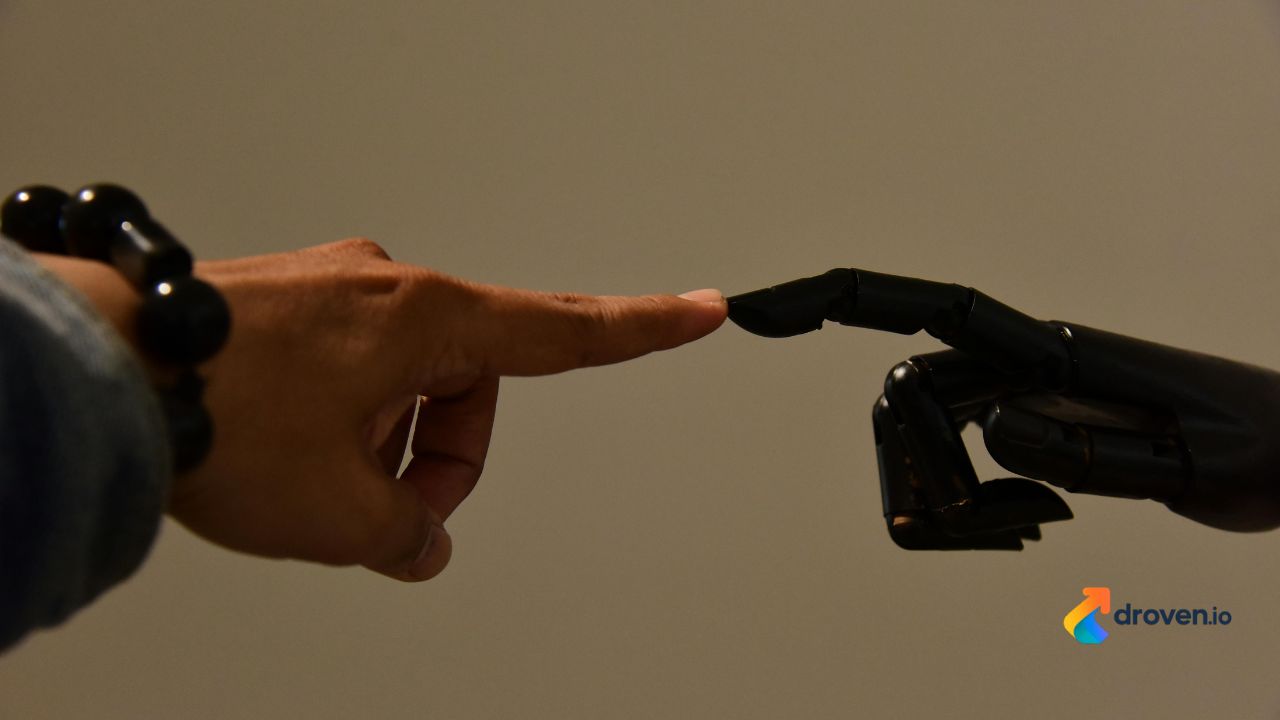
As artificial intelligence becomes increasingly integrated into everyday life, many people question whether AI erodes the human touch in personal interactions, customer service, healthcare, education, and the workplace. AI has transformed industries by improving efficiency, automating repetitive tasks, and providing data-driven insights. However, concerns remain about whether excessive reliance on automation may reduce empathy, emotional understanding, and genuine human relationships. Understanding both the opportunities and limitations of artificial intelligence is essential for organizations seeking to use technology responsibly while preserving meaningful human connections.
Understanding Artificial Intelligence
Artificial intelligence refers to computer systems designed to perform tasks that typically require human intelligence. These tasks include language understanding, decision support, image recognition, data analysis, and predictive modeling.
AI technologies are commonly used in:
- Customer support
- Healthcare
- Education
- Financial services
- Manufacturing
- Marketing
- Human resources
- Transportation
As AI capabilities continue to advance, organizations are adopting intelligent systems to improve productivity and enhance decision-making.
Why People Say AI Erodes the Human Touch
The phrase “AI erodes the human touch” reflects concerns that technology may replace aspects of communication that depend on empathy, emotional intelligence, and personal relationships.
Human interactions often involve:
- Active listening
- Compassion
- Emotional support
- Cultural understanding
- Personal judgment
- Ethical reasoning
While AI can process information rapidly, it does not experience emotions or understand human relationships in the same way people do. This distinction explains why many situations still benefit from direct human involvement.
AI in Customer Service
Customer service has become one of the most visible applications of artificial intelligence.
AI-powered chatbots and virtual assistants can:
- Answer common questions
- Track orders
- Schedule appointments
- Provide product information
- Handle basic troubleshooting
These capabilities improve response times and allow support teams to focus on more complex issues.
However, customers dealing with sensitive complaints or complicated situations often prefer speaking with a human representative who can better understand emotions, context, and unique circumstances.
Organizations frequently achieve better results by combining AI efficiency with human support rather than relying exclusively on automation.
AI in Healthcare
Artificial intelligence is helping healthcare professionals analyze medical images, assist with diagnostics, optimize scheduling, and support clinical decision-making.
These technologies can improve efficiency and reduce administrative burdens.
At the same time, healthcare depends heavily on trust, empathy, and communication. Patients often seek reassurance, emotional support, and compassionate conversations that extend beyond medical data.
AI can assist healthcare professionals, but it cannot fully replace the personal relationships that are central to patient care.
AI in Education
Educational institutions increasingly use AI for personalized learning, automated assessments, and adaptive study platforms.
Benefits include:
- Customized learning paths
- Immediate feedback
- Learning analytics
- Administrative automation
Despite these advantages, teachers provide mentorship, encouragement, classroom leadership, and social development that technology cannot fully replicate.
The most effective learning environments often combine educational technology with meaningful teacher-student relationships.
AI in the Workplace
Businesses use artificial intelligence to automate repetitive tasks, analyze large datasets, and improve operational efficiency.
Examples include:
- Workflow automation
- Recruitment support
- Financial forecasting
- Inventory management
- Data analysis
- Project management
While automation increases productivity, organizations should also consider employee engagement, collaboration, creativity, and workplace culture.
Human leadership remains important for conflict resolution, mentoring, innovation, and team development.
Emotional Intelligence and AI
Emotional intelligence involves recognizing, understanding, and responding appropriately to emotions in ourselves and others.
Although AI systems can analyze language patterns or facial expressions to estimate emotional states, they do not possess genuine emotional awareness or personal experience.
Human professionals remain uniquely capable of:
- Building trust
- Showing empathy
- Understanding complex emotions
- Adapting communication naturally
- Supporting individuals during difficult situations
These qualities continue to play an essential role in many professions.
Benefits of AI Without Replacing Human Interaction
Artificial intelligence offers significant advantages when used as a tool that complements human expertise.
Benefits include:
- Faster data processing
- Improved efficiency
- Reduced repetitive work
- Better decision support
- Increased accessibility
- Consistent service availability
- Enhanced productivity
Rather than replacing people entirely, AI often enables professionals to spend more time on complex tasks that require creativity, judgment, and interpersonal communication.
Ethical Considerations
As AI adoption expands, ethical questions become increasingly important.
Organizations should consider:
- Transparency
- Data privacy
- Fairness
- Accountability
- Human oversight
- Responsible decision-making
Maintaining public trust requires balancing technological innovation with respect for human values and individual rights.
Strategies for Maintaining the Human Touch
Businesses and organizations can preserve meaningful human interactions while benefiting from AI technologies.
Effective approaches include:
- Use AI to automate routine tasks rather than sensitive conversations.
- Provide clear access to human support when needed.
- Train employees to work effectively alongside AI systems.
- Prioritize empathy in customer-facing roles.
- Regularly evaluate the impact of automation on user experience.
- Ensure important decisions include appropriate human oversight.
These strategies help create experiences that combine technological efficiency with genuine human care.
The Future of Human-AI Collaboration
The future is likely to involve greater collaboration between humans and artificial intelligence rather than complete replacement.
AI will continue assisting with data analysis, automation, and information retrieval, while people contribute creativity, ethical judgment, empathy, leadership, and relationship-building.
Organizations that successfully integrate both strengths may be better positioned to improve customer experiences, employee satisfaction, and operational performance.
FAQs
Does AI completely replace human interaction?
No. AI can automate many routine tasks, but human communication, empathy, creativity, and ethical judgment remain important in many situations.
Why do people believe AI erodes the human touch?
Some people are concerned that increasing automation may reduce personal interactions, emotional support, and meaningful relationships in areas such as customer service, healthcare, and education.
Can AI show empathy?
AI can generate responses that appear empathetic based on patterns in data, but it does not experience emotions or possess genuine emotional understanding.
What industries are most affected by AI?
Industries such as healthcare, education, finance, retail, customer service, manufacturing, and technology have seen significant AI adoption.
How can businesses balance AI and human interaction?
Businesses can automate repetitive tasks while ensuring customers have access to trained human professionals for complex, sensitive, or emotionally significant situations.
Is AI beneficial despite these concerns?
Yes. AI can improve efficiency, productivity, accessibility, and decision support when implemented responsibly and combined with appropriate human oversight.
Conclusion
The discussion around whether AI erodes the human touch reflects an important conversation about the role of technology in society. Artificial intelligence offers substantial benefits by automating repetitive tasks, improving efficiency, and supporting informed decision-making across many industries. However, qualities such as empathy, compassion, creativity, ethical reasoning, and meaningful human relationships remain difficult to replicate through technology alone. Rather than viewing AI as a replacement for people, many organizations are finding value in using it as a tool that enhances human capabilities. By combining the speed and analytical power of AI with the emotional intelligence and judgment of skilled professionals, businesses and institutions can deliver services that are both efficient and genuinely human-centered.
