
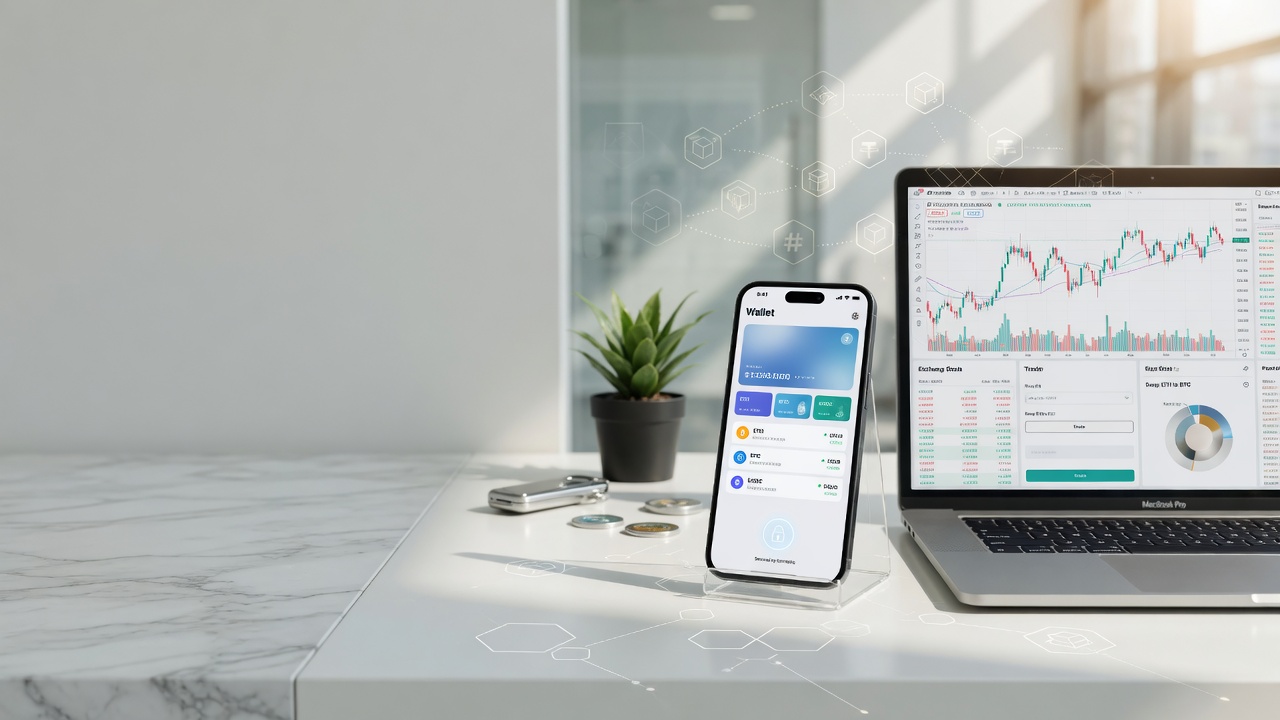
Digital finance has fundamentally shifted how consumers interact with money, blending traditional banking with decentralized technology. As cryptocurrency platforms strive to make digital assets more accessible, reducing friction during the purchasing process has become a primary focus. In a significant move toward mainstream adoption, eligible Binance users can now purchase cryptocurrency using Apple Pay and Google Pay. This integration allows millions of users to leverage a familiar digital wallet instead of navigating complex bank transfers. However, while this payment modernization simplifies acquisition, it does not alter the underlying volatility of digital assets, meaning investors must still approach the market with caution and thorough research.
What Makes Apple Pay a Natural Fit for Crypto Purchases?
For years, one of the biggest hurdles in cryptocurrency adoption was the clunky onboarding experience. New investors often had to link bank accounts, wait for wire transfers to clear, or manually enter credit card details while hoping their bank would not flag the transaction. Integrating Apple Pay removes much of this friction.
Because millions of consumers already use this digital wallet for everyday purchases, extending its utility to cryptocurrency feels like a natural progression. The familiarity lowers the psychological barrier to entry. Users do not have to learn a new payment system; they simply use the same method they rely on for coffee, groceries, and online subscriptions. Consequently, the transition from fiat currency to digital assets becomes seamless.
How Binance Integrates Apple Pay for Digital Asset Transactions
The technical integration of Apple Pay into a major exchange like Binance requires cooperation between payment processors, banks, and the exchange itself. When a user opts to buy crypto with this method, the exchange does not directly process the card. Instead, it utilizes a payment partner that supports digital wallet transactions. This ensures that the transaction complies with local financial regulations while maintaining the user experience Apple customers expect.
Step-by-Step Purchasing Process
Purchasing cryptocurrency with Apple Pay on Binance is designed to be highly intuitive. First, users log into their verified Binance account and navigate to the “Buy Crypto” section. After selecting the desired digital asset, such as Bitcoin or Ethereum, they choose the fiat currency they wish to spend.
When selecting the payment method, eligible users will see Apple Pay listed alongside other options. Upon selecting it, a prompt appears requesting authentication via Face ID, Touch ID, or the device passcode. Once authorized, the payment processor handles the fiat transfer, and the cryptocurrency is credited to the user’s Binance wallet. The entire process often takes seconds, a stark contrast to the days a traditional bank transfer might require.
The Security Architecture Behind Apple Pay
Security is paramount when dealing with digital assets, and digital wallets offer several advantages over traditional plastic cards. When using Apple Pay, the actual credit or debit card number is not stored on the device or shared with the merchant. Instead, a unique device account number is assigned, encrypted, and securely stored in the device’s Secure Element.
Tokenization and Biometric Authentication
Every transaction made through Apple Pay utilizes tokenization. This means a dynamic, one-time security code is used to process the payment rather than the static card number. Even if a hacker intercepted the transaction data, the token would be useless for future transactions.
Furthermore, every purchase requires biometric authentication. Unless a thief has the user’s face or fingerprint, they cannot authorize a payment. This level of security makes digital wallets fundamentally safer than carrying a physical wallet, though users must still secure their actual exchange accounts with strong passwords and two-factor authentication.
Why Mobile-First Payments Are Reshaping Crypto Exchanges
The addition of Apple Pay and Google Pay to Binance underscores a broader industry shift toward mobile-first architecture. Modern investors are not sitting at desktop computers watching terminals all day; they are managing portfolios on the go. Exchanges that fail to offer streamlined mobile payment options risk losing market share to more agile competitors.
By supporting digital wallets, exchanges cater to a generation of users who expect instant gratification and mobile integration. This trend is likely to accelerate as financial technology continues to blur the lines between traditional banking, digital wallets, and decentralized finance.
Apple Pay vs. Traditional Bank Transfers on Binance
When evaluating payment methods, users must weigh speed against cost. Using Apple Pay is undeniably faster than an Automated Clearing House (ACH) transfer or a wire transfer. However, speed often comes at a premium. Credit and debit card purchases processed through digital wallets typically incur higher processing fees than direct bank transfers.
Users purchasing small amounts of cryptocurrency for immediate use might find the convenience worth the fee. Conversely, those moving large sums of capital to make long-term investments may still prefer the slower, cheaper bank transfer route. Understanding this trade-off is essential for effective cost management.
Apple Pay and Google Pay Reflect a Larger Industry Trend
Supporting both Apple Pay and Google Pay demonstrates how cryptocurrency platforms are becoming more accessible to mainstream users.
Today’s investors increasingly expect:
- Mobile-first services
- Digital wallets
- Faster onboarding
- Flexible payment methods
- Simplified user experiences
As digital finance evolves, payment innovation will likely continue alongside blockchain adoption.
However, convenience should always be balanced with responsible investing.
Important Investment Considerations Beyond the Payment Method
While the ability to buy crypto instantly with Apple Pay is a technological convenience, it does not change the fundamental nature of the asset class. Cryptocurrency remains highly volatile. Prices can surge or crash within minutes based on regulatory news, macroeconomic data, or market sentiment.
The ease of purchasing should not translate to impulsive buying. Investors must still conduct fundamental analysis, understand what they are buying, and assess their risk tolerance. A frictionless payment experience can sometimes lead to emotional trading, where users buy assets simply because it is easy to do so. Maintaining discipline is critical, regardless of how the funds are transferred.
Best Practices for Using Apple Pay on Crypto Platforms
To maximize both security and efficiency when using Apple Pay for cryptocurrency purchases, users should adopt several best practices. First, ensure that the card linked to the digital wallet has low international or cash advance fees, as some banks categorize crypto purchases as cash advances. Second, always operate on a secure, private internet connection rather than public Wi-Fi when making financial transactions.
Consider these recommendations:
- Research every cryptocurrency before investing.
- Start with amounts you can afford to lose.
- Diversify rather than concentrating all funds in one asset.
- Enable every available security feature.
- Store long-term holdings securely when appropriate.
- Keep software updated.
- Monitor market developments regularly.
- Avoid making emotional investment decisions.
Small, informed decisions often produce better long-term outcomes than impulsive purchases.
Third, enable all available security features on the exchange, including withdrawal whitelists and anti-phishing codes. Finally, keep records of all transactions for tax purposes, as purchasing cryptocurrency is a taxable event in many jurisdictions.
Frequently Asked Questions
Can I buy cryptocurrency using Apple Pay on Binance?
Eligible Binance users in supported regions can purchase cryptocurrency using Apple Pay through supported payment providers, though availability varies by country.
Is Apple Pay secure for cryptocurrency purchases?
Apple Pay uses tokenization and biometric authentication to protect payment information, but users must also secure their exchange accounts with strong passwords and 2FA.
Does Apple Pay work in every country for crypto?
No, Apple Pay availability depends on your country, financial institution, and whether the crypto exchange supports that payment method in your region.
Can I use Apple Pay on Binance without identity verification?
No, Binance typically requires identity verification (KYC) before allowing users to purchase cryptocurrency, regardless of the payment method chosen.
Does Apple Pay make cryptocurrency investing safer?
Apple Pay secures the payment process, but it does not reduce the inherent market volatility or financial risk associated with investing in digital assets.
Should beginners use Apple Pay to buy crypto?
Apple Pay simplifies the payment process for beginners, but new users must first research cryptocurrency risks and invest only what they can afford to lose.
Conclusion
The integration of Apple Pay into Binance’s payment options represents a meaningful step toward bridging the gap between traditional digital finance and the cryptocurrency ecosystem. By allowing users to purchase digital assets through a familiar, secure, and fast digital wallet, exchanges are successfully lowering the barriers to entry for mainstream investors. However, this convenience does not equate to risk-free investing. The speed of a wallet transaction should never outpace an investor’s due diligence. Whether using a digital wallet or a bank transfer, the principles of responsible investing remain the same: understand the asset, secure your accounts, and make decisions based on long-term financial goals rather than short-term market excitement.
