
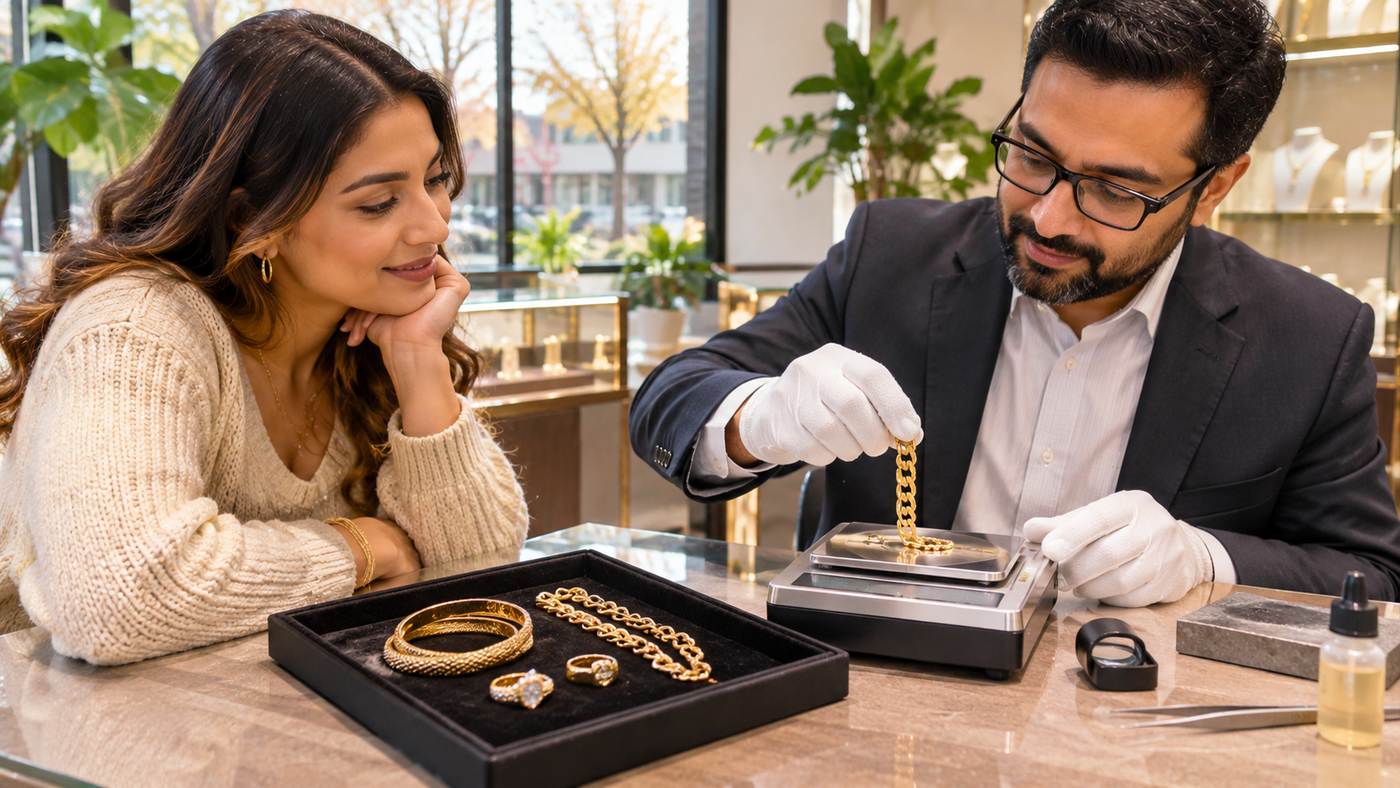
Gold jewellery often holds both financial and sentimental value. Many Canadians own rings, necklaces, bracelets, coins, or other gold items that are no longer worn or needed. Whether these belongings were purchased years ago, received as gifts, or inherited from family members, they may still contain valuable precious metal.
Selling unwanted gold can provide an opportunity to turn unused possessions into money. However, the amount a seller receives depends on several factors, including gold purity, weight, current market prices, and the buyer’s valuation methods.
For people considering cash for gold services, understanding how the process works is essential before accepting an offer. Not every buyer uses the same pricing structure, and some jewellery may be worth more as a collectible or finished piece than as scrap metal.
In Canada, gold buyers, jewellery businesses, and certain pawn shops offer different ways to sell precious metals. Comparing these options can help consumers make more informed decisions.
This guide explains how gold is valued, what happens during an appraisal, seven practical ways to improve your selling experience, and how to choose a reliable gold buyer in Ontario.
What Is Cash for Gold?
Cash for gold refers to a transaction in which an individual sells gold-containing items to a buyer in exchange for payment.
The items may include unwanted jewellery, broken chains, single earrings, gold coins, or other eligible precious-metal objects.
The buyer examines the material, determines its gold content, calculates an offer, and explains the payment terms.
If the customer accepts, the transaction is completed according to the buyer’s procedures and applicable local requirements.
Why People Sell Unwanted Gold
There are several reasons someone might choose to sell gold.
Some people have damaged jewellery that they no longer intend to repair. Others own pieces that no longer match their personal style.
Gold may also be sold during a household cleanout, estate settlement, or financial transition.
In certain situations, selling unused valuables can provide funds without entering a borrowing arrangement.
However, selling gold is a permanent decision, and items with emotional importance should be considered carefully before proceeding.
What Types of Gold Can Be Sold?
Gold buyers may purchase a variety of items, depending on their policies.
Common examples include gold rings, chains, pendants, bracelets, earrings, coins, and certain bullion products.
Some businesses also accept broken jewellery or incomplete sets.
However, not every item has the same resale characteristics.
A collectible coin, antique ring, or designer jewellery piece may have additional value beyond its precious-metal content.
How Gold Buyers Determine Value
Understanding the valuation process is one of the most important parts of selling gold.
A typical appraisal considers the item’s purity, weight, and relevant market conditions.
Gold Purity and Karat Ratings
Gold purity is often expressed in karats.
Pure gold is described as 24 karat, while jewellery commonly contains other metals to improve strength or create particular colours.
For example:
- 24K gold is approximately 99.9% pure.
- 22K gold contains approximately 91.7% gold.
- 18K gold contains 75% gold.
- 14K gold contains approximately 58.3% gold.
- 10K gold contains approximately 41.7% gold.
These proportions help explain why two pieces of jewellery with identical total weights may have different precious-metal values.
A professional cash for gold appraisal should identify the relevant purity before calculating an offer.
Why Weight Matters
Gold buyers commonly measure precious metals using grams.
The weight of an item provides a starting point for estimating its metal content.
However, jewellery may contain gemstones, clasps, or other components that are not made entirely from gold.
These materials can affect the amount of precious metal present.
A buyer should explain how the weight is measured and whether any non-gold components affect the valuation.
Understanding the Spot Price
The spot price represents the market price of gold at a particular time.
It is generally quoted for fine gold and can change throughout the trading day.
Canadian buyers may convert international gold prices into Canadian dollars when calculating their purchasing rates.
The spot price provides a useful reference, but it is not necessarily the price a retail buyer will pay for an individual jewellery item.
Processing, refining, handling, and business margins can influence the final offer.
How Scrap Gold Value Is Calculated
A simplified estimate of an item’s theoretical gold content value uses three factors:
Item weight × gold purity × current pure-gold price per gram
For example, consider a hypothetical 10-gram piece of 14K jewellery.
Its estimated pure-gold content would be:
10 × 14 ÷ 24 = approximately 5.83 grams.
If the hypothetical pure-gold price were CAD $100 per gram, its theoretical metal value would be approximately CAD $583.
This example is for illustration only, not a current gold quote.
Actual cash offers may be lower because of testing results, business costs, and the buyer’s pricing policy.
Seven Smart Tips for Selling Gold in Canada
Preparing before visiting a buyer can help consumers understand their options and avoid unnecessary mistakes.
1. Check Your Gold’s Purity
Before requesting a cash for gold quote, examine your jewellery for any visible purity markings.
Common stamps include 10K, 14K, 18K, and 22K.
Some jewellery uses numerical markings such as 417, 585, or 750.
These may indicate the approximate proportion of gold in the alloy.
However, stamps are not always accurate, and some pieces may have been repaired or altered.
A professional test can provide additional information about actual metal content.
2. Understand the Current Gold Market
Gold prices change in response to international market conditions.
Before selling, check a reputable source for the current market price.
Make sure you understand whether the quote is expressed in Canadian dollars, U.S. dollars, grams, or troy ounces.
Comparing prices using different units can create confusion.
The goal is to establish a reasonable reference point before evaluating individual offers.
3. Separate Items by Purity
If you own several pieces of jewellery, consider sorting them according to their karat markings.
For example, place identified 10K, 14K, and 18K pieces into separate groups.
This can make it easier to understand an appraisal and compare the quoted rate for each category.
A buyer should still test items as appropriate rather than relying solely on visible stamps.
4. Request Multiple Offers
The Canadian Jewellers Association recommends obtaining several quotes before selling precious metals.
Different businesses may have different operating expenses, resale opportunities, and pricing methods.
A jeweller, precious-metal dealer, and pawn shop may therefore make different offers for the same item.
Comparing at least two or three credible buyers can provide a more useful picture of the available market.
5. Ask How the Offer Was Calculated
A transparent cash for gold transaction should include an understandable explanation of the valuation.
Ask the buyer to identify the tested purity, relevant weight, price per gram, and any deductions or fees.
This helps distinguish the theoretical precious-metal value from the actual payment offered.
If the buyer cannot explain the calculation, consider seeking another opinion.
6. Verify the Buyer’s Reputation
Before visiting a gold buyer, research the business.
Look for a verifiable location, customer service information, and understandable buying procedures.
Independent reviews can offer useful context, although individual experiences may vary.
It is also helpful to confirm whether the business provides written transaction records.
Be cautious of pressure to accept an offer immediately.
7. Consider Sentimental and Collectible Value
Not every gold item should be sold solely for its melt value.
An antique ring, unusual gold coin, or collectible jewellery piece may have value beyond its metal content.
Consider whether an independent specialist appraisal is appropriate.
This is particularly important for inherited jewellery or items with uncertain origins.
Once a piece has been sold for refining, recovering it may not be possible.
Finding a Cash for Gold Buyer in Brampton
Residents of Brampton and surrounding Ontario communities have several options for selling unwanted gold.
These may include jewellery shops, precious-metal dealers, and businesses offering pawn or resale services.
Consumers interested in cash for gold can explore the gold buying services available through Green Moolaa in Brampton, Ontario.
According to its published service information, Green Moolaa offers options involving selling gold, pawning eligible items, and gold-backed loan arrangements.
Its website also provides information about selling jewellery, coins, and other precious-metal items.
The company states that customers can have their gold assessed and receive an offer based on the relevant evaluation.
Understanding the Available Options
Selling gold and pawning gold are different financial transactions.
When an item is sold outright, ownership generally transfers to the buyer once the agreed transaction is completed.
Pawning involves using an eligible item as collateral under a separate agreement.
A gold-backed loan may involve repayment requirements, fees, interest, and consequences if the agreement is not fulfilled.
Consumers should understand these differences before choosing an option.
Preparing for an In-Person Visit
Before visiting any gold buyer, gather the items you want evaluated.
Bring applicable identification and ask about the business’s documentation requirements.
It is also sensible to request information about accepted items, evaluation procedures, payment methods, and current operating hours.
These details may change, so confirm them directly before travelling.
What Happens During a Professional Gold Appraisal?
A gold appraisal is intended to establish relevant characteristics of an item and support an informed valuation.
Initial Inspection
The buyer examines the jewellery or precious-metal item.
This may include checking visible purity markings, identifying materials, and reviewing the item’s general condition.
Some pieces require additional attention because they contain multiple materials or components.
Purity Testing
A buyer may use appropriate testing methods to assess the item’s gold content.
Depending on the business and item, testing methods can include electronic analysis, acid testing, or other techniques.
Different methods have limitations.
Consumers should ask for an explanation if they do not understand how a conclusion was reached.
Weighing the Item
The relevant metal is weighed using a suitable scale.
Customers should be able to understand the weight used in the calculation.
A clear cash for gold process helps the seller see how the quoted weight contributes to the offer.
Explaining the Offer
After completing the evaluation, the buyer presents a proposed price.
The seller should have an opportunity to consider the offer and ask questions.
There should be no need to accept immediately simply because an appraisal has been performed.
Completing the Transaction
If the seller accepts, the buyer completes the required documentation and payment process.
The seller should retain a record showing relevant transaction details.
Payment methods and identification requirements vary by business and jurisdiction.
Selling Gold Jewellery Versus Gold Coins
Although both contain precious metal, jewellery and coins may require different valuation approaches.
Gold Jewellery
Jewellery value often depends heavily on purity and weight when sold for scrap.
However, some pieces have additional appeal because of craftsmanship, design, brand, or historical significance.
An ordinary broken chain may be valued primarily for its metal.
A rare antique piece may warrant a specialist appraisal.
Gold Coins
Certain coins have bullion value based on their precious-metal content.
Others may have collectible value associated with rarity, condition, and demand.
Before selling a coin, identify whether it is common bullion or a potentially collectible issue.
Selling a valuable collectible solely for melt value could result in an unnecessarily low return.
Gold Bars
Gold bars are generally evaluated according to weight, purity, authenticity, and market conditions.
Recognized markings and documentation may help with verification.
The resale process can differ from that of ordinary jewellery.
A buyer should explain any applicable testing requirements and pricing differences.
Should You Repair or Sell Broken Gold?
Damaged jewellery does not necessarily lose all its precious-metal value.
A broken clasp or chain may still contain valuable gold.
However, deciding whether to repair or sell depends on several factors.
Consider Repair Costs
A jeweller may be able to repair certain damaged pieces.
Before selling, consider whether the repair cost is reasonable relative to the item’s usefulness and personal importance.
Evaluate Sentimental Importance
A damaged family heirloom may hold emotional value that cannot be measured by weight.
If an item has significant sentimental meaning, obtaining a repair estimate may be worthwhile.
Compare Resale Alternatives
Some jewellery may be sold as a finished item rather than scrap.
A second-hand jewellery retailer, consignment business, or specialist buyer may offer a different valuation.
Compare realistic options before making a permanent decision.
Common Cash for Gold Mistakes to Avoid
Several mistakes can affect the selling experience.
Accepting the First Offer Without Comparison
An offer may be reasonable, but without another quote it can be difficult to evaluate.
Comparing credible buyers provides additional context.
Confusing Retail Value With Metal Value
The original purchase price of jewellery includes factors such as manufacturing, design, retail overhead, and margins.
A cash for gold buyer generally evaluates the item’s current resale or precious-metal value rather than reimbursing the original retail price.
Ignoring Gemstone Value
Rings and other jewellery may contain valuable stones.
Some gold buyers primarily purchase metal and may not include meaningful gemstone value in the offer.
Ask whether stones are included in the valuation.
For potentially valuable gemstones, consider a specialist assessment.
Overlooking Fees
Some transactions may involve testing, refining, or other charges.
Ask whether any deductions apply before accepting an offer.
An apparently attractive quoted rate may provide less value if significant fees are added later.
Rushing the Decision
Gold selling should be a voluntary, informed transaction.
Avoid businesses that use excessive pressure or refuse to explain their process.
Take time to compare options when practical.
Is Selling Gold Online a Good Option?
Some precious-metal businesses accept items by mail.
This can be convenient for consumers who do not live near a suitable buyer.
However, mail-in transactions create additional considerations.
Shipping and Insurance
Before sending valuable items, confirm the provider’s shipping requirements and insurance arrangements.
Understand who is responsible if a parcel is lost or damaged.
Inspection and Offer Procedures
Ask when the item will be evaluated and how the offer will be communicated.
Find out what happens if you decline.
Some services may charge return shipping or impose other conditions.
Security and Documentation
Maintain a record of what is being shipped.
Photographs, descriptions, and appropriate shipping documentation can be useful.
For high-value or unusual items, an in-person evaluation may provide greater transparency.
Understanding Gold Pawning as an Alternative
Some consumers want temporary access to money without permanently selling their jewellery.
Pawning may offer an alternative, but it involves different financial obligations.
How Pawning Works
Under a pawn arrangement, a customer provides an eligible item as collateral.
The business offers a loan based partly on the item’s assessed value.
The customer must follow the agreement’s repayment terms to recover the item.
Important Questions to Ask
Before entering a pawn transaction, review the principal amount, interest, fees, repayment deadline, and consequences of non-payment.
Also confirm the conditions for reclaiming the item.
Pawning should not be confused with a straightforward sale.
Which Option Makes More Sense?
Selling may be appropriate when the owner no longer wants the item.
Pawning may be considered when the customer wants to retain ownership but needs temporary financing.
Neither option is universally better.
The appropriate choice depends on financial circumstances, contract terms, and the item’s personal importance.
How to Protect Yourself When Selling Gold
Consumer protection begins with understanding the transaction.
Choose businesses that provide clear contact information and reasonable explanations.
Make sure the buyer identifies how purity and weight affect the offer.
Read any documents before signing.
Do not surrender valuable items without understanding whether the transaction is an appraisal, sale, consignment arrangement, or secured loan.
In Ontario, gold buyers may be subject to relevant municipal second-hand dealer requirements and other applicable rules.
Requirements can vary by municipality and business type.
Ask for a receipt and retain transaction documentation.
Is There a Best Time to Sell Gold?
Gold prices fluctuate over time.
Some sellers prefer to wait for favourable market conditions.
However, predicting short-term price movements consistently is difficult.
The decision should consider both the current market value and the seller’s personal circumstances.
Avoid Relying on Price Predictions
Market forecasts can be wrong.
Selling decisions should not depend entirely on claims that gold prices will rise or fall by a particular amount.
Compare Actual Offers
A strong market price does not guarantee an equally strong retail purchase offer.
The amount a buyer is willing to pay matters more than the spot price alone.
Consider Your Financial Goals
If you need funds for a specific purpose, consider whether selling the item supports your broader financial needs.
For items with substantial personal value, it may be preferable to explore other financial options before selling.
Frequently Asked Questions
How do I calculate the value of my gold?
An estimate can be calculated using the item’s weight, tested gold purity, and current pure-gold price per gram. Actual buyer offers may differ because of fees, processing costs, and margins.
Can I sell broken gold jewellery for cash?
Yes. Many gold buyers accept broken rings, chains, bracelets, and other suitable items because the underlying gold may retain value even when the jewellery is damaged.
Do I need identification to sell gold in Ontario?
Gold buyers may require valid government-issued identification to comply with applicable local rules and business procedures. Confirm the requirements directly with the buyer before visiting.
Is it better to sell gold to a jeweller or pawn shop?
The better option depends on the item and the available offer. Comparing quotations from reputable buyers can help determine which business provides more suitable terms.
Conclusion
Selling unused jewellery and precious-metal items can provide a practical way to convert valuable possessions into money.
However, obtaining a reasonable cash for gold offer requires understanding gold purity, weight, market prices, and the buyer’s valuation process.
Canadian consumers should compare several credible businesses, request transparent pricing explanations, and consider whether their items have collectible or sentimental value beyond the metal itself.
For residents of Brampton and surrounding Ontario communities, researching local buyers and preparing for an appraisal can make the process easier to understand.
Whether selling a damaged chain, an unwanted ring, or an investment gold item, informed decisions are more important than accepting the fastest available offer.
By checking the relevant details and retaining proper transaction records, sellers can approach the gold-selling process with greater confidence and clearer expectations.
