
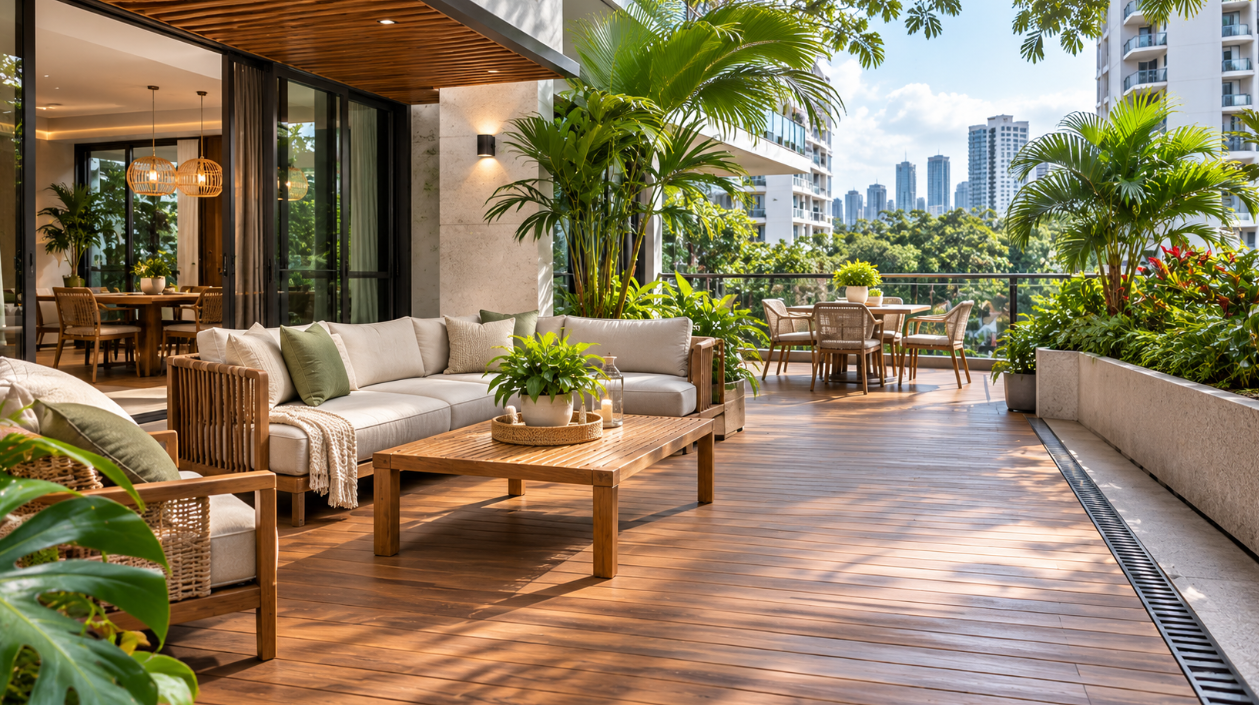
A well designed outdoor space can make a home more comfortable, attractive, and enjoyable. Whether you have a condominium balcony, rooftop terrace, garden patio, or poolside area, the right flooring creates a practical foundation for outdoor living. Choosing decking in Singapore requires careful attention to material quality, moisture resistance, drainage, safety, and maintenance. Singapore’s tropical weather presents particular challenges, so selecting a suitable decking system is essential for achieving reliable long term performance.
Outdoor decking can transform an ordinary space into a welcoming area for relaxation, family gatherings, and everyday activities. However, different materials respond differently to sunlight, humidity, and rainfall. A product that looks attractive in a showroom may require additional maintenance when exposed to tropical conditions.
Therefore, homeowners should consider the complete decking system rather than focusing only on appearance. Understanding the available options makes it easier to create an outdoor space that combines style, comfort, and practical durability.
Why Outdoor Decking Requires Special Consideration in Singapore
Singapore experiences warm temperatures, high humidity, and frequent rainfall throughout the year. These conditions affect outdoor flooring materials, particularly those exposed directly to changing weather.
Prolonged moisture can encourage biological growth on surfaces and contribute to deterioration in vulnerable materials. Meanwhile, direct sunlight can cause certain finishes to fade and some decking surfaces to become uncomfortable underfoot.
Proper drainage is especially important because trapped rainwater can affect the decking structure and underlying surfaces.
Consequently, a suitable outdoor decking system must address several requirements.
- Resistance to regular moisture exposure
- Appropriate surface grip during wet conditions
- Effective drainage and ventilation
- Compatibility with the existing structure
- Reasonable cleaning and maintenance needs
- Suitable materials for direct sunlight
Although no decking material is completely maintenance free, thoughtful selection and installation can reduce avoidable problems.
The best option depends on the location, expected use, construction details, and personal preferences.
7 Essential Tips for Choosing Decking in Singapore
Selecting outdoor decking involves more than comparing colors or board patterns. The following considerations help homeowners make informed decisions based on Singapore’s climate and common residential settings.
1. Choose Decking Materials That Suit Tropical Weather
Material selection has a major influence on appearance, maintenance, and long term performance.
Several flooring options are available, including natural hardwood, wood plastic composite, and alternative outdoor surfaces.
Each material offers different benefits and limitations.
Natural Timber Decking
Natural timber creates a warm appearance that complements tropical landscaping and contemporary architecture.
Hardwood species such as teak, chengal, and balau are commonly considered for outdoor applications. However, performance varies according to species, timber quality, treatment, and installation conditions.
Well selected hardwood can provide attractive results when installed and maintained correctly.
Nevertheless, natural timber remains sensitive to environmental exposure. Some boards may gradually change color, develop small surface cracks, or experience dimensional movement.
Periodic cleaning and suitable protective finishing may be required depending on the timber and desired appearance.
Buyers should also consider the origin and documentation of the wood when evaluating environmental responsibility.
Wood Plastic Composite Decking
Composite decking combines wood based components with polymer materials.
Its appearance can resemble natural timber while offering different maintenance characteristics.
Many composite products are designed to resist common outdoor moisture conditions without requiring the same finishing routine as traditional wood.
However, composite quality varies considerably.
Some products may experience fading, surface staining, thermal expansion, or changes in appearance over time.
Furthermore, dark composite boards can become hot under direct sunlight.
Homeowners should examine product specifications, installation requirements, and realistic maintenance expectations before purchasing.
Other Outdoor Decking Alternatives
Certain outdoor flooring systems use aluminum, polymer materials, or porcelain surfaces with timber inspired finishes.
These options can suit particular design preferences and technical requirements.
For example, aluminum systems avoid biological decay associated with timber, but their surface temperature, finish, and support design still require consideration.
Porcelain tiles offer another approach to outdoor flooring, although they are not equivalent to raised timber decking systems.
Comparing the complete installation method is essential because materials with similar appearances may have different structural requirements.
2. Prioritize Proper Drainage and Ventilation
Rainwater management is one of the most important aspects of outdoor decking installation.
When water becomes trapped beneath boards, it may contribute to persistent dampness, unpleasant odors, and deterioration of vulnerable components.
The supporting surface should allow water to reach its intended drainage points.
Additionally, suitable spaces between decking boards can help surface water pass through rather than remain on top.
Allow Space for Material Movement
Different materials expand and contract when exposed to temperature and moisture changes.
Therefore, installers must follow the spacing requirements specified for the selected decking system.
Incorrect spacing can lead to boards pressing against one another or developing visible gaps.
The correct arrangement depends on board composition, dimensions, exposure conditions, and manufacturer instructions.
Maintain Access to Drainage Points
Floor drains must remain accessible for cleaning and inspection.
Installing decking directly over a drainage outlet without suitable access can create maintenance difficulties.
This is especially relevant for condominium balconies and rooftop terraces where drainage systems form part of the existing building design.
A well planned installation should protect the underlying waterproofing and allow necessary maintenance without extensive dismantling.
3. Consider Slip Resistance and Surface Comfort
Outdoor decking can become wet during rainfall, cleaning, or nearby water activities.
Therefore, surface grip is an important consideration, especially around swimming pools, garden pathways, and exposed balconies.
Choose decking with appropriate wet surface performance for its intended application.
Textured boards may provide useful grip, but surface appearance alone does not prove slip resistance.
Product testing information and installation conditions should guide the decision.
Evaluate Surface Temperature
Singapore’s strong sunlight can increase the temperature of exposed decking.
Dark colored materials may absorb more solar energy, making them uncomfortable for barefoot use.
However, actual surface temperature depends on material composition, finish, airflow, and exposure.
Where possible, examine samples under realistic outdoor conditions.
Lighter finishes, appropriate shading, and thoughtful landscaping may improve comfort.
Check for Splinters and Sharp Edges
Natural timber should have a suitable surface finish and properly treated edges.
Regular inspections can help identify raised fasteners, loose boards, and developing splinters.
These issues are particularly important in areas used by children, older residents, or people who frequently walk barefoot.
Comfort and safety should remain central to the decking design.
4. Match the Decking System to Your Property
Not every outdoor space can accommodate the same flooring system.
A ground level garden patio has different requirements from a high rise condominium balcony.
Before selecting materials, inspect the existing surface, available height, drainage arrangement, and structural limitations.
For raised decking, the supporting framework must be suitable for the expected loads.
Condominium Balcony Requirements
Condominium residents should check the management corporation’s renovation requirements before beginning work.
The Management Corporation Strata Title, commonly known as the MCST, may have rules governing flooring modifications, balcony appearance, and access to shared building components.
Residents should not assume that removable decking tiles or raised platforms are automatically permitted.
Approval requirements depend on the proposed work and applicable building rules.
HDB and Landed Property Considerations
For HDB flats, relevant renovation guidelines may restrict certain flooring alterations, raised platforms, and changes affecting existing finishes or drainage.
Homeowners should confirm the requirements applicable to their specific proposal before installation.
Landed properties may offer greater flexibility, but substantial structural alterations or changes to roof terraces can require additional review.
Consulting qualified professionals early helps avoid unnecessary redesigns and compliance problems.
5. Select a Design That Complements Your Home
Outdoor decking influences the overall appearance of a residential space.
A suitable design should complement surrounding walls, furniture, landscaping, and architectural finishes.
For contemporary homes, clean plank arrangements and neutral colors can create a refined appearance.
Meanwhile, traditional timber tones may work well with tropical gardens and natural stone features.
Choose Appropriate Board Colors
Light brown and natural oak inspired finishes can create an inviting atmosphere.
Darker shades may provide a more dramatic appearance, especially when paired with modern outdoor furniture.
However, consider heat absorption, visible dust, and maintenance expectations when choosing a color.
Physical samples are useful because digital images may not accurately represent outdoor lighting conditions.
Plan Board Direction and Layout
Board direction can influence how spacious or organized an outdoor area appears.
Long boards may emphasize the length of a narrow terrace, while carefully aligned patterns can create visual continuity.
Nevertheless, board direction must remain compatible with structural support, drainage, and installation specifications.
An attractive pattern should never compromise the functional requirements of the decking system.
6. Choose Experienced Decking Installers
Professional installation plays an important role in long term decking performance.
Even suitable materials can develop problems when the supporting structure, spacing, or drainage details are incorrect.
An experienced contractor should evaluate the existing surface before recommending a system.
They should also explain how the installation will handle moisture, ventilation, movement, and future maintenance.
Questions to Ask Before Installation
Consider asking prospective installers:
- Which decking materials are suitable for this location?
- How will the installation protect existing waterproofing?
- What drainage and ventilation arrangements are required?
- How will the supporting framework be secured?
- What maintenance does the selected material require?
- What workmanship and material warranties apply?
Clear answers can help homeowners distinguish practical recommendations from purely decorative suggestions.
Request a written quotation that describes materials, installation methods, and the scope of work.
7. Evaluate Long Term Costs Instead of Initial Price Alone
Budget is another important factor when selecting decking in Singapore.
Installation prices depend on material selection, site accessibility, supporting structures, project size, and finishing requirements.
A relatively inexpensive material may need more frequent maintenance, while a higher initial investment may involve different ongoing costs.
However, expensive products do not automatically provide better performance.
The correct comparison considers the complete ownership experience.
Understand Total Ownership Costs
Potential expenses include material purchases, installation labor, surface cleaning, protective treatments, repairs, and eventual replacement.
For natural timber, refinishing requirements may influence long term spending.
Composite systems may reduce certain finishing needs but can still require cleaning and component replacement.
Therefore, homeowners should request detailed quotations and understand the maintenance responsibilities associated with each material.
Best Decking Options for Different Outdoor Spaces
Outdoor spaces vary in size, exposure, and intended use.
Choosing materials according to the setting helps achieve better practical results.
Balcony Decking for Apartments
Balconies often have limited floor space and fixed drainage arrangements.
Low profile systems may be suitable where permitted and technically appropriate.
However, the finished floor height must not create unsafe thresholds or reduce required protective barrier heights.
The installation should also preserve drainage access and avoid damaging existing waterproofing.
Compact outdoor furniture and simple board patterns can help maintain a spacious appearance.
Garden and Patio Decking
Garden decking can create comfortable seating areas and connect different landscape features.
The supporting structure must account for ground conditions, moisture, and contact with vegetation.
For timber systems, appropriate separation from wet soil can help reduce prolonged moisture exposure.
Additionally, the surrounding landscape should allow rainwater to drain away from the property.
A well planned garden deck can accommodate dining furniture, outdoor seating, and small decorative planters without restricting movement.
Rooftop Terrace Decking
Rooftop terraces are exposed to sunlight, wind, and rainfall.
Consequently, decking systems require careful consideration of structural capacity, wind exposure, waterproofing, and drainage.
Installers should not penetrate waterproofing membranes without an approved technical solution.
Raised systems may also introduce additional loading that requires professional assessment.
Property owners should confirm that the rooftop area is approved for its intended use before planning improvements.
Poolside Decking
Poolside areas require particular attention to wet surface grip and comfortable barefoot use.
Choose materials suitable for frequent water exposure and any pool treatment chemicals likely to contact the surface.
Avoid sharp edges, unstable boards, and surfaces that become excessively hot.
The surrounding drainage should prevent water from collecting in unwanted areas.
Regular cleaning is also important because wet outdoor environments can encourage slippery surface growth.
Understanding the Outdoor Decking Installation Process
A clear installation process helps homeowners evaluate workmanship and identify potential problems before they become expensive.
Although methods vary by material, most projects involve several important stages.
Site Inspection and Measurement
The installer begins by measuring the intended decking area.
They assess the existing surface, available height, drainage points, and access restrictions.
For elevated installations, structural suitability becomes particularly important.
This initial inspection helps determine which systems can be installed safely and practically.
Material and Layout Planning
Once the site requirements are understood, the homeowner and installer select suitable decking materials.
Board dimensions, finish, color, and placement should be confirmed before installation.
The layout must also account for expansion allowances, drainage openings, and access to important building components.
Careful planning can reduce unnecessary cutting and material waste.
Supporting Framework Preparation
Many decking systems require a supporting framework or pedestal arrangement.
The support design must accommodate the selected boards and expected loads.
Appropriate spacing and secure connections help prevent movement during normal use.
Where the deck sits above an existing waterproofed surface, the installation method must protect that surface.
Board Installation and Final Inspection
Decking boards are installed according to the selected system’s requirements.
The installer checks spacing, fastening, edge finishing, and alignment.
After installation, the completed surface should be inspected for loose components, uneven sections, and drainage obstructions.
The contractor should explain cleaning requirements and identify any components that need periodic inspection.
How to Maintain Outdoor Decking in Singapore
Regular maintenance supports both appearance and safety.
Because outdoor decking is exposed to tropical weather, homeowners should establish a practical cleaning routine.
Keep the Surface Clean
Remove leaves, dirt, and debris before they accumulate.
Use suitable cleaning products recommended for the decking material.
For many surfaces, gentle washing and a soft brush can remove ordinary dirt.
Avoid aggressive chemicals or high pressure cleaning unless the manufacturer confirms that the method is appropriate.
Incorrect cleaning can damage finishes or affect the surface texture.
Inspect for Moisture and Surface Damage
Check for standing water, loose boards, damaged fasteners, and blocked drainage channels.
Natural timber may also need inspection for splitting, decay, or biological damage.
Composite materials should be checked for movement, cracks, or damaged components.
Addressing small issues early can help prevent more extensive repairs.
Follow Material Specific Care Instructions
Different decking products require different maintenance methods.
Some natural timber finishes need periodic renewal to maintain their appearance.
Composite boards may require specific cleaning methods to remove stains or biological growth.
Always follow the selected manufacturer’s care instructions.
A suitable maintenance routine should reflect the material, environmental exposure, and frequency of use.
Common Decking Mistakes Homeowners Should Avoid
Certain installation and purchasing mistakes can reduce the performance of an otherwise attractive outdoor deck.
One common problem is selecting materials solely because of their appearance.
Another is ignoring drainage, particularly when installing flooring over existing balcony surfaces.
Improper board spacing can also create problems as materials expand or contract.
Similarly, insufficient support may cause unwanted movement or uneven sections.
Homeowners should avoid making decisions based exclusively on the lowest quotation.
A cheaper proposal may exclude necessary preparation, quality components, or finishing work.
Finally, overlooking future maintenance can create inconvenience.
A practical decking design should allow cleaning, inspection, and replacement of individual components where necessary.
How to Choose a Reliable Decking Contractor in Singapore
Choosing a suitable contractor can make the installation process easier to manage.
Start by reviewing experience with the type of property and decking system you intend to use.
A contractor familiar with landed garden installations may not necessarily have the same experience with condominium balcony requirements.
Ask to see examples of relevant completed projects.
Also request clear material specifications and an explanation of the proposed supporting structure.
Compare Detailed Quotations
When comparing quotations, check whether they include:
- Site preparation and existing surface assessment
- Decking material type and specifications
- Supporting framework and fastening components
- Edge finishing and drainage considerations
- Installation labor and disposal arrangements
- Warranty terms and maintenance guidance
A transparent quotation makes it easier to identify differences between proposals.
It also reduces uncertainty about the work included in the agreed price.
Review Communication and Aftercare
A reliable contractor should communicate clearly about installation limitations and maintenance needs.
They should explain potential problems rather than promise that every material is completely resistant to weather damage.
Where warranties are offered, understand which defects are covered and what conditions apply.
Good aftercare information helps homeowners maintain the finished decking responsibly.
Frequently Asked Questions
What is the best material for decking in Singapore?
Natural hardwood and quality composite decking are common options. The best choice depends on weather exposure, maintenance preferences, budget, and installation requirements.
Is composite decking suitable for Singapore’s weather?
Many composite decking products are designed for outdoor moisture exposure. However, performance varies by formulation, and proper drainage, spacing, and cleaning remain important.
How long does outdoor decking last in Singapore?
Decking lifespan depends on material quality, exposure, installation, and maintenance. No single lifespan applies to every timber or composite product.
Is decking allowed on condominium balconies in Singapore?
It may be permitted, but homeowners should check their MCST requirements and any applicable building rules before installing balcony decking.
Does outdoor timber decking require regular maintenance?
Yes. Natural timber usually requires cleaning and periodic inspection. Some finishes also need renewal depending on weather exposure and the desired appearance.
How much does decking installation cost in Singapore?
Costs vary with material selection, project size, site accessibility, supporting structures, and labor. A detailed site specific quotation provides a more reliable estimate.
Conclusion
Choosing the right decking in Singapore involves balancing visual appeal, weather suitability, safety, and long term maintenance. Natural timber offers warmth and character, while composite and alternative materials provide different practical benefits. Proper drainage, suitable structural support, and experienced installation are essential for dependable outdoor performance. By evaluating these factors carefully, homeowners can create attractive and functional outdoor spaces that complement their properties and remain enjoyable through Singapore’s tropical conditions.
