
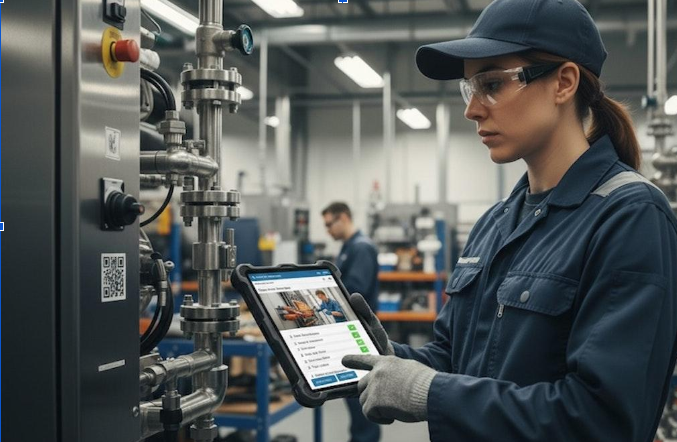
Many organizations have adopted digital tools for communication, finance, customer management, and project planning. However, maintenance operations are often still managed through spreadsheets, paper forms, emails, and informal conversations. These disconnected methods can make it difficult to identify urgent problems, assign responsibility, and confirm whether work has been completed.
The challenge becomes more serious as an organization grows. A small maintenance team may be able to handle requests through phone calls or shared spreadsheets, but the same approach becomes unreliable when multiple buildings, departments, assets, and technicians are involved. Requests can be overlooked, information can be entered incorrectly, and managers may have little visibility into the status of ongoing work.
A centralized digital system provides a more structured approach. By using work order management software, maintenance and facilities teams can collect requests, assign work to technicians, monitor progress, and document completed tasks in one place. This creates a consistent process from the moment a problem is reported until the work order is closed.
The Limitations of Manual Maintenance Processes
Manual systems may appear simple, but they often create unnecessary administrative work. A maintenance request might begin with an email, phone call, or handwritten note. Someone must then record the details, decide who should handle the job, contact the technician, and follow up to determine whether the work was completed.
Each additional step creates another opportunity for information to be delayed or lost. A technician may receive an incomplete description of the problem, two employees may unknowingly respond to the same request, or an urgent repair may remain buried beneath less important tasks.
Paper forms and spreadsheets also make it difficult to maintain an accurate history of previous work. When records are stored in different locations, teams may struggle to determine when equipment was last repaired, what parts were used, or whether the same issue has occurred before.
Centralizing Maintenance Requests
One of the main advantages of a digital maintenance system is that it gives employees a consistent way to submit requests. Instead of sending messages through several channels, users complete a standardized digital form containing the relevant details.
The form can request information such as:
- The location of the problem
- The affected asset or equipment
- A description of the issue
- The level of urgency
- Supporting photographs or documents
- The preferred completion date
Collecting this information at the beginning of the process reduces the need for technicians to request clarification later. It also helps maintenance managers compare requests and decide which jobs should receive immediate attention.
Centralization also provides greater transparency. Requesters can check the status of their submissions without repeatedly contacting the maintenance department, while managers can see all open, scheduled, and completed work from one system.
Improving Task Assignment and Scheduling
Assigning maintenance work manually can take considerable time, especially when managers must consider technician availability, location, workload, and expertise.
Digital systems make this process easier by displaying current assignments and upcoming schedules. Managers can direct each work order to an appropriate technician and provide the instructions, location details, and supporting information needed to complete the job.
Some systems can also route requests automatically according to predefined rules. For example, electrical issues may be directed to one technician, while plumbing or HVAC requests are assigned to another. Urgent safety-related requests can be flagged so that they receive immediate attention.
This structured approach reduces confusion over responsibility. Each work order has a clear owner, priority, due date, and status, making it easier for teams to coordinate their daily workload.
Giving Technicians Access to Better Information
Maintenance technicians frequently work away from a central office. When information is stored on paper or in desktop-based systems, they may need to return to the office to receive an assignment, check equipment records, or complete documentation.
Mobile access allows technicians to review their work orders wherever the job is located. They can see the request description, previous maintenance activity, photographs, instructions, and other relevant details before starting the repair.
Technicians can also update the work order while completing the job. They may record notes, upload photographs, document labor hours, list the parts used, and mark the request as completed.
Entering information at the point of service improves accuracy because technicians do not need to reconstruct the details later. It also gives managers and requesters access to current status information without waiting for paperwork to be returned.
Creating a Reliable Maintenance History
Every completed work order contains useful operational information. Over time, these records create a history of how frequently assets require attention, how long repairs take, and what resources are being used.
A reliable maintenance history can help organizations answer important questions:
- Which assets generate the most maintenance requests?
- Are certain problems occurring repeatedly?
- How much time is spent on different types of work?
- Which repairs require the most parts or labor?
- Are technicians meeting expected completion times?
- Should an unreliable asset be repaired or replaced?
Without centralized records, these patterns may remain hidden across emails, spreadsheets, and paper documents. A digital system organizes the information so that managers can identify trends and make better-informed decisions.
Historical data can also support preventive maintenance planning. When teams understand how equipment has performed over time, they can schedule inspections or servicing before a predictable failure disrupts operations.
Reducing Administrative Work
Maintenance teams should spend most of their time resolving problems and protecting important assets—not searching for information, copying data, or repeatedly sending status updates.
Digital maintenance systems reduce administrative work by creating one process for request submission, assignment, communication, and documentation. Notifications can automatically inform technicians of new assignments and update requesters when the status changes.
Managers no longer need to contact every technician individually to determine what has been completed. Instead, they can view the status of open work orders through a centralized dashboard.
This does not eliminate the need for human decision-making. Maintenance managers still need to evaluate priorities, allocate resources, and respond to unexpected problems. The technology simply removes repetitive coordination tasks and gives them better information for making those decisions.
Supporting Data-Driven Maintenance Decisions
Digital transformation is most valuable when it improves more than convenience. By collecting consistent maintenance data, organizations can begin measuring the performance of their operations.
Useful metrics may include:
- Average response time
- Average completion time
- Number of open work orders
- Percentage of overdue requests
- Labor hours by work category
- Maintenance costs by asset
- Recurring issues by location
- Preventive versus reactive maintenance activity
These measurements help managers identify bottlenecks and establish realistic performance goals. For example, a high number of overdue requests may indicate that the team is understaffed, assignments are being prioritized poorly, or technicians lack the parts needed to complete their work.
The same information can help leadership understand where maintenance resources are being used and whether additional investment is needed.
Choosing the Right Digital System
Organizations should evaluate their existing processes before adopting new software. Adding technology to an unclear or inconsistent workflow may simply transfer the same problems into a digital format.
Teams should first document how requests are currently submitted, prioritized, assigned, completed, and reviewed. They can then identify the stages that create the most delays or administrative effort.
A suitable system should be easy for both requesters and technicians to use. Important capabilities may include customizable request forms, mobile access, automated routing, scheduling, notifications, reporting, and maintenance-history tracking.
Integration should also be considered. The system may need to connect with inventory, purchasing, asset management, or other operational platforms. Choosing compatible tools reduces duplicate data entry and prevents the maintenance system from becoming another isolated source of information.
A More Connected Approach to Maintenance
Maintenance is an essential part of daily operations, but its processes are often less digitized than other areas of an organization. Paper forms, spreadsheets, and informal communication may work temporarily, but they provide limited visibility and become increasingly difficult to manage at scale.
A centralized digital system creates a clearer connection between the people reporting problems, the managers assigning work, and the technicians completing it. Requests are easier to prioritize, responsibilities are easier to track, and completed work creates a useful record for future planning.
By treating maintenance data as part of a broader digital-transformation strategy, organizations can move beyond reactive repairs and develop a more organized, measurable, and reliable approach to managing their facilities and assets.
