
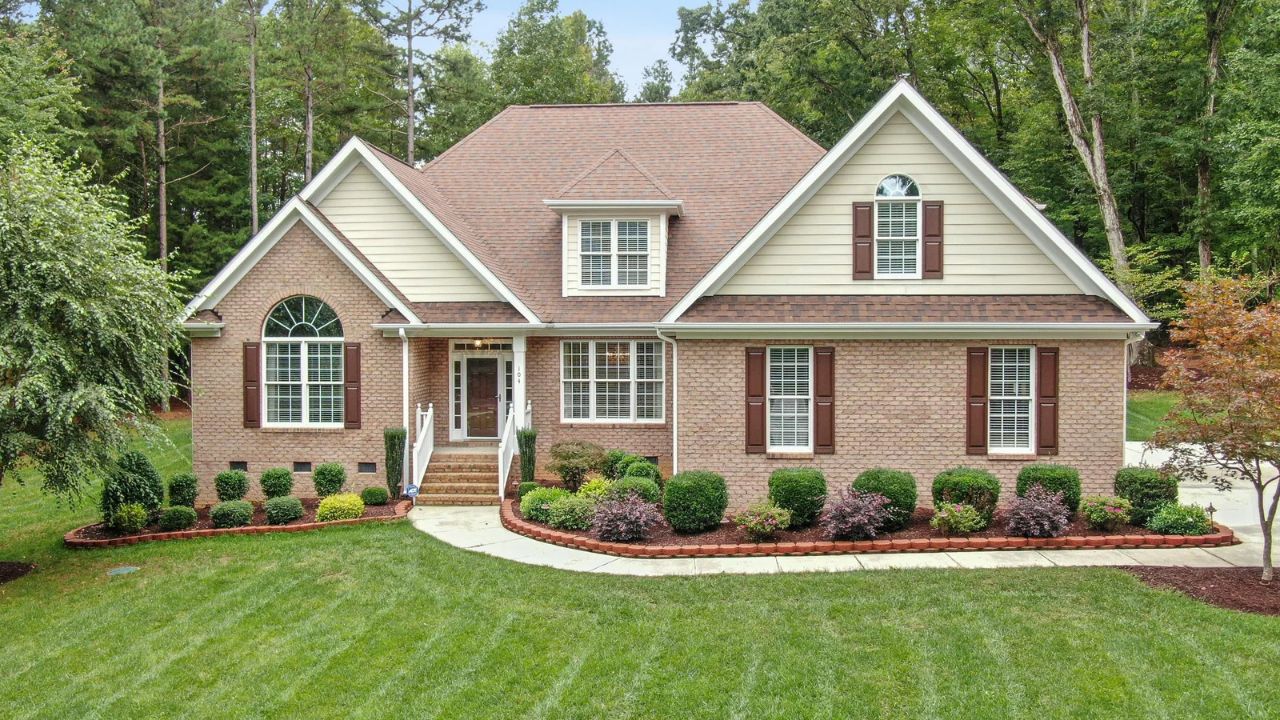
Searching for exterior painting toronto services is often the first step toward improving a home’s appearance while protecting its exterior surfaces from everyday weather exposure. A fresh coat of paint can refresh faded siding, highlight architectural details, and create a more welcoming property. However, successful exterior painting involves much more than choosing an attractive colour. Toronto homeowners must consider seasonal temperatures, moisture, surface condition, paint compatibility, and the quality of preparation before starting a project.
Toronto’s changing seasons can place considerable demands on exterior finishes. Winter brings freezing temperatures, while spring rain, summer humidity, intense sunlight, and autumn temperature fluctuations affect how painted surfaces age. These conditions make appropriate materials and application practices essential.
An effective painting project begins with a careful assessment of the home. Wood siding, brick, stucco, fibre cement, and metal surfaces have different preparation and coating requirements. Even neighbouring houses may need completely different approaches because of differences in construction and previous maintenance.
Understanding the process helps homeowners compare contractor estimates, select appropriate products, avoid common mistakes, and plan an exterior improvement that looks good and performs as intended.
Why Exterior House Painting in Toronto Requires Careful Planning
Toronto homes face a combination of temperature changes, seasonal moisture, and exposure to sunlight. These factors influence both the appearance and performance of exterior coatings.
Paint creates a protective finish, but it cannot compensate for damaged building materials or unresolved moisture problems. If water enters through defective flashing, deteriorated caulking, or cracked surfaces, a new coating may eventually peel or blister.
Professional exterior painting therefore requires an understanding of the building’s condition and the environment surrounding it.
How Toronto’s Climate Affects Exterior Paint
Winter weather can expose exterior surfaces to repeated freezing and thawing. Moisture trapped in porous materials may contribute to deterioration, particularly where existing coatings are already damaged.
During summer, strong sunlight can heat dark surfaces and affect how quickly freshly applied coatings dry. High humidity can also slow drying under certain conditions.
These environmental changes make product selection and application timing important.
Why Surface Preparation Matters More Than Appearance
A newly painted wall may look attractive immediately after application, even when preparation has been inadequate.
Unfortunately, paint applied over loose coatings, dirt, or moisture may develop adhesion problems.
Proper cleaning, repairs, surface preparation, and compatible primers help create suitable conditions for the finish coat.
The objective is to establish a sound coating system rather than simply covering visible imperfections.
When Is the Best Time for Exterior Painting in Toronto?
The ideal painting period depends on temperature, humidity, rainfall, surface moisture, and the selected product.
Late spring through early autumn generally offers more opportunities for suitable exterior painting conditions in Toronto. However, calendar dates alone cannot determine whether a particular day is appropriate.
Exterior Painting During Spring
Spring is a common time for homeowners to assess winter damage and plan exterior maintenance.
Milder temperatures can provide suitable painting opportunities, but frequent rain and changing conditions require careful scheduling.
After rainfall, wood and masonry surfaces may retain moisture even when they appear dry.
A contractor should confirm that the substrate meets the coating manufacturer’s requirements before proceeding.
Summer Exterior Painting Conditions
Summer offers longer daylight hours and many opportunities for outdoor projects.
However, high surface temperatures and intense sunlight can create difficulties.
Paint applied to excessively hot siding may dry too quickly, affecting application and film formation.
Experienced painters often organise their work around shaded areas and suitable daily weather conditions.
Painting During Early Autumn
Early autumn can provide favourable conditions when temperatures remain within the product’s recommended application range.
Nevertheless, cooler evenings, condensation, and shorter daylight hours can limit working periods.
A coating must have sufficient time to dry and develop its intended properties before unsuitable conditions arrive.
Check the Complete Weather Window
Do not evaluate painting conditions using afternoon temperature alone.
Review expected overnight temperatures, moisture, rain, and the drying requirements of the specific paint.
Some modern coatings tolerate lower application temperatures than others, but the manufacturer’s instructions should always take priority.
Nine Important Decisions for a Successful Exterior Painting Project
A durable and attractive exterior finish depends on several connected decisions. Each influences the quality of the completed work and the maintenance the home may require later.
1. Inspect the Exterior Before Selecting Paint
Begin with a detailed examination of the surfaces that need attention.
Look for peeling paint, deteriorated caulking, loose boards, water stains, cracked stucco, and exposed wood.
These conditions can indicate ordinary coating wear or underlying building problems.
Identify Moisture Sources
Water damage should be investigated before repainting.
Check gutters, downspouts, window surrounds, roof edges, and other areas where moisture may enter.
Painting over an active leak will not solve the underlying problem.
Correcting defects first protects the investment in surface preparation and finishing.
2. Match Paint to the Existing Surface
Exterior coating systems are designed for particular materials and operating conditions.
A product suitable for wood siding may not be appropriate for every brick, stucco, or metal surface.
Consider the substrate, its previous coating, and its exposure to moisture.
Understand Paint Compatibility
Existing paint can influence the choice of new coating.
Some surfaces require specialised preparation or primers to support adhesion.
A professional should identify the existing material and select products that are compatible with the substrate and previous finishes.
Do not assume every exterior paint can be applied directly over any old coating.
3. Choose Colours That Complement the Home
Colour selection influences how a property relates to its architecture and surrounding landscape.
Toronto includes traditional brick houses, modern detached homes, townhouses, and properties featuring combinations of siding, stone, and wood.
A suitable colour scheme should complement the building’s existing materials.
Consider Architectural Details
Warm white, muted grey, earthy green, soft beige, and deep charcoal can work in different architectural settings.
However, no individual colour is universally appropriate.
Consider the roof, window frames, entrance, masonry, and nearby homes.
Test Samples in Natural Light
Paint colours can appear different under morning sunlight, afternoon shade, and overcast conditions.
Apply suitable samples to representative areas before making a final choice.
Examine them at different times of day to understand how the colour interacts with the building.
4. Prioritise Thorough Surface Preparation
Surface preparation is among the most important stages of exterior house painting.
The necessary work depends on the condition and type of existing material.
Typical preparation may include removing dirt, treating appropriate biological growth, scraping loose paint, sanding sound edges, and repairing minor defects.
The goal is to produce a clean, stable, and suitably dry surface.
Avoid Aggressive Cleaning Methods
Excessive water pressure can damage wood, force moisture behind siding, or disturb deteriorated coatings.
Older painted surfaces may also require special precautions because of potentially hazardous materials.
Professional assessment is important when existing coatings are unknown or deteriorating extensively.
Cleaning methods should match the material and condition of the building.
5. Select the Right Primer
Primer helps prepare certain surfaces for subsequent coatings.
Its purpose may include improving adhesion, reducing uneven absorption, or addressing specific staining concerns.
Not every surface requires the same primer, and some previously painted surfaces may not require a separate primer under an approved coating system.
When Spot Priming Is Necessary
Exposed bare wood, repaired areas, and certain patched surfaces often require attention before finish coats are applied.
A compatible primer can help create more consistent surface conditions.
The correct primer depends on the substrate and the coating manufacturer’s recommendations.
6. Use an Appropriate Exterior Paint System
Paint quality is not determined by price alone.
A suitable exterior product should be compatible with the surface and appropriate for the expected weather exposure.
Modern exterior acrylic coatings are commonly used on residential siding and trim where their specifications permit.
Other materials may require specialised coatings.
Understand Finish and Sheen
Flat or low sheen finishes can reduce the visibility of minor surface imperfections.
Satin and semi gloss finishes may be selected for particular trim and architectural details.
The appropriate finish also depends on appearance preferences, maintenance needs, and the product’s intended application.
Homeowners should review the coating system rather than selecting products solely from a colour chart.
7. Plan the Application Method
Professional painters use brushes, rollers, and spraying equipment depending on surface design and project requirements.
Brushes allow controlled application around trim and detailed features.
Rollers can provide effective coverage on many broad surfaces.
Spraying may improve application efficiency on suitable areas, but it requires careful masking and control.
Why Application Technique Matters
Correct film thickness and even coverage contribute to coating performance.
Applying too little material may leave inadequate protection, while excessive coating thickness can create other problems.
Follow the manufacturer’s recommended application rates and recoating intervals.
The method should also account for neighbouring properties, landscaping, windows, and ventilation openings.
8. Evaluate Contractor Experience and Workmanship
Hiring a painter involves more than comparing quoted prices.
Look for experience with residential exteriors, appropriate surface preparation, and the materials used on your home.
Ask how the contractor handles weather interruptions, repairs, access equipment, and protection of surrounding areas.
Request a Detailed Scope of Work
A useful written estimate should identify the surfaces to be painted, preparation procedures, proposed products, number of coats, exclusions, and payment arrangements.
Ask about insurance, relevant safety procedures, and applicable project requirements.
Clear documentation helps both parties understand what is included and reduces disputes during the project.
9. Plan for Future Maintenance
A completed exterior painting project should be followed by regular inspection and reasonable maintenance.
Paint systems age gradually under sunlight, moisture, and environmental exposure.
Small defects may be easier to address before they develop into larger areas of deterioration.
Maintain the Finished Surface
Inspect painted areas for cracking, peeling, staining, and failed sealant joints.
Keep drainage systems functioning and prevent unnecessary water exposure.
Clean surfaces using methods appropriate for the coating.
Good maintenance supports long term appearance and helps identify building problems early.
Understanding Exterior Painting Costs in Toronto
Homeowners researching exterior painting toronto options often want to know how much a project may cost.
There is no reliable universal price because exterior painting projects vary considerably in size, condition, access, and material requirements.
The most useful approach is to understand the factors influencing a written estimate.
Property Size and Accessible Surface Area
Larger homes generally require more materials and labour.
However, floor area alone cannot determine painting costs.
A two storey home with complex architectural details may require substantially more labour than a simpler property with similar dimensions.
Painters typically consider the actual surfaces to be coated and the time required to access them safely.
Surface Condition and Repair Work
A home with sound existing paint may require less extensive preparation than one showing widespread peeling or deteriorated wood.
Repairs can increase project costs because they involve additional materials and labour.
Some repairs may also require specialist trades rather than ordinary painting work.
Number of Coats and Product Selection
The specified coating system affects material consumption and labour requirements.
A major colour change may require different preparation or coverage compared with repainting a similar existing shade.
Ask contractors to explain the proposed coating system and why it is suitable.
Access and Site Conditions
Steep terrain, narrow access routes, tall elevations, and detailed architectural features may complicate the work.
Professional access equipment and additional protective measures can affect cost.
A thorough estimate should account for these conditions before the project begins.
Exterior Painting Requirements for Different Building Materials
Toronto properties feature a variety of exterior surfaces. Each requires an appropriate approach to preparation, coating selection, and maintenance.
Painting Wood Siding and Trim
Wood can absorb and release moisture as environmental conditions change.
Loose paint, exposed fibres, deteriorated joints, and decayed sections should be assessed before repainting.
Sound wood may require cleaning, preparation, priming, and an appropriate exterior finish.
Damaged or rotten components should be repaired or replaced rather than concealed beneath paint.
Painting Brick Exteriors
Painting brick requires particular care.
Brick and mortar systems can absorb and release moisture, and unsuitable coatings may interfere with drying.
Some brickwork may be more appropriate for a compatible breathable mineral coating or other specialised treatment.
Not every brick facade should be painted.
Evaluate Masonry Condition First
Check for crumbling mortar, persistent dampness, salt deposits, and deteriorated brick surfaces.
Painting over these problems can conceal important symptoms without correcting the cause.
A knowledgeable masonry professional may be needed before a coating system is selected.
Painting Stucco Surfaces
Stucco can develop cracks and surface deterioration.
Before applying new coatings, the condition and cause of any cracks should be investigated.
Appropriate repairs and compatible masonry coatings may be required.
The existing stucco composition and previous coating system influence the preparation method.
Painting Metal Features
Metal railings, doors, and exterior architectural components often require rust removal and preparation appropriate to the material.
A compatible primer may be necessary to support adhesion and corrosion resistance.
The treatment required for steel differs from that of aluminium or other metals.
How to Compare Exterior Painting Contractors in Toronto
Choosing a contractor can influence workmanship, project organisation, and the overall customer experience.
Rather than making a decision based only on the lowest estimate, compare the services and responsibilities included in each proposal.
Ask About Previous Residential Projects
Experience with similar buildings is useful.
A contractor familiar with wood siding may have different experience from one specialising in masonry or detailed heritage properties.
Ask for examples of completed projects involving comparable surfaces and building styles.
Review the Written Estimate
The estimate should describe the work clearly enough to support a meaningful comparison.
Review preparation, repairs, paint specifications, surface coverage, cleanup, and any exclusions.
Confirm whether additional work requires written approval before charges are incurred.
Discuss Project Scheduling
Exterior painting depends on suitable weather.
Ask how the contractor handles rain delays, extreme temperatures, or unexpected moisture conditions.
A responsible schedule should allow sufficient time for surface preparation and drying.
Rushing application to meet an unsuitable deadline may compromise results.
Understand Warranty Terms
Some contractors provide workmanship warranties.
The terms may vary in duration, coverage, exclusions, and claim procedures.
A product manufacturer’s warranty is also different from a contractor’s workmanship warranty.
Request clear written details rather than assuming all types of coating failure will be covered.
Common Exterior House Painting Mistakes to Avoid
Even an attractive colour scheme cannot compensate for poor execution.
Certain mistakes can reduce coating performance or create unnecessary maintenance.
Painting Over Damp Surfaces
Moisture can interfere with adhesion and curing.
A surface may appear dry while retaining moisture internally.
Allow suitable drying time and follow the coating manufacturer’s preparation requirements.
Skipping Necessary Repairs
Cracked wood, damaged sealants, and defective exterior components should be addressed before coating.
Paint is not a substitute for building maintenance.
Applying Paint in Unsuitable Weather
Temperature extremes, high humidity, rain, and condensation can create application difficulties.
Choose an appropriate weather window and respect the product’s required conditions during application and early curing.
Ignoring Older Coating Hazards
Older buildings may contain coatings that require additional precautions during removal or disturbance.
Avoid uncontrolled sanding, scraping, or dust generation when hazardous materials may be present.
Seek appropriately qualified assistance and follow applicable safety requirements.
Choosing Products Without Checking Compatibility
Using a popular paint brand does not guarantee that every product is appropriate for every surface.
Review the full coating specification and follow the recommended preparation process.
Special Considerations for Heritage and Older Toronto Homes
Older homes often have architectural features that deserve careful attention.
Decorative wood trim, masonry details, traditional windows, and original exterior materials may require specialised techniques.
Protect Original Architectural Features
Painting should preserve important details rather than hide them under excessively thick coatings.
Damaged decorative elements may require skilled repair before finishing.
Where appropriate, traditional materials and compatible repair techniques can help maintain the building’s character.
Check Heritage Requirements
Some heritage designated properties and conservation areas may be subject to additional requirements affecting exterior alterations.
The applicable rules depend on the property’s status and the proposed work.
Before making significant changes, homeowners should confirm any relevant requirements with the appropriate municipal authority.
Routine maintenance and more substantial alterations may be treated differently.
How to Know When Your Home Needs Repainting
The correct repainting interval depends on the surface, coating, exposure, and maintenance history.
There is no single schedule suitable for every Toronto property.
Fading and Discolouration
Sunlight and environmental exposure can gradually change a paint finish.
Fading may be primarily cosmetic, but it can also accompany broader coating deterioration.
Evaluate the condition of the paint rather than relying on colour change alone.
Peeling or Flaking Paint
Peeling indicates that the coating is no longer adhering properly in the affected area.
Possible causes include moisture, inadequate preparation, incompatible products, or ageing.
Determine the cause before repainting.
Cracking and Exposed Substrates
Cracked coatings and exposed wood can allow additional moisture exposure.
These areas deserve attention, particularly when underlying materials show signs of deterioration.
Prompt maintenance may prevent a small problem from becoming a more extensive repair.
Frequently Asked Questions
What is the best time of year for exterior painting in Toronto?
Late spring through early autumn often provides suitable opportunities, but air temperature, surface moisture, rainfall, and product instructions determine the actual painting window.
How much does exterior painting cost in Toronto?
Costs vary based on building size, surface condition, preparation, access, coatings, and labour. Request detailed written estimates for an accurate comparison.
How long does professional exterior painting take?
Project duration depends on the home’s size, preparation requirements, architectural complexity, and weather. Extensive repairs or rain delays may extend the schedule.
What type of paint is best for exterior house painting?
The best product depends on the substrate and existing coating. Quality exterior acrylic systems are common for suitable surfaces, while masonry and metal may need specialised products.
Can exterior house painting increase property value?
An attractive, properly maintained exterior may improve buyer appeal, but any effect on market value depends on the property, local market, workmanship, and overall condition.
How often should Toronto homeowners repaint their house exterior?
Repainting frequency varies by material, exposure, coating quality, and maintenance. Inspect surfaces regularly and repaint when their condition indicates that renewed protection is needed.
Conclusion
A successful exterior painting project in Toronto combines thoughtful planning, appropriate materials, thorough preparation, and skilled application. Homeowners should consider local weather conditions, building materials, surface repairs, and contractor qualifications before beginning work. Comparing detailed estimates and following recommended coating procedures can help reduce avoidable problems and support a lasting finish. With regular maintenance and attention to emerging defects, a professionally planned paint project can enhance a home’s appearance while helping protect its exterior surfaces.
