
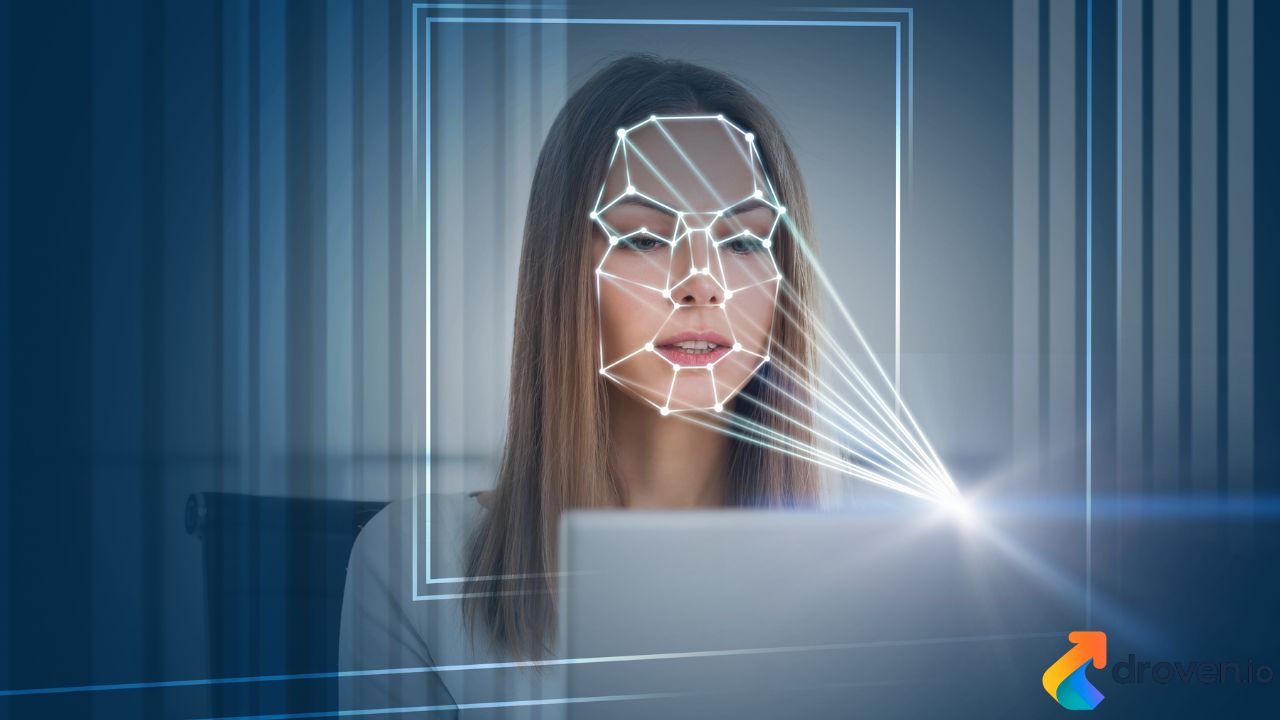
Advancements in artificial intelligence and computer vision have transformed how people search for information online. One emerging technology that has gained significant attention is face search, a system that allows users to identify or locate individuals by analyzing facial features in images or videos. By using facial recognition algorithms, face search tools can compare uploaded images with existing image databases to find similar faces.
Face search technology is widely used across various industries, including security, social media platforms, law enforcement, and digital identity verification. As technology continues evolving, face search tools are becoming more accurate and accessible for both personal and professional use.
While face search offers many benefits such as faster identity verification and improved security, it also raises important discussions about privacy, ethical use, and data protection. Understanding how face search technology works helps individuals and organizations use it responsibly.
What Is Face Search?
Face search refers to a technology that identifies or matches faces in images by analyzing facial characteristics. It is often powered by facial recognition algorithms that measure unique facial features such as the distance between eyes, nose shape, and facial contours.
The process typically involves comparing an uploaded image with a database of stored images to find matches or similar faces.
A typical face search system includes several components:
- Image detection
- Facial feature analysis
- Database comparison
- Matching results
These technologies work together to recognize and match faces with high accuracy.
How Face Search Technology Works
Face search systems rely on advanced artificial intelligence and machine learning algorithms.
The process usually follows several steps.
Face Detection
The system first detects the presence of a face in an uploaded image or video.
Feature Mapping
Specialized algorithms analyze unique facial characteristics such as eye position, jawline, and facial proportions.
Data Conversion
Facial features are converted into digital data known as a facial signature or biometric template.
Database Matching
The system compares this facial signature with stored images in a database to identify potential matches.
Through these processes, face search technology can identify individuals or locate visually similar images online.
Applications of Face Search Technology
Face search technology is used in many different industries and services.
Social Media Platforms
Some social media networks use facial recognition to help users tag friends in photos automatically.
Security and Surveillance
Security systems use facial recognition to identify individuals in restricted areas.
Identity Verification
Banks and online services may use facial recognition for identity confirmation during account registration or login.
Missing Person Searches
Law enforcement agencies sometimes use face search technology to locate missing individuals.
Reverse Image Search Tools
Some online platforms allow users to upload images to find similar photos or identify individuals.
These applications demonstrate the versatility of face search technology.
Benefits of Face Search Technology
Face search offers several advantages for both individuals and organizations.
Faster Identification
Facial recognition can identify individuals quickly compared to manual verification methods.
Improved Security
Security systems using facial recognition can help detect unauthorized access.
Enhanced Digital Convenience
Users can find images or verify identities quickly using automated systems.
Advanced Data Analysis
AI-powered systems can process large image databases efficiently.
These benefits have contributed to the rapid adoption of face search tools across multiple industries.
Face Search vs Reverse Image Search
Face search is often confused with traditional reverse image search, but the two technologies differ in functionality.
Face Search
Focuses specifically on identifying or matching human faces in images.
Reverse Image Search
Searches for visually similar images based on general visual patterns rather than facial features.
Face search systems rely on specialized facial recognition algorithms for more accurate results.
Privacy Concerns Related to Face Search
Although face search technology offers useful capabilities, it also raises concerns about privacy and ethical use.
Unauthorized Data Collection
Images of individuals may be collected without their consent.
Surveillance Risks
Facial recognition systems may be used for large-scale monitoring.
Data Security
Facial data must be stored securely to prevent misuse.
Because of these concerns, many governments and organizations are developing regulations to manage the responsible use of face search technology.
Ethical Considerations of Facial Recognition
Responsible use of facial recognition technology requires clear ethical guidelines.
Important considerations include:
- Transparency in how facial data is used
- Informed consent from individuals
- Fair and unbiased algorithm design
- Compliance with privacy laws
Organizations implementing face search systems must ensure ethical practices are followed.
Accuracy and Limitations of Face Search
Although facial recognition technology has improved significantly, it still has limitations.
Lighting Conditions
Poor lighting may affect image quality and recognition accuracy.
Image Angle
Faces captured at unusual angles may be more difficult to analyze.
Database Size
Recognition accuracy depends on the size and quality of the image database.
Algorithm Bias
Some systems may perform differently depending on demographic factors.
Researchers continue working to improve the accuracy and fairness of face search technologies.
Security Measures for Facial Recognition Systems
Organizations using face search technology often implement security measures to protect biometric data.
Common measures include:
- Encryption of stored data
- Multi-factor authentication systems
- Restricted database access
- Regular system security audits
These practices help ensure that facial recognition systems remain secure and trustworthy.
Future Developments in Face Search Technology
Face search technology is expected to evolve rapidly with advancements in artificial intelligence.
Future developments may include:
Improved Recognition Accuracy
More advanced algorithms will enhance identification accuracy.
Real-Time Face Search
Systems may perform face matching instantly in live video streams.
Integration With Smart Devices
Facial recognition may be integrated into smartphones, smart homes, and wearable devices.
Enhanced Privacy Protection
Future systems may incorporate stronger privacy safeguards.
These developments will likely expand the capabilities of face search technologies.
FAQs
What is face search?
Face search is a technology that identifies or matches faces in images using facial recognition algorithms.
How does face search work?
It analyzes facial features in an image and compares them with a database of stored images to find matches.
Is face search the same as reverse image search?
No. Face search focuses specifically on facial features, while reverse image search looks for visually similar images.
Is face search technology accurate?
Modern facial recognition systems can be highly accurate, although accuracy may vary depending on image quality and database size.
Is face search legal?
The legality of facial recognition technology depends on regional laws and regulations governing privacy and data protection.
Can face search identify anyone online?
Face search tools can only identify individuals if matching images exist within the system’s database.
