
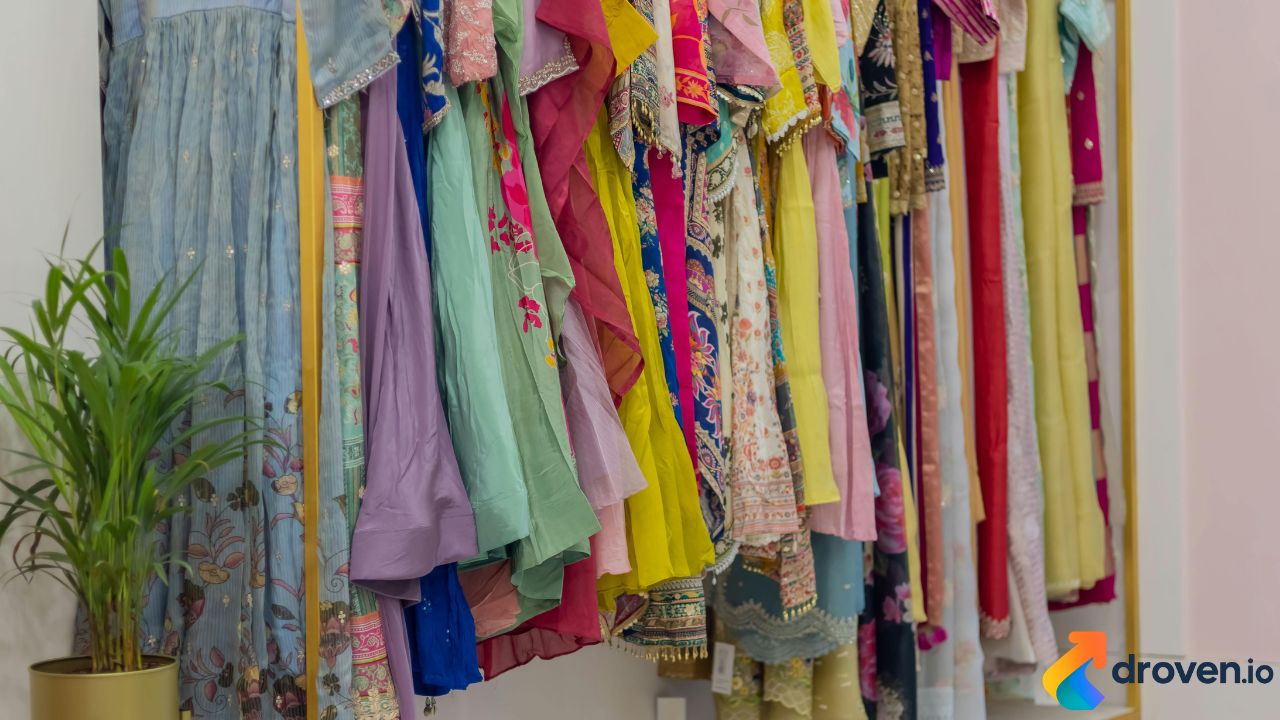
Traditional clothing has always played a significant role in cultural identity and fashion expression. Among the many elegant outfits worn in South Asian fashion, the sharara dress stands out for its graceful silhouette and rich heritage. Known for its dramatic flared pants and intricately designed tops, the sharara dress combines comfort with luxurious style.
The sharara outfit has remained popular for centuries and continues to evolve with modern fashion influences. Today, it is commonly worn at weddings, festivals, formal celebrations, and cultural events. Designers frequently incorporate contemporary fabrics, embellishments, and color palettes to give the sharara dress a fresh and fashionable appeal.
Because of its versatile design and regal appearance, the sharara dress has become a preferred outfit choice for brides, bridesmaids, and fashion enthusiasts who want to celebrate tradition while embracing modern trends.
What Is a Sharara Dress?
A sharara dress is a traditional outfit consisting of three main components: a flared pair of pants called sharara, a kurta or tunic, and a dupatta (scarf). The defining feature of the outfit is the sharara pants, which are wide-legged and heavily flared from the knee downward.
Unlike palazzo pants or ghararas, sharara pants usually flare from the waist or upper thigh, creating a flowing and dramatic silhouette.
A typical sharara dress includes:
- Embroidered or embellished kurta
- Wide flared sharara pants
- Decorative dupatta
These elements combine to create a sophisticated and festive outfit suitable for special occasions.
History and Cultural Origins of the Sharara Dress
The sharara dress has deep roots in South Asian history, particularly during the Mughal era. It was traditionally worn by royal women and noble families in regions such as India, Pakistan, and parts of Central Asia.
During the Mughal period, elaborate garments symbolized wealth and status. Royal women wore sharara outfits made from luxurious fabrics such as silk, brocade, and velvet, often decorated with intricate embroidery and precious stones.
Over time, the sharara dress evolved from royal attire into a widely celebrated traditional outfit worn during weddings and cultural celebrations.
Difference Between Sharara, Gharara, and Palazzo
Many people confuse sharara dresses with similar traditional garments.
Sharara
Sharara pants flare from the waist or upper thigh, creating a smooth flowing appearance.
Gharara
Gharara pants are fitted until the knee and then dramatically flare out with heavy gathers.
Palazzo
Palazzo pants are modern wide-legged trousers without traditional embellishments or gathering.
Understanding these differences helps identify the unique structure of a sharara dress.
Popular Types of Sharara Dresses
Modern fashion designers have introduced various styles of sharara dresses.
Traditional Embroidered Sharara
Traditional designs feature heavy embroidery, zari work, and luxurious fabrics.
Bridal Sharara
Bridal sharara dresses are elaborately decorated with intricate embellishments and rich fabrics.
Party Wear Sharara
These outfits are designed with lighter fabrics and contemporary designs suitable for social events.
Casual Sharara
Simplified versions made with cotton or lightweight fabrics are worn for casual gatherings.
Each type of sharara dress offers a different balance of tradition and comfort.
Fabrics Used in Sharara Dresses
The choice of fabric significantly influences the appearance and comfort of sharara outfits.
Silk
Silk provides a luxurious appearance suitable for formal events.
Georgette
Georgette fabrics create flowing silhouettes and are lightweight.
Chiffon
Chiffon adds elegance and softness to the outfit.
Velvet
Velvet sharara dresses are often used for winter weddings and grand celebrations.
Cotton
Cotton sharara outfits offer comfort for casual or daytime events.
These fabrics allow designers to create diverse styles of sharara dresses.
Embroidery and Decorative Techniques
Traditional sharara dresses are often decorated with intricate craftsmanship.
Common embellishment techniques include:
Zari Work
Gold or silver thread embroidery creates rich decorative patterns.
Mirror Work
Small mirrors are stitched into fabric to create sparkling designs.
Stone and Bead Embellishments
These elements add glamour and elegance to the outfit.
Thread Embroidery
Colorful threads create intricate floral and geometric patterns.
These decorative techniques enhance the beauty of the sharara dress.
How to Style a Sharara Dress
Styling plays an important role in completing the sharara look.
Jewelry
Traditional jewelry such as jhumka earrings, bangles, and necklaces complement the outfit.
Footwear
Embroidered sandals, heels, or traditional juttis pair well with sharara dresses.
Hairstyle
Elegant hairstyles such as soft curls, braids, or classic buns enhance the overall appearance.
Makeup
Traditional makeup with bold eyes and subtle lip shades creates a balanced look.
These styling elements help elevate the elegance of a sharara dress.
Sharara Dress for Weddings
Weddings are one of the most popular occasions for wearing sharara outfits.
Brides and wedding guests often choose sharara dresses because they offer both elegance and comfort. Compared to heavy lehengas, shararas allow easier movement while still maintaining a festive appearance.
Popular wedding sharara styles include:
- Heavy embroidered bridal shararas
- Pastel-colored sharara outfits
- Mirror-work sharara sets
- Designer sharara gowns
The versatility of the sharara dress makes it a favorite choice for wedding celebrations.
Modern Fashion Trends in Sharara Dresses
Fashion designers continue reinventing sharara outfits to suit contemporary tastes.
Recent trends include:
Fusion Sharara Designs
Combining Western silhouettes with traditional sharara elements.
Crop Top Sharara
Replacing traditional kurtas with modern crop tops.
Jacket Style Sharara
Adding long embroidered jackets over the outfit.
Minimalist Sharara
Simple designs with subtle embroidery for modern elegance.
These trends show how the sharara dress continues evolving in modern fashion.
Choosing the Right Sharara Dress
Selecting the perfect sharara dress depends on several factors.
Occasion
Formal events require more elaborate designs, while casual events allow simpler outfits.
Fabric
Choose fabrics based on climate and comfort preferences.
Color
Popular colors include red, gold, pastel shades, and jewel tones.
Fit
Proper tailoring ensures the outfit enhances the wearer’s silhouette.
Careful selection ensures the sharara dress looks elegant and comfortable.
Caring for Sharara Dresses
Proper care helps maintain the beauty of traditional outfits.
Recommended care practices include:
- Dry cleaning embroidered shararas
- Storing outfits in protective garment bags
- Avoiding excessive sunlight exposure
- Folding dupattas carefully to prevent damage
These steps help preserve the quality of the sharara dress for future occasions.
Future of Sharara Fashion
The sharara dress continues gaining global recognition in international fashion markets. Designers are introducing innovative designs that blend traditional craftsmanship with modern fashion aesthetics.
Future trends may include:
- Sustainable fabrics for sharara outfits
- Global fashion collaborations
- Digital fashion platforms promoting traditional clothing
- Custom-designed sharara dresses for international audiences
These developments ensure the sharara dress remains an iconic piece of traditional fashion.
FAQs
What is a sharara dress?
A sharara dress is a traditional South Asian outfit consisting of flared sharara pants, a kurta, and a dupatta.
What occasions are sharara dresses worn for?
Sharara dresses are commonly worn at weddings, festivals, cultural events, and formal celebrations.
What is the difference between sharara and gharara?
Sharara pants flare from the waist, while gharara pants flare dramatically from the knee.
Can sharara dresses be worn casually?
Yes. Lightweight sharara outfits made with cotton or simple fabrics can be worn casually.
What accessories go well with a sharara dress?
Traditional jewelry such as earrings, bangles, and necklaces complement the outfit beautifully.
Are sharara dresses suitable for modern fashion?
Yes. Designers have created many contemporary sharara styles that blend traditional and modern fashion trends.
