
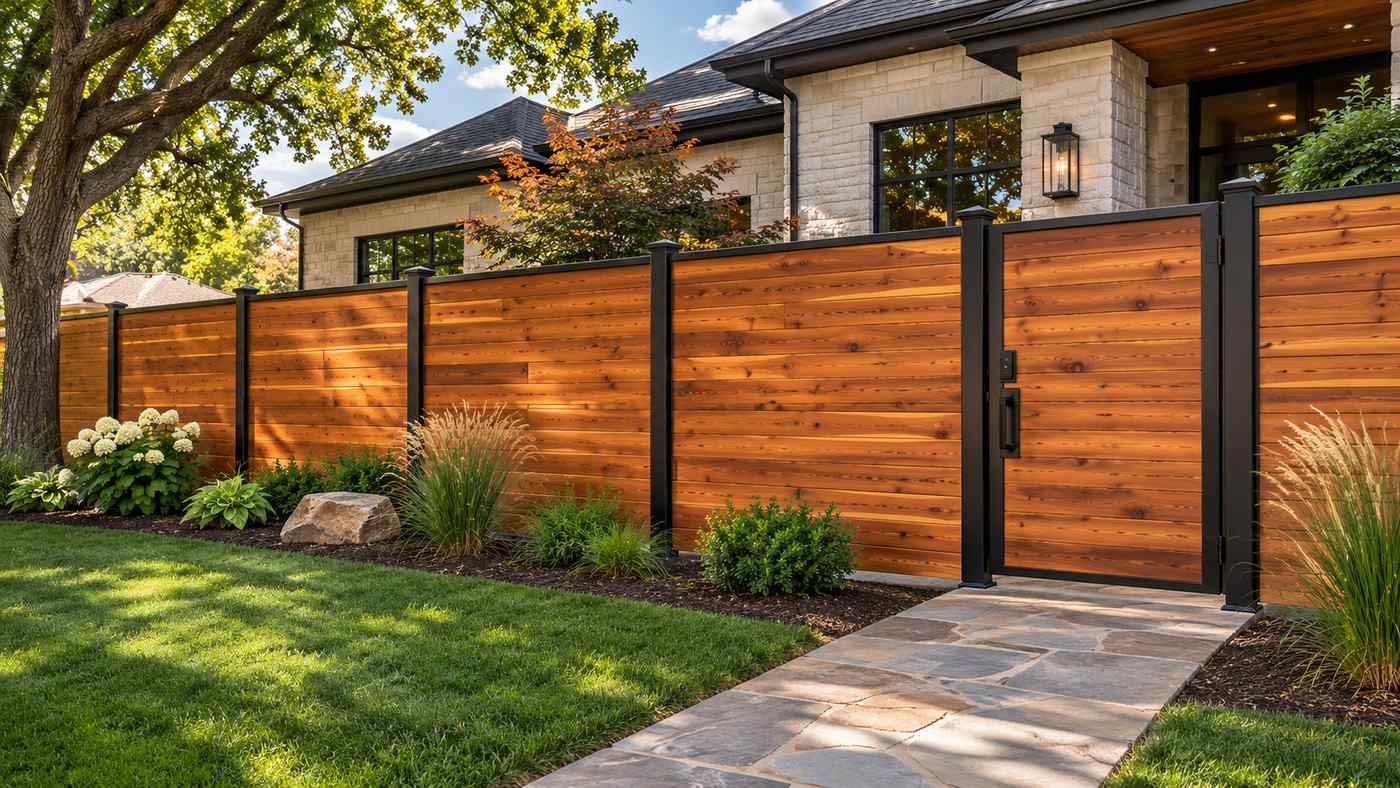
A well designed fence can transform a property by improving privacy, defining outdoor spaces, managing access, and enhancing visual appeal. However, achieving these benefits requires more than selecting attractive panels. Through fence-concepts.com, property owners in Oklahoma City can explore residential and commercial fencing services designed around structural planning, appropriate materials, and professional installation. Understanding how fences perform under everyday use, changing weather, and site conditions helps homeowners and businesses make informed decisions before investing in a new fencing project.
Whether the goal is creating a private backyard, protecting commercial equipment, or upgrading an aging perimeter, a successful fencing project begins with clear objectives. The right combination of design, material selection, installation techniques, and maintenance planning can improve durability while reducing avoidable repair expenses.
Understanding the Importance of Professional Fence Installation
Professional fence installation involves evaluating property boundaries, ground conditions, structural requirements, and the intended purpose of the enclosure before construction begins.
A properly planned fence should provide reliable performance without creating unnecessary maintenance challenges. The appropriate design depends on several factors, including local weather, soil conditions, property layout, and the amount of privacy or security required.
In Oklahoma City, wind exposure and severe weather deserve particular consideration. Fence panels can experience substantial pressure during strong winds, making secure posts, suitable foundations, and appropriate panel designs important.
Fence Concepts & Construction provides residential and commercial fencing services in the Oklahoma City area, including wood, metal, chain link, vinyl, and other fencing options.
Its website, fence-concepts.com, outlines an approach that considers structural stability, environmental conditions, and practical property requirements.
For property owners comparing installation companies, understanding these considerations can make it easier to evaluate recommendations and choose suitable solutions.
1. Define Your Fencing Goals Before Choosing a Design
The first step in planning a fencing project is identifying what the fence must accomplish.
A decorative boundary may require different materials, heights, and construction methods from a commercial security enclosure. Similarly, a backyard privacy fence must address visibility and personal comfort, while a pet enclosure must prioritize containment and secure gates.
Residential Privacy and Outdoor Comfort
Residential fencing commonly serves several purposes.
Homeowners may want to create private outdoor gathering spaces, separate neighboring properties, define gardens, or establish secure areas for children and pets.
Privacy fencing often uses closely spaced panels or overlapping boards to reduce visibility into the property.
However, privacy requirements should be balanced with structural considerations. Solid fencing creates a larger surface for wind pressure than more open designs.
A professional assessment can help determine which options are suitable for a particular location.
Commercial Security and Access Management
Commercial fencing often involves additional operational requirements.
Business owners may need to protect storage areas, manage vehicle entrances, separate pedestrian routes, or establish controlled access around equipment.
Commercial installations can involve chain link systems, ornamental metal fencing, steel panels, and specialized gates.
Fence Concepts & Construction lists commercial and industrial perimeter fencing among its services, making fence-concepts.com a relevant resource for researching these applications.
Questions to Answer Before Planning
Before requesting an estimate, consider these practical questions:
- Is the primary objective privacy, security, appearance, or containment?
- Does the property require pedestrian or vehicle gates?
- Which areas need protection from unwanted access?
- Are there landscaping features or slopes affecting the layout?
- What maintenance responsibilities are acceptable over time?
Clear answers help define the project scope and allow contractors to recommend suitable materials and installation methods.
2. Select Fencing Materials Based on Performance and Maintenance
Material selection influences appearance, structural performance, maintenance requirements, and overall ownership costs.
There is no single fencing material that performs best in every application. Each option has strengths and limitations that should be considered alongside site conditions and the intended use.
Wood Fencing for Natural Appearance
Wood remains a popular choice for residential privacy fences because of its appearance and flexible design possibilities.
Cedar is frequently selected for its natural characteristics and suitability for outdoor applications when properly installed and maintained.
Common residential wood fence designs include:
- Traditional vertical privacy panels
- Decorative picket fencing
- Horizontal board arrangements
- Shadowbox fencing
- Stockade fencing
Wood requires periodic inspection and appropriate surface care. Moisture exposure, weathering, and biological deterioration can affect its condition over time.
Vinyl Fencing for Reduced Routine Maintenance
Vinyl fencing offers a consistent appearance without the same staining requirements commonly associated with wood.
It is available in privacy, picket, and decorative configurations.
However, performance depends on product quality, proper installation, and environmental suitability.
Temperature changes, impact damage, and insufficient structural support may affect certain vinyl fence systems.
Chain Link Fencing for Practical Boundaries
Chain link fencing is often used where visibility, containment, and cost management are important.
It is commonly installed around commercial properties, recreational facilities, storage areas, and residential yards.
Galvanized and coated versions are available, with differences in appearance and corrosion protection.
Privacy slats or screening can sometimes be added, although these accessories increase wind resistance and must be considered during structural planning.
Metal and Composite Fencing
Ornamental metal fencing can provide an attractive boundary while preserving visibility.
Steel components may require protective finishes to limit corrosion, while aluminum systems offer different weight and maintenance characteristics.
Composite materials combine manufactured components to create fencing systems with consistent finishes and varying maintenance requirements.
Fence-concepts.com presents several of these material categories, allowing property owners to compare options before discussing their project with an installer.
How to Compare Material Quality
Evaluate the material grade, manufacturer specifications, protective coatings, fasteners, warranty conditions, and suitability for the proposed installation.
Initial appearance should never be the only purchasing consideration.
3. Balance Privacy, Security, and Property Appearance
An effective fence should support the practical needs of a property while complementing its surrounding architecture.
Privacy, security, and appearance are related goals, but they are not interchangeable.
Choosing an Appropriate Fence Height
Fence height influences visibility, security, and the overall character of a property.
A taller privacy fence can reduce direct views from neighboring properties, but it may also face greater wind forces and stricter local requirements.
Decorative front yard fencing is often lower and more open than backyard privacy fencing.
In Oklahoma City, applicable zoning provisions generally place different restrictions on front, side, and rear yard fences, with additional rules or exceptions depending on the property.
The permitted height should always be confirmed before construction.
Designing Secure and Functional Gates
Gates deserve particular attention because they are moving components that experience frequent use.
A secure gate should have appropriate hinges, correctly positioned hardware, sufficient structural support, and a reliable latching mechanism.
Driveway gates may involve additional requirements for vehicle clearance and access control.
Automated gates also require suitable safety equipment, installation practices, and ongoing maintenance.
Property owners considering electric gates should ask about operator compatibility, obstruction detection, emergency access, and the relevant safety standards.
Matching the Fence to the Property
A contemporary home may benefit from clean horizontal lines or understated metal fencing.
Traditional properties often work well with vertical wood panels or decorative picket styles.
Commercial buildings may require more functional perimeter designs that emphasize access control and durability.
The goal is to select a fence that supports the property’s purpose without introducing unnecessary complexity.
4. Review Property Boundaries, Permits, and Local Regulations
One of the most expensive fencing mistakes is beginning construction without confirming where the fence can legally be installed.
Property boundaries, utility easements, municipal requirements, and neighborhood restrictions can affect the final location and design.
Verify the Correct Property Line
Existing fences do not always indicate the legal boundary between properties.
Before replacing or installing a fence, review available property records and survey documentation.
If the boundary is uncertain, a qualified land surveyor can identify the relevant legal property lines.
Installing a fence in the wrong location may result in disputes or require modifications.
Understand Oklahoma City Fence Requirements
Oklahoma City maintains official fence permit guidance through its Development Services department.
Depending on the project, requirements may address fence height, location, materials, visibility near streets, and other design considerations.
Some properties may also be subject to neighborhood covenants or special zoning districts.
A qualified contractor should be familiar with the local permitting process, but the property owner should still confirm that necessary approvals have been addressed.
Protect Underground Utilities
Installing fence posts requires digging, which can create risks when underground utilities are present.
In Oklahoma, property owners and contractors should contact OKIE811 before excavation so participating utility operators can identify and mark their underground facilities.
The required notice period must be observed before work begins.
Private utility lines may require additional locating arrangements because standard utility marking services do not necessarily identify every privately owned line.
Why Early Planning Matters
Resolving boundaries, permits, and underground utility concerns before construction helps reduce delays.
It also allows contractors to develop a realistic installation plan rather than making unexpected changes after excavation has started.
5. Prioritize Structural Strength in Oklahoma Weather
A fence must withstand more than its own weight.
Wind, moisture, soil movement, temperature changes, and routine use can gradually influence structural stability.
In regions exposed to severe storms, these factors should receive careful attention during the planning process.
Evaluate Wind Exposure
Solid privacy fencing presents a broad surface to wind.
The forces acting on a fence depend on its height, geometry, location, surrounding terrain, and environmental conditions.
A design suitable for a sheltered backyard may not perform the same way across an exposed open property.
Structural decisions should therefore be based on site conditions and applicable requirements rather than appearance alone.
Use Appropriate Fence Post Foundations
Fence posts transfer loads from the panels and rails into the surrounding ground.
The required post size, spacing, foundation dimensions, and installation method depend on the fence design and site conditions.
Improper foundations can contribute to leaning, movement, or premature failure.
Contractors should also evaluate drainage and soil stability, especially where water accumulates or the ground shows signs of movement.
Consider Drainage and Moisture Exposure
Poor drainage can accelerate deterioration around wooden components and affect certain foundation conditions.
Fence layouts should avoid unnecessarily trapping water or directing runoff toward buildings and neighboring properties.
Appropriate grading and construction details can help reduce moisture related problems.
Account for Gates and High Stress Areas
Gate posts experience repeated loading through opening, closing, and latching.
They may require different support arrangements from ordinary line posts.
Fence corners and changes in direction can also introduce structural demands that should be considered during installation.
Why Professional Planning Matters
The approach described on fence-concepts.com emphasizes structural considerations such as wind exposure, soil conditions, and installation precision.
For property owners, this highlights an important principle: a fence should be designed around its actual environment instead of relying only on a standard visual layout.
6. Compare Fence Contractors and Installation Estimates Carefully
Choosing a contractor is about more than finding the lowest quoted price.
A reliable estimate should explain what will be installed, which materials will be used, and how the work will be completed.
Request a Detailed Written Estimate
A useful fencing estimate should identify the total fence length, proposed height, material specifications, gate requirements, demolition needs, and installation responsibilities.
It should also clarify whether the quoted amount includes permits, removal of an existing fence, disposal, special site preparation, and applicable taxes.
Unclear estimates make it difficult to compare contractors fairly.
Evaluate Relevant Experience
Residential and commercial fencing can involve different installation challenges.
Ask contractors about similar completed projects, particularly those involving slopes, difficult access, specialized gates, or challenging ground conditions.
Photographs of previous work can help demonstrate the quality of visible construction, although they cannot independently verify hidden foundation details.
Discuss Insurance and Project Responsibility
Before hiring a contractor, confirm any licensing or registration requirements that apply to the work.
Ask for appropriate proof of insurance and clarify responsibility for accidental property damage.
Written agreements should identify the project scope, payment terms, and process for handling changes.
Review Warranty Conditions
A workmanship warranty may address qualifying installation defects, while material warranties are often provided separately by manufacturers.
These warranties can have different exclusions and claim procedures.
Fence Concepts & Construction states on fence-concepts.com that it offers a one year workmanship warranty. Customers should request the current written terms and confirm coverage before signing an agreement.
Questions Worth Asking a Fence Installer
Consider asking:
- What materials and hardware are included in the estimate?
- How will post foundations be selected for this site?
- Who handles permits and utility coordination?
- What happens if hidden site conditions require changes?
- What workmanship and material warranties apply?
- How will the completed fence be inspected before final payment?
Clear answers make it easier to identify differences in service and assess the overall value of a proposal.
7. Plan for Maintenance and Long Term Fence Performance
Even a properly installed fence benefits from periodic inspection and maintenance.
The type and frequency of care depend on the material, climate, surrounding vegetation, and amount of daily use.
Inspect Wood Fencing Regularly
Look for loose boards, cracked components, damaged fasteners, signs of decay, and changes in post alignment.
Surface treatments should be selected according to the wood species and manufacturer recommendations.
Cleaning and refinishing may help maintain appearance, but they cannot restore structural strength to severely deteriorated components.
Maintain Metal and Chain Link Fences
Inspect exposed metal for rust, coating damage, loose connections, and bent components.
Address damage before corrosion spreads or hardware becomes difficult to operate.
Chain link fencing may also require adjustments to tension, connections, or damaged sections.
Check Gates and Moving Components
Gates should open and close without scraping the ground, binding, or placing excessive strain on their hinges.
Lubricate appropriate hardware according to manufacturer instructions.
Automated gates require additional checks of safety sensors, operator functions, and emergency release arrangements.
Inspect After Severe Weather
After high winds or storms, examine the fence for leaning posts, displaced panels, weakened joints, and gate misalignment.
Do not attempt to straighten a visibly unstable fence without evaluating the supporting structure.
Damage affecting multiple posts or foundations may require professional repair.
Repair or Replace the Fence?
Localized damage may be suitable for individual panel or hardware replacement.
Extensive deterioration, repeated structural movement, or widespread foundation damage can make larger repairs or complete replacement more reasonable.
The decision should consider safety, remaining service life, repair costs, and whether the existing structure can reliably support new components.
Residential and Commercial Fencing Solutions Available Through fence-concepts.com
Fence Concepts & Construction identifies several fencing services for Oklahoma City property owners, ranging from ordinary residential installations to more specialized commercial projects.
These services include residential privacy fencing, commercial and industrial perimeter systems, gate installation, fence repairs, and post storm work.
The company also lists specialty fencing options and temporary fencing services for applications where a permanent boundary may not be appropriate.
Residential Applications
Homeowners may consider professional installation for:
- Backyard privacy and property boundaries
- Pet containment and outdoor living areas
- Decorative entrances and garden boundaries
- Replacement of deteriorated fencing
- New gates and access improvements
Commercial and Industrial Applications
Commercial property managers may require fencing for warehouses, apartment communities, construction locations, industrial yards, and other facilities.
These projects often involve larger perimeters, higher traffic levels, specialized access arrangements, or operational restrictions.
The appropriate fence should reflect the actual risks and requirements of the site rather than relying on a single standard configuration.
Building a Realistic Fencing Budget
A fencing budget should consider the entire project rather than the advertised price of the panels alone.
Material selection, total length, height, number of gates, site access, existing fence removal, and ground conditions can influence the amount of work required.
A property with significant slopes or difficult excavation conditions may require more preparation than a level, accessible site.
Separate Immediate Costs From Long Term Expenses
A lower initial price does not automatically mean lower overall ownership costs.
A material that needs frequent surface maintenance may involve different long term expenses from a system requiring less routine upkeep.
Likewise, saving money by reducing necessary structural support can create more serious repair costs later.
Compare options based on expected maintenance, warranty coverage, replacement availability, and installation quality.
Avoid Unnecessary Upgrades
Not every residential property needs elaborate security features or automated gates.
Choose features that serve a clear functional purpose.
For example, a properly designed manual gate may be more appropriate for a small backyard than a complex automated access system.
A practical budget focuses on durable essentials before decorative additions.
Common Fence Installation Mistakes to Avoid
Several avoidable mistakes can undermine an otherwise promising fencing project.
Ignoring drainage: Water accumulation and unsuitable ground conditions may contribute to deterioration or movement.
Choosing materials only by appearance: Attractive panels may not suit the required level of security, weather exposure, or maintenance expectations.
Overlooking gate support: Poorly supported gates can sag, misalign, or become difficult to operate.
Failing to confirm boundaries: Incorrect placement can cause disputes and expensive alterations.
Skipping permit checks: Municipal and neighborhood restrictions may require changes to height, location, or materials.
Comparing incomplete estimates: Contractors may quote different scopes while appearing to offer similar prices.
Neglecting maintenance: Small problems can become more expensive when damaged components remain unattended.
Avoiding these problems begins with careful planning and clear communication between the property owner and installer.
Frequently Asked Questions
What services does fence-concepts.com provide?
The website presents residential and commercial fence installation, wood and metal fencing, chain link systems, gate services, fence repair, and specialty fencing in the Oklahoma City area.
What is the best fencing material for Oklahoma weather?
No material is universally best. Cedar, metal, vinyl, and composite systems can be suitable when the design, structural support, installation, and maintenance match local conditions.
How much does professional fence installation cost?
Costs depend on fence length, height, materials, gates, site preparation, and labor. A detailed property specific estimate is the most reliable way to determine a realistic budget.
Do I need a permit to install a fence in Oklahoma City?
Permit requirements depend on the project and applicable local rules. Check Oklahoma City’s current Development Services guidance and any neighborhood restrictions before construction.
How can I make a privacy fence last longer?
Choose suitable materials, use properly designed foundations, maintain drainage, inspect posts and fasteners, and address deterioration before structural problems develop.
Can fence-concepts.com help with commercial fencing projects?
Yes. The company advertises commercial and industrial fencing services, including security perimeters, gates, chain link installations, and other specialized property applications.
Conclusion
A successful fencing project depends on thoughtful design, appropriate materials, structural planning, and reliable installation. Homeowners and businesses should evaluate privacy, security, weather exposure, regulations, and long term maintenance before choosing a fence. Resources such as fence-concepts.com can help Oklahoma City property owners explore professional fencing options and prepare more informed project discussions. By prioritizing safety, durability, and clear installation requirements, property owners can create outdoor boundaries that remain functional and attractive over time.
