
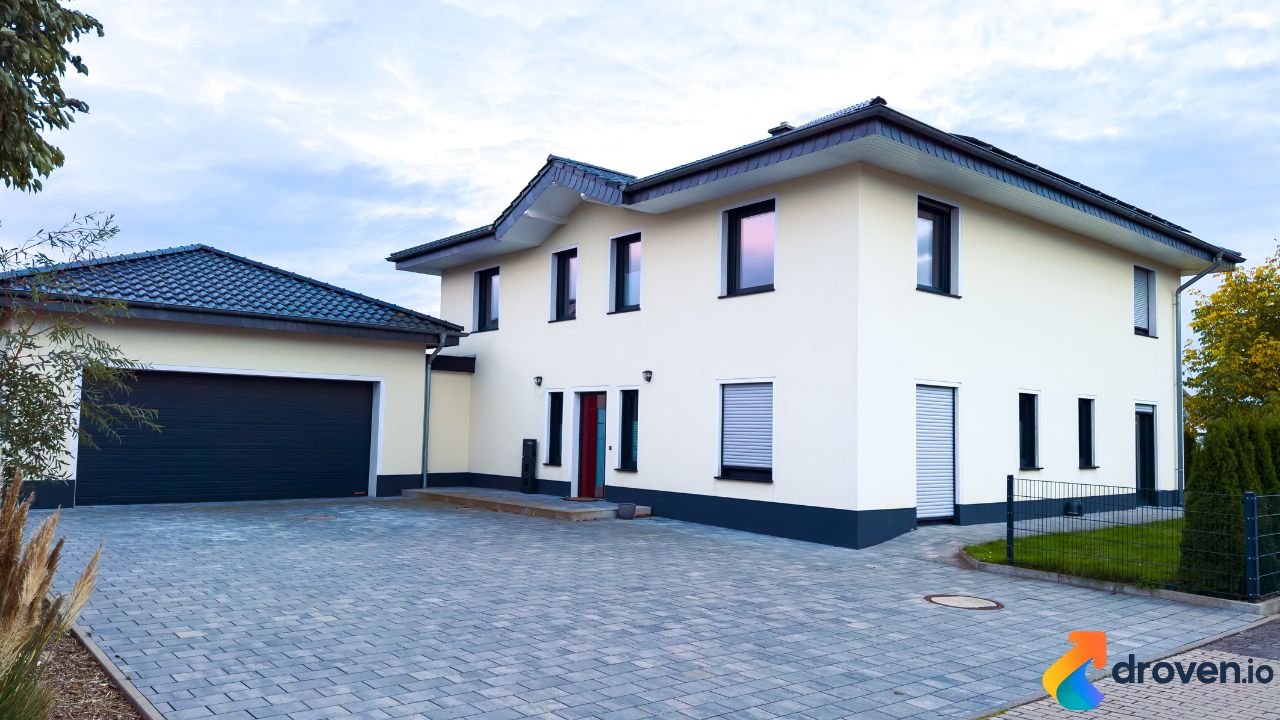
A garage door is one of the hardest-working systems in many homes. It opens and closes multiple times a day, protects vehicles and storage, and adds convenience and security to daily life. Despite its importance, many homeowners do not think about regular upkeep until the door starts making noise, moving unevenly, or refusing to open properly. That is why garage door maintenance is essential for long-term performance and safety.
Routine maintenance helps reduce the risk of unexpected breakdowns, extends the lifespan of mechanical components, and ensures the system continues to operate smoothly. A well-maintained garage door also improves home security and can prevent expensive repair bills in the future.
Why Garage Door Maintenance Matters
Garage doors rely on multiple moving parts working together in a coordinated system. Springs, rollers, cables, tracks, hinges, and openers all experience wear over time. Without proper care, even a minor issue can develop into a serious mechanical failure.
Regular maintenance offers several benefits:
- Improved operational safety
- Smoother and quieter performance
- Longer lifespan for parts and hardware
- Reduced chance of sudden malfunctions
- Lower repair and replacement costs
Because garage doors are heavy and mechanically complex, ignoring maintenance can create safety hazards for both people and property.
Understanding the Main Parts of a Garage Door System
Before performing basic maintenance, it helps to understand the key components involved in garage door operation.
Springs
Garage door springs carry much of the door’s weight and help it open and close efficiently. Torsion springs and extension springs are both common, and they wear out after repeated use.
Rollers
Rollers guide the garage door along the tracks. Damaged or worn rollers can cause noise, jerky movement, or poor alignment.
Tracks
The tracks keep the garage door moving in a controlled path. Bent or dirty tracks can interfere with operation.
Cables
Cables work with springs to lift and lower the door. Frayed or damaged cables can become dangerous if not addressed quickly.
Hinges and Brackets
These parts connect sections of the garage door and allow flexibility as the door moves. Loose hardware can lead to instability.
Garage Door Opener
The opener controls automatic movement and often includes safety sensors, remote systems, and motorized mechanisms.
Signs Your Garage Door Needs Maintenance
Many garage door problems begin with small warning signs that homeowners overlook. Recognizing these symptoms early can prevent bigger issues later.
Common signs include:
- Unusual grinding or squeaking noises
- Slow or uneven movement
- Door shaking during operation
- Delayed response from the opener
- Sagging door sections
- Remote or keypad inconsistency
- Visible wear on cables, rollers, or springs
If any of these issues appear, garage door maintenance should be performed promptly.
Basic Garage Door Maintenance Tasks
Several maintenance steps can be performed regularly to keep the system working efficiently.
Inspect the Door Visually
Start by observing the garage door while it opens and closes. Watch for jerky movements, unusual sounds, or signs that the door is off balance.
Look closely at:
- Springs
- Cables
- Rollers
- Hinges
- Tracks
- Mounting brackets
A visual inspection often reveals loose hardware, rust, or worn parts before they become serious problems.
Tighten Loose Hardware
Because garage doors move frequently, nuts, bolts, and brackets may loosen over time. Using the correct tools, tighten visible hardware on rollers, hinges, and brackets.
Do not overtighten components, especially around sensitive moving parts.
Lubricate Moving Parts
Proper lubrication is one of the most important parts of garage door maintenance. Metal parts that move against one another need lubrication to reduce friction and wear.
Lubricate:
- Rollers
- Hinges
- Springs
- Bearings
Use a garage-door-specific lubricant rather than heavy grease, which may attract dirt and debris.
Clean the Tracks
Dirt and dust can build up in the tracks and interfere with smooth movement. Wipe the tracks clean with a dry or slightly damp cloth.
Avoid applying lubricant directly inside the tracks, since this may create buildup and reduce traction.
Testing Garage Door Balance
A balanced garage door places less strain on the opener and moves more safely.
To test balance:
- Disconnect the opener using the manual release handle.
- Lift the door halfway by hand.
- Let go carefully and observe.
If the door stays in place, the balance is likely acceptable. If it drops or rises quickly, the spring system may be improperly balanced.
Spring adjustments should not be attempted without proper training because they involve significant tension.
Checking the Auto-Reverse Safety Feature
Modern garage doors include an auto-reverse feature designed to prevent injuries and damage.
To test it:
- Place a solid object, such as a piece of wood, on the ground beneath the door.
- Close the door using the opener.
- Confirm that the door reverses immediately when it touches the object.
If the garage door does not reverse, the opener system may require adjustment or professional service.
Inspecting the Photo-Eye Sensors
Photo-eye sensors are usually located near the base of the garage door tracks. These sensors prevent the door from closing if something is in its path.
Maintenance steps include:
- Cleaning the sensor lenses
- Checking alignment
- Ensuring there is no obstruction between sensors
Misaligned or dirty sensors can cause the door to stop unexpectedly or refuse to close.
Seasonal Garage Door Maintenance Tips
Different weather conditions can affect garage door performance throughout the year.
Winter Maintenance
Cold temperatures can stiffen lubricants, affect opener function, and make metal parts contract. Inspect seals and weatherstripping to keep out moisture and cold air.
Summer Maintenance
Heat and humidity may cause expansion in some materials. Dust buildup can also become more noticeable during warmer months.
Rainy or Humid Conditions
Moisture can lead to rust on metal parts. Check springs, hinges, and tracks for early signs of corrosion.
Seasonal inspections help homeowners adapt their garage door maintenance routines to changing weather conditions.
When to Call a Professional
Some garage door maintenance tasks are suitable for homeowners, but others should only be handled by trained technicians.
Professional help is recommended for:
- Broken or stretched springs
- Frayed or snapped cables
- Bent tracks
- Motor or opener failure
- Major balance issues
- Severe door misalignment
Garage door springs and cables are under high tension and can cause serious injury if handled improperly.
How Maintenance Extends Garage Door Lifespan
A garage door system is a long-term investment, and routine care helps protect that investment. By keeping parts clean, lubricated, and properly aligned, homeowners can reduce mechanical stress and delay major replacements.
Regular garage door maintenance helps:
- Extend spring life
- Reduce opener strain
- Prevent premature roller wear
- Improve daily reliability
- Maintain safe operation over time
Instead of waiting for a full system failure, proactive care keeps the entire setup functioning more efficiently.
Tips for Creating a Garage Door Maintenance Schedule
Consistency is the key to effective maintenance. Homeowners who follow a simple maintenance schedule are less likely to face major repair issues.
A practical schedule may include:
- Monthly visual inspections
- Lubrication every few months
- Safety reverse testing each month
- Sensor cleaning as needed
- Annual professional inspection
This approach keeps maintenance manageable while helping identify problems early.
Conclusion
A garage door does much more than open and close. It protects property, adds convenience, and contributes to household security. Because it is used so frequently, it deserves routine care and attention. Proper garage door maintenance helps prevent costly breakdowns, supports safe operation, and extends the life of critical components.
By inspecting the system regularly, lubricating moving parts, testing safety features, and calling professionals when necessary, homeowners can keep their garage doors running smoothly for years.
FAQs
How often should garage door maintenance be performed?
Basic garage door maintenance should be performed every few months, with visual inspections and safety checks done monthly.
What is the best lubricant for a garage door?
A garage-door-specific spray lubricant is usually the best option for rollers, hinges, springs, and bearings.
Can I repair garage door springs myself?
No, garage door springs are under high tension and should only be repaired or replaced by trained professionals.
Why is my garage door making loud noises?
Loud noises may be caused by worn rollers, loose hardware, dry hinges, or parts that need lubrication.
How do I know if my garage door is unbalanced?
Disconnect the opener and lift the door halfway by hand. If it does not stay in place, it may be unbalanced and need professional adjustment.
