
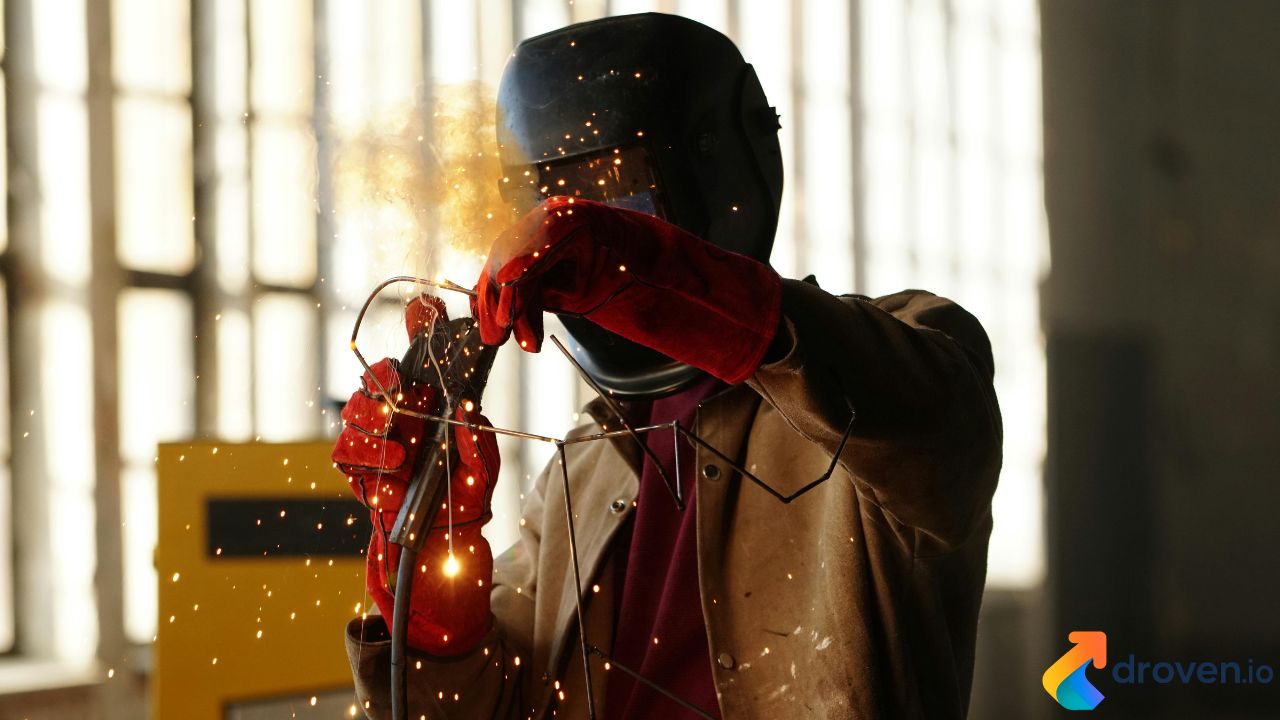
Metal casting is one of the oldest and most essential manufacturing processes used in modern industry. From automotive components to industrial machinery parts, cast metal products are used in countless applications around the world. Businesses that operate as a metal casting exporter play an important role in supplying high-quality cast components to international markets.
These exporters bridge the gap between manufacturers and global buyers by delivering customized metal parts that meet precise technical and quality standards. As industries continue to expand and infrastructure projects increase worldwide, the demand for reliable metal casting exporters continues to grow.
What Is a Metal Casting Exporter?
A metal casting exporter is a company that manufactures or supplies cast metal products and ships them to international clients. These exporters typically work with foundries that produce components using different casting techniques.
Exporters often serve industries such as:
- Automotive manufacturing
- Construction and infrastructure
- oil and gas equipment
- agricultural machinery
- heavy industrial machinery
- marine and shipbuilding industries
By exporting metal castings globally, these companies help manufacturers access specialized components that may not be available locally.
Understanding the Metal Casting Process
Metal casting involves pouring molten metal into a mold where it cools and solidifies into a desired shape. This process allows manufacturers to produce complex parts with precise dimensions.
The basic steps include:
- Creating a mold
- Melting the metal
- Pouring molten metal into the mold
- Cooling and solidifying
- Removing the casting and finishing the product
This method is widely used because it can produce durable components with consistent quality.
Common Types of Metal Casting
Different casting techniques are used depending on the product design, metal type, and production volume.
Sand Casting
Sand casting is one of the most widely used casting methods. It involves creating molds from sand, making it suitable for producing large or complex components.
Advantages include:
- Lower tooling costs
- flexibility for large parts
- suitability for many metal types
Investment Casting
Investment casting, also known as lost-wax casting, is used to produce highly detailed parts with excellent surface finishes.
This method is often used in aerospace, medical equipment, and precision engineering industries.
Die Casting
Die casting uses high-pressure molds to create components with high accuracy and smooth surfaces. It is commonly used for aluminum and zinc parts in high-volume production.
Gravity Casting
Gravity casting uses permanent molds and relies on gravity to fill the mold with molten metal. It produces strong components with consistent quality.
Materials Used in Metal Casting
Metal casting exporters work with various metals depending on the requirements of the product.
Common materials include:
Cast Iron
Cast iron is widely used for engine blocks, pipes, and industrial machinery because of its strength and durability.
Steel
Steel castings provide excellent strength and impact resistance, making them suitable for heavy industrial applications.
Aluminum
Aluminum is lightweight and corrosion-resistant, which makes it popular for automotive and aerospace components.
Brass and Bronze
These alloys are often used in marine hardware, valves, and decorative architectural components.
Industries Served by Metal Casting Exporters
Metal casting exporters supply parts for many global industries.
Automotive Industry
Vehicle manufacturers rely on cast components for engines, transmission systems, and structural parts.
Construction and Infrastructure
Cast metal components are used in building structures, bridges, pipelines, and heavy equipment.
Energy Sector
Power plants and oil and gas operations depend on durable metal castings for turbines, pumps, and drilling equipment.
Agricultural Machinery
Farm equipment manufacturers use metal cast parts in tractors, harvesters, and irrigation systems.
Quality Standards in Metal Casting Exports
International buyers often require strict quality standards to ensure reliability and durability.
Metal casting exporters typically follow certifications such as:
- ISO quality standards
- ASTM material standards
- International Manufacturing Specifications
Quality control measures may include material testing, dimensional inspection, and non-destructive testing.
These procedures help ensure that exported components meet global industry requirements.
Advantages of Working with a Metal Casting Exporter
Companies that source cast parts from global exporters benefit in several ways.
Access to Specialized Manufacturing
Exporters often work with advanced foundries that specialize in complex casting techniques.
Cost Efficiency
Manufacturing in specialized production hubs can reduce production costs while maintaining quality.
Large Production Capacity
Exporters can supply large quantities of cast components to support industrial projects and manufacturing operations.
Custom Design Capabilities
Many exporters provide customized casting services based on client specifications and engineering drawings.
Factors to Consider When Choosing a Metal Casting Exporter
Selecting the right exporter is critical for maintaining product quality and supply reliability.
Important factors include:
- manufacturing capabilities
- experience in the industry
- quality certifications
- production capacity
- delivery reliability
- technical support
Working with a reputable exporter ensures consistent product performance and timely deliveries.
The Role of Technology in Modern Metal Casting
Advances in technology have significantly improved the metal casting industry. Modern foundries now use digital design tools, automated molding systems, and advanced inspection equipment.
Technologies commonly used include:
- CAD and 3D modeling for mold design
- automated casting lines
- robotic finishing processes
- computer-controlled furnace systems
These innovations help improve precision, efficiency, and quality control.
Global Demand for Metal Casting Exports
Industrial growth and infrastructure development continue to drive demand for metal cast products worldwide.
Developing economies, construction projects, renewable energy systems, and transportation infrastructure all require high-quality cast components.
As a result, the role of the metal casting exporter has become increasingly important in supporting global supply chains.
Conclusion
Metal casting remains a fundamental manufacturing process that supports many critical industries worldwide. A reliable metal casting exporter helps connect global buyers with high-quality cast components that meet strict technical and performance standards.
By combining advanced manufacturing techniques, quality control processes, and international logistics capabilities, exporters play a vital role in supplying durable metal products for modern infrastructure and industrial development.
FAQs
What does a metal casting exporter do?
A metal casting exporter manufactures or supplies cast metal components and delivers them to international buyers.
What industries use metal casting products?
Industries such as automotive, construction, energy, agriculture, and heavy machinery rely heavily on metal cast components.
What metals are commonly used in casting?
Common metals include cast iron, steel, aluminum, brass, and bronze.
How are casting products inspected for quality?
Quality control often includes material testing, dimensional inspections, and non-destructive testing.
Can metal casting exporters produce custom parts?
Yes, many exporters provide customized casting services based on engineering drawings and specific design requirements.
