
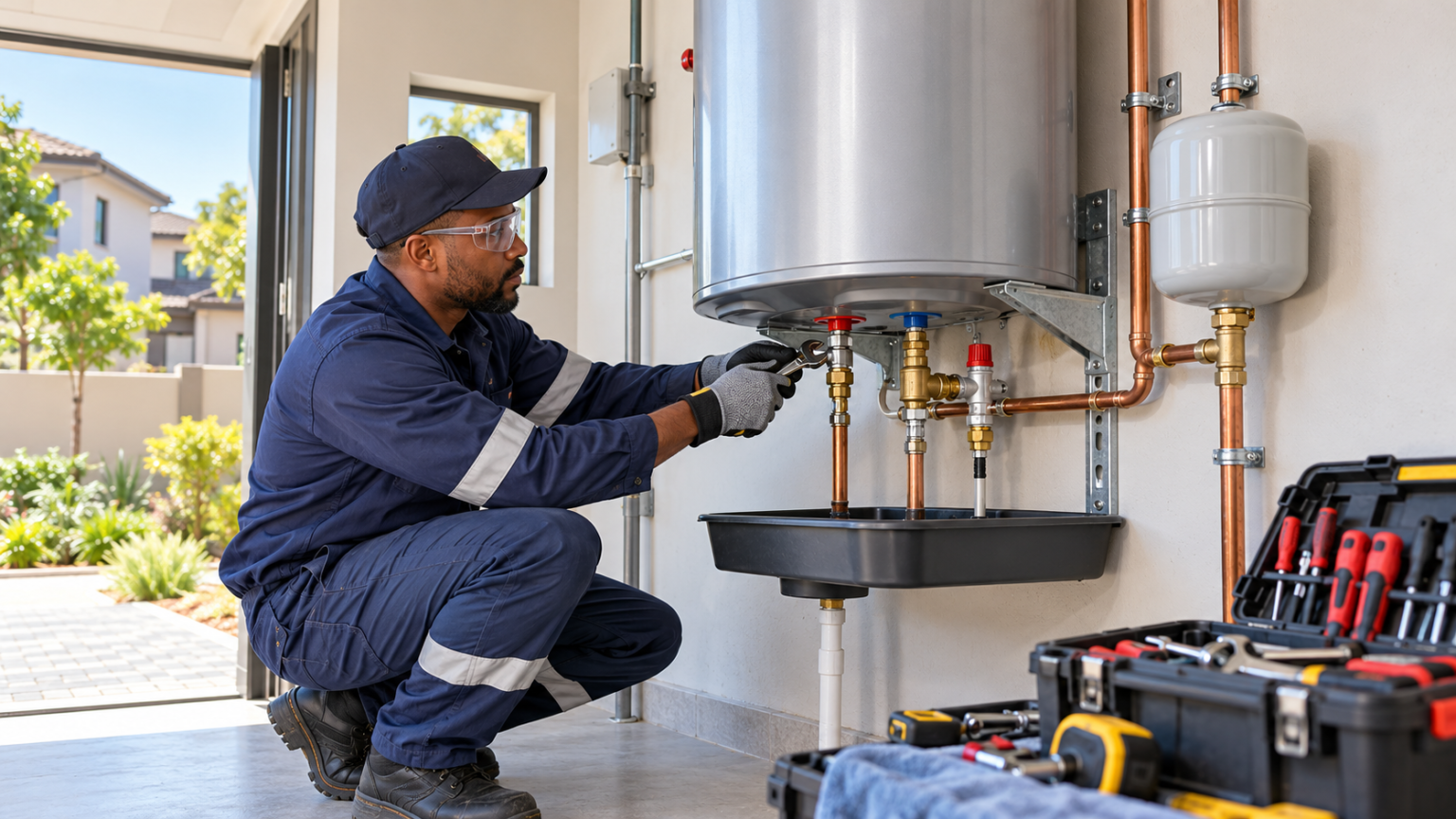
Hot water is an essential part of everyday life, whether you are preparing for work, washing dishes, or keeping your home comfortable during the colder months. When a geyser begins leaking, stops heating water, or develops pressure problems, even simple household activities become frustrating. Professional geyser installation and repairs in Gauteng help homeowners address these issues safely, improve system performance, and reduce the risk of expensive property damage.
From Johannesburg and Pretoria to Sandton, Centurion, Midrand, and surrounding communities, property owners rely on properly installed water heating systems for dependable hot water. Understanding common problems, installation requirements, maintenance practices, and repair options makes it easier to protect your investment and choose the right professional.
This guide explains what every homeowner should know about geyser installation, troubleshooting, replacement, and long-term maintenance in Gauteng.
What Does Professional Geyser Installation and Repair Involve?
Professional geyser services involve installing, inspecting, maintaining, repairing, or replacing water heating equipment according to applicable safety standards and manufacturer specifications.
A qualified plumber evaluates the hot water system, checks the water supply and pressure, examines essential safety components, and identifies problems before recommending suitable work.
Geyser services commonly include:
- Installing new electric storage water heaters
- Replacing damaged or leaking geyser cylinders
- Diagnosing faulty thermostats and heating elements
- Repairing or replacing defective plumbing valves
- Investigating pressure and temperature problems
- Inspecting drip trays and discharge pipes
- Maintaining solar water heating systems
- Checking installations for applicable safety compliance
The objective is not simply to restore hot water. It is to ensure that the entire system operates safely and reliably.
Why Reliable Geyser Systems Matter in Gauteng
Gauteng has a mixture of established residential neighbourhoods, modern housing developments, apartments, townhouses, and commercial properties. Each building may have different hot water requirements.
An older Johannesburg home may have an ageing electric geyser installed in its ceiling space, while a newer property in Midrand may use a heat pump or solar water heating system.
These differences influence installation requirements, maintenance needs, and repair costs.
Seasonal Temperature Changes
Gauteng experiences relatively cold winter mornings and significant temperature differences between seasons. During winter, colder incoming water can increase the amount of heating needed to reach the desired temperature.
Poor insulation, damaged components, and inefficient heating settings can make these challenges more noticeable.
Different Household Water Requirements
A small apartment and a large family residence rarely require the same hot water capacity.
Selecting a geyser without considering household demand can result in insufficient hot water or unnecessary energy consumption.
Ageing Plumbing Infrastructure
Some established properties have older pipes, fittings, valves, and electrical installations.
When replacing a geyser, the plumber should assess connected components rather than assuming that every existing fitting remains suitable.
7 Warning Signs Your Geyser Needs Professional Attention
Recognising early warning signs can prevent minor problems from developing into serious failures.
1. Hot Water Runs Out Unexpectedly
If your geyser previously supplied enough hot water but now struggles to meet normal household demand, its heating performance may have changed.
A faulty heating element, thermostat problem, or increased water usage could explain the difference.
2. Water Appears Around the Geyser
Water accumulating around the cylinder, ceiling, or surrounding pipework requires investigation.
The problem may involve a leaking connection, pressure valve, damaged seal, or failing tank.
A significant leak should be treated as urgent.
3. The Geyser Makes Unusual Noises
Popping, rumbling, or other unfamiliar sounds may indicate sediment accumulation or heating-related problems.
Not every sound indicates failure, but a noticeable change deserves professional assessment.
4. Electricity Usage Increases
An unexpectedly high electricity bill can have several causes, including excessive hot water use, heat loss, or a malfunctioning heating system.
A plumber can inspect the geyser, while a qualified electrical professional investigates electrical faults when necessary.
5. Hot Water Temperature Becomes Unstable
Water that alternates between unusually hot and lukewarm may indicate thermostat problems, mixing issues, or inconsistent heating.
Scalding water is particularly concerning and should be addressed promptly.
6. Safety Valves Discharge Excessively
Some discharge from an expansion control valve can be normal during heating.
However, continuous or unusually heavy discharge, especially from a temperature and pressure safety valve, may indicate a fault requiring inspection.
Never block or cap a safety discharge pipe.
7. Rust or Corrosion Becomes Visible
Corrosion around fittings, connections, or the cylinder can signal deterioration.
Surface corrosion does not automatically mean replacement is necessary, but rust accompanied by leakage or structural damage may indicate a more serious problem.
Common Geyser Problems and Their Solutions
Understanding common faults helps homeowners describe symptoms accurately when contacting a plumber.
Faulty Heating Elements
The heating element converts electrical energy into heat inside an electric storage geyser.
When it fails, water may remain cold even when electricity is available.
A professional can test the component and determine whether replacement is appropriate.
Electrical testing and element replacement should not be attempted by an unqualified homeowner because the system combines electricity, water, and potentially high temperatures.
Thermostat Malfunctions
A thermostat controls the heating cycle by responding to water temperature.
If it becomes defective, the water may fail to heat correctly or may become excessively hot.
Replacing a thermostat requires selecting a compatible component and confirming that the system’s safety controls function correctly.
Why Temperature Control Matters
An incorrectly operating thermostat can increase energy consumption and create a scalding risk.
The thermostat and independent safety cut-out must not be bypassed to restore heating.
Leaking Pipes and Connections
Water may escape from threaded connections, pipe joints, fittings, or valves.
The appropriate repair depends on the actual source of the leak.
Sometimes replacing a fitting resolves the issue. In other cases, corrosion or excessive pressure must also be addressed.
Pressure Control Valve Problems
A pressure control valve helps manage incoming water pressure within the system’s design limits.
A defective or incorrectly rated valve can contribute to leakage, unusual discharge, or unreliable operation.
A qualified plumber should check the pressure rating and compatibility before fitting a replacement.
Damaged Geyser Cylinders
An internal cylinder leak is different from a repairable external fitting leak.
When the storage tank itself has failed, replacing the unit is generally more appropriate than attempting a temporary patch.
A replacement should also address any underlying conditions that may have contributed to the failure.
Sediment and Mineral Deposits
Minerals and sediment can accumulate inside water heating systems over time.
The amount depends on water composition, usage, and equipment design.
Deposits may affect heating performance or contribute to component deterioration. A plumber can determine whether maintenance is practical and recommended for the particular model.
How Professional Geyser Installation in Gauteng Works
A safe installation requires more than connecting a cylinder to the water supply.
Qualified installers follow a structured process to ensure the system is suitable for the property.
Step 1: Assessing the Property
The plumber first evaluates the existing plumbing arrangement, available space, water pressure, electrical provision, and household hot water requirements.
For replacements, the condition of the previous installation is also examined.
This assessment helps determine whether new valves, pipes, insulation, or structural supports are necessary.
Step 2: Selecting the Appropriate Geyser
The geyser should be selected according to household demand and the installation’s technical requirements.
Common residential storage capacities include 100, 150, and 200 litres, although suitable capacity depends on how and when hot water is used.
Selecting a cylinder simply because it is the cheapest option may result in inadequate performance.
Step 3: Preparing the Installation Location
A full geyser is heavy, so the supporting structure must be suitable for the intended load.
For ceiling installations, the plumber inspects the supporting arrangement and ensures that the cylinder can be safely positioned.
Adequate access for future servicing is another important consideration.
Step 4: Installing Safety Components
A compliant installation includes the safety and control components required for its particular design.
These can include a pressure control arrangement, temperature and pressure relief valve, vacuum breakers, drip tray, and properly routed discharge piping.
Each component serves a specific protective function.
Drip Tray and Drainage Requirements
A correctly installed drip tray helps direct escaping water away from vulnerable building areas.
Its outlet must discharge appropriately rather than allowing leakage to collect inside the ceiling.
The plumber should also verify that safety valve discharge pipes follow the applicable requirements.
Step 5: Connecting and Testing the System
The installer connects the plumbing, ensures the electrical work is performed by an appropriately qualified person, and checks the completed system.
Before energising an electric storage geyser, the cylinder must be properly filled, and the system checked.
Final testing includes examining connections for leaks, checking heating operation, and confirming that safety components are correctly installed.
Understanding Geyser Installation Regulations in South Africa
Safety compliance is one of the most important considerations when arranging geyser installation and repairs in Gauteng.
South African installations are subject to applicable national standards and regulations.
SANS 10254 and Safe Installation
SANS 10254 covers the installation and maintenance of fixed electric storage water heating systems.
It addresses essential safety aspects such as pressure control, protective components, installation arrangements, and related plumbing requirements.
The water heater itself should also meet the applicable product requirements, including SANS 151 where relevant.
Professional installers must follow the applicable standards and the manufacturer’s instructions.
Plumbing Certificates of Compliance
The certificate requirements deserve careful attention.
A 2022 amendment removed the general certificate requirement for ordinary electric geyser installations from SANS 10254. However, the Plumbing Industry Registration Board maintains its own certificate obligations for licensed plumbers, while other installations and individual insurers or contracting parties may have additional requirements.
Homeowners should confirm the documentation required for their specific work rather than assuming that every installation follows identical rules.
Electrical and Gas Safety
Electrical connections and alterations must be handled by appropriately qualified electrical professionals.
Gas water heating systems have separate safety requirements. Gas installation work must be undertaken by a registered practitioner authorised for that type of gas system, with the relevant gas compliance documentation issued.
These measures help protect occupants against electrical, pressure-related, and gas hazards.
Choosing the Right Type of Geyser
Different water heating technologies offer different benefits.
The most suitable choice depends on the property, household demand, budget, and available infrastructure.
Electric Storage Geysers
Electric storage geysers are widely used in South African homes.
They store heated water in an insulated cylinder and use an electrical element controlled by a thermostat.
Their familiar design makes them a practical option for many existing properties.
However, electricity usage depends on water consumption, insulation, heating settings, and system efficiency.
Solar Water Heating Systems
Solar water heaters use solar collectors to capture energy for heating water.
They may reduce reliance on electrical water heating, particularly where roof orientation and sunlight exposure are suitable.
Some configurations include electrical backup heating for periods when solar energy is insufficient.
Installation requires careful consideration of roof structure, collector placement, plumbing arrangements, and maintenance access.
Heat Pump Water Heaters
Heat pumps transfer heat from surrounding air into water rather than relying solely on direct electrical resistance heating.
Under suitable conditions, this can provide more efficient water heating.
The installation cost, operating conditions, equipment quality, and servicing requirements should be evaluated before choosing a heat pump.
Gas Water Heaters
Gas water heaters can supply hot water without using a conventional electric storage cylinder.
Their suitability depends on gas availability, the appliance’s output, water flow requirements, and correct installation conditions.
Ventilation, combustion safety, gas connections, and flue requirements, where applicable, are essential considerations.
Only appropriately registered gas practitioners should undertake the relevant gas work.
Geyser Repair vs Replacement: Which Is Better?
Not every geyser problem requires purchasing a new cylinder.
Sometimes a targeted repair can restore reliable operation at a considerably lower cost.
When Repair May Be Appropriate
Repairs may be practical when the tank remains sound, and the problem involves a replaceable component.
Examples include:
- A failed heating element
- A defective thermostat
- A leaking external pipe connection
- A malfunctioning pressure control valve
- A damaged fitting or accessible seal
The plumber should confirm the root cause before recommending parts.
When Replacement Makes More Sense
Replacement becomes more attractive when the cylinder itself leaks, the unit has extensive corrosion, or repeated breakdowns make continued repairs uneconomical.
The age of the geyser, availability of replacement parts, warranty conditions, and overall installation condition should also influence the decision.
A professional assessment can compare immediate repair expenses with the longer-term value of replacement.
Choosing the cheapest short-term option is not always the most economical decision.
What Affects Geyser Installation and Repair Costs in Gauteng?
The cost of geyser installation and repairs in Gauteng varies because no two properties or faults are necessarily identical.
Several factors influence the final quotation.
Geyser Capacity and Equipment Type
Larger storage cylinders and specialised systems may cost more than smaller conventional electric units.
Brand, product specifications, warranty terms, and efficiency also affect equipment pricing.
Installation Location and Accessibility
A geyser that is easy to reach may require less labour than one located in a restricted ceiling or difficult-to-access area.
Additional structural work, pipe alterations, or modifications to drainage can increase costs.
Components and Compliance Work
The quoted price may include replacement valves, safety fittings, insulation, drip trays, electrical work, or other necessary improvements.
These items should be clearly identified.
Emergency Attendance
After-hours or emergency callouts may involve additional charges.
Before accepting a quotation, ask whether it includes labour, materials, VAT, travel, removal of old equipment, applicable certification, and warranty details.
A written quotation makes it easier to compare genuine value instead of focusing only on the lowest advertised amount.
How to Choose a Reliable Geyser Plumber in Gauteng
Choosing the right service provider is essential for work involving electricity, pressurised water, and potentially significant property damage.
Check Qualifications and Relevant Experience
Ask about the plumber’s qualifications and experience with your particular geyser type.
Where applicable, verify their Plumbing Industry Registration Board registration and licensing status.
For work involving separate electrical or gas installations, confirm the relevant professional qualifications.
Request a Clear Diagnosis
A reliable professional should explain the likely cause of a problem and distinguish between essential repairs and optional upgrades.
Avoid approving expensive replacement work without understanding why the existing unit cannot be repaired safely.
Compare Detailed Quotations
A useful quotation identifies the proposed equipment, replacement parts, labour, and any associated work.
It should also clarify payment terms and whether additional costs could arise after inspection.
Confirm Warranty and Documentation
Ask for the manufacturer’s product warranty information and the plumber’s workmanship warranty.
Also confirm which certificates or installation records will be provided.
Consider Local Availability
Homeowners in Johannesburg, Pretoria, Sandton, Centurion, Kempton Park, Randburg, Roodepoort, and other Gauteng communities may benefit from a service provider familiar with their area.
Confirm the actual service coverage, response arrangements, and emergency charges rather than relying only on advertising.
Preventive Maintenance for Long-Lasting Geyser Performance
Regular attention can help identify problems early and maintain dependable hot water.
Although some observations are suitable for homeowners, technical servicing belongs to qualified professionals.
Arrange Periodic Inspections
A plumber can assess the cylinder, visible connections, valves, discharge arrangements, and general installation condition.
The appropriate inspection interval depends on the equipment, manufacturer recommendations, and any known problems.
Monitor Visible Leaks
Look for unexpected moisture near accessible fittings or external discharge outlets.
Do not enter unsafe ceiling spaces or touch electrical equipment to investigate a leak.
Small visible leaks should not be ignored because they can cause significant damage over time.
Improve Insulation
Reducing unwanted heat loss helps an electric storage geyser operate more efficiently.
Eskom recommends insulation measures such as suitable geyser blankets for older units and insulation around exposed hot water piping.
Always follow manufacturer guidance to avoid covering controls or components that require ventilation or access.
Use Temperature Controls Sensibly
Eskom commonly recommends a geyser setting of approximately 60°C as an energy-saving measure.
The appropriate setting must also consider manufacturer instructions, hygiene, and scald prevention.
Homeowners should not alter internal electrical controls without the necessary expertise.
Reduce Unnecessary Hot Water Use
Shorter showers, efficient showerheads, and prompt repairs to dripping hot water taps can reduce the amount of water that must be heated.
These simple habits can complement professional maintenance without requiring major equipment changes.
What to Do During a Geyser Emergency
A substantial geyser leak or suspected electrical fault requires immediate attention.
If it is safe and the electrical distribution board is dry and accessible, switch off the geyser’s electrical supply.
For an active water leak, close the appropriate water isolation valve if it can be reached safely.
Keep people away from wet electrical areas, sagging ceilings, and escaping hot water.
Never tamper with pressure relief valves, disconnect live wiring, or attempt to open a pressurised hot water cylinder.
Contact a qualified emergency plumber and, where necessary, a qualified electrician.
If the ceiling is visibly damaged or water is reaching electrical equipment, avoid the affected area until it has been assessed.
Frequently Asked Questions
1. How much does geyser installation cost in Gauteng?
Costs depend on cylinder capacity, equipment type, labour, access, and required safety components. Request a detailed quotation for accurate pricing.
2. Can a leaking geyser be repaired?
Leaks from external fittings or valves may be repairable. A leaking internal storage cylinder generally requires replacement.
3. How long does professional geyser installation take?
Installation time varies according to access, plumbing alterations, electrical work, and the system type. A plumber can estimate the duration after inspection.
4. Do geyser installations require a Certificate of Compliance?
Requirements depend on the installation and applicable rules. PIRB licensing obligations, solar or heat pump standards, and insurer requirements should be checked.
5. Why is my geyser not heating water?
Possible causes include a faulty heating element, thermostat, electrical supply problem, or safety control fault. Professional testing is needed to identify the cause.
6. How can I reduce my geyser’s electricity consumption?
Consider suitable insulation, sensible temperature settings, efficient hot water use, and prompt leak repairs while following manufacturer recommendations.
Conclusion
Reliable hot water depends on correct installation, suitable equipment, and timely attention to developing faults. Investing in professional geyser installation and repairs in Gauteng helps homeowners improve everyday comfort while reducing preventable safety risks and property damage. By recognising warning signs, understanding compliance requirements, comparing repair and replacement options, and following sensible maintenance practices, property owners can make informed decisions about their water heating systems. Choosing qualified professionals and maintaining the equipment properly remain essential steps towards dependable performance, efficient operation, and long-term peace of mind.
