
Yes, you can physically connect some generators to household equipment without a transfer switch, but that does not make it safe or acceptable for powering home circuits. The real question is whether you should wire a home generator without one, and for most whole-home or panel-connected setups, the answer is no. A proper transfer mechanism prevents dangerous backfeeding, protects utility workers, and helps keep your electrical system isolated from the grid during an outage. Homeowners often look for a simpler or cheaper workaround, yet those shortcuts can create fire, shock, and code violations. Understanding the risks and safer alternatives will help you choose a backup power setup that works reliably and responsibly.
Can You Connect a Generator Without a Transfer Switch?
Why a Direct Generator Connection Is Dangerous
Understanding how to wire a generator to your home safely is essential because a direct generator connection to a home’s breaker panel without an approved transfer device can energize utility lines unexpectedly. That backfeed can seriously injure lineworkers restoring power and can also damage your generator when grid power returns. Inside the home, improvised wiring increases the chance of overloaded circuits, overheated conductors, and electrical fires. It also creates confusion about which loads are actually isolated and whether neutral and grounding paths are correct. Plugging a generator into a dryer outlet or similar receptacle is especially hazardous because those setups are not designed to control power flow safely. Even if the system appears to work briefly, it remains an unsafe and unacceptable method.
What Electrical Codes and Safety Rules Require
Electrical codes and utility safety rules require a means to prevent the generator and utility service from feeding the home at the same time. In practice, that means using approved equipment such as a transfer switch, a listed interlock kit, or another code-compliant isolation method installed correctly. These devices create a mechanical barrier so the main breaker and generator backfeed breaker cannot be on together. Many jurisdictions also require permits and inspection for panel-connected generator installations. Manufacturers commonly specify inlet types, breaker sizes, conductor requirements, and grounding instructions that must be followed for safe operation. If a connection method bypasses those protections, it usually violates code, may void insurance coverage, and can expose the homeowner to significant liability after an accident.
Safe Ways to Connect a Generator to Your Home
Use a Listed Generator Interlock Kit
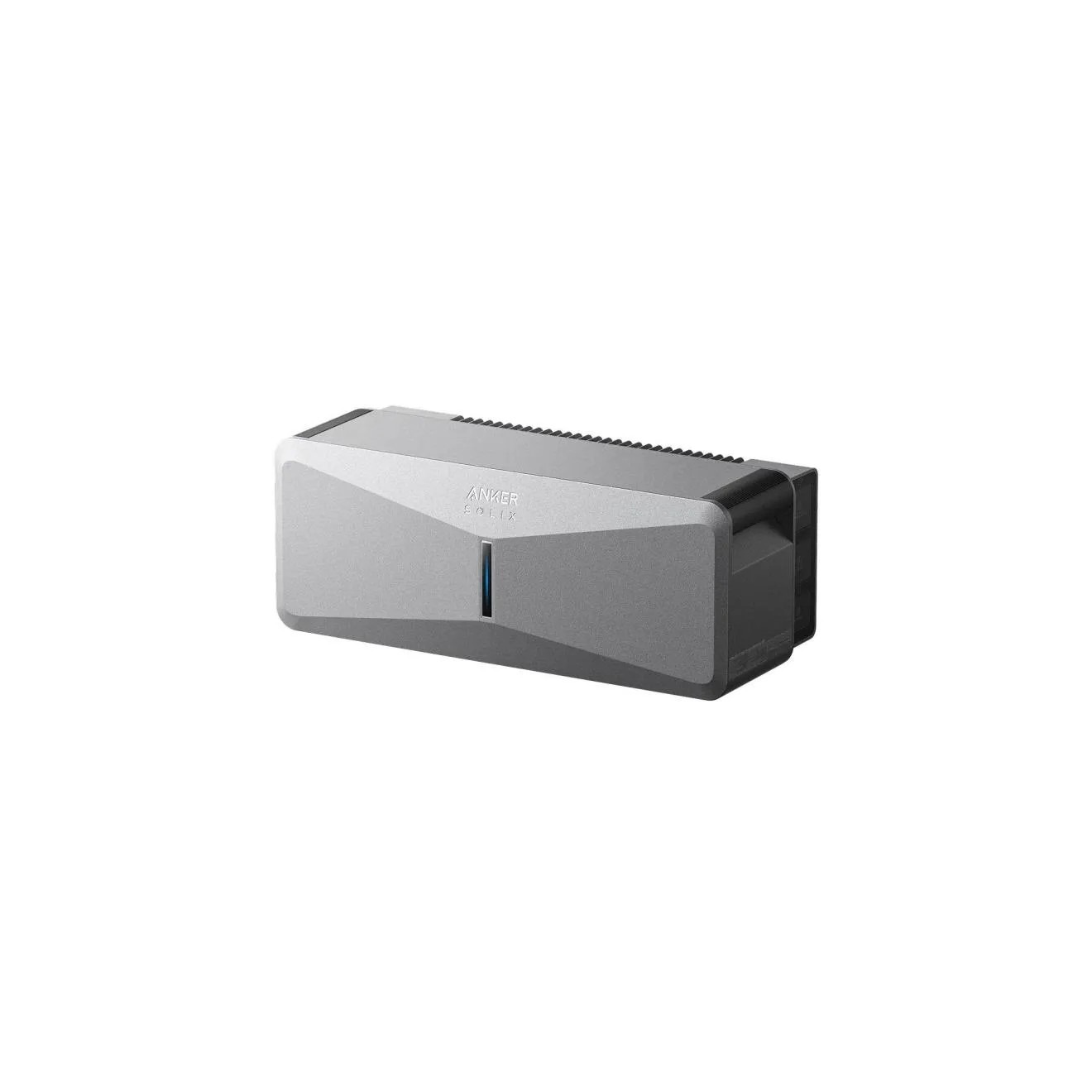
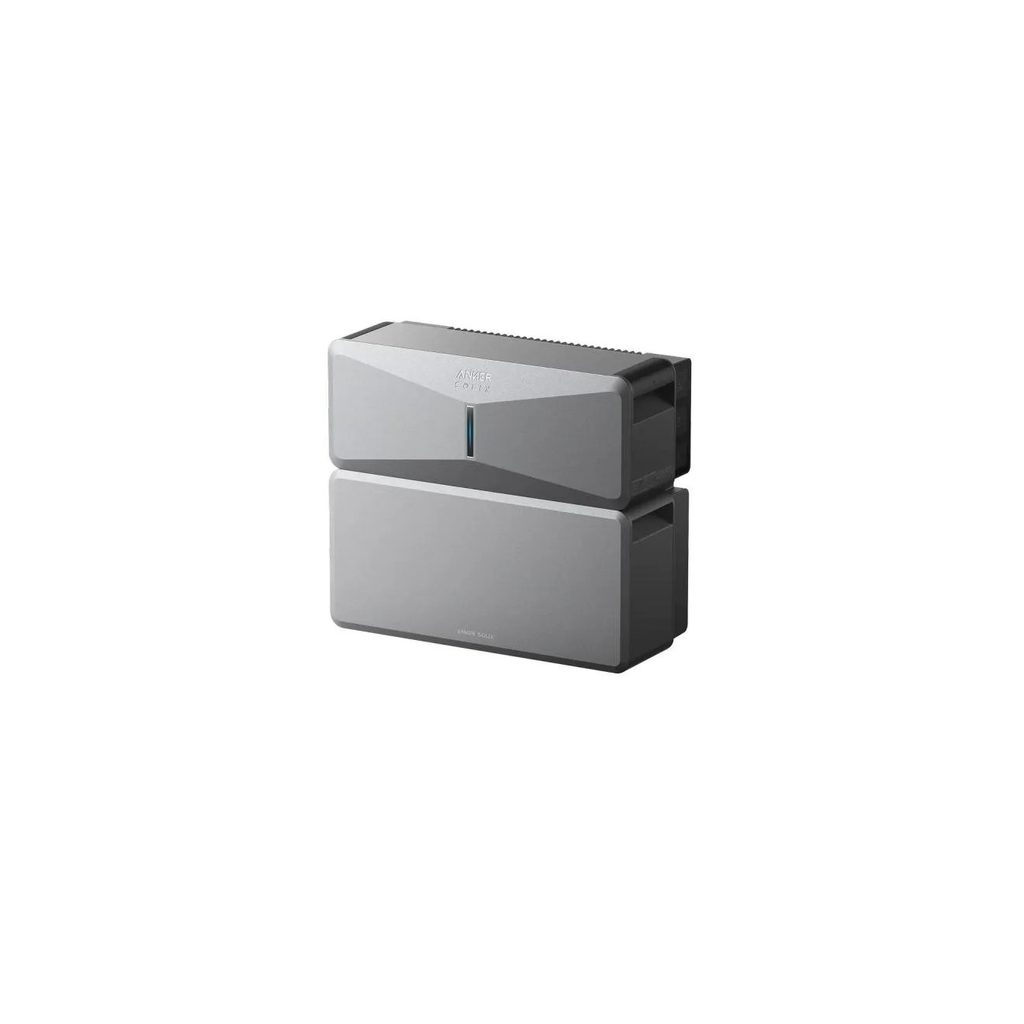
A listed generator interlock kit is one of the safest ways to connect a portable or backup power source to selected home circuits without a separate transfer switch assembly. It mounts on a compatible main service panel and mechanically blocks the main breaker when the generator breaker is on. That prevents dangerous backfeeding while letting you energize chosen branch circuits from the panel. The key is compatibility: the interlock must be listed for your exact panel model and installed with the correct inlet, breaker, and wiring. For larger backup systems, match the connection method to the equipment ratings. For example, the Anker SOLIX E10 Whole-Home Backup supports 120/240VAC split-phase output with 7,680W continuous output and up to 10,000W turbo backup output for 90 minutes.
Power Appliances With Extension Cords
If you do not have a transfer switch or listed interlock kit, the safest temporary option is usually to power individual appliances directly with heavy-duty extension cords. This method avoids connecting the generator to your home wiring, so it eliminates the risk of backfeeding the utility through the panel. Use cords rated for the generator load and only for essential items such as a refrigerator, freezer, lights, phone chargers, or a sump pump if the plug and wattage match. Keep cord runs as short as practical and inspect them for damage before use. Never run cords under rugs, through walls, or across wet areas. This approach is less convenient, but it is much safer than any improvised panel connection.
How to Prepare for Safe Generator Backup Power
Calculate Your Generator Wattage and Essential Loads
Before connecting any generator, list the circuits or appliances you actually need during an outage and total both running watts and startup watts. Refrigerators, well pumps, sump pumps, and air conditioners often require much more power at startup than during normal operation. If you plan to feed panel circuits, make sure the generator can support the combined load without tripping breakers or dropping voltage. This is also where product specifications matter most. A system such as the Anker SOLIX E10 Whole-Home Backup offers 120/240VAC split-phase power, 7,680W rated output, 32A continuous current, and up to 30kWh total capacity with one power module. It also supports 10-30kW turbo output, 9-27kW solar input, and can start a 5-ton central A/C under proper installation conditions.
Check Generator Placement, Inlet Compatibility, and Permits
Safe backup power depends on more than wattage. Place the generator or energy system where ventilation, weather protection, and manufacturer clearance requirements are met, and never operate fuel-burning generators indoors, in garages, or near doors and windows. Confirm that the power inlet, cord set, breaker size, and output voltage all match the equipment and the intended connection method. A 120/240V split-phase system must connect through hardware designed for that service. Also verify whether your city or utility requires electrical permits, inspections, or approval before installation. Fixed and whole-home backup systems may also need professional mounting and final commissioning. Checking these details ahead of time helps prevent unsafe improvisation during an outage, when rushed decisions often create the biggest problems.
Conclusion
You should not wire a home generator directly into your electrical panel without a transfer switch, interlock, or another approved isolation device. The danger is real: backfeeding can injure utility workers, damage equipment, and create fire and shock hazards inside your home. If you need to power household circuits, use a listed generator interlock kit or a properly installed transfer setup that matches your panel and generator ratings. If you only need temporary emergency power, running a few essential appliances with correctly rated extension cords is the safer choice. Before any outage happens, calculate your essential loads, confirm voltage and inlet compatibility, and check permit requirements. A planned, code-compliant setup gives you backup power that is safer, more reliable, and far less risky than a shortcut.
