
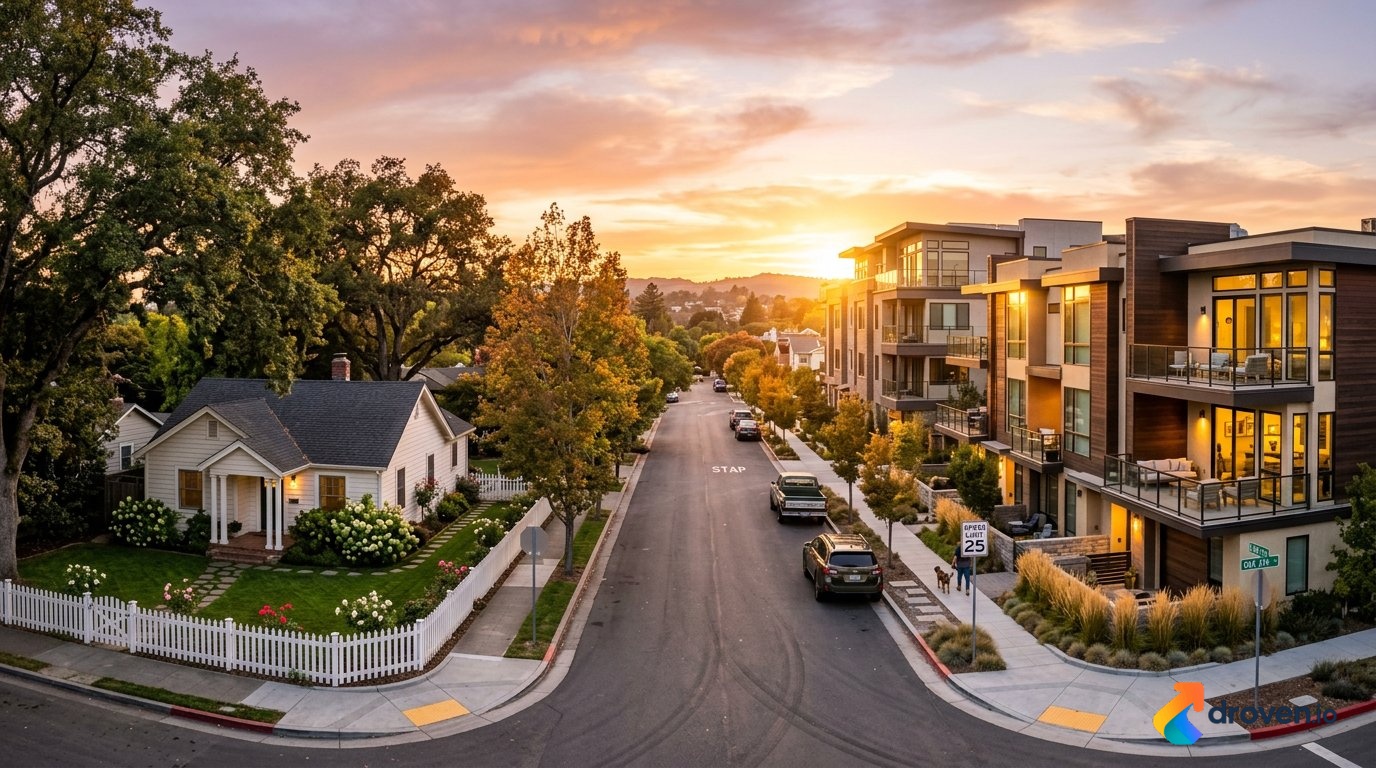
The American starter home, long considered the foundational first step onto the property ladder, is vanishing before an entire generation’s eyes.
In 2016, nearly 61 percent of active real estate listings nationwide priced at three hundred thousand dollars or below, representing a genuine entry point for first-time buyers seeking homes under $500K.
By 2026, that same affordable segment collapsed to just 31 percent of the market, according to data from realtor.com senior economist Hannah Jones, effectively erasing the traditional starter home from large portions of the country and making homes under $500K a competitive battleground rather than an accessible entry point.
The search for homes under $500K has become a defining financial challenge for millions of Americans, with LendingTree analysis revealing that just 37.6 percent of first-time buyers nationwide can afford a starter home in their state.
This dramatic compression of the entry-level market means that the average age of first-time homebuyers has now reached forty years old, according to the National Association of Realtors, a troubling indicator that one of the most fundamental milestones of American adulthood is being postponed by a full decade or more, directly because homes under $500K have become shockingly scarce.
The median non-homeowner household earns approximately seven thousand dollars less than the sixty-two thousand dollars in annual income required to purchase an entry-level property, placing homes under $500K out of reach even as the 500K threshold now represents the realistic starting point for buyers in many metropolitan markets.
This comprehensive guide examines the eight shocking reasons why homes under $500K are disappearing, explores what is replacing the traditional starter home, and provides actionable guidance for buyers navigating one of the most challenging housing markets in American history.
Understanding How the Definition of Homes Under $500K Has Radically Changed
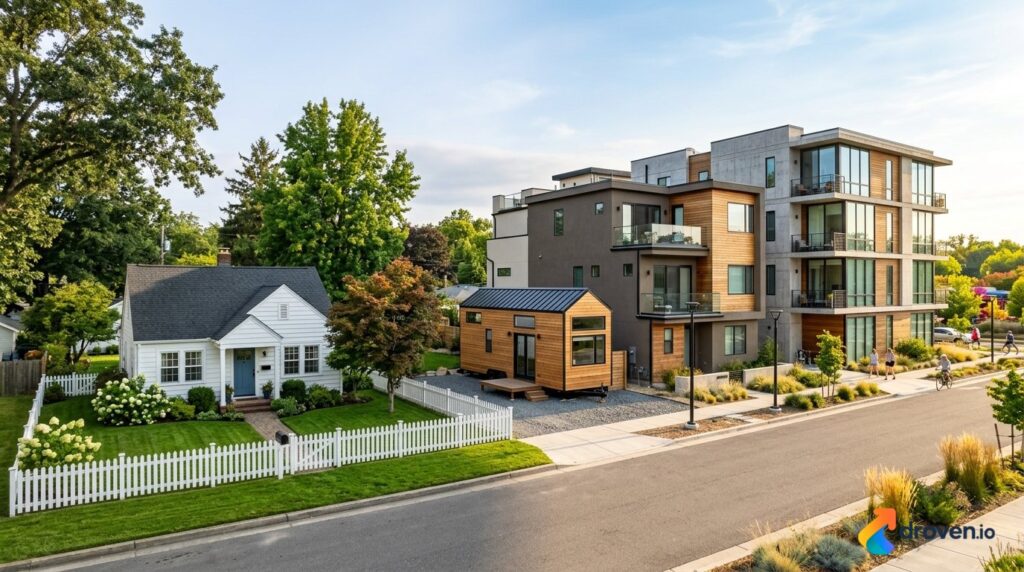
The very concept of homes under $500K has undergone a fundamental transformation that few Americans fully appreciate.
What Homes Under $500K Actually Bought a Decade Ago Compared to Today
In 2016, a budget of five hundred thousand dollars purchased a spacious four-bedroom home with updated finishes in most American suburbs, and represented luxury-level buying power in smaller metropolitan areas, illustrating just how dramatically the definition of homes under $500K has eroded.
That same budget today buys substantially less square footage, older construction, fewer bedrooms, and often requires accepting location compromises that would have been unthinkable a decade earlier, a reality that makes hunting for homes under $500K an exercise in managing expectations.
The price compression affecting homes under $500K means that buyers at this threshold are increasingly competing for properties that would have sold for two hundred fifty to three hundred thousand dollars just seven to eight years ago, and homes under $500K now deliver dramatically less value than the same budget purchased a decade earlier.
Housing economist Nishu Sood of John Burns Research and Consulting quantified the brutal math: since 2015, inflation rose 37 percent, incomes rose 45 percent, and the cost of buying a home skyrocketed 115 percent, far outpacing every other major household expense category and making homes under $500K an increasingly rare commodity.
Why the $500K Threshold Now Defines Entry-Level in Major Metropolitan Markets
In coastal metropolitan areas including Los Angeles, New York, Boston, Seattle, and Washington DC, homes under $500K have effectively ceased to exist as a meaningful category for single-family detached properties.
Even in traditionally affordable mid-sized cities like Nashville, Austin, Denver, and Raleigh, the 500K threshold increasingly represents the floor rather than the ceiling for habitable single-family homes in desirable school districts, meaning homes under $500K in these markets often require significant renovation or compromise.
This geographic reality means that the search for homes under $500K has become a migration driver, pushing first-time buyers toward smaller cities, rural communities, and regions they might never have considered during previous housing cycles.
8 Shocking Reasons the American Starter Home Is Disappearing

The following eight factors have combined to systematically eliminate homes under $500K from the options available to first-time buyers across the United States.
1. Home Prices Have Outpaced Wage Growth by a Catastrophic Margin
The most fundamental reason homes under $500K are disappearing is that prices have simply run away from what typical American households earn.
The national median home price crossed three hundred ninety-six thousand dollars as of April 2026, representing a 2.4 percent year-over-year increase that compounds on top of years of double-digit annual appreciation, which pushed even modest entry-level properties beyond the reach of median earners.
When home prices rise 115 percent while incomes rise only 45 percent over the same period, the inevitable result is a market where homes under $500K become scarce because the underlying economics of what households can afford has completely decoupled from what properties actually cost.
2. Builders Have Abandoned Entry-Level Construction for Higher-Margin Luxury Homes
Homebuilders respond to economic incentives, and those incentives have systematically steered construction away from homes under $500K toward larger, more expensive properties.
Land acquisition costs, labor shortages, rising material prices, and regulatory compliance expenses create a cost floor below which builders cannot construct new single-family homes profitably, directly shrinking the inventory of homes under $500K in every new development cycle.
The result is a new construction market where the vast majority of affordable entry-level homes simply never break ground, forcing buyers into the existing housing stock of older, smaller properties that face intense competition from all sides.
3. Mortgage Rates Have Pushed Monthly Payments Beyond Affordability Thresholds
Even when homes under $500K appear on the market, the monthly payment associated with current mortgage rates transforms what looks like an affordable purchase price into an unmanageable recurring expense.
A five hundred thousand dollar home purchased with a twenty percent down payment at a seven percent interest rate carries a monthly principal and interest payment exceeding twenty-six hundred dollars, before property taxes, insurance, and maintenance costs, which explains why homes under $500K feel financially out of reach even for households earning above-median incomes.
This monthly obligation consumes more than forty percent of the median household income in most American cities, exceeding the traditional affordability benchmark of thirty percent by a wide margin and eliminating homes under $500K from practical consideration for a large swath of potential buyers.
4. Existing Homeowners Are Trapped by Low-Rate Mortgages and Cannot Move Up
The lock-in effect of historically low mortgage rates secured during the pandemic era has created a frozen housing ladder where current homeowners cannot afford to sell, directly suppressing the supply of homes under $500K that would normally enter the market.
A homeowner sitting on a three percent fixed-rate mortgage faces a near-doubling of their monthly interest cost if they sell and repurchase at current rates, even for a similarly priced property, directly suppressing the supply of homes under $500K that would otherwise enter the market.
This dynamic means that the homes under $500K that would normally become available as owners move up to larger properties remain occupied, locked behind mortgage rate incentives that discourage voluntary turnover.
The National Association of Realtors has documented that existing home sales volume remains suppressed compared to historical norms precisely because this rate lock effect prevents the normal churn that supplies homes under $500K to the market.
5. Institutional Investors Have Aggressively Acquired Entry-Level Housing Stock
Large institutional investors, including private equity-backed rental companies, have systematically accumulated single-family homes in the precise price bands where homes under $500K cluster.
Invitation Homes, a multi-billion dollar company founded by Blackstone, alone controls approximately eighty-six thousand single-family rental properties, the majority of which fall squarely in the entry-level price range that first-time buyers would historically target, removing tens of thousands of homes under $500K from owner-occupant purchase opportunities.
This institutional acquisition removes properties from the for-sale inventory permanently, converting them into rental assets that generate ongoing revenue for shareholders rather than providing wealth-building opportunities for owner-occupants.
Bipartisan legislation including the proposed 21st Century ROAD to Housing Act would restrict large institutional investors from buying single-family homes, but until such measures pass, the institutional appetite for homes under $500K continues unchecked.
6. Zoning Restrictions and Land-Use Regulations Block Higher-Density Development
Local zoning codes in thousands of American municipalities explicitly prohibit the construction of smaller, more affordable housing types including duplexes, triplexes, townhouses, and accessory dwelling units on land currently zoned exclusively for single-family detached homes.
These restrictions prevent the market from naturally supplying homes under $500K through increased density, because the most cost-effective way to deliver affordable units, namely building multiple smaller homes on a single lot, remains illegal across vast swaths of residential America.
Reform movements gaining traction in states including California, Oregon, Washington, and Montana are beginning to dismantle exclusionary zoning, but the pace of regulatory change lags far behind the urgency of the affordability crisis affecting homes under $500K.
7. Remote Work Has Redirected High-Earning Buyers Toward Previously Affordable Markets
The remote work revolution has allowed high-earning professionals from expensive coastal cities to purchase homes in traditionally affordable markets where their salaries bid up prices far beyond what local wage earners can compete against.
A software engineer earning a San Francisco salary while working remotely can comfortably outbid local teachers, nurses, and small business owners for homes under $500K in cities like Boise, Phoenix, and Nashville.
This geographic arbitrage, while individually rational for the remote workers practicing it, has collectively devastated affordability in secondary and tertiary markets where homes under $500K previously represented a realistic purchase for median-income households.
8. Construction Material and Labor Costs Have Permanently Reset the Cost Floor
The pandemic-era disruptions to global supply chains may have subsided, but the labor shortages and material cost increases that accompanied them have proven stubbornly persistent rather than temporary.
Skilled construction labor remains in critically short supply across every trade category, and the demographic pipeline of young workers entering the building trades continues shrinking, which compounds the difficulty of delivering new homes under $500K at scale.
Lumber, concrete, copper wiring, HVAC equipment, and virtually every other building material component now costs substantially more than pre-pandemic levels, with little indication that these increases will reverse, permanently raising the construction cost floor for homes under $500K.
This permanently elevated cost floor means that new homes under $500K cannot be built profitably in most American markets, eliminating the construction pipeline as a source of relief for entry-level inventory.
What Is Replacing Homes Under $500K as the New American Starter Home
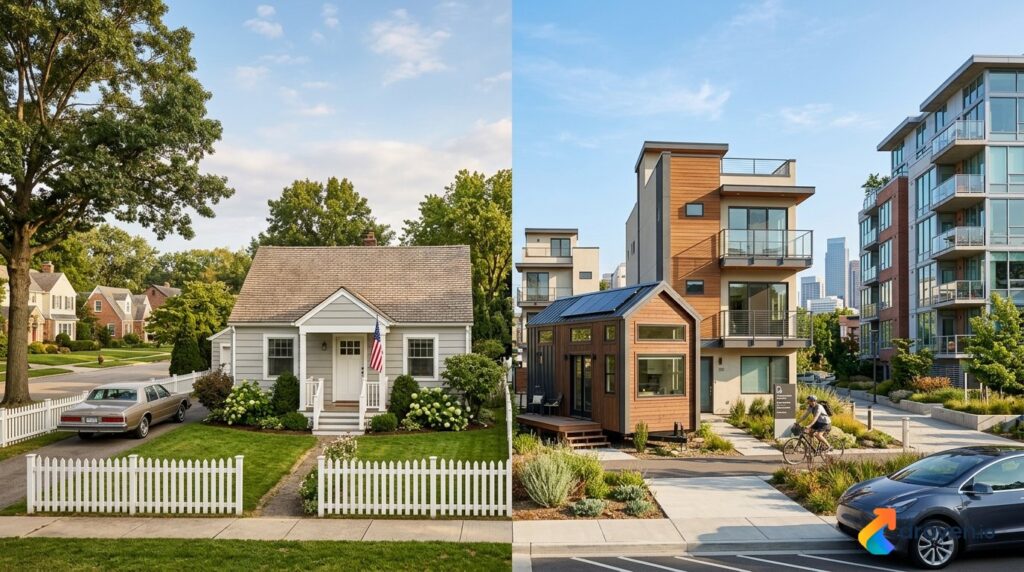
As traditional single-family homes under $500K disappear from reach, alternative housing types are emerging to fill the entry-level void.
Tiny Homes and Manufactured Housing as the New Entry Point
The tiny home movement has evolved from a niche lifestyle choice into a legitimate housing solution for first-time buyers priced out of conventional homes under $500K.
Tru Form Tiny, one of the leading manufacturers in the category, has produced approximately four hundred units with prices starting at just under one hundred thousand dollars and median pricing in the two hundred ten thousand to two hundred twenty thousand dollar range, well within what buyers seeking homes under $500K can realistically afford.
These price points, combined with high-end finishes and built-in flexibility, appeal to buyers who would have purchased traditional starter homes in previous market conditions but now seek value in dramatically reduced square footage.
Entire communities of tiny homes are receiving municipal approval in jurisdictions that previously rejected them, as local governments recognize that homes under $500K require new thinking about what housing can look like.
Condominiums and Townhouses Replacing Single-Family Aspirations
Condominiums and townhouses now represent the realistic first purchase for buyers who would have targeted single-family detached homes under $500K a generation ago.
A three-bedroom townhouse in a suburban community or a two-bedroom condominium in an urban neighborhood increasingly serves as the functional equivalent of the starter home, offering homeownership benefits including equity accumulation and property appreciation without the standalone structure that defined the traditional American starter home, yet these attached homes under $500K still build wealth just as effectively as detached houses.
The shift toward attached housing represents a fundamental redefinition of what entry-level homeownership means in America, one that millions of buyers are accepting as the new normal even as they mourn the single-family starter home their parents accessed more easily.
Multi-Generational Purchasing and Co-Buying Arrangements
Faced with homes under $500K that remain out of reach individually, a growing number of first-time buyers are pooling resources with family members, friends, or partners to access property ownership collectively.
Multi-generational households combining parents, adult children, and sometimes grandparents under one roof represent one of the fastest-growing household arrangements in the country, driven substantially by the unaffordability of homes under $500K for any single generation acting alone.
Co-buying arrangements between unrelated individuals, including friends purchasing duplexes or multi-unit properties together, create pathways to ownership that circumvent the traditional single-family starter home entirely, proving that homes under $500K remain accessible through creative partnership models.
Where Homes Under $500K Still Exist and What Buyers Sacrifice to Access Them

Despite the grim national picture, geographic pockets where homes under $500K remain available do exist, though accessing them typically requires trade-offs.
The Midwest and Rust Belt Offer the Last Strongholds of Affordability
States including Ohio, Michigan, Indiana, Missouri, and western Pennsylvania continue to offer genuine homes under $500K that provide solid construction, usable square footage, and access to employment centers.
The trade-off involves accepting locations that have experienced slower economic growth, colder winters, or greater distance from the coastal job centers that command premium pricing, yet these regions remain the last large-scale source of homes under $500K with genuine single-family characteristics.
For remote workers and those with location flexibility, these regions represent the most realistic path to purchasing homes under $500K with traditional single-family characteristics.
Rural and Small-Town America as the Final Frontier for Homes Under $500K
Communities with populations under fifty thousand, particularly those located more than ninety minutes from major metropolitan areas, still offer homes under $500K at prices that would seem impossibly low to coastal buyers.
The sacrifice involves accepting limited employment opportunities, reduced access to specialized healthcare, fewer cultural amenities, and the social adjustment of small-town life after urban or suburban upbringing, yet for many buyers, this trade-off represents the only remaining path to owning homes under $500K.
For buyers willing to make these trade-offs, homes under $500K in small-town America represent the closest available equivalent to the starter home experience their grandparents took for granted.
Frequently Asked Questions
Why are homes under $500K becoming impossible to find in most American cities?
Homes under $500K are disappearing due to home prices rising 115 percent since 2015 while wages rose only 45 percent, builders abandoning entry-level construction for luxury homes, institutional investors acquiring starter properties, and existing owners trapped by low-rate mortgages who cannot afford to sell.
What is replacing the traditional starter home for first-time buyers?
Tiny homes, manufactured housing, condominiums, townhouses, multi-generational living arrangements, and co-buying partnerships are replacing the traditional single-family homes under $500K that defined entry-level homeownership for previous generations.
Where in the United States can buyers still find homes under $500K?
The Midwest, Rust Belt, and rural communities in states including Ohio, Michigan, Indiana, and western Pennsylvania still offer homes under $500K, though accessing them typically requires accepting trade-offs in location, employment options, and proximity to major metropolitan areas.
How much income is needed to afford homes under $500K?
A household needs approximately sixty-two thousand dollars in annual income to afford a two hundred thousand dollar starter home, with higher incomes required as prices approach the five hundred thousand dollar threshold, where monthly payments at current mortgage rates exceed twenty-six hundred dollars before taxes and insurance, making homes under $500K a stretch goal even for dual-income professional couples.
Are homes under $500K ever going to become affordable again?
Economists suggest that homes under $500K will remain scarce in desirable markets until zoning reform increases housing density, construction costs moderate, institutional investor activity is regulated, and wage growth catches up to the price appreciation that has already occurred, a process likely measured in years rather than months.
What creative strategies are buyers using to access homes under $500K?
Buyers are pooling resources through co-buying arrangements, purchasing multi-unit properties with friends or family, relocating to affordable regions, accepting attached housing including condos and townhouses instead of single-family homes, and exploring tiny homes and manufactured housing as alternatives to traditional construction.
Conclusion
The disappearance of homes under $500K from the American housing market represents one of the most significant economic transformations of the past decade, reshaping not just household balance sheets but the fundamental expectations that Americans hold about financial progress, generational opportunity, and the meaning of homeownership itself.
The eight factors examined in this guide, from catastrophic price-to-income divergence and builder abandonment of entry-level construction to mortgage rate lock-in, institutional investor acquisition, exclusionary zoning, remote work migration, and permanently elevated construction costs, have combined to systematically eliminate the starter home from the options available to millions of aspiring first-time buyers, making homes under $500K the defining affordability battleground of this generation.
What emerges in place of the traditional homes under $500K is a reconfigured entry-level landscape featuring tiny homes, manufactured housing, condominiums, townhouses, cooperative purchasing arrangements, and geographic migration toward the remaining affordability pockets in the Midwest and rural America.
The American dream of homeownership has not died, but it has fundamentally transformed, and the buyers who succeed in this new environment are those who recognize that homes under $500K in 2026 look dramatically different from the starter homes their parents purchased, requiring flexibility, creativity, and a willingness to redefine what that crucial first step onto the property ladder actually means.
