
What if the fastest way to close a deal wasn’t a better pitch, but no pitch at all?
A sales rep once closed a deal in under ten minutes. No slick opening. No rehearsed script. He’d simply done his homework. Knew the buyer’s business inside out. Referenced a problem the company had posted about online just days earlier. Skipped the small talk completely. The buyer’s reply said it all: “Finally, someone who gets it.”
That’s the power of personalized communication, and it’s reshaping how deals get closed across sales floors right now. Script-and-spray is dying slowly. Buyers can easily spot a copy-paste email within seconds these days, and they’ve got zero patience left for it.
Why Buyers Expect Personalization Now
Open any inbox. Dozens of sales emails, unread, ignored. Now think about the last one that got a reply. It probably mentioned something specific. The company. The role. A real problem the buyer was dealing with.
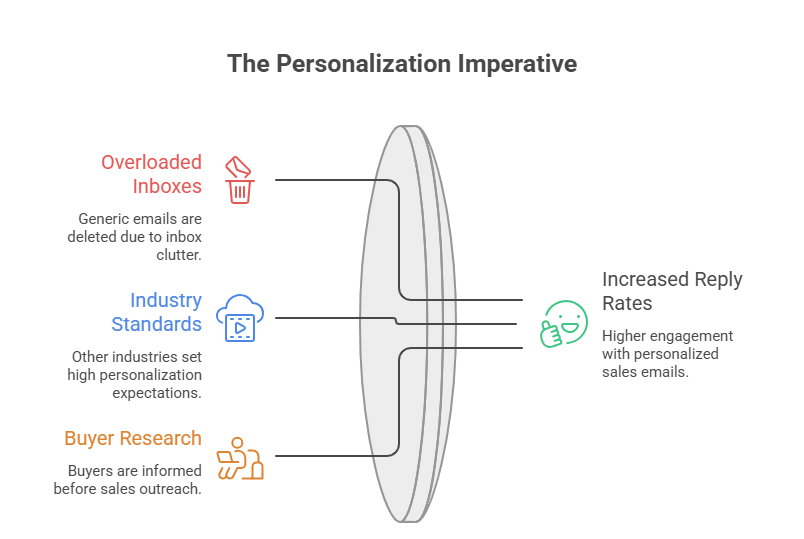
Not a coincidence. A few things pushed buyers here:
- Inboxes are overloaded. Anything mass-produced gets deleted before it’s even read properly.
- Other industries raised the bar. Streaming platforms recommend series or shows based on what you watched last week. Online stores suggest products from your past orders. So, why should a salesperson get away with less?
- Buyers research before anyone even reaches out. Reviews, competitor comparisons, forums. A generic pitch shows up late to a conversation that has already happened without the rep in the room.
Bottom line: Buyers don’t want to be sold to. They want proof that someone looked at their situation first. This is also supported by the numbers. According to Woodpecker’s analysis of over 20 million cold emails, personalization referencing recent hires, funding rounds, or specific pain points achieves an average reply rate of ~17% to 18%, compared to just 7% for basic or non-personalized emails.
Self-Generated
What Personalized Communication Looks Like
Many teams think that merely dropping “Hi [First Name]” into a mass email counts is personal. That’s a mistaken belief because it’s not even close.
Real personalization changes the entire approach, not just the greetings.
| Generic Approach | Personalized Approach |
| Same email, every lead | Message shaped around a buyer’s role and industry |
| Leads with features | Leads with a buyer’s real problem |
| Rigid call script | Adjusts based on how a buyer is responding |
| Random outreach timing | Timed around real signals like a site visit or a download |
| Rushes the close | Builds trust first, then closes naturally |
Nobody has time for deep research on every lead. That’s just not realistic. But two or three minutes looking someone up changes the whole tone of a call. It even manifests in the representative’s demeanor.
According to studies on buyer psychology and confidence, a representative who is well prepared comes across as more composed and confident during a pitch, and that confidence frequently persuades a reluctant buyer to say yes.
An enhanced personalization often refers to particular company news or mutual connections, and it tends to generate a response rate that is generally higher than the rate of generic outreach. Smart AI-powered chatbots can take personalization a step further by tailoring conversations based on customer interests, previous interactions, and relevant company updates.
The Role of Technology in Personalized Selling
Personalizing every message by hand, one at a time, across hundreds of leads. It sounds exhausting, doesn’t it? That’s not how it works.
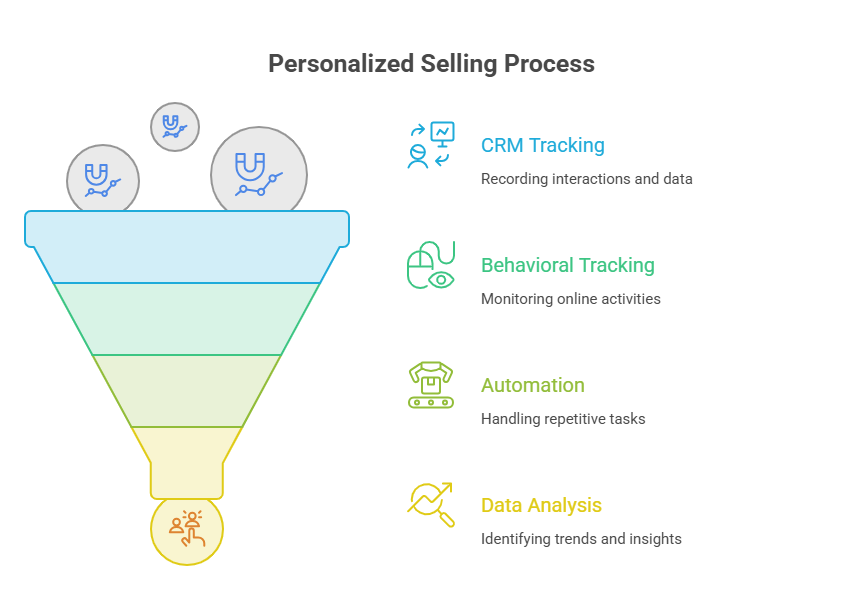
Most teams lean on a mix of tools:
- CRM software tracks who said what and when. Memory alone fails constantly.
- Behavioral tracking shows which pages someone visited and which email was opened. Some teams also use a sentiment analysis tool. It identifies whether customer emails, chats, or feedback show interest, frustration, or hesitation. Reps can then adjust their communication accordingly.
- Automation handles the repetitive stuff. Scheduling, basic follow-ups. A person still writes what genuinely matters.
- Data patterns surface useful trends, like which industries respond better to case studies than demos.
AI tools handle the research load. People still do the talking. That’s the whole balance, and it’s really just AI showing up in business and marketing the way it’s showing up everywhere else: not replacing the relationship, just clearing the busywork out of its way.
Self-Generated
How Personalization Leads to Better Sales Results
Fair question. Feeling good about a thoughtful email is one thing. Changing outcomes is another. Based on what teams report, it works. Noticeably.
| Metric | Generic Communication | Personalized Communication |
| Response rate | Low, mostly ignored | Meaningfully higher |
| Trust with the buyer | Slow, if it forms at all | Builds fast, feels genuine |
| Sales cycle length | Drags, lots of back-and-forth | Shorter, concerns addressed early |
| Loyalty after sale | Weak, the buyer forgets you | Stronger, repeat business |
| Buyer experience | Feels transactional | Feels like support |
None of this is complicated. It’s just what happens when someone feels heard instead of processed.
Marketers have been circling this same idea for a while now: the shift toward connecting with people through feeling and identity rather than just messaging them. Sales is just catching up to what marketing already figured out.
How Sales Teams Can Personalize Communication
Self-Generated
Most of this is a habit rather than a budget.
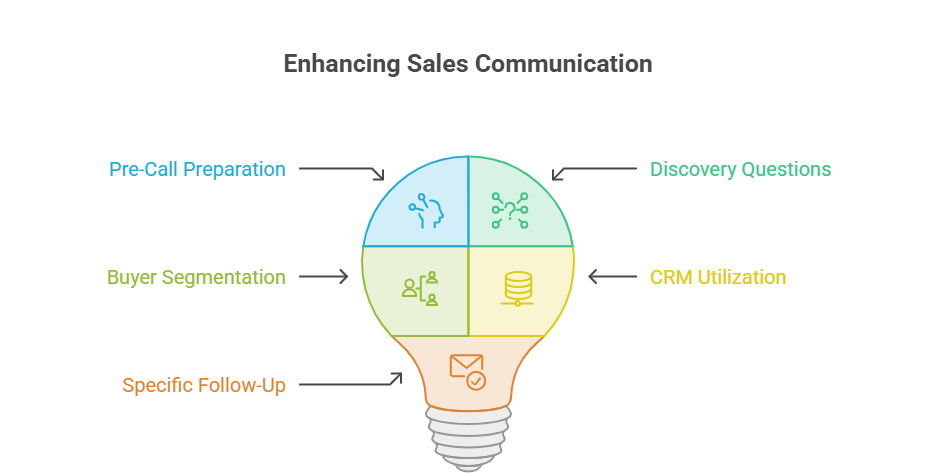
- A few minutes before a call. Look up the company, the role, and something recent they posted.
- Ask before pitching. Find out what’s bothering them first.
- Group buyers instead of blasting one giant list. Sort by industry, size, and need.
- Use the data already sitting in your CRM. Most reps barely touch what’s already there.
- Keep email communication consistent. Using email signature management software can help sales teams maintain accurate contact details and consistent branding across individual outreach without adding extra work.
- Follow up with something specific from the last conversation. Not “just checking in.”
None of it needs expensive software. Mostly, it needs slowing down before hitting send.
The Takeaway
Lately, buyers have become good at filtering out the noise. What still lands is specificity. A message clearly built for one person, not a mass list.
Personalized communication isn’t a clever tool or trick. It’s about treating a buyer as a person.
The teams that outperform in this area aren’t necessarily working harder. They’re paying closer attention. And in a market full of copy-paste pitches, that’s usually enough.
Ready to make every sales conversation feel personal instead of scripted? See how Droven helps sales teams put this into practice.

Author: HIMAAN CHATTERJI
Himaan Chatterji is a B2B SaaS content strategist and co-founder of Confiscore.com. When AFK, he is either latin dancing or cooking.
