
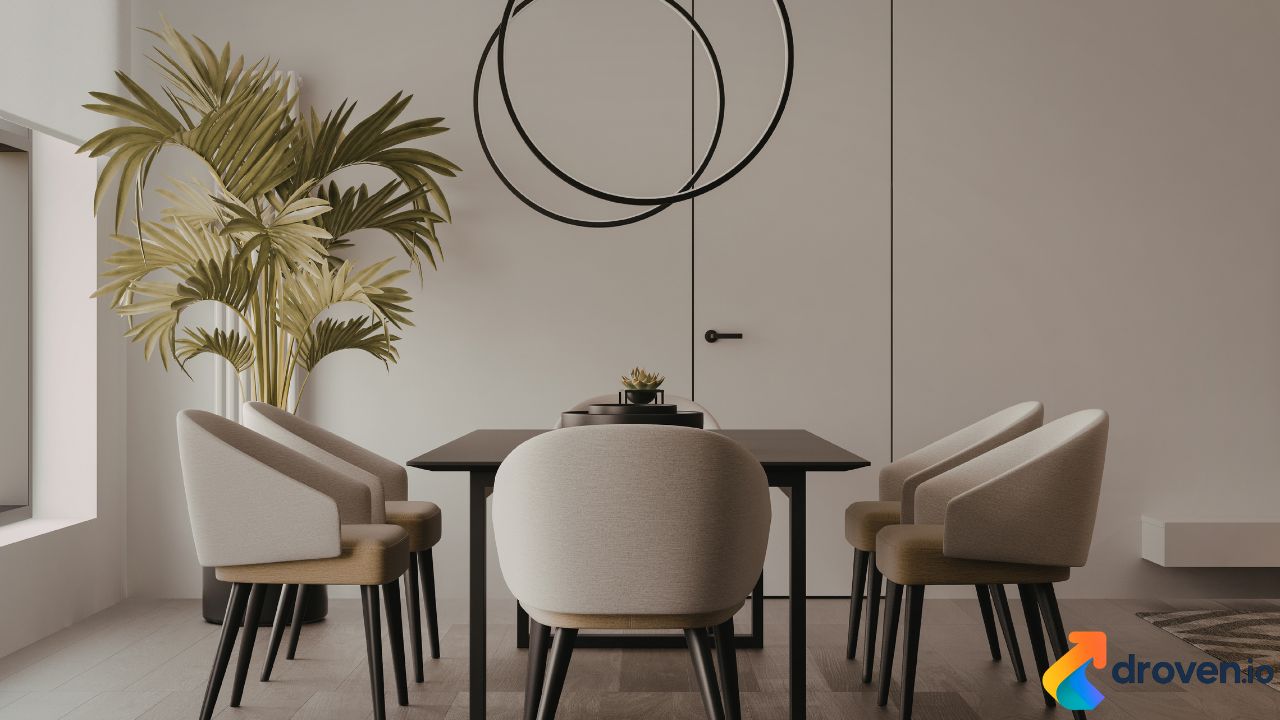
Minimalism continues to influence modern interior design, but in 2026 it is evolving into a warmer, more expressive style. Minimalist furniture trends for 2026 focus on simplicity, functionality, sustainability, and comfort. Instead of cold or sterile spaces, modern minimalist interiors combine clean lines with natural materials, subtle textures, and thoughtful design details.
Designers are moving toward furniture that balances aesthetic simplicity with everyday usability, creating living spaces that feel calm, practical, and visually refined.
1. Organic and Curved Furniture Shapes
One of the most notable trends is the rise of organic, curved forms. Furniture pieces are becoming softer and more fluid, inspired by natural shapes and biomorphic design.
Examples include:
- Curved sofas and lounge chairs
- Rounded coffee tables
- Sculptural minimalist seating
These shapes help create a calm, flowing environment while maintaining minimalist simplicity.
2. Sustainable and Eco-Friendly Materials
Sustainability is becoming a key factor in furniture design. Many minimalist furniture pieces for 2026 emphasize environmentally responsible materials and production methods.
Popular materials include:
- Reclaimed or recycled wood
- Cork and bamboo
- Natural fibers such as hemp and organic cotton
- Recycled plastics used for modern furniture frames
Consumers are increasingly investing in durable furniture designed to last for many years rather than disposable “fast furniture.”
3. Multi-Functional Furniture for Small Spaces
As urban living spaces become smaller, multifunctional furniture is gaining popularity.
Examples include:
- Sofa beds with hidden storage
- Expandable dining tables
- Modular seating systems
- Foldable desks and wall-mounted shelves
Minimalist design prioritizes practicality, and multi-purpose furniture helps maintain uncluttered living spaces while maximizing functionality.
4. Neutral and Earth-Inspired Color Palettes
Minimalist furniture in 2026 continues to use neutral tones, but warmer and earthier shades are replacing the cold grey palettes of earlier minimalist designs.
Trending colors include:
- Warm beige and cream
- Sand and terracotta
- Olive green and muted brown
- Soft charcoal and taupe
These tones create relaxing environments that feel natural and comfortable.
5. Handcrafted and Artisan Details
Minimalist furniture is increasingly highlighting craftsmanship and authenticity. Instead of mass-produced items, many designers are showcasing handmade furniture with visible craftsmanship.
Examples include:
- Hand-carved wood surfaces
- Hand-stitched upholstery
- Traditional joinery techniques
- Artisan-made accent pieces
This shift reflects a growing appreciation for quality materials and timeless construction.
6. Smart and Technology-Integrated Furniture
Technology is gradually being integrated into minimalist furniture without disrupting clean aesthetics.
Examples include:
- Wireless charging tables
- Smart lighting integrated into shelves
- Adjustable ergonomic seating
- Sensor-driven comfort design
These designs combine minimalist style with modern convenience.
7. Japandi Influence
The Japandi style, which blends Japanese minimalism with Scandinavian design, continues to influence furniture trends.
Key characteristics include:
- Low-profile furniture
- Natural wood materials
- Soft neutral color palettes
- Functional yet elegant designs
Japandi emphasizes simplicity, craftsmanship, and a strong connection to nature.
8. “Quiet Luxury” Minimalism
Another emerging concept is quiet luxury, where minimalist furniture emphasizes quality rather than bold decoration.
Features include:
- Solid wood furniture
- Elegant neutral upholstery
- Minimal hardware and clean finishes
- Durable construction designed to last decades
This trend encourages thoughtful purchasing and long-term design value.
How Minimalist Furniture Is Evolving
Minimalism in 2026 is no longer about empty spaces or strict design rules. Instead, the style focuses on intentional living—selecting furniture that adds both beauty and purpose to a home.
Designers are combining minimalist principles with comfort, sustainability, and personality, creating interiors that feel calm yet welcoming.
FAQs
What defines minimalist furniture?
Minimalist furniture typically features clean lines, simple shapes, neutral colors, and functional design.
Is minimalist furniture still popular in 2026?
Yes. Minimalism remains popular, but it is evolving toward warmer materials, natural textures, and more personal interiors.
What materials are common in minimalist furniture?
Wood, stone, metal, and natural fibers are commonly used because they provide durability and timeless appeal.
What colors are trending for minimalist furniture in 2026?
Warm neutrals such as beige, terracotta, olive green, and soft browns are becoming more popular than cool grey tones.
Is minimalist furniture suitable for small homes?
Yes. Minimalist furniture is often designed to be multifunctional and space-efficient, making it ideal for smaller living spaces.
