
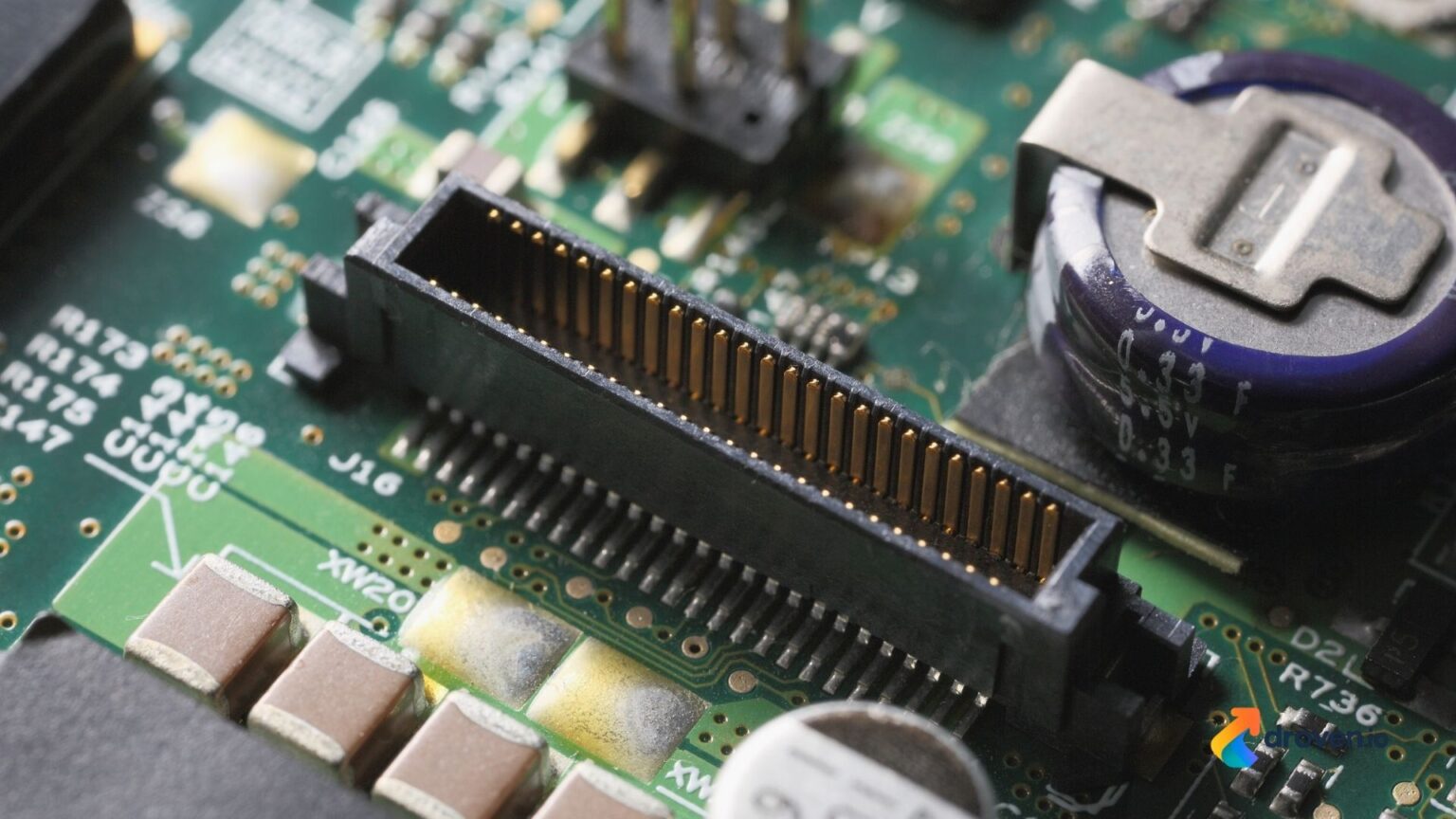
Modern electronic devices rely on thousands of miniature components working together to deliver reliable performance. Among the most widely used passive electronic components is the multilayer ceramic capacitor, commonly referred to as an MLCC. These capacitors are found in smartphones, computers, automotive electronics, medical equipment, industrial systems, and countless other electronic devices.
Known for their compact size, reliability, and excellent electrical performance, multilayer ceramic capacitors have become a standard choice for engineers designing high-density electronic circuits. Understanding how these components work and where they are used can help engineers, manufacturers, students, and electronics enthusiasts make informed design and purchasing decisions.
What Is a Multilayer Ceramic Capacitor?
A multilayer ceramic capacitor (MLCC) is a passive electronic component that stores electrical energy using alternating layers of ceramic dielectric material and metal electrodes. Multiple ceramic layers are stacked together to increase capacitance while maintaining a compact form factor.
Unlike single-layer capacitors, MLCCs achieve higher capacitance values by incorporating numerous internal layers into one small component.
These capacitors are widely used because they offer:
- Compact size
- High reliability
- Low electrical losses
- Stable performance across many applications
- Compatibility with automated PCB assembly
How a Multilayer Ceramic Capacitor Works
Energy Storage
Like all capacitors, an MLCC stores electrical energy in an electric field between conductive electrodes separated by a dielectric material.
When voltage is applied, electric charge accumulates on the electrodes and is released when required by the circuit.
Multiple Internal Layers
The defining characteristic of an MLCC is its layered construction.
Each ceramic layer acts as a dielectric while metal electrodes create multiple capacitor sections connected internally. This layered design significantly increases the total capacitance without increasing the overall component size.
Construction of a Multilayer Ceramic Capacitor
A typical multilayer ceramic capacitor consists of:
- Ceramic dielectric layers
- Internal metal electrodes
- External termination electrodes
- Protective coating
The manufacturing process involves stacking thin ceramic sheets with conductive electrode patterns before firing them at high temperatures to create a solid component.
Types of Multilayer Ceramic Capacitor
Class 1 MLCC
Class 1 capacitors are designed for applications requiring high stability and low electrical loss.
Typical characteristics include:
- Excellent temperature stability
- Low dielectric loss
- High accuracy
- Stable capacitance
They are commonly used in precision timing circuits and RF applications.
Class 2 MLCC
Class 2 capacitors provide higher capacitance values in smaller packages.
They are frequently used for:
- Power supply filtering
- Decoupling
- General electronic circuits
- Consumer electronics
Although they offer higher capacitance, their electrical characteristics may vary more with temperature and applied voltage than Class 1 devices.
Advantages of a Multilayer Ceramic Capacitor
Compact Design
MLCCs provide relatively high capacitance within extremely small packages, making them suitable for compact electronic products.
High Reliability
These capacitors generally have long service lives when operated within their specified ratings and environmental conditions.
Low Equivalent Series Resistance (ESR)
Many MLCCs exhibit low ESR, supporting efficient operation in high-frequency applications.
Excellent High-Frequency Performance
Their electrical characteristics make them suitable for RF circuits, communication equipment, and high-speed digital electronics.
Automated Manufacturing Compatibility
MLCCs are available in surface-mount packages that support automated PCB assembly, helping manufacturers improve production efficiency.
Applications of a Multilayer Ceramic Capacitor
Consumer Electronics
MLCCs are widely used in:
- Smartphones
- Tablets
- Laptops
- Smart televisions
- Gaming devices
Modern electronic products often contain hundreds or even thousands of multilayer ceramic capacitors.
Automotive Electronics
Vehicles increasingly depend on electronic control systems.
MLCCs are commonly used in:
- Engine control units
- Advanced driver-assistance systems (ADAS)
- Infotainment systems
- Battery management systems
- Electric vehicle electronics
Automotive components typically require capacitors designed to meet industry-specific standards.
Industrial Equipment
Industrial electronics use MLCCs in:
- Motor drives
- Power supplies
- Industrial automation
- Sensors
- Control systems
Reliable capacitor performance contributes to stable industrial operations.
Medical Devices
Medical equipment may incorporate MLCCs in monitoring systems, diagnostic devices, imaging equipment, and portable medical electronics.
Components intended for medical applications should meet applicable regulatory and quality requirements.
Telecommunications
Communication systems rely on multilayer ceramic capacitors for filtering, signal processing, and power management within networking equipment and wireless devices.
How to Choose the Right Multilayer Ceramic Capacitor
Selecting the appropriate MLCC requires evaluating several technical specifications.
Capacitance
Choose a capacitance value that meets the circuit’s functional requirements.
Voltage Rating
The capacitor’s voltage rating should exceed the maximum operating voltage expected in the application.
Dielectric Material
Different ceramic dielectric materials offer varying performance characteristics related to stability, capacitance, and temperature behavior.
Package Size
Available package sizes range from very small surface-mount components to larger formats for specialized applications.
The chosen size should match both electrical and mechanical design requirements.
Temperature Characteristics
Consider the expected operating environment and select a capacitor with appropriate temperature performance for the application.
Common Failure Causes
Although MLCCs are generally reliable, failures can occur due to:
- Mechanical stress
- Excessive voltage
- Thermal shock
- PCB flexing
- Improper soldering
- Manufacturing defects
Following recommended handling and assembly practices can reduce the likelihood of component damage.
Best Practices for Using a Multilayer Ceramic Capacitor
To improve long-term reliability:
- Follow manufacturer specifications.
- Avoid exceeding voltage ratings.
- Minimize mechanical stress during PCB assembly.
- Use proper soldering techniques.
- Consider operating temperature conditions.
- Store components according to manufacturer recommendations.
Good design practices contribute to reliable electronic systems.
Future Trends in MLCC Technology
Demand for multilayer ceramic capacitors continues to grow as electronic devices become smaller and more powerful.
Industry trends include:
- Higher capacitance in smaller packages
- Improved high-frequency performance
- Enhanced automotive-grade components
- Increased use in electric vehicles
- Advanced manufacturing techniques
- Support for next-generation communication systems
These developments continue to expand the role of MLCCs across modern electronics.
Frequently Asked Questions
1. What is a multilayer ceramic capacitor?
A multilayer ceramic capacitor (MLCC) is a passive electronic component made from multiple layers of ceramic dielectric material and metal electrodes that stores electrical energy in electronic circuits.
2. Where are multilayer ceramic capacitors used?
They are commonly used in consumer electronics, automotive systems, industrial equipment, telecommunications, medical devices, and power supplies.
3. What are the advantages of a multilayer ceramic capacitor?
MLCCs offer compact size, high reliability, low electrical losses, excellent high-frequency performance, and compatibility with automated manufacturing.
4. What is the difference between Class 1 and Class 2 MLCCs?
Class 1 capacitors provide greater electrical stability, while Class 2 capacitors offer higher capacitance values but may exhibit greater variation under changing operating conditions.
5. How do I select the right multilayer ceramic capacitor?
Consider capacitance, voltage rating, dielectric material, package size, temperature characteristics, and the requirements of your electronic application.
6. Why are multilayer ceramic capacitors important?
They play a critical role in filtering, energy storage, signal coupling, decoupling, and voltage stabilization across a wide range of electronic devices.
Conclusion
A multilayer ceramic capacitor is one of the most important passive components in modern electronics, enabling reliable performance in everything from smartphones and automotive systems to industrial equipment and medical devices. Its compact design, dependable operation, and versatility make it a preferred choice for engineers across many industries. By understanding the different capacitor classes, key specifications, and application requirements, designers and manufacturers can select the most suitable multilayer ceramic capacitor for their projects, helping to improve circuit performance, reliability, and long-term efficiency.
