
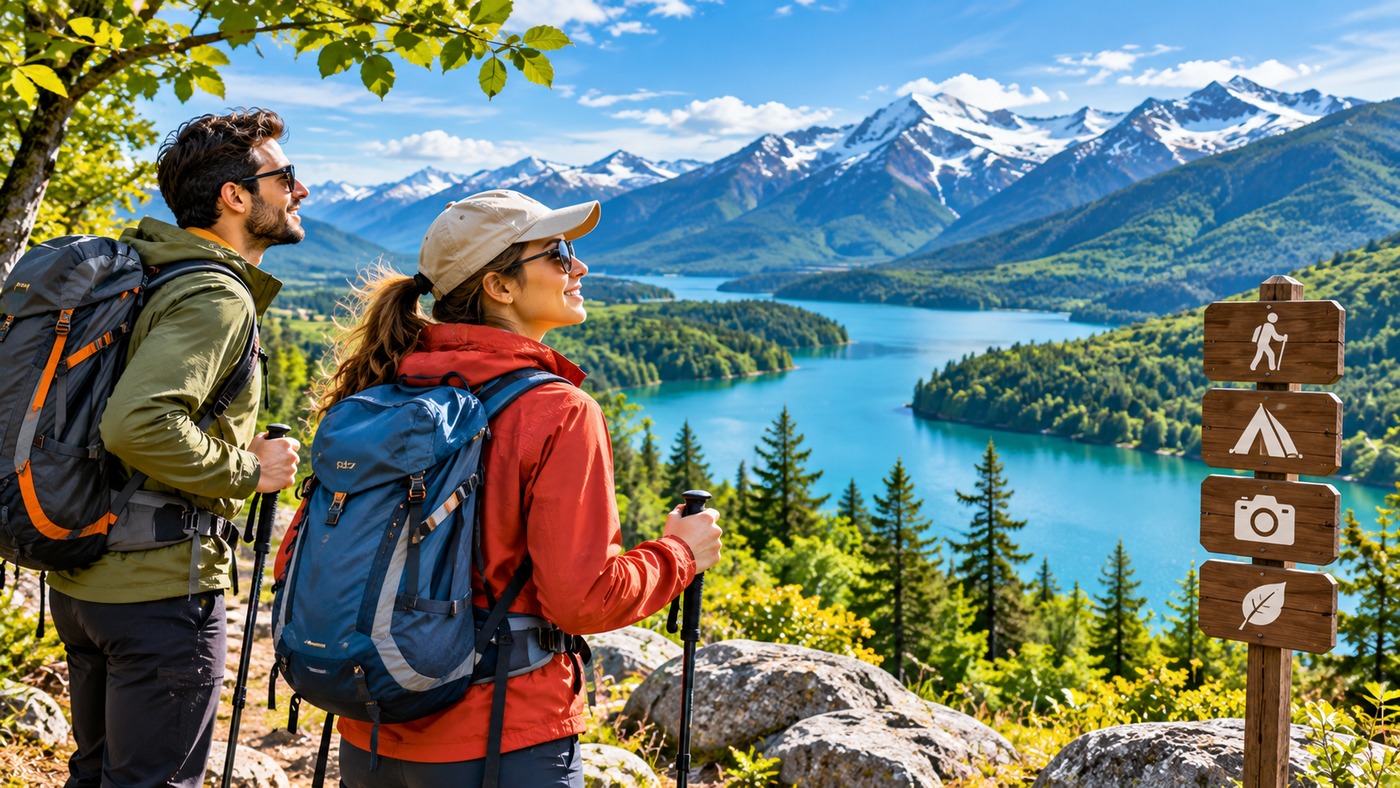
Modern leisure travel is undergoing a fundamental transformation as travelers reconsider what it means to take a vacation. For decades, traditional tourism centered on bustling commercial theme parks, dense urban centers, packed cruise ships, and crowded beach resorts. Today, a growing segment of global travelers is deliberately moving away from these high-density attractions in favor of untouched natural landscapes, pristine national parks, and remote wilderness corridors. Nature-based tourism has transformed from a niche recreation market into a powerful worldwide movement that is reshaping hospitality, personal wellness, and conservation economics.
Escaping Digital Fatigue and Mental Overstimulation
A primary force accelerating the growth of nature-focused travel is the overwhelming prevalence of digital connectivity in everyday professional and personal routines. Modern workers spend prolonged hours in front of computer displays, managing endless digital notifications, and navigating intense workplace deadlines. This constant cognitive demand depletes mental focus and induces chronic stress, leaving travelers exhausted.
Immersing oneself in wilderness settings offers a natural remedy for mental exhaustion. Spending quiet days beneath towering ancient forest canopies or beside rushing alpine streams engages human attention without demanding active cognitive strain. Removing glowing smartphone screens and electronic alerts allows the brain’s prefrontal cortex to rest, restoring creative focus, easing chronic anxiety, and lowering blood pressure.
As wellness-minded travelers increasingly prioritize mental restoration over standard sightseeing, wilderness escapes provide authentic sensory refreshment. Walking along unpaved dirt trails, breathing fresh mountain air, and falling asleep to natural outdoor silence calms an overstimulated nervous system far more effectively than navigating crowded city sidewalks.
Unplugging from Chronic Screen Demands
Trading buzzing notification chimes for the whispers of rustling tree leaves provides the brain with a true cognitive detox.
Stepping away from virtual environments reawakens physical senses, anchoring travelers firmly in their immediate physical surroundings. Digital disconnection restores inner clarity.
Lowering Systemic Stress Through Forest Immersion
Breathing in clean mountain air and natural plant phytoncides actively reduces circulating cortisol levels across the human body.
Time spent walking through natural woodlands stimulates physical vitality, promoting deep muscular relaxation and reducing systemic inflammation. Outdoor immersion nurtures physical health.
The Search for Meaningful and Transformative Experiences
Contemporary travelers are shifting their spending priorities, valuing personal transformation and authentic memories over passive material consumption. Standard resort vacations often feel uniform and commercialized, offering nearly identical experiences regardless of geographic location. In contrast, outdoor adventures provide unique, memorable experiences that leave lasting impressions.
Whether paddling a sea kayak through remote marine estuaries, navigating alpine mountain passes, or observing rare wildlife foraging in native habitats, nature-based journeys present positive physical and mental challenges. Overcoming the minor hurdles of outdoor exploration—such as climbing a steep trail or learning wilderness navigation—builds self-reliance, sparks personal growth, and strengthens emotional resilience.
Furthermore, witnessing pristine wilderness firsthand evokes a profound sense of awe that re-anchors human perspectives. Gazing into vast glacial canyons, standing beneath ancient redwoods, or watching starry night skies free from light pollution reminds travelers of their place in the natural world, inspiring deep gratitude that standard tourist destinations rarely provide.
Overcoming Physical Obstacles on Backcountry Trails
Navigating rocky switchbacks and crossing cold mountain streams builds genuine athletic confidence and self-sufficiency.
Shared outdoor adventures strengthen personal camaraderie, creating unbreakable bonds between travel partners. Meaningful challenges enrich vacation memories.
Experiencing Humility Beneath Expansive Vistas
Standing before immense geological features reframes daily workplace stresses as minor and manageable.
Witnessing untouched natural monuments inspires deep emotional wonder, cultivating lasting mindfulness that travelers carry back home. Awe-inspiring views restore perspective.
Surging Interest in Authentic and Undisturbed Wildlife Encounters
Observing wildlife in natural, unrestricted habitats has become one of the most compelling motivators for modern travelers. Seeing captive animals in concrete enclosures or artificial safari parks holds little appeal for travelers seeking authentic encounters with native wildlife. Instead, people are traveling to remote corners of the globe to observe fauna thriving on their own terms.
Wildlife-focused journeys allow travelers to witness natural animal behaviors—such as seasonal migrations, predatory chases, and nurturing parental care—without artificial human barriers. These authentic sightings inspire genuine humility, deepening appreciation for the delicate biological systems that sustain apex species and diverse regional food webs.
For adventurers eager to observe massive coastal brown bears hunting salmon in untouched subarctic rivers, securing certified lodging in Katmai National Park or nearby backcountry sanctuaries offers direct access to premier wildlife habitats. Staying directly within protected wild acreage allows visitors to watch bears fish, dig for clams, and rear playful cubs against dramatic volcanic backdrops, providing an unforgettable education in wildlife conservation.
Observing Natural Animal Foraging and Migrations
Watching predators catch migrating fish in rushing rivers provides front-row insight into untamed food webs.
Respectful wildlife observation from designated platforms ensures wild animals continue their feeding routines without disturbance. Thoughtful viewing protects wildlife integrity.
Understanding the Fragility of Apex Predator Sanctuaries
Learning how regional fish populations sustain predatory land mammals highlights the vital importance of watershed protection.
Experiencing wild ecosystems firsthand transforms casual tourists into lifelong advocates for wildlife habitat preservation. Real encounters inspire conservation action.
Growing Environmental Consciousness and Ecotourism Principles
As global awareness regarding habitat destruction and climate change intensifies, travelers are becoming far more discerning about the environmental footprint of their travel choices. Conscientious travelers actively seek out tour operators, accommodations, and transit options that practice environmental stewardship and respect regional communities.
Nature-based tourism often aligns closely with principles of low-impact ecotourism and habitat conservation. Many remote eco-lodges operate on off-grid renewable energy, utilize localized rainwater harvesting, minimize single-use plastics, and enforce strict waste containment policies to protect surrounding terrain. Choosing these low-impact accommodations allows travelers to enjoy pristine wild spaces knowing their trip supports sustainable practices.
Additionally, ethical outdoor tour companies emphasize Leave No Trace outdoor ethics, educating travelers on how to explore delicate alpine tundra, desert crusts, and coastal dunes without leaving permanent scars on the landscape. Traveling with a sustainability mindset minimizes ecological degradation while cultivating deep respect for fragile biomes.
Supporting Off-Grid Renewable Accommodations
Staying at properties utilizing solar arrays and composting systems demonstrates that comfortable hospitality can coexist with environmental protection.
Low-impact wilderness retreats preserve surrounding native vegetation, keeping local waterways free from commercial pollution. Sustainable stays protect wilderness borders.
Practicing Strict Leave No Trace Trail Ethics
Packing out all personal trash and sticking to designated trails prevents human erosion from degrading fragile wild terrains.
Respecting posted conservation boundaries ensures delicate soils and native flora remain pristine for future generations of hikers. Ethical hiking safeguards wild lands.
Fostering Local Economic Empowerment and Conservation Funding
Beyond personal health benefits and environmental ethics, nature-based tourism plays a vital role in funding global wildlife conservation and supporting rural economies. In many remote rural regions, revenue from commercial agriculture, industrial logging, and mineral extraction has historically driven regional economic activity at the expense of native ecosystems.
Nature-based tourism creates an economically compelling alternative that places tangible financial value on preserving living forests, healthy rivers, and thriving animal populations. Entrance fees collected at national parks, wildlife refuges, and marine protected areas fund anti-poaching operations, scientific research, and ongoing trail maintenance.
Furthermore, nature tourism directs economic resources straight into rural communities. Hiring local wilderness guides, staying at family-operated guest ranches, and purchasing artisan goods from indigenous craftspeople creates sustainable livelihoods tied directly to conservation. When local communities see that preserved wilderness draws travelers from around the world, safeguarding natural assets becomes an enduring source of community pride and financial security.
Directing Travel Capital Toward National Parks
Paying park entrance fees and purchasing backcountry permits provides vital funding for federal trail conservation programs.
Public visitor fees support ecological monitoring efforts that protect endangered native species from external pressures. Tourism revenue funds wilderness protection.
Creating Sustainable Lifestyles for Rural Communities
Employing local boat captains and wilderness guides provides stable, dignified employment in environmentally sensitive regions.
Community-based ecotourism encourages local stewardship, proving that wild habitats are far more valuable left intact than exploited. Local partnerships sustain conservation economies.
Conclusion
The rising popularity of nature-based tourism represents a meaningful return to the essential biological connection between humans and the natural world. By stepping away from digital screens and crowded tourist traps, modern travelers discover profound stress relief, cognitive clarity, and emotional wonder within untouched wilderness settings. Choosing to explore wild terrains responsibly not only enriches personal health, but also fuels conservation funding and supports local rural communities. As people continue seeking deeper purpose in their journeys, nature-based travel will continue inspiring travelers to discover, cherish, and protect our planet’s wild spaces.
