
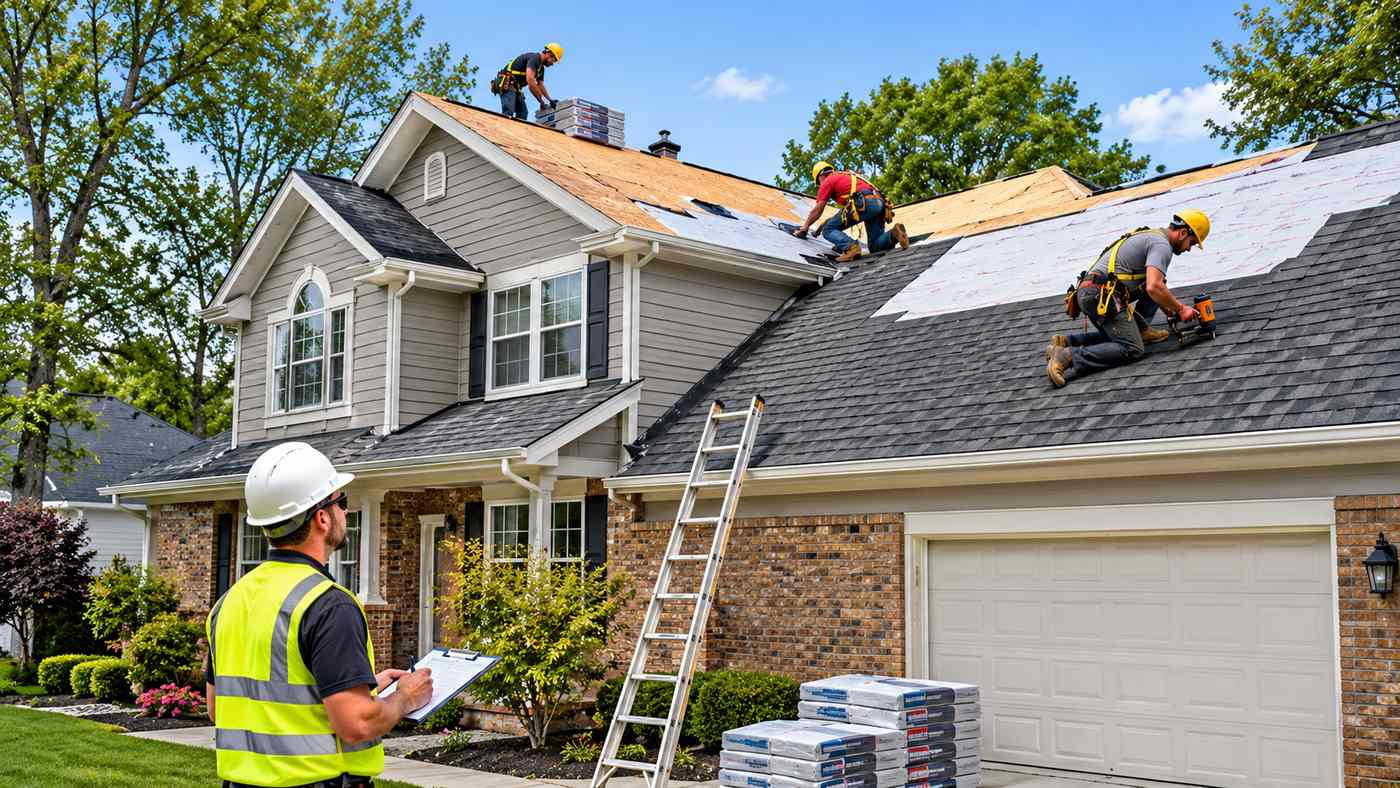
Finding a reliable Ohio roofing company is one of the most important decisions homeowners can make when protecting their property from weather damage, moisture intrusion, and expensive structural repairs. Whether your roof has missing shingles, persistent leaks, storm damage, or signs of aging, choosing the right contractor can influence the quality, durability, and long term performance of the roofing system. Ohio experiences changing weather conditions throughout the year, including heavy rainfall, snow, freezing temperatures, strong winds, and occasional hailstorms. These conditions make proper roofing materials, professional installation, and preventive maintenance especially important. This comprehensive guide explains seven essential factors to consider when selecting a roofing contractor, understanding replacement costs, comparing materials, evaluating warranties, and maintaining a dependable roof.
What Should You Look for in an Ohio Roofing Company?
A reputable roofing contractor should provide documented experience, appropriate insurance, transparent estimates, references, and clear explanations of the recommended work.
Homeowners should also confirm whether the contractor meets local registration requirements and understands the building regulations applicable to the property.
Ohio does not issue a general statewide roofing contractor licence, although municipalities may establish their own registration or licensing requirements.
The Ohio Attorney General recommends checking contractor credentials, obtaining multiple written estimates, reviewing references, and understanding the complete agreement before authorizing home improvement work.
A trustworthy contractor should help you understand the condition of your roof and explain whether repairs or replacement offer the most appropriate solution.
1. Verify Contractor Experience, Credentials, and Insurance
Professional qualifications are an essential consideration when comparing roofing companies.
Roof installation requires an understanding of structural conditions, waterproofing systems, material compatibility, ventilation, and safe construction practices.
A contractor with relevant experience is better positioned to recognize problems that could affect the performance of a new roof.
Confirm Local Registration Requirements
Ohio roofing contractors are not subject to one general statewide roofing licence.
However, some cities and municipalities require local contractor registration or other credentials.
Before hiring an Ohio roofing company, contact the relevant building department to establish which requirements apply to your project.
Check Business Registration
Verify the company’s business identity and confirm that it is appropriately registered with the Ohio Secretary of State.
Ask for its legal business name, physical address, telephone number, and information about the person responsible for the project.
A professional contractor should provide this information without hesitation.
Review Insurance Coverage
Roofing involves working at heights, handling heavy materials, and using construction equipment.
Ask for evidence of appropriate general liability insurance and workers compensation coverage, as applicable.
Where possible, verify insurance information directly with the insurer or issuing organization.
This helps establish whether the coverage is active and relevant to the proposed work.
Evaluate Past Projects
Request examples of completed residential roofing installations involving properties similar to yours.
Ask for recent local references and investigate how the contractor responds to concerns.
A company with experience installing the roofing material you intend to purchase may be especially valuable.
2. Understand Roof Inspections, Repairs, and Replacement Needs
Not every damaged roof requires complete replacement.
Some problems involve isolated components that can be repaired effectively.
Others indicate extensive deterioration that may justify installing a new roofing system.
A thorough roof inspection helps homeowners distinguish between these situations.
Common Signs of Roof Damage
Roof problems may develop gradually or appear after severe weather.
Warning signs include:
- Missing, cracked, or displaced shingles
- Water stains on ceilings or walls
- Damaged flashing around chimneys
- Persistent moisture in attic spaces
- Deteriorated roof valleys
- Visible sagging or damaged decking
- Repeated leaks in multiple locations
These symptoms require professional evaluation because the visible problem may not identify the original source of water intrusion.
When Roof Repairs May Be Appropriate
A localized repair may be sufficient when the surrounding roofing system remains in good condition.
Examples include replacing a limited number of damaged shingles or correcting a small flashing defect.
However, the contractor should assess whether compatible materials are available and whether the repair can provide dependable protection.
When Is Roof Replacement Necessary?
Replacement may be more appropriate when damage affects a substantial portion of the roof, the roofing system has widespread deterioration, or repeated repairs no longer address underlying problems.
The condition of the roof decking and moisture protection layers also matters.
An experienced Ohio roofing company should document its findings and explain the advantages, limitations, and expected costs of each option.
Avoid Unnecessary Replacement
Homeowners should be cautious of contractors recommending complete replacement without explaining the existing roof’s condition.
Ask for inspection photographs and a written explanation of the proposed work.
An independent second opinion can be useful when recommendations differ significantly.
3. Choose Roofing Materials Suitable for Ohio Weather
The roofing material you select affects appearance, maintenance, weather resistance, and overall ownership costs.
Ohio’s seasonal temperature changes make proper material selection and installation particularly important.
Architectural Asphalt Shingles
Asphalt shingles are commonly used for residential roofing throughout Ohio.
They are available in different styles, colours, and performance categories.
Architectural shingles generally feature a dimensional appearance and are offered with different manufacturer warranty terms.
Their suitability depends on roof slope, installation conditions, and the selected product’s specifications.
Evaluate Wind Resistance
Wind resistance ratings vary between roofing products.
Contractors should select shingles appropriate for the property’s conditions and follow the manufacturer’s fastening and installation requirements.
Improper installation can reduce performance even when the material itself is rated for demanding weather.
Metal Roofing Systems
Metal roofing is another option for homeowners considering a roof replacement.
Common materials include steel and aluminum, with various panel designs and protective finishes.
Depending on the system, metal roofing can offer durability and resistance to certain weather conditions.
However, installation quality, corrosion protection, roof geometry, and maintenance requirements influence long term performance.
Other Residential Roofing Materials
Synthetic roofing products, slate, and specialty shingles may be suitable for certain properties.
Flat and low slope roof sections may require different systems, such as appropriate membrane roofing.
The selected product must be compatible with the roof’s slope and construction.
Compare Total Ownership Costs
The lowest initial roofing price is not necessarily the least expensive long term option.
Consider:
- Material and installation expenses
- Expected maintenance needs
- Manufacturer warranty conditions
- Repair accessibility
- Roof complexity
- Energy performance characteristics
- Compatibility with existing structures
A dependable contractor should explain the differences without promising that one material will last a specific number of years under every condition.
4. Compare Roofing Estimates and Understand Project Costs
Roof replacement is a significant home improvement expense.
However, reliable statewide pricing cannot be determined from roof size alone.
Labour rates, material selection, structural conditions, and installation complexity can produce substantial differences between projects.
Factors Affecting Ohio Roofing Costs
The total price may depend on:
- Roof surface area
- Roof pitch and accessibility
- Existing roofing material
- Number of existing roofing layers
- Material quality and selected system
- Flashing and ventilation requirements
- Condition of roof decking
- Waste removal and disposal expenses
- Required permits and inspections
Homes with complex rooflines, dormers, skylights, or multiple valleys may require additional installation work.
Request Detailed Written Estimates
The Ohio Attorney General recommends obtaining at least three written estimates when evaluating home improvement contractors.
Comparing several proposals helps homeowners identify differences in materials, services, and pricing.
A complete roofing estimate should clearly describe what the contractor intends to provide.
Essential Estimate Details
Request documentation identifying:
- Roofing materials and manufacturer
- Removal of existing roofing
- Underlayment and moisture protection
- Flashing installation or replacement
- Ventilation work
- Decking repair allowances
- Cleanup and disposal
- Project schedule
- Payment conditions
- Warranty information
Ask how unexpected damage discovered after removing the existing roof will be priced and approved.
Understand Payment Arrangements
Avoid contractors demanding unusually large deposits or full payment before work begins.
The Ohio Attorney General advises consumers to use documented payment arrangements and avoid large advance payments.
Payment schedules should correspond to clearly defined project stages.
A reliable Ohio roofing company should provide a written contract identifying payment amounts, responsibilities, and completion conditions.
5. Evaluate Storm Damage Repair and Insurance Assistance
Ohio homeowners may experience roof damage from windstorms, hail, falling branches, or other weather events.
Storm damage should be assessed promptly because exposed roofing materials can allow water to enter the building.
However, homeowners should avoid making major decisions under pressure.
What to Do After Roof Storm Damage
Begin by checking the property from a safe location.
Do not climb onto a damaged roof or approach fallen electrical lines.
Photograph visible damage and take reasonable steps to prevent further losses without placing yourself in danger.
Contact your insurance company when you believe a covered event may have damaged your property.
Understand Homeowners Insurance Coverage
Roof insurance coverage depends on the policy and the cause of the damage.
The Ohio Department of Insurance explains that some policies settle claims using replacement cost coverage, while others use actual cash value.
Actual cash value generally accounts for depreciation.
Replacement cost coverage may allow payment based on replacing damaged property with comparable new materials, subject to the policy’s terms.
Check Wind and Hail Deductibles
Some policies have a separate deductible for wind or hail damage.
That deductible may be a fixed amount or a percentage of the home’s insured value.
Homeowners should review these conditions before assuming the insurance company will cover the entire repair expense.
Ordinary wear, neglect, or gradual deterioration may be excluded from coverage.
Avoid Storm Repair Scams
The Ohio Attorney General warns that dishonest contractors sometimes approach homeowners after severe weather.
Warning signs include high pressure sales tactics, demands for large upfront payments, and promises of guaranteed insurance settlements.
Ask for written estimates and verify the contractor’s identity.
Keep Insurance Decisions With the Appropriate Parties
A roofing contractor can document damage and provide repair estimates.
However, homeowners should not give a contractor unrestricted authority to negotiate or settle their insurance claims.
The insurer determines coverage according to the policy, and disagreements should be handled through appropriate claim procedures.
Choose an Ohio roofing company based on professional qualifications and documented work rather than promises about insurance payouts.
6. Confirm Building Codes, Permits, and Installation Safety
A quality roofing project must comply with applicable construction requirements.
Ohio’s building regulations address matters such as roof coverings, structural performance, and moisture protection.
Specific requirements depend on the building type, location, and work being performed.
Understand Local Roofing Permits
Permitting requirements are not identical across every Ohio municipality.
Some roofing projects may qualify for permit exemptions, while others require approval or inspection.
Before installation begins, ask the local building department whether permits are required.
The Ohio Attorney General recommends ensuring that contracts identify responsibility for necessary permits and inspections.
Protect the Roof Against Ice Dams
Ohio winters can create conditions in which snow melts on warmer portions of a roof and refreezes near the eaves.
This process can create ice dams that prevent water from draining normally.
Water may then back up beneath roofing materials and cause moisture problems.
Ice Barrier Requirements
Ohio residential roofing provisions address ice barriers in areas where ice dam formation has historically caused water backup.
Applicable requirements depend on the roof covering, building conditions, and relevant code provisions.
Professional installation may involve suitable underlayment and protection near roof edges.
Attic air sealing, insulation, and appropriate ventilation also play important roles in reducing conditions associated with ice dams.
Prioritize Construction Safety
Roofing work involves fall hazards that require professional safety planning.
The Occupational Safety and Health Administration generally requires appropriate fall protection for residential construction workers exposed to falls of six feet or more.
Contractors should evaluate fall hazards and use suitable protective systems.
Homeowners should avoid accessing an active roofing work area.
A responsible company should also establish safe locations for tools, materials, debris, and equipment.
7. Review Roofing Warranties and Long Term Maintenance
A new roof represents an investment that should be supported by clear product information and appropriate workmanship standards.
Before signing a contract, understand the warranties offered and the responsibilities associated with maintaining coverage.
Manufacturer Roofing Warranties
Roofing manufacturers may provide limited warranties covering certain product defects.
Coverage duration and conditions depend on the product and manufacturer.
Some warranties include exclusions, limitations, or requirements related to proper installation.
Workmanship Warranties
A workmanship warranty generally concerns problems arising from the contractor’s installation services.
This is different from a manufacturer’s material warranty.
Ask the contractor to explain the coverage period, exclusions, claim process, and remedies available.
Obtain both warranties in writing when applicable.
Schedule Preventive Roof Inspections
Regular inspections can help identify small problems before significant moisture damage occurs.
Professional evaluations may be appropriate after major storms or when signs of deterioration appear.
Homeowners can also monitor the property safely from ground level.
Maintain Gutters and Drainage
Blocked gutters can cause water to overflow or collect where it should drain away from the building.
Regular gutter cleaning helps maintain drainage.
Inspect downspouts and ensure water is directed away from vulnerable areas around the home.
Keep Accurate Roofing Records
Retain the signed contract, paid invoices, inspection reports, warranties, and information about installed materials.
These records may be valuable when arranging repairs, requesting warranty service, or selling the property.
A professional Ohio roofing company should provide clear documentation at project completion.
How Ohio Weather Influences Roofing Performance
Ohio’s climate creates several maintenance challenges throughout the year.
Winter may bring snow accumulation, freezing temperatures, and ice dam conditions.
Spring and summer can bring thunderstorms, heavy rainfall, hail, and strong winds.
Autumn leaves may collect in gutters and drainage systems.
Prepare for Seasonal Conditions
Roof maintenance should account for these seasonal changes.
Before winter, check attic moisture concerns and arrange necessary gutter maintenance.
After severe storms, look for visible damage from a safe position.
During warmer months, review ventilation performance and investigate unexplained indoor moisture.
Why Attic Conditions Matter
A roofing system must work with the building’s attic insulation, air sealing, and ventilation design.
Poorly controlled heat and moisture movement can contribute to condensation and ice dam problems.
A qualified contractor should assess the complete roof assembly when investigating recurring issues.
What Happens During a Professional Roof Replacement?
Understanding the installation process helps homeowners prepare for the work.
Initial Assessment and Planning
The contractor inspects the roof, discusses material options, and prepares a detailed proposal.
Once the agreement is finalized, materials, scheduling, and any necessary permits are arranged.
Removal and Roof Deck Inspection
When the existing roof covering is removed, the crew can examine accessible roof decking for deterioration.
Damaged sections may require repair before new materials are installed.
Any additional work should follow the agreed change approval process.
Installation and Final Inspection
The roofing team installs the required protective layers, flashing, roof covering, and related components.
Installation methods must follow applicable codes and manufacturer requirements.
After completion, the contractor should inspect the work, remove construction debris, and provide final documentation.
Questions for the Final Walkthrough
Ask whether the agreed work is complete, whether any additional repairs were necessary, and how warranty concerns should be reported.
Check that the property has been cleaned and that the invoice matches authorized work.
Common Mistakes When Hiring a Roofing Contractor
Homeowners sometimes choose a roofing company solely because it offers the lowest price.
However, the cheapest proposal may exclude important components or necessary repairs.
Another mistake is failing to verify business information and insurance coverage.
Some customers also sign agreements without understanding warranty exclusions or payment requirements.
Avoid relying on verbal promises that do not appear in the contract.
Do not assume that every roofing company holds a statewide licence, because Ohio’s contractor rules differ by trade and location.
Most importantly, avoid delaying the investigation of active leaks or significant roof damage.
Prompt professional evaluation can help prevent additional problems.
Frequently Asked Questions
How do I find a reliable Ohio roofing company?
Compare at least three written estimates, verify business registration and applicable local credentials, check insurance, review customer references, and request detailed contracts and warranties.
Does an Ohio roofing company need a state licence?
Ohio does not issue a general statewide roofing contractor licence. However, individual cities and municipalities may require local registration, licensing, permits, or other approvals.
How much does roof replacement cost in Ohio?
Costs depend on roof size, material selection, slope, decking condition, labour, and project complexity. Obtain itemized written quotations for accurate property specific pricing.
Should I repair or replace my damaged roof?
Localized damage may be repairable when surrounding materials remain sound. Extensive deterioration, repeated leaks, or structural problems may make replacement more appropriate.
Will homeowners insurance cover roof damage in Ohio?
Coverage depends on the insurance policy and cause of damage. Sudden events such as wind or hail may be covered, while gradual wear and deterioration are often excluded.
What roofing material is best for Ohio homes?
Architectural asphalt shingles and suitable metal roofing systems are common options. The best choice depends on roof design, weather exposure, budget, installation quality, and maintenance needs.
Conclusion
Choosing the right Ohio roofing company requires careful research, transparent estimates, appropriate materials, and a clear understanding of local construction requirements. Homeowners should evaluate contractor experience, insurance coverage, storm repair procedures, and warranty protection before authorizing roofing work. Regular inspections and preventive maintenance can help protect the roof against Ohio’s changing weather conditions. By prioritizing qualified professionals and well documented services, homeowners can make confident roofing decisions and protect their property for years to come.
