
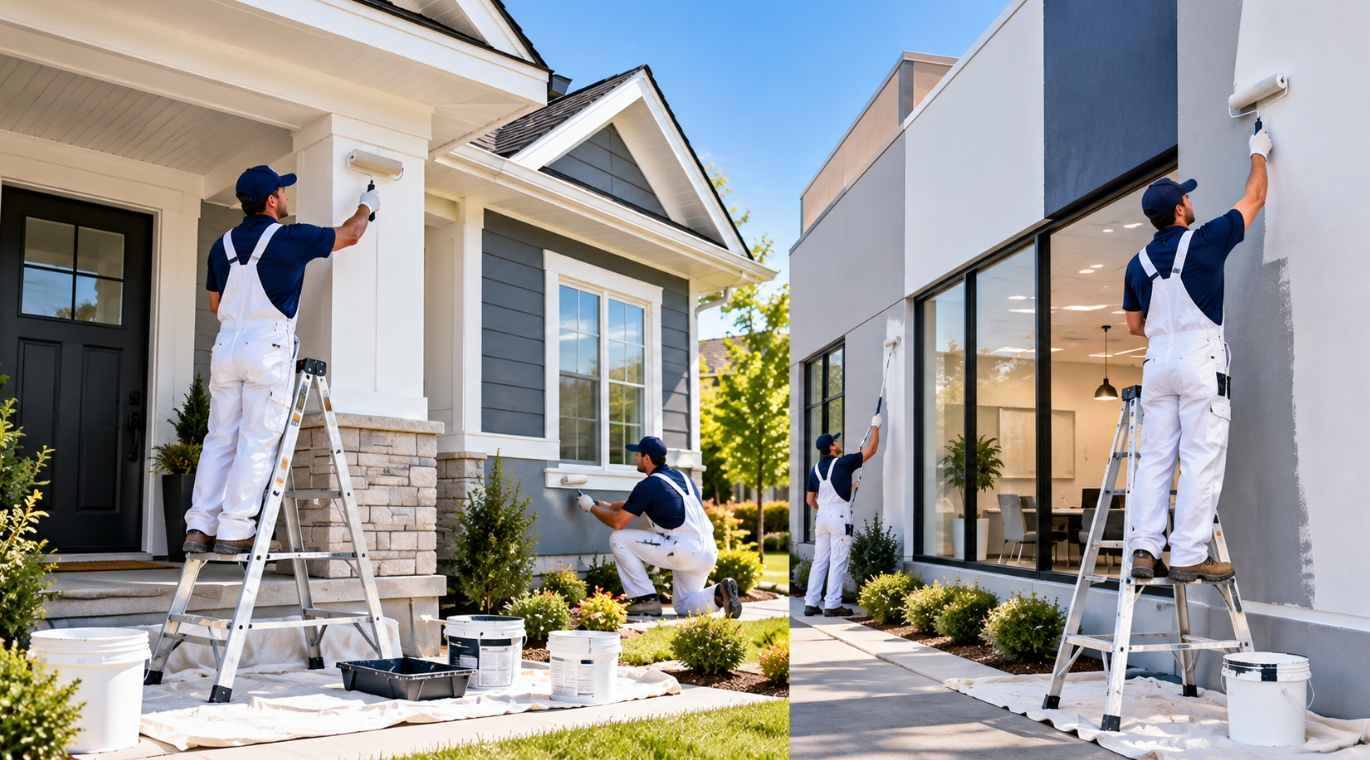
A fresh coat of paint can completely change the appearance, atmosphere, and overall condition of a property. Whether the goal is to refresh tired interior walls, improve exterior curb appeal, update outdated cabinets, or maintain a professional commercial environment, quality painting requires more than simply applying color to a surface. Proper preparation, suitable materials, careful application, and attention to detail all contribute to a finish that looks attractive and remains durable over time. For homeowners and business owners, working with an experienced painting company can make the process more organized while helping ensure that each part of the project receives the appropriate level of care.Professional painting is also an opportunity to address surfaces that have become faded, stained, cracked, peeling, or worn through regular use. Interior spaces can benefit from updated colors that create a cleaner and more comfortable environment, while exterior surfaces need coatings that can withstand changing weather conditions and everyday exposure. Cabinet painting, staining, fence painting, and commercial painting can provide additional ways to improve a property’s appearance without necessarily requiring major renovation work. With the right approach, painting can become a practical improvement that supports both aesthetics and long-term surface protection.
The Importance of Proper Surface Preparation
One of the most important stages of any painting project takes place before the first coat of paint is applied. Surface preparation has a direct effect on how well the new coating adheres and how smooth the finished result appears. Walls, ceilings, trim, doors, siding, and other surfaces may need to be cleaned, repaired, sanded, scraped, or primed depending on their existing condition. Painting over dirt, loose material, stains, or damaged areas can lead to uneven coverage, peeling, premature wear, and other problems that reduce the lifespan of the finished work.A professional approach begins with evaluating the condition of the surfaces and identifying areas that require attention. Small imperfections can become much more noticeable after new paint is applied, particularly when using lighter colors or finishes that reflect more light. Proper preparation helps create a consistent foundation so the paint can bond effectively and produce a cleaner appearance. It also allows property owners to address minor surface issues before they become more noticeable or require more extensive repairs.Preparation can be especially important for exterior painting because outdoor surfaces are exposed to moisture, sunlight, temperature changes, wind, and general environmental wear. Exterior coatings need a stable and properly prepared surface to perform effectively. Taking the time to prepare siding, trim, doors, railings, fences, and other exterior features can help produce a more uniform finish while supporting the longevity of the paint system.
Creating Better Interior Spaces With Color
Interior painting is one of the most effective ways to change the character of a room without replacing major fixtures or remodeling the entire space. Color can influence how large a room feels, how much natural light it appears to have, and how different architectural features stand out. Neutral colors can provide a timeless appearance, while stronger shades can add personality to selected rooms or accent areas. The most appropriate choice depends on the property’s existing design, lighting conditions, furnishings, and the atmosphere the owner wants to create.Professional interior painting can include walls, ceilings, doors, trim, and other architectural features. Each surface may require different preparation and application techniques. For example, trim and doors often need careful attention because imperfections can become visible around edges and corners. Clean lines and consistent coverage are important when multiple colors meet, particularly around windows, baseboards, ceilings, and door frames.Color selection is another area where professional guidance can be useful. Paint samples can look different depending on natural light, artificial lighting, room size, and surrounding materials. A color that appears suitable in one room may create a very different impression in another. Taking these factors into consideration before purchasing large quantities of paint can help property owners make more informed choices and avoid unnecessary changes later.
Improving Exterior Appearance and Surface Protection
Exterior painting serves both decorative and protective purposes. Over time, outdoor surfaces can lose their original color and develop signs of weather exposure. Fading, peeling, cracking, and worn finishes can make a property appear neglected even when the underlying structure remains in good condition. Repainting can restore a cleaner appearance while adding a new protective layer to appropriate exterior surfaces.A quality exterior painting project should consider the material being coated, its current condition, and the environmental exposure it receives. Different surfaces may require different primers, preparation methods, and paint products. Wood, siding, masonry, metal, and trim should not necessarily be treated in exactly the same way. Selecting products designed for the specific surface can improve adhesion and help the coating withstand normal environmental stress.Professional exterior painting can also contribute to curb appeal. A coordinated combination of colors for siding, trim, doors, shutters, and other architectural details can make the property appear more balanced and maintained. At the same time, durable exterior coatings can help reduce the visual effects of fading and weather-related wear. Elk Horn Painting describes its exterior services as using premium materials and professional preparation to deliver long-lasting finishes for residential and commercial properties.
Giving Cabinets a Fresh and Updated Appearance
Replacing cabinets can represent a significant expense, particularly when the existing cabinets are structurally sound but simply look outdated. Cabinet painting provides another option for changing the appearance of kitchens, bathrooms, laundry rooms, and storage areas. A new color and finish can give existing cabinetry a more modern appearance while allowing the original layout and structure to remain in place.Cabinet surfaces require careful preparation because they are exposed to frequent handling, moisture, grease, cleaning products, and everyday use. Cleaning and degreasing are important before sanding or priming, while damaged areas may need additional repair. Applying the appropriate cabinet-grade coating can help produce a smooth and durable finish that is better suited to regular use.The application process also requires patience and precision. Uneven coverage, visible brush marks, drips, or poorly prepared surfaces can be particularly noticeable on cabinets because their doors and panels are viewed from close range. Proper preparation and controlled application can create a more refined appearance and help the updated finish maintain its quality.
Staining and Painting Outdoor Features
Outdoor features such as fences, decks, and other wood surfaces can gradually lose their appearance because of sunlight, moisture, foot traffic, and general exposure. Staining can enhance the natural character of suitable wood while providing an additional layer of protection. Painting can also be appropriate when a solid color is preferred or when the existing surface requires a different visual treatment.Before staining or painting exterior wood, the surface should be evaluated carefully. Dirt, old coatings, mildew, damaged areas, and loose material may need to be addressed before the new product is applied. The condition of the wood can also influence which preparation and coating methods are appropriate. A thorough process can help create a more consistent appearance while reducing the possibility of premature peeling or uneven absorption.Professional attention can be particularly valuable for larger fences and decks because these projects involve many individual boards, edges, corners, and difficult-to-reach areas. Consistency across the entire surface can make a major difference in the final appearance.
Commercial Painting for Professional Environments
Commercial properties have different painting requirements than many residential projects. Offices, retail spaces, multi-unit properties, common areas, warehouses, and other business environments may experience substantial foot traffic and daily wear. Paint selections should therefore consider durability, maintenance requirements, appearance, and the operational needs of the property.A commercial painting project also needs careful scheduling. Businesses often cannot afford unnecessary disruption to employees, customers, tenants, or daily operations. Planning the work around operating hours and coordinating different areas of the property can help reduce inconvenience. Elk Horn Painting offers commercial interior and exterior painting services and describes its process as including site evaluation, detailed estimates, project scheduling, progress updates, closeout, and warranty follow-through.Interior commercial spaces can include offices, conference rooms, hallways, break rooms, lobbies, restrooms, and other frequently used areas. Durable finishes can be especially useful in high-traffic locations where walls may be exposed to repeated contact, cleaning, and everyday activity. Exterior commercial painting can address building surfaces, trim, entryways, doors, railings, and other features while helping maintain a consistent professional appearance.
Choosing Paint Products for the Project
Not every paint product is suitable for every surface or environment. Interior walls, exterior siding, cabinets, trim, fences, and commercial spaces can have different performance requirements. Choosing the correct product involves considering factors such as surface material, exposure, desired finish, durability, cleaning requirements, and expected frequency of use.Quality materials can contribute to better coverage and a more consistent finish, but proper application remains equally important. Even premium paint may perform poorly if the surface has not been prepared correctly or if the wrong application method is used. A successful project therefore combines appropriate products with careful preparation and skilled workmanship.Property owners should also consider the finish they want. Matte, eggshell, satin, semi-gloss, and other finishes can create different visual effects and may have different cleaning and durability characteristics. High-use areas may benefit from finishes that are easier to clean, while certain decorative spaces may call for a different appearance.
A Professional Process Helps Keep Projects Organized
Painting projects become easier to manage when each stage is planned before work begins. The process generally starts with an evaluation of the property and a discussion of the owner’s goals. This can include determining which surfaces will be painted, identifying repairs or preparation requirements, selecting colors, deciding on suitable products, and establishing the expected project schedule.Once the scope is clear, preparation can begin. Furniture and belongings may need to be moved or protected, surrounding surfaces covered, and work areas organized. Damaged or uneven surfaces can be repaired and prepared before primer or paint is applied. Maintaining a clean work environment throughout the project is also important because painting can involve dust, sanding residue, splashes, and other materials.Application should be completed systematically to encourage consistent coverage. Depending on the project, multiple coats may be necessary to achieve the desired color and finish. Edges, corners, trim, doors, and other detailed areas should receive careful attention. After painting is complete, a final inspection can help identify areas requiring touch-ups or additional attention.
Why Professional Work Can Make a Difference
Painting may appear straightforward, but achieving a clean and durable finish requires experience, preparation, suitable tools, and attention to detail. Professional painters understand that the visible color is only one part of the finished result. Surface condition, primer, coating selection, application technique, drying conditions, and finishing details can all affect the final outcome.Working with a painting company can also reduce the amount of preparation and physical work required from the property owner. Instead of managing every stage independently, homeowners and business owners can have a structured process for planning, preparation, application, cleanup, and final inspection. This can be especially helpful for large properties or projects involving multiple rooms and surfaces.Another advantage is consistency. Professional crews can approach different parts of the property using coordinated preparation and application methods. This helps maintain a uniform appearance across walls, trim, doors, cabinets, exterior surfaces, and other painted features. When the project involves multiple colors or surface types, organized workmanship becomes even more important.
Maintaining the Results After Painting
Proper maintenance can help extend the useful appearance of newly painted surfaces. Interior walls should be cleaned according to the paint manufacturer’s recommendations, while spills and marks should be addressed before they become difficult to remove. High-traffic areas may naturally require more frequent touch-ups than rooms that receive limited use.Exterior surfaces should also be inspected periodically for signs of fading, peeling, cracking, moisture exposure, or other changes. Early attention to small problems can sometimes prevent them from developing into larger maintenance concerns. Keeping gutters, drainage areas, landscaping, and surrounding surfaces in reasonable condition can also help reduce unnecessary exposure to moisture and debris.Cabinets, fences, decks, and stained surfaces benefit from similar attention. Regular cleaning and periodic inspection can help property owners recognize when maintenance or refinishing may be appropriate. A proactive approach allows the property to remain visually appealing while reducing the likelihood of neglected surface problems.
Investing in a Lasting Property Improvement
A well-planned painting project can provide more than an immediate visual change. It can refresh outdated spaces, improve curb appeal, protect suitable surfaces, modernize cabinets, enhance commercial environments, and contribute to a property’s overall sense of maintenance. Because paint is exposed to daily use and environmental conditions, the quality of preparation and application can have a significant influence on how long the finished result remains attractive.For homeowners and business owners considering a painting project, choosing an experienced painting company can provide valuable support from the initial planning stage through final inspection. Elk Horn Painting provides residential and commercial services that include interior painting, exterior painting, cabinet painting, staining, fence painting, and commercial painting, giving property owners several options for addressing different improvement needs.
Conclusion
Professional painting can transform the appearance and atmosphere of a property while providing practical benefits for properly prepared surfaces. From interior walls and exterior finishes to cabinets, fences, decks, and commercial spaces, each project requires careful planning and an understanding of the materials involved. Selecting appropriate coatings, preparing surfaces thoroughly, applying paint with precision, and completing a detailed final inspection can all contribute to a successful result.Rather than treating painting as a simple cosmetic task, property owners can view it as an important part of ongoing property maintenance and improvement. A carefully completed project can create cleaner-looking spaces, refresh outdated features, and help suitable surfaces withstand normal use and exposure. With professional guidance and a well-organized process, a painting project can deliver a polished finish that supports the property’s appearance and value for years to come.
