
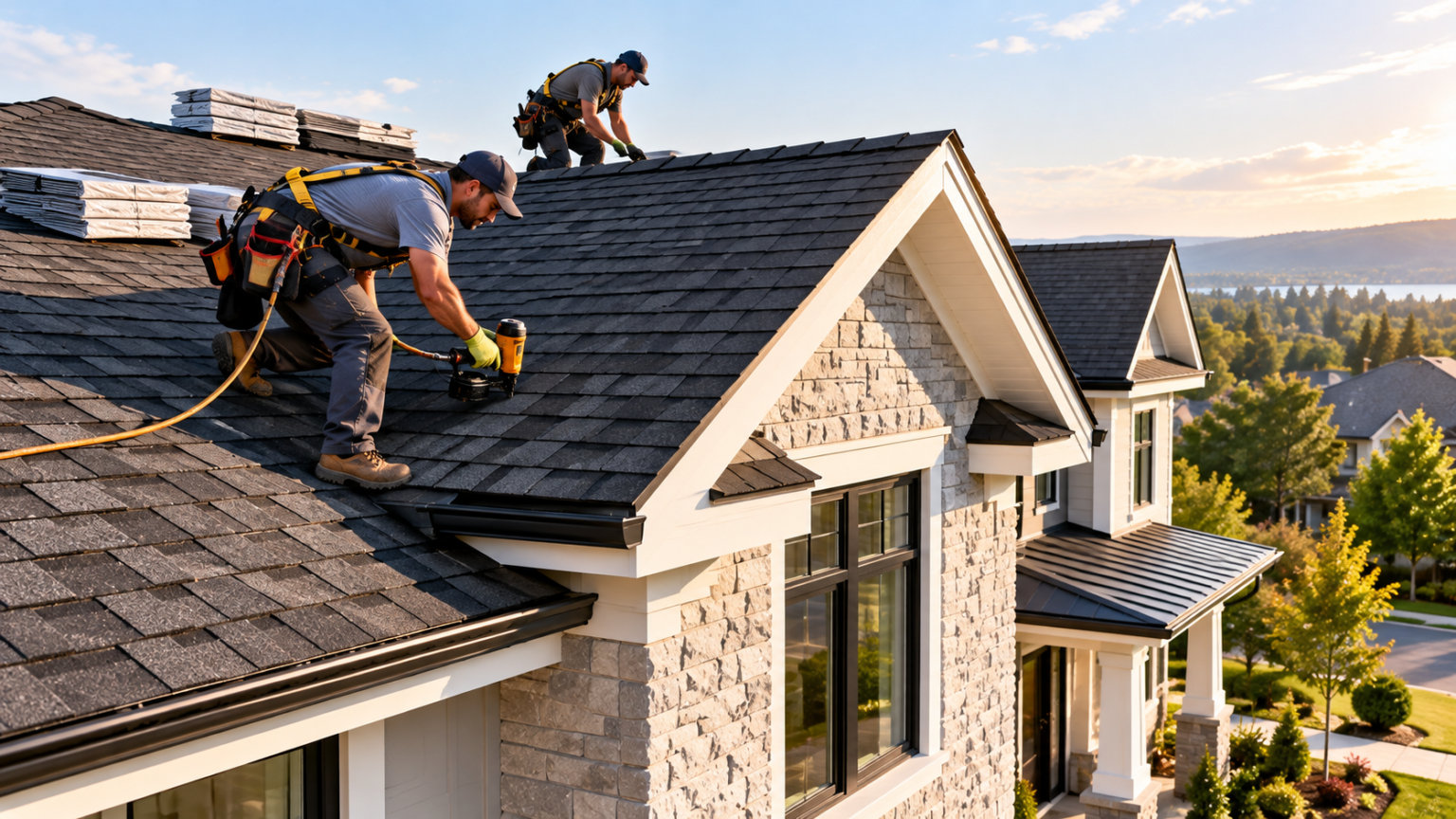
A roof is one of the most important protective systems of any home because it stands between the interior of the property and changing outdoor conditions. From heavy rainfall and strong winds to sunlight, temperature changes, and seasonal weather, the roofing system must continuously perform under demanding conditions. A well-designed and properly installed roof can help protect structural components, insulation, ceilings, walls, belongings, and other parts of the property from moisture and weather-related damage. However, even a high-quality roof requires regular inspections, appropriate maintenance, and timely repairs to continue performing effectively. Homeowners should understand that roofing is not simply about shingles or the visible outer surface. A complete roofing system can include underlayment, flashing, ventilation, decking, gutters, soffits, fascia, and drainage components, all of which work together to provide reliable protection. Choosing suitable materials and professional installation can therefore make a significant difference in the roof’s durability, appearance, and long-term performance.
Understanding the Importance of a Complete Roofing System
A successful roofing project begins with understanding the roof as a complete system rather than treating individual components separately. Shingles or other roof coverings provide the primary exterior protection, but they depend on properly installed underlayment, flashing, ventilation, and structural decking to perform effectively. Flashing around chimneys, roof valleys, vents, skylights, and other penetrations is especially important because these areas can become vulnerable to water intrusion when they are improperly installed or deteriorated. Ventilation also plays an important role by helping manage heat and moisture in the attic. Meanwhile, gutters and downspouts help direct rainwater away from the roof and foundation. When these components are correctly coordinated, the entire roofing system can provide more dependable protection. Professional roofing contractors can evaluate the condition of these elements during inspections and identify problems that may not be obvious from ground level. This comprehensive approach helps homeowners understand what their roof actually needs instead of focusing only on the most visible signs of wear.
Choosing Materials That Match the Property
Selecting the right roofing material is an important decision because different materials offer different combinations of durability, appearance, maintenance requirements, impact resistance, and expected service life. Asphalt shingles remain a widely used option because they can provide dependable protection while offering a range of styles and colors. Metal roofing can provide a durable alternative with a distinctive appearance and long-term performance characteristics. Homeowners interested in premium architectural designs may also consider synthetic slate, synthetic cedar shake, or synthetic Spanish tile systems. These products can provide the visual character associated with traditional materials while incorporating modern manufacturing technologies. Gikas Roofing offers several of these roofing options as part of its residential and broader roofing services. The best material depends on the property’s structure, architectural style, performance requirements, budget, and the homeowner’s long-term objectives. A professional consultation can help compare available options based on practical needs rather than choosing a material solely because of its appearance.
Recognizing When a Roof Needs Professional Attention
Roofing problems do not always begin with an obvious leak inside the home. Early warning signs can include missing or damaged shingles, cracked or curling materials, visible granule loss, deteriorated flashing, sagging areas, damaged roof edges, or excessive moss and organic growth. Homeowners may also notice water stains on ceilings or walls, damp insulation, musty odors, or unexplained moisture in attic spaces. After severe weather, additional signs such as dents, displaced roofing materials, damaged flashing, or exposed areas may indicate that an inspection is necessary. Some problems can be repaired without replacing the entire roof, while widespread deterioration or an aging system may make replacement more appropriate. A professional inspection can help distinguish between these situations by evaluating the visible roofing materials as well as underlying components. Gikas Roofing states that its inspection process evaluates the roof’s condition and can consider decking, underlayment, ventilation, and shingles when determining whether repair or replacement is appropriate. This type of evaluation can help homeowners avoid making decisions based only on surface appearance.
The Role of Professional Installation
Professional installation can have a major influence on the performance and lifespan of a roof. Even premium materials can experience problems when they are installed incorrectly, because roofing systems depend on proper overlaps, fastening, flashing, ventilation, drainage, and sealing. Installation also requires careful attention to vulnerable areas such as valleys, roof edges, penetrations, chimneys, skylights, and transitions between different roof surfaces. Experienced roofing professionals understand how these components interact and can follow appropriate manufacturer installation requirements. A carefully installed roof is more likely to provide consistent protection and perform as intended throughout its service life. Professional installation also creates an opportunity to identify hidden problems before new materials cover them. Damaged decking, deteriorated flashing, inadequate ventilation, or other underlying conditions should be addressed rather than concealed beneath a new roof surface. Taking the time to evaluate the complete system during installation can help prevent avoidable problems later.
Why Roof Ventilation Matters
Roof ventilation is often overlooked because it is not as visually prominent as shingles or metal panels, but it can play an important role in attic and roofing performance. Excess heat and moisture can accumulate in an attic when ventilation and insulation are not properly balanced. Moisture can contribute to condensation and may affect wood components, insulation, and other materials over time. Excessive heat can also contribute to premature deterioration of certain roofing components. Proper ventilation helps support healthier airflow through the attic while working alongside insulation and other building components. Soffits are particularly relevant because they can provide intake ventilation when appropriately designed, while upper-level vents can help facilitate the movement of warm, moist air out of the attic. Gikas Roofing specifically identifies soffit systems as an important part of attic ventilation and moisture management. A roofing evaluation should therefore consider ventilation rather than focusing exclusively on the exterior roof covering.
Protecting the Roof With Proper Gutter Systems
A roofing system and gutter system work closely together because rainwater needs a controlled path away from the roof and structure. When gutters are clogged, damaged, improperly aligned, or undersized for the property’s needs, water may overflow near roof edges or collect in areas where it can contribute to moisture problems. Water can also reach siding, fascia, foundation areas, landscaping, and other vulnerable parts of the property when drainage is inadequate. Seamless gutter systems can reduce the number of joints where leaks may develop, while properly sized downspouts can help move water away efficiently. Gikas Roofing provides seamless aluminum and copper gutter systems designed to support drainage and protect the surrounding property. Maintaining gutters is therefore more than an aesthetic task. It is part of maintaining the complete roofing and water-management system. Homeowners should inspect gutters periodically, remove accumulated debris, check downspouts, and address visible damage before drainage problems become more serious.
Understanding Soffit and Fascia Protection
Soffit and fascia are important components around the roof perimeter, and their condition can affect both appearance and performance. Fascia provides a finished edge around the roof and can also support gutter installation, while soffits can contribute to attic ventilation and help protect the underside of the roof structure. Damaged, rotted, loose, or deteriorated materials can create openings where moisture or pests may enter. They may also compromise the appearance of the property and affect the proper operation of connected gutter systems. Replacing damaged components can help restore the roof edge and provide a more complete protective system. Gikas Roofing installs aluminum and vinyl soffit and fascia systems, including vented options designed to support airflow and protect vulnerable roof-edge areas. Homeowners should therefore consider soffit and fascia during roof inspections, especially when visible deterioration occurs near gutters or along roof edges.
Preparing for Storm Damage
Severe weather can place significant stress on roofing systems, even when damage is not immediately visible from the ground. Strong winds may loosen or displace shingles, while hail can create impact damage that affects roofing materials and potentially shortens their useful life. Falling branches and other debris can also puncture or damage roof surfaces. After a significant storm, homeowners should avoid assuming that a roof is undamaged simply because there is no immediate interior leak. Water may enter through damaged areas gradually, and some exterior damage can remain hidden until the next rainfall. A professional inspection can document visible conditions and help determine whether repairs or replacement are necessary. Gikas Roofing provides storm restoration services that include inspection, documentation, assistance with insurance-related processes, and restoration work. Prompt evaluation after a storm can help property owners understand the condition of the roofing system and determine appropriate next steps.
Repair or Replacement: Making the Right Assessment
One of the most common questions homeowners face is whether a damaged roof should be repaired or completely replaced. The answer depends on factors such as the age of the roof, extent of damage, condition of the underlying materials, frequency of previous repairs, and expected remaining service life. A localized problem affecting a small area may be repairable, while widespread deterioration can make replacement more practical. Repeated leaks in different areas may indicate that the roof is approaching the end of its useful life, particularly when the system has already undergone multiple repairs. Professional inspection provides the information needed to compare these options. Homeowners should also consider the potential consequences of delaying a replacement when a roof has reached a significantly deteriorated condition. Continuing to patch a system that has widespread failures may not provide the same long-term protection as installing a new system. A clear inspection report and detailed proposal can help property owners understand what work is necessary and why.
The Value of Regular Roof Inspections
Regular inspections can help homeowners identify roofing problems before they become more disruptive and expensive. An inspection can reveal damaged shingles, deteriorating flashing, clogged drainage components, ventilation concerns, or other issues that may not be apparent from inside the home. It can also establish a record of the roof’s condition, which may be useful when planning maintenance or responding to storm damage. Homeowners should consider professional inspections after major weather events as well as when they notice visible changes or signs of moisture. Older roofs can also benefit from periodic evaluation because materials naturally experience wear over time. Gikas Roofing indicates that its inspections typically involve evaluating the roof’s condition and discussing findings and options with the property owner. This approach allows homeowners to make maintenance decisions based on the actual condition of the roofing system rather than waiting until a major leak or structural problem develops.
Long-Term Maintenance for Better Roof Performance
Maintaining a roof requires more than occasional visual checks. Homeowners should keep gutters clear, monitor roof edges, inspect visible flashing, watch for damaged roofing materials, and pay attention to changes inside attic and living spaces. Tree branches should be managed when they threaten to scrape against roofing surfaces or drop debris onto the roof. After severe weather, homeowners should look for obvious changes and arrange a professional inspection when necessary. Attic ventilation and insulation should also be monitored because moisture and temperature problems can affect roofing performance from below. Maintaining connected components such as gutters, soffits, and fascia can further support the roof’s overall condition. Residential roofing involves this broader system of materials and services rather than simply replacing a visible exterior layer. By combining proper installation with ongoing maintenance and timely repairs, homeowners can help protect their investment and reduce the likelihood of unexpected roofing problems.
Building a More Reliable Roofing Investment
A dependable roof is an investment in the protection and long-term condition of a home. Choosing suitable materials, using professional installation, maintaining drainage, addressing ventilation concerns, and responding quickly to storm damage can all contribute to better performance. Homeowners may also benefit from working with a roofing contractor capable of handling multiple aspects of the roofing system, including repairs, replacements, gutters, soffit and fascia, and storm restoration. This integrated approach can make it easier to identify relationships between different roofing components and address problems comprehensively. Gikas Roofing’s service offering includes asphalt, metal, synthetic slate, synthetic cedar shake, synthetic Spanish tile, gutter systems, soffit and fascia, and storm restoration, allowing homeowners to consider multiple roofing solutions through one professional roofing provider. Selecting a contractor should involve consideration of experience, workmanship, materials, communication, warranties, and the scope of services available.
Conclusion
A strong roof is the result of thoughtful material selection, professional installation, proper ventilation, effective drainage, regular inspections, and timely maintenance. Homeowners should view the roof as a complete system in which shingles, underlayment, flashing, ventilation, gutters, soffit, fascia, and other components work together to protect the property. Whether the need involves a localized repair, storm restoration, material upgrade, or complete replacement, professional evaluation can help determine the most appropriate solution.Residential roofing should focus on long-term protection as well as appearance, because a properly maintained roof can help safeguard the structure and interior of the home from changing environmental conditions. With comprehensive inspections, quality materials, skilled installation, and ongoing care, homeowners can build a roofing system designed to provide dependable protection and lasting value.
