
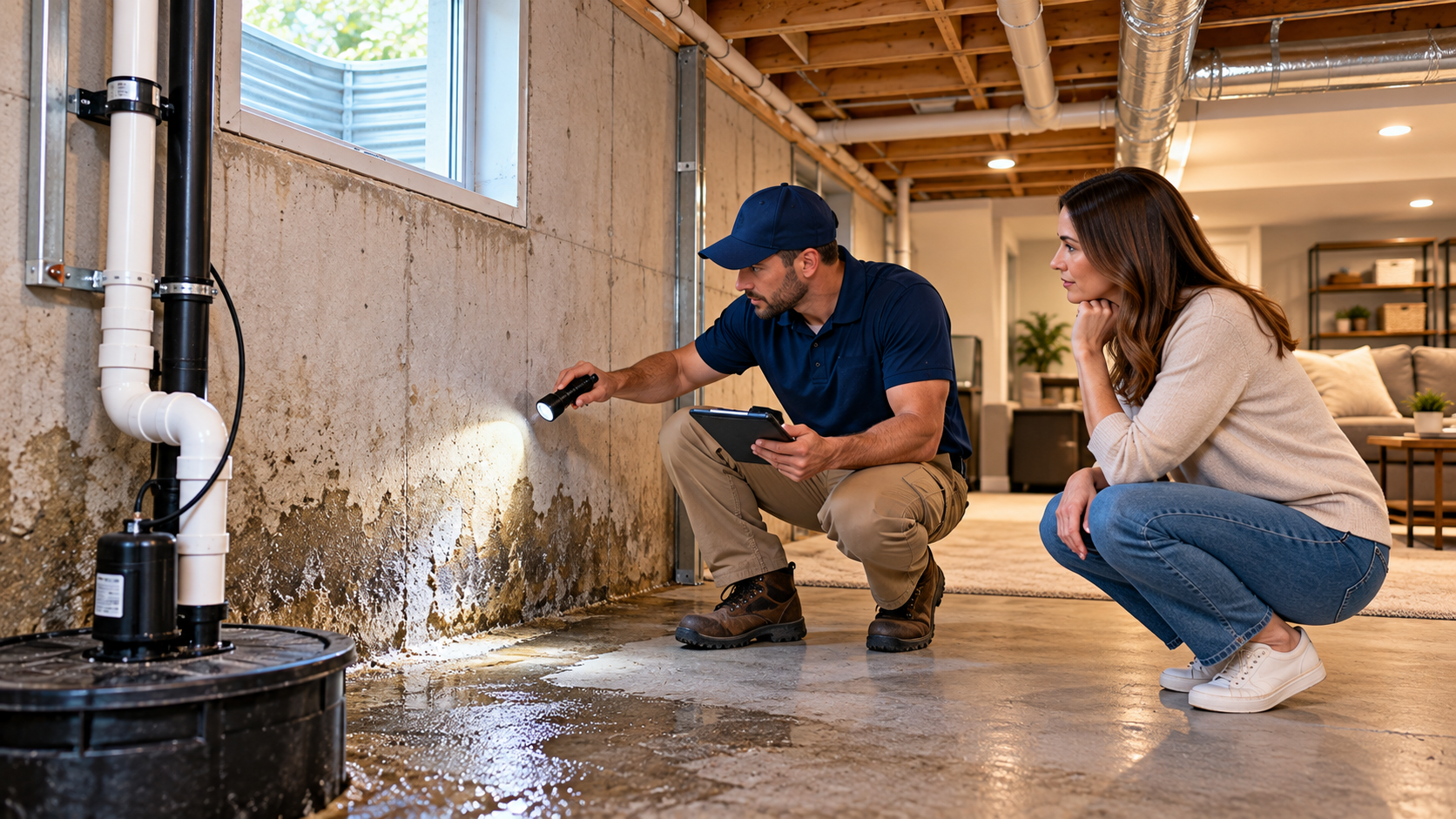
A basement can be one of the most useful areas of a home, providing valuable space for storage, recreation, laundry, utilities, a home office, or future living areas. However, moisture problems can quickly turn this useful space into an ongoing source of concern. Water entering through foundation cracks, wall joints, floor cracks, or other vulnerable areas can damage building materials, create unpleasant odors, affect stored belongings, and make the basement uncomfortable to use. In many cases, basement moisture is not caused by a single issue but by a combination of groundwater pressure, drainage conditions, foundation openings, and moisture moving through the surrounding soil. For this reason, homeowners should look beyond temporary cleanup and consider the underlying cause of the problem. A professional evaluation can help identify where water is entering, why the moisture is developing, and what type of solution may provide dependable long-term protection for the property.
Understanding Common Causes of Basement Water
Water can enter a basement through several different pathways, and understanding these pathways is an important part of developing an effective moisture-control plan. Heavy rainfall can increase the amount of water surrounding the foundation, while poor drainage may allow water to remain against exterior walls for extended periods. Groundwater can also create pressure beneath the basement floor or against foundation walls, eventually forcing moisture through cracks, joints, and other weak points. In older properties, foundation materials may have deteriorated over time, creating additional opportunities for water intrusion. Small cracks that appear insignificant during dry weather can become active leaks when surrounding soil becomes saturated. Because each property has different construction characteristics and drainage conditions, identifying the actual source of water is often more useful than simply treating the visible moisture. A detailed assessment can help determine whether the basement requires crack repair, drainage improvements, an interior waterproofing system, foundation-related services, or a combination of several solutions.
Why Recurring Moisture Should Not Be Ignored
Occasional dampness may seem like a minor inconvenience, but recurring moisture can gradually affect the condition and usability of a basement. Water can damage drywall, flooring, insulation, wood materials, stored possessions, and other items located near affected areas. Persistent damp conditions can also contribute to musty odors and create an environment in which moisture-related problems become increasingly difficult to manage. Even when water appears only after heavy rainfall, repeated exposure can indicate that the foundation is experiencing ongoing pressure or that water is following an established pathway into the structure. Homeowners should pay attention to signs such as staining, discoloration, puddles, damp walls, efflorescence, peeling finishes, unusual odors, or visible cracks. These symptoms can provide useful information about the location and behavior of the moisture problem. Addressing concerns earlier can also make it easier to prevent additional damage and determine whether the issue is isolated or part of a broader foundation and drainage condition.
Finding the Source of Water Intrusion
Before choosing a waterproofing solution, it is important to understand where the water is coming from and how it reaches the basement. Foundation wall cracks are common entry points, but water may also move through floor cracks, the joint where the wall meets the basement floor, plumbing penetrations, or other openings created during construction. In some cases, water may appear far away from the point where it actually entered because moisture can travel along walls, beneath flooring, or through cracks before becoming visible. This can make basement leaks difficult for homeowners to diagnose accurately. A professional inspection can examine the basement’s walls, floor, joints, cracks, and other vulnerable areas while considering exterior drainage and groundwater conditions. Identifying the pathway allows the repair strategy to address the source rather than simply covering the visible evidence. This is especially important when previous repairs have failed or when water continues to appear in the same location after storms or periods of heavy precipitation.
Developing an Effective Moisture-Control Strategy
Basement waterproofing should be approached as a complete moisture-management process rather than as a simple surface treatment. The right solution depends on the property’s construction, the location of water entry, the severity of the moisture problem, and the pressure responsible for bringing water into the basement. Some properties may benefit from interior drainage systems that collect water and direct it toward a controlled discharge point, while others may require foundation crack repairs or additional measures to manage groundwater pressure. In certain situations, multiple solutions may need to work together to provide more comprehensive protection. A professional service provider can evaluate the available options and explain how each approach addresses the specific conditions found at the property. This helps homeowners avoid spending money on temporary products or repairs that may only conceal the symptoms without addressing the underlying source of the water.
Addressing Foundation Cracks Properly
Foundation cracks can develop for a variety of reasons, including normal concrete shrinkage, settlement, movement, or pressure from surrounding soil. While some cracks may be relatively minor, others can allow water to enter the basement and should be professionally evaluated. A leaking crack should not simply be covered with a basic sealant without considering why water is passing through it and whether surrounding conditions could cause the problem to return. The location, size, direction, and behavior of the crack can all provide useful information when determining an appropriate repair method. Professional foundation repair can address vulnerable openings and help prevent water from continuing to use those pathways. When crack repair is combined with an overall moisture-control strategy, homeowners can obtain a more complete understanding of the condition affecting the basement. This approach can be particularly useful when several cracks or other signs of water intrusion are present throughout the lower level.
Managing Pressure Around the Foundation
Hydrostatic pressure is an important consideration when dealing with basement water because groundwater can place significant pressure against foundation walls and beneath basement floors. When the surrounding soil becomes saturated, water naturally seeks areas where it can move, and cracks or construction joints may provide convenient pathways into the structure. This is one reason basement leaks can become noticeably worse following periods of heavy rain. The water may not necessarily be entering directly through an exposed exterior opening; instead, increased groundwater levels can raise pressure around the foundation and force moisture through existing weaknesses. Effective moisture management should therefore account for the movement and pressure of groundwater instead of focusing exclusively on the visible leak. Drainage systems and other pressure-management solutions can help control water and direct it away from vulnerable interior areas. A professional assessment can determine whether hydrostatic pressure is contributing to the problem and whether a drainage-based approach would be appropriate for the property.
The Importance of Interior Drainage Solutions
Interior drainage can provide an effective method for managing water that reaches the foundation or enters through specific pathways. Rather than allowing water to accumulate on the basement floor, a properly designed drainage system can collect moisture and direct it toward an appropriate discharge point. This type of system can be especially useful when exterior excavation is impractical, when water is entering through foundation-floor joints, or when groundwater pressure is contributing to recurring basement leaks. The design of the drainage system should take into account the property’s foundation construction and the way water moves around the structure. Professional installation can help ensure that the system is positioned correctly and functions as part of a broader moisture-control strategy. Homeowners should also consider accessibility for future inspections and maintenance so that the system can continue performing properly over time.
Protecting Crawlspaces from Moisture
Basement concerns are not limited to finished or unfinished basement rooms. Crawlspaces can also experience significant moisture problems because these areas often have exposed soil, limited accessibility, and conditions that allow humidity to accumulate. Damp crawlspaces may develop musty odors and can contribute to moisture moving into other areas of the structure. Exposed soil can release moisture into the crawlspace air, while groundwater and foundation openings may introduce additional water. Crawlspace encapsulation can help create a controlled environment by separating the interior space from damp soil and reducing opportunities for moisture to enter. Depending on the condition of the crawlspace, additional moisture-management measures may also be necessary. Addressing crawlspace conditions can be an important part of protecting the overall property because moisture in one lower-level area may influence conditions elsewhere in the structure.
Preparing a Basement for Future Use
Many homeowners eventually want to make better use of their basement by creating a recreation area, home office, storage room, workshop, or additional living space. However, major basement improvements should generally begin with moisture control. Installing new flooring, drywall, insulation, or furnishings before resolving existing water problems can expose those investments to unnecessary damage. A basement that experiences recurring leaks may continue to create problems even after expensive renovations have been completed. Addressing water intrusion first gives homeowners a stronger foundation for future improvements because the space can be evaluated and maintained with moisture concerns in mind. Professional waterproofing and foundation services can help identify areas that should be repaired before a basement is finished. This allows renovation plans to proceed with a clearer understanding of the property’s condition and reduces the likelihood that new materials will have to be removed because of unresolved moisture problems.
Maintaining a Dry Basement After Repairs
Completing moisture-control work is an important step, but regular observation and maintenance can also contribute to long-term basement protection. Homeowners should periodically inspect previously affected areas for signs of staining, dampness, new cracks, unusual odors, or changes in the condition of walls and floors. Drainage components and sump pump systems, when present, should remain accessible so that they can be inspected and maintained according to the system’s requirements. Exterior drainage should also be considered because gutters, downspouts, grading, and surrounding soil conditions can influence how much water reaches the foundation. Keeping water away from the structure can complement interior moisture-control measures and reduce unnecessary pressure on foundation walls. If a previously repaired area begins showing signs of moisture again, addressing the change promptly can help prevent a small issue from becoming more extensive. Consistent monitoring is particularly valuable in properties that have experienced repeated basement leaks or foundation-related moisture problems.
When Professional Evaluation Becomes Important
Homeowners can identify visible signs of basement moisture, but determining the exact cause may require professional experience. Water on the floor, for example, does not automatically reveal whether the source is a foundation crack, floor joint, plumbing penetration, groundwater pressure, or another pathway. Similarly, a small wall stain may indicate a localized leak or a larger drainage issue that is allowing moisture to accumulate around the foundation. Professional evaluation can provide a more complete assessment of these conditions and help homeowners understand the available repair options. This is especially important when previous attempts to stop a leak have been unsuccessful. Repeatedly applying surface products or making isolated repairs without understanding the cause can result in continued expenses without solving the underlying problem. A comprehensive inspection can help identify the most relevant areas for repair and establish a practical plan based on the property’s actual moisture conditions.
Creating Long-Term Protection for the Property
Effective moisture management involves more than stopping water at one visible location. The basement, foundation, crawlspace, drainage conditions, and surrounding soil all contribute to the overall moisture environment of a property. When these factors are considered together, homeowners can develop a more complete strategy for protecting the lower levels of the structure. Foundation crack repair can address specific pathways, drainage systems can help manage water movement, crawlspace encapsulation can reduce moisture exposure in unfinished areas, and other foundation services can address conditions that contribute to recurring problems. This comprehensive approach can also make it easier to identify potential issues before they become more disruptive. Rather than waiting until a basement experiences extensive water damage, homeowners can respond to early warning signs and seek professional guidance when necessary. Long-term protection is generally achieved through a combination of appropriate repairs, effective water management, and regular maintenance rather than through a single temporary fix.
Conclusion
A basement can remain a valuable and functional part of a property when moisture is properly controlled and foundation concerns are addressed in a timely manner. Water intrusion can develop through foundation cracks, floor joints, groundwater pressure, drainage problems, and other pathways, making it important to identify the underlying cause before selecting a repair method. Professional assessment can help determine whether the property requires foundation crack repair, interior drainage, pressure management, crawlspace encapsulation, or another combination of services designed around its specific conditions. Taking care of moisture problems before completing major basement renovations can also help protect new materials and make the space more dependable for future use.Long-term protection depends on addressing the source of moisture rather than repeatedly treating only the visible symptoms. Proper basement waterproofing can help control water intrusion while complementary foundation and crawlspace services can address other conditions that contribute to dampness. Homeowners should also continue monitoring repaired areas, maintaining drainage components, and responding promptly when new signs of moisture appear. With a carefully planned approach and professional attention to the underlying causes, basement waterproofing can become an important part of protecting the structure, improving basement usability, and maintaining a healthier and more controlled lower-level environment.
