
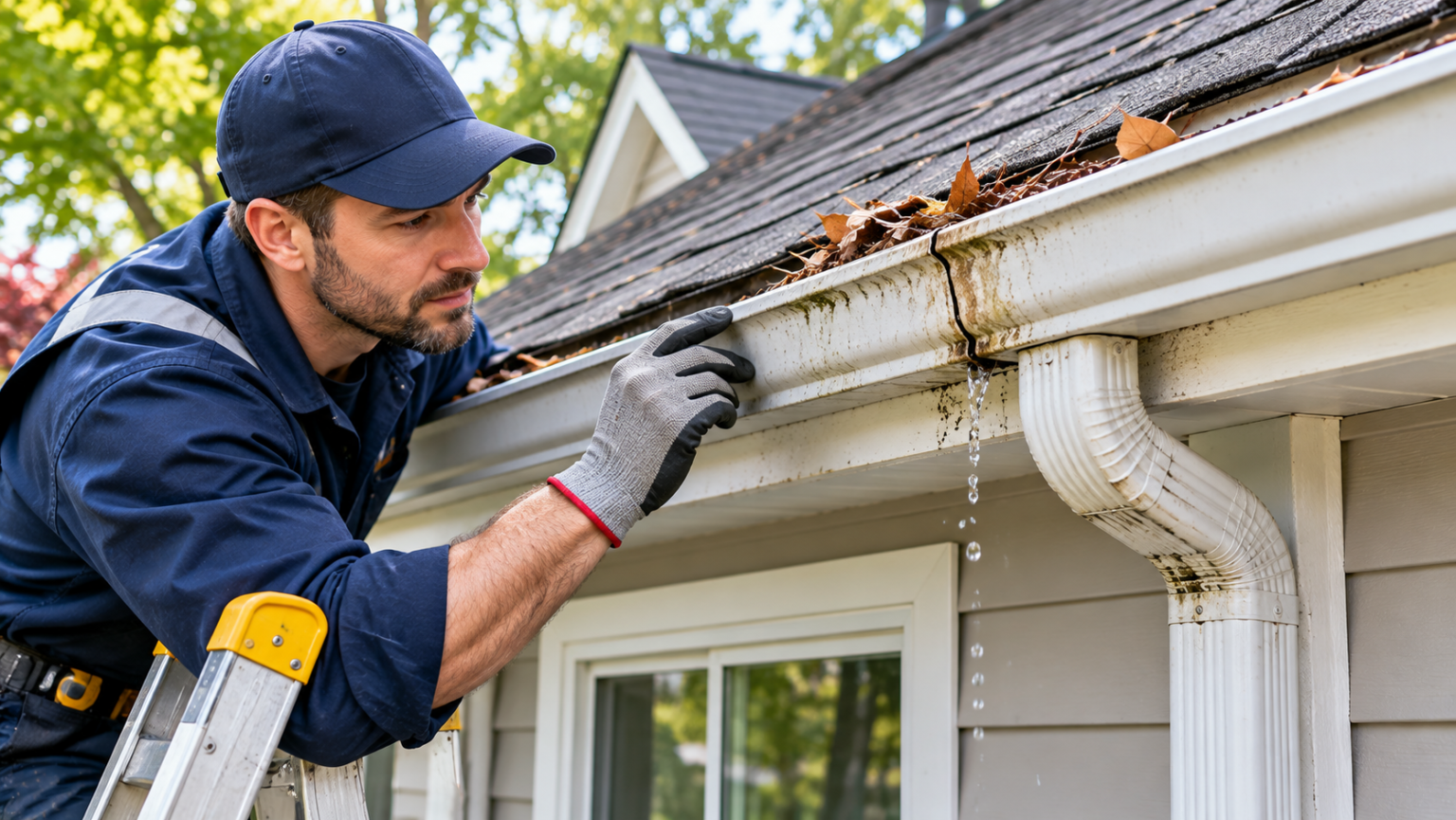
Rain gutters are an important part of protecting your home from water damage. They collect rainwater and melting snow from the roof and direct it away from the foundation. When gutters are working properly, they help prevent moisture problems around your siding, landscaping, and basement. However, gutters can wear down over time because of changing weather conditions, falling debris, and everyday exposure to the elements. Small issues such as leaks, loose connections, or sagging sections can eventually lead to more serious damage. For homeowners searching for rain gutter repair in Salt Lake City, recognizing the early warning signs can help prevent costly problems. They experience seasonal rain, snow, and freezing temperatures, making regular gutter inspections especially important. Knowing when to call a professional can help you protect your home and keep your drainage system working properly.
1. Water Is Leaking From Gutter Seams or Joints
One of the most noticeable signs that your gutters need repair is water leaking from seams or connections. Gutter joints can weaken over time because of temperature changes, aging sealant, and normal wear. When these connections become loose or damaged, water may escape before reaching the downspouts. You might notice water dripping from certain sections during rainfall or stains forming on the exterior walls below the gutters. Although small leaks may seem harmless, repeated moisture exposure can damage siding, fascia boards, and nearby building materials. Professional gutter leak repair can help identify whether the problem requires new sealant, adjusted connections, or replacement parts. Addressing leaks early helps prevent moisture from reaching areas that should remain dry.
2. Your Gutters Are Sagging or Pulling Away From the House
Gutters should remain securely attached to the roofline while maintaining a slight slope toward the downspouts. If you notice sections sagging, bending, or pulling away from the house, the gutter system may have weakened supports. This problem can develop when gutter hangers become loose or when heavy debris, standing water, and snow place extra weight on the system. Sagging gutters may also cause water to collect in low areas instead of draining properly. Over time, the additional pressure can damage attachment points and surrounding fascia boards. A professional can inspect the hangers, check the condition of the supporting materials, and determine whether the gutter sections can be repaired. Ignoring sagging gutters may eventually lead to sections separating from the house, making timely repairs important.
3. Water Overflows Even When the Gutters Are Clean
Overflowing gutters are often caused by leaves and debris, but blockages are not always the problem. If water continues spilling over the edges after cleaning, the system may have an incorrect slope, damaged sections, or insufficient drainage capacity. Water may also overflow when downspouts are blocked or improperly positioned. During heavy rain, these problems can cause water to run down exterior walls or collect near the foundation. A professional inspection can help identify the actual cause instead of relying on temporary solutions. Depending on the problem, repairs may involve adjusting the gutter slope, fixing damaged connections, or improving water flow through the system. Proper drainage is essential for keeping rainwater away from vulnerable areas of your home.
4. You Notice Rust, Cracks, or Visible Holes
Visible damage is another clear warning sign that your gutters need attention. Metal gutters can develop corrosion when protective finishes wear away or water remains trapped for long periods. Other gutter materials may develop cracks because of aging, temperature changes, or physical impact. Small holes may allow water to escape, while larger cracks can weaken the gutter structure. Some minor damage can be repaired using suitable materials, but extensive corrosion or cracking may require replacing the affected sections. A professional can assess whether repairs will provide a lasting solution or whether part of the system is too damaged to remain in use. Checking your gutters for visible damage during seasonal maintenance can help you catch these problems before they spread.
5. Water Is Pooling Around Your Foundation
Water collecting near your home’s foundation can indicate a serious drainage problem. When gutters or downspouts fail to direct water away from the house, rainwater and melting snow may gather around the foundation. Over time, excessive moisture can contribute to soil erosion, basement dampness, and water entering through existing openings. Look for puddles near exterior walls, soil that remains unusually wet, or signs of moisture in basement areas. These warning signs do not always mean the gutters are the only problem. Poor grading, blocked drainage paths, and other property conditions may also contribute. However, inspecting the gutter system is an important part of finding the cause. Professional repairs can help correct gutter-related drainage issues before they create additional damage.
6. Your Downspouts Are Loose, Damaged, or Disconnected
Downspouts are responsible for carrying water from the gutters toward the ground and away from your home. If they become loose or disconnected, water may drain directly beside exterior walls or the foundation. Common warning signs include visible gaps between connections, leaking joints, crushed sections, and downspouts that move during strong winds. Internal blockages may also prevent water from flowing properly. Professional downspout repair may involve securing loose sections, replacing damaged components, or correcting the direction of water discharge. It is important to inspect both the gutters and downspouts because they work as one drainage system. Even gutters in good condition cannot protect your home effectively when the downspouts are not functioning properly.
7. You See Water Stains or Peeling Paint Near the Roofline
Gutter problems are not always easy to see from the ground. Sometimes, the first signs appear on nearby parts of the house. Water stains, peeling paint, dark streaks, or damaged wood around the roofline may indicate that water is escaping from the gutters. These problems can occur when gutters overflow, leak, or become misaligned. Moisture trapped around fascia boards may eventually contribute to wood deterioration. A professional can inspect the gutter system and surrounding areas to determine where the unwanted water is coming from. Repairing the source of the problem is important before repainting or replacing damaged exterior materials. Otherwise, the same moisture issues may return.
8. Ice and Snow Have Damaged Your Gutters
Winter weather can place additional stress on gutter systems. When water becomes trapped inside gutters and freezes, the added weight may loosen fasteners or damage gutter sections. Snow and ice sliding from the roof can also bend or pull gutters away from their supports. After winter, homeowners may notice loose hangers, separated joints, or gutters that no longer drain correctly. These problems should be inspected before spring rain increases the demand on the drainage system. It is important to understand that gutter repairs alone cannot prevent ice dams, which often result from temperature differences across the roof. A professional can assess visible gutter damage and recommend appropriate repairs while identifying concerns that may require additional roof or attic improvements.
9. The Same Gutter Problems Keep Returning
Repeated leaks, clogs, or drainage issues may indicate that previous repairs have not addressed the underlying problem. For example, sealing a leaking joint may provide temporary relief, but the leak could return if the gutter is sagging or experiencing excessive movement. Frequent repairs can become frustrating and expensive, especially when several sections of the system are affected. A professional inspection can help determine whether the problem involves installation, alignment, aging materials, or structural damage. In some cases, replacing a damaged section may be more practical than continuing to repair it. If problems affect most of the system, gutter replacement may be worth considering. Understanding the overall condition of your gutters helps you make a more informed decision about long-term maintenance costs.
When Should You Call a Professional?
Not every gutter issue requires major repairs. Minor debris buildup and basic maintenance may be manageable for some homeowners. However, professional assistance is recommended when gutters have extensive leaks, loose supports, damaged sections, or ongoing drainage problems. Repairs involving second-story gutters, steep roofs, or difficult access should also be handled with safety in mind. Working from ladders can be dangerous, especially when surfaces are wet, icy, or uneven. A professional can inspect the system, identify hidden damage, and recommend repairs based on the condition of the gutters. Getting help before a small problem becomes serious can save time and reduce unnecessary expenses.
How to Prevent Future Gutter Problems
Regular maintenance is one of the most effective ways to extend the life of your gutter system. Inspect your gutters in spring and fall, and check them after major storms or heavy snowfall. Remove accumulated leaves and debris, keep downspouts clear, and look for signs of leaks or loose attachments. Pay attention to how water moves through the system during rainfall. Overflowing water, unusual dripping, or standing water may indicate that repairs are needed. Homeowners should also check for damage around the fascia boards and areas where downspouts discharge water. Routine inspections help identify problems early and keep the entire drainage system functioning properly.
Conclusion
Your rain gutters play an important role in protecting your home from water damage, but they need regular attention to remain effective. Leaks, sagging sections, rust, overflowing water, and damaged downspouts are all signs that professional repairs may be necessary. Ignoring these problems can allow moisture to reach your siding, roofline, landscaping, and foundation. The best approach is to recognize warning signs early, schedule inspections when needed, and address the cause of the problem rather than relying on temporary fixes. Keeping your gutter system in good condition helps protect your home through changing weather conditions and reduces the risk of unexpected repair expenses.
