
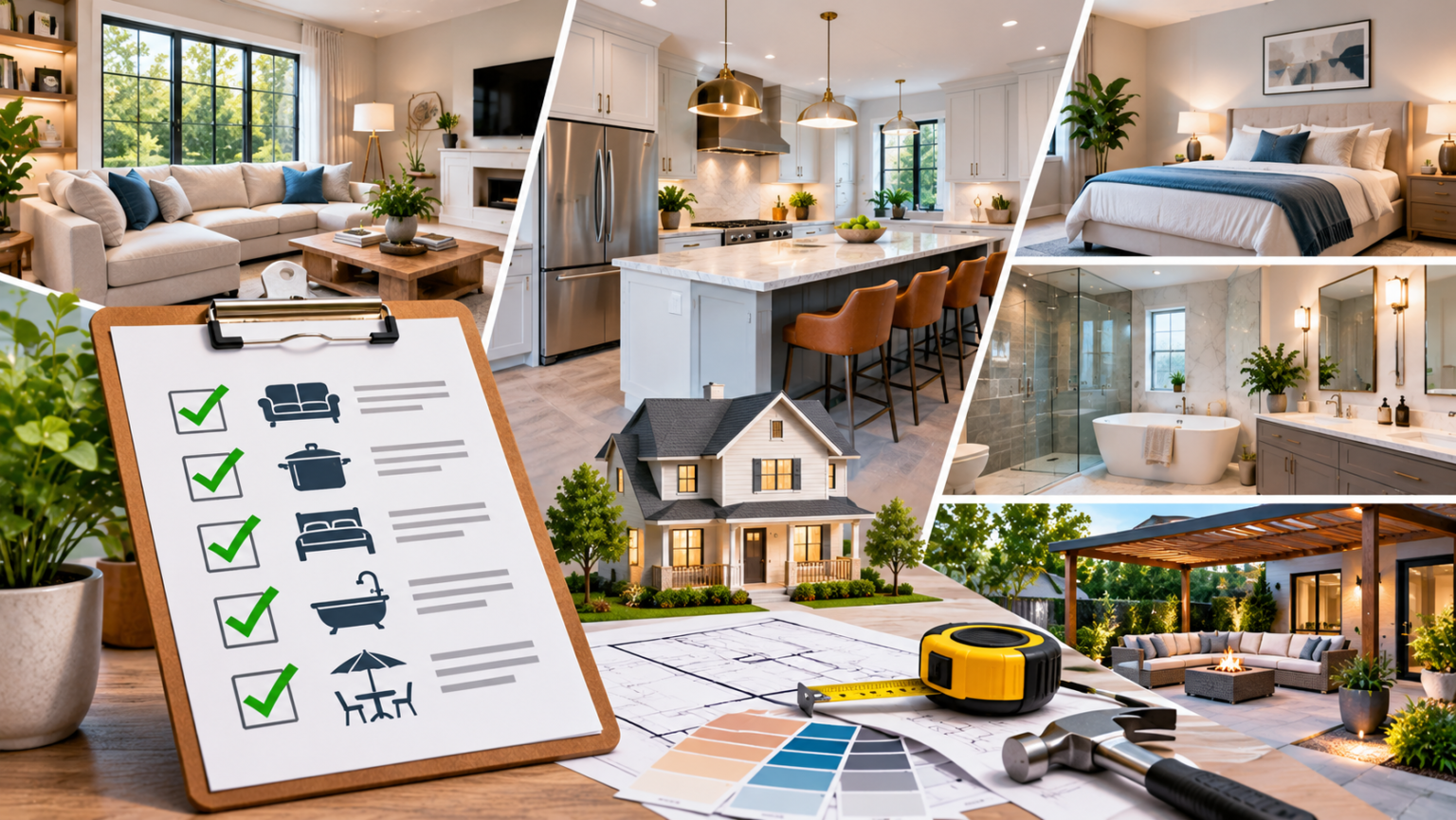
Undertaking a comprehensive home renovation requires structured planning, clear trade sequencing, and durable materials. Whether updating a newly purchased home or renovating a long-term family property, systematic checklists prevent costly installation mistakes. Approaching renovations room by room keeps projects on schedule, within budget, and built for modern daily living.
The Entryway, Mudroom, and Transitional Spaces
Transitional spaces handle heavy foot traffic, dirty shoes, and outdoor weather gear. Planning durable, easily cleaned surfaces keeps clutter from spreading into the main living quarters.
High-Durability Flooring and Integrated Shoe Storage
Tile floors in mudrooms should feature non-slip, through-body porcelain capable of enduring tracked-in mud and road salt. Building custom mudroom benches with deep open cubbies beneath allows wet boots to dry out completely. Installing solid hardwood coat hooks and upper cubbies with charging stations keeps coats, backpacks, and mobile devices neatly organized in one central location.
Extending Durability into the Attached Garage
The garage functions as the primary entryway for most modern homeowners. Unprotected concrete slabs rapidly collect black tire tracks, oil leaks, and pitting from de-icing chemicals tracked in from winter roads. Applying a modern garage floor coating in Salt Lake City seals the porous concrete, creating a smooth, chemical-resistant floor that wipes clean with a dust mop. Modern decorative flake systems brighten garage workspaces, turning dark utility areas into functional extensions of the home.
The Modern Kitchen Remodeling Checklist
Kitchen remodels represent the most intricate phase of interior home renovations. Aligning rough plumbing, gas connections, and electrical lines must happen before hanging cabinets or installing countertops.
Dedicated Appliance Circuits and Task Lighting
Modern kitchens house high-draw countertop appliances, including espresso machines, slow cookers, and convection ovens. Running dedicated twenty-amp circuits along counter walls prevents circuit breakers from tripping during family meal prep. Installing hidden LED lighting under upper cabinets eliminates shadows on food preparation areas, while recessed ceiling lights on dimmer switches adjust lighting levels for evening entertaining.
Durable Work Surfaces and Functional Island Layouts
The central kitchen island anchors food preparation and social gatherings. Islands should feature at least forty-two inches of clear walkway space around all sides, allowing appliance doors to open fully without blocking foot traffic. Installing durable quartz or porcelain countertops eliminates the ongoing maintenance required by natural stone. Pairing these surfaces with deep stainless steel sinks and commercial pull-down faucets makes everyday cooking and cleanup straightforward.
The Primary Suite and Personal Relaxation Spaces
A primary bedroom should offer a quiet retreat from the busy pace of modern family households. Renovations here prioritize peaceful finishes, acoustic control, and tailored storage.
Sound Isolation and Architectural Trim Details
Installing solid-core interior doors equipped with bottom draft seals blocks noise from adjacent living rooms and busy hallways. Installing wool-insulated interior partition walls dampens sound between bedrooms, ensuring quiet rest for light sleepers. Adding architectural wall moldings, such as painted board-and-batten or flat wood panel accents behind the bed, adds visual depth and tailored design without consuming floor space.
Custom Walk-In Closet Organization Systems
Standard wire shelving units waste vertical storage space and bow under heavy wardrobe loads. Installing custom laminate or wood veneer closet cabinetry maximizes storage capacity from floor to ceiling. Double-hung clothing rods, angled shoe shelves, integrated jewelry drawers, and laundry hampers keep personal belongings neatly stored away. Dedicated LED closet illumination lets homeowners distinguish subtle fabric colors without relying on harsh overhead fixtures.
Spa-Inspired Bathrooms and Restorative Enclosures
Bathroom renovations must balance waterproof construction with quiet comfort, requiring watertight membranes beneath all tiled surfaces.
Watertight Shower Assemblies and Quality Hardware
Shower failures usually stem from water leaking through porous grout into sheetrock walls. Installing continuous waterproof foam backer boards and bonded sheet membranes stops moisture before it ever touches structural studs. Using pressure-balanced thermostatic shower valves prevents sudden water temperature spikes when other plumbing fixtures run, ensuring comfortable, safe showers.
Heated Floors and Quiet Ventilation
Stepping onto cold bathroom tiles on winter mornings is uncomfortable. Installing low-profile electric radiant heating cables beneath floor tiles brings warmth to bare feet. Pairing radiant floor heating with ultra-quiet bathroom exhaust fans wired to automated humidity sensors exhausts steam quietly, protecting painted ceilings from moisture damage and mold growth.
Basement Living Zones and Flexible Modern Workspaces
Finishing a basement adds functional square footage for home offices, exercise suites, or family home theaters.
Subfloor Moisture Barriers and Modular Wall Systems
Subterranean concrete floors naturally release moisture vapor into living areas. Installing dimpled polyethylene underlayments beneath luxury vinyl plank flooring lets vapor evaporate safely without damaging floor finishes. Framing basement walls with an inch of space from exterior concrete walls and insulating with closed-cell spray foam stops mold growth, keeping finished basements dry, warm, and comfortable year-round.
Smart Home Wiring and Zoned Climate Control
Modern home offices demand stable internet connectivity and steady room temperatures. Running conduit for hardwired data cables guarantees steady network connections for video conferencing. Installing independent mini-split heat pumps provides zoned heating and cooling for basement rooms, letting homeowners adjust temperatures without having to balance the main house thermostat.
