
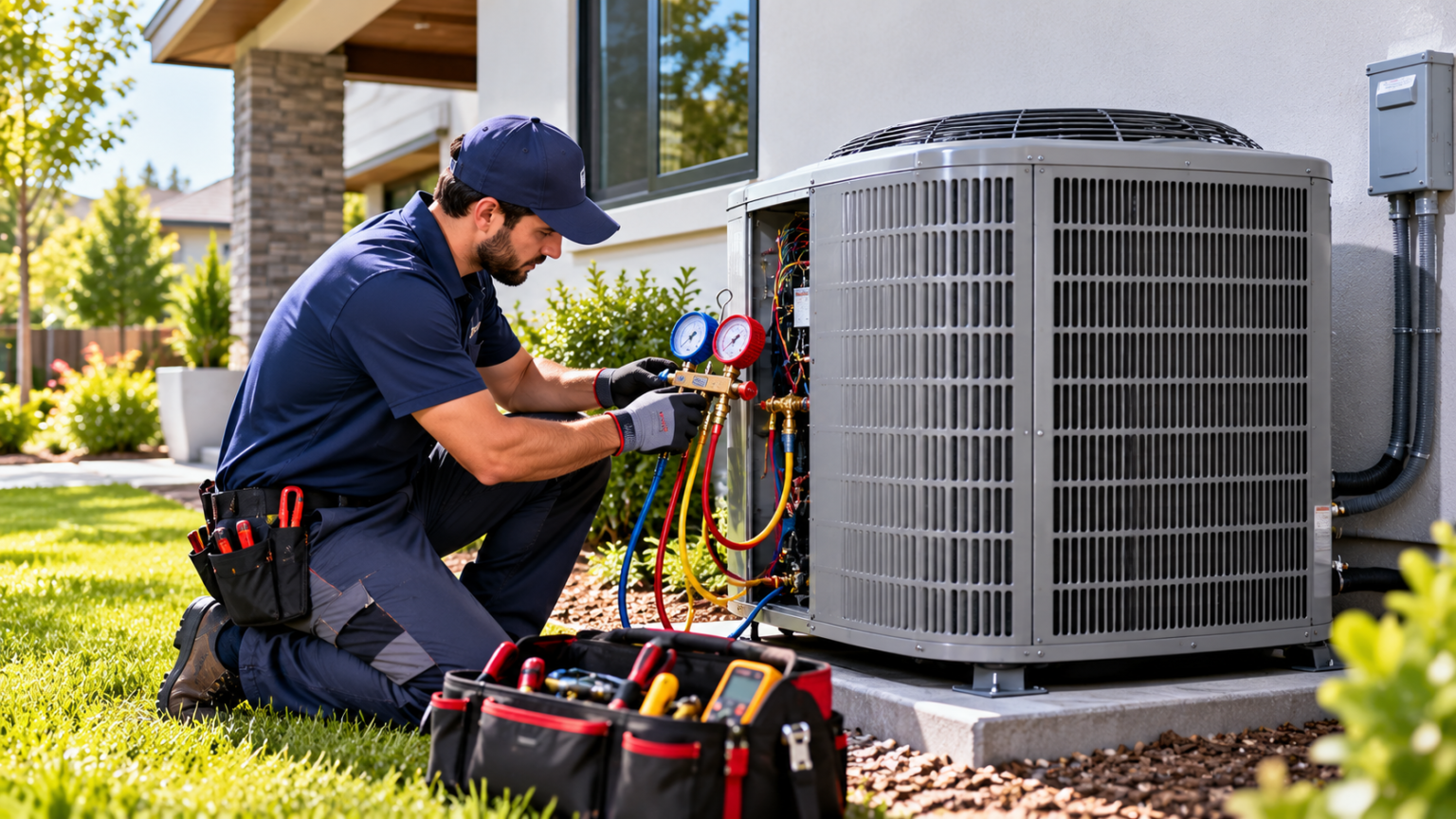
A dependable air conditioning system is an important part of maintaining a comfortable and functional indoor environment, particularly when outdoor temperatures place significant demand on cooling equipment. Modern air conditioning systems are designed to provide consistent temperature control, but their performance depends on many components working together correctly. Compressors, condenser coils, evaporator coils, blower motors, electrical controls, thermostats, refrigerant lines, filters, ductwork, and condensate drainage all contribute to the overall operation of the system. When one component begins to deteriorate or operate incorrectly, the effects can spread throughout the equipment and reduce cooling efficiency. Property owners should therefore pay attention to changes in performance and arrange professional service when problems appear. Professional air conditioning repair can help identify the underlying cause of cooling problems, correct faulty components, and restore dependable system operation while providing useful information about the condition of the equipment.
Understanding How Air Conditioning Systems Support Indoor Comfort
An air conditioning system does much more than reduce indoor temperature. During normal operation, it removes heat from indoor air and transfers that heat outside while also helping control humidity and circulate conditioned air throughout occupied areas. This process requires several components to work in sequence, and each component has a specific role in maintaining the cooling cycle. The thermostat communicates the desired temperature to the system, the indoor equipment absorbs heat from the surrounding air, refrigerant transfers that heat through the system, and the outdoor unit releases it into the exterior environment. The blower then distributes conditioned air through the ductwork and supply vents. If airflow is restricted, electrical controls malfunction, coils become excessively dirty, or another component develops a problem, the system may have difficulty completing this process efficiently. Understanding these connections helps explain why a seemingly small issue can eventually affect overall cooling performance and why a complete evaluation can be more useful than addressing only the most obvious symptom.The condition of the surrounding property can also influence how well an air conditioning system performs. Insufficient insulation, air leakage around doors and windows, damaged ductwork, blocked vents, and excessive heat entering the building can increase cooling demand. Even a properly functioning air conditioner may run for longer periods when the building allows conditioned air to escape or allows outdoor heat to enter easily. This means that maintaining cooling performance requires attention to both the equipment and the environment in which it operates. Property owners can benefit from considering the complete cooling system rather than assuming every temperature problem originates from the main air conditioning unit. A professional assessment can help determine whether the equipment itself requires service or whether other conditions are contributing to poor temperature control.
Recognizing Warning Signs Before a Major Failure
Cooling problems often provide warning signs before they develop into complete equipment failure. One of the most common signs is a noticeable change in indoor temperature consistency. If the system previously cooled the property evenly but certain rooms have become warmer, the cause may involve restricted airflow, ductwork concerns, thermostat issues, or changes in equipment performance. Longer cooling cycles can also indicate that the system is struggling to reach the selected temperature. Although longer operation may occur during periods of high demand, a noticeable and persistent change from normal behavior deserves attention. Frequent cycling is another concern because repeated starts and stops can place additional stress on electrical and mechanical components and may prevent the system from operating efficiently.Unusual sounds and odors should also be taken seriously. Grinding, rattling, buzzing, squealing, or repeated clicking can indicate different mechanical or electrical concerns depending on where the sound originates. Unusual smells may be associated with dirty components, moisture, electrical problems, or other conditions that require inspection. Weak airflow from supply vents is another common warning sign that can result from a clogged filter, blower problem, duct restriction, or other airflow-related issue. Water near indoor equipment can indicate a condensate drainage problem, while unexplained increases in energy consumption may suggest that the system is working harder than it should. Recognizing these signs early allows property owners to investigate potential problems before they become more expensive or disruptive.
The Importance of Accurate Professional Diagnosis
Air conditioning equipment contains numerous interconnected parts, which means that similar symptoms can have completely different causes. For example, a system that fails to provide sufficient cooling could have restricted airflow, dirty coils, refrigerant problems, an electrical component failure, thermostat issues, compressor problems, or ductwork concerns. Simply adding refrigerant or replacing a visible component without determining the actual cause may not resolve the problem. Professional diagnosis is valuable because technicians can evaluate the system as a complete unit and use testing and inspection procedures to identify the source of the malfunction.A thorough service visit may involve checking electrical connections, evaluating system controls, inspecting coils, reviewing airflow, examining refrigerant-related conditions, checking condensate drainage, and observing how the equipment operates under normal conditions. This approach provides more useful information than relying solely on a visual inspection. Once the cause has been identified, the property owner can better understand the necessary repair and whether additional components require attention. Accurate diagnosis can also help prevent recurring problems by identifying contributing conditions instead of repeatedly treating the same symptoms.
Maintaining Clean Filters and Proper Airflow
Airflow has a direct relationship with cooling performance and equipment efficiency. The air conditioner needs an appropriate amount of air moving through the system to absorb heat and distribute conditioned air throughout the property. When filters become excessively dirty, they can restrict airflow and make the blower work harder. Reduced airflow may also affect the temperature of the evaporator coil and contribute to operational problems if the restriction becomes severe. For this reason, filter maintenance should be considered a basic part of responsible cooling system care.However, filters are only one part of the airflow equation. Supply vents and return grilles should remain unobstructed so that air can circulate properly. Damaged or poorly sealed ductwork can allow conditioned air to escape before it reaches intended rooms, while crushed or restricted duct sections can reduce delivery. Blower motor problems can also reduce airflow even when filters and vents appear clean. If certain areas of a property consistently receive insufficient cooling, a professional evaluation can help determine whether the issue is related to the distribution system rather than the cooling equipment alone. Addressing airflow problems can improve comfort while reducing unnecessary strain on the air conditioning system.
Electrical Components and Cooling Reliability
Electrical components are essential to modern air conditioning operation because they control motors, compressors, fans, and other equipment. Capacitors, contactors, wiring, control boards, disconnects, and other electrical components can experience wear over time. A failing capacitor, for example, may cause a motor to struggle during startup or fail to operate properly. Loose or deteriorated wiring can create intermittent operation, while problems with controls may prevent the equipment from responding correctly to thermostat commands.Because electrical systems can present significant safety hazards, electrical diagnosis and repair should be performed by qualified professionals. Technicians can test relevant components and connections to determine whether they are functioning correctly and identify signs of deterioration. Replacing a failed electrical component may restore operation, but understanding why it failed can also be important, particularly if similar failures have occurred previously. Professional evaluation helps ensure that repairs are based on actual system conditions rather than assumptions, which can reduce unnecessary component replacement and improve long-term reliability.
Refrigerant Problems and Reduced Cooling Capacity
Refrigerant is a critical part of the cooling process because it allows the air conditioning system to absorb heat from indoor air and release it outdoors. When the refrigerant circuit develops a leak or another related problem occurs, the system may lose cooling capacity and operate for longer periods without achieving the desired indoor temperature. In some situations, reduced cooling can be accompanied by other signs such as unusual coil conditions or changes in normal equipment operation. However, poor cooling does not automatically mean that refrigerant is the cause, which is why proper diagnosis is important.If a refrigerant leak is suspected, simply adding refrigerant may not provide a lasting solution. The source of the leak and the overall condition of the refrigerant circuit should be evaluated by an appropriately qualified technician. Identifying and addressing the underlying problem can help restore proper system operation and reduce the possibility of recurring performance issues. A professional assessment can also determine whether the existing equipment remains suitable for continued operation or whether broader equipment considerations should be discussed based on its age and condition.
Condensate Drainage and Moisture Management
Air conditioning naturally produces condensation because warm indoor air comes into contact with a cold evaporator coil. The resulting moisture must be collected and removed through a condensate drain system. If the drain becomes clogged, damaged, or improperly configured, water can accumulate around the indoor equipment. Continued moisture exposure can damage nearby materials and create conditions that affect the indoor environment. Water leaks should therefore not be dismissed as a minor inconvenience, especially when they occur repeatedly.Property owners should watch for standing water, unexplained dripping, moisture near the indoor unit, or repeated condensate drain backups. These signs may indicate a blockage, damaged drain line, condensate pump problem, or another drainage concern. Professional service can help identify the cause and restore appropriate drainage. Keeping the condensate system functioning correctly is an important part of protecting both the cooling equipment and the surrounding property from unnecessary moisture-related damage.
Thermostat Operation and Temperature Control
The thermostat is responsible for communicating temperature requirements to the air conditioning system, making it an important part of indoor comfort. Problems with thermostat sensors, settings, wiring, batteries, or communication can affect system cycling and temperature consistency. Before assuming that the main cooling equipment has failed, property owners can verify that the thermostat is receiving power, displaying information correctly, and set to the intended operating mode and temperature. However, persistent problems should be professionally evaluated because thermostat symptoms can sometimes overlap with larger system issues.A technician can determine whether the thermostat is accurately detecting indoor conditions and communicating properly with the equipment. In some situations, replacing an outdated or malfunctioning thermostat may improve temperature control and provide more convenient management. However, thermostat replacement should not be used as a substitute for diagnosing the complete cooling system when broader performance issues are present. Proper evaluation ensures that the thermostat and air conditioning equipment work together as intended.
Preventive Maintenance and Long-Term Equipment Care
Preventive maintenance can help property owners identify developing cooling problems before they become major interruptions. During professional maintenance, technicians can inspect important components, evaluate system operation, examine electrical connections, review airflow, check drainage, inspect coils, and identify signs of wear. Maintenance cannot eliminate every potential failure, but it can provide an opportunity to correct developing issues while they are still manageable. Regular service can also help property owners understand the condition of their equipment and plan future repairs or improvements with better information.Keeping accurate service records can further support long-term equipment care. Records showing installation dates, previous repairs, replaced components, maintenance visits, and recurring problems can provide valuable information when diagnosing future issues. If a particular component has required repeated attention, that history may indicate that the system needs a more comprehensive evaluation. Similarly, if equipment is becoming older and repairs are increasing, maintenance findings can help property owners consider future replacement planning before an unexpected breakdown occurs.
Improving Efficiency Through Comprehensive System Care
Energy efficiency depends on more than the manufacturer’s equipment rating. The actual performance of an air conditioning system is influenced by equipment condition, airflow, ductwork, insulation, thermostat settings, maintenance, and the building envelope. A system with dirty coils or restricted airflow may need to operate longer to maintain the same indoor temperature. Similarly, leaking ductwork can waste conditioned air and increase the workload placed on the equipment. Addressing these conditions can support more consistent operation while helping control unnecessary energy consumption.Property owners can take practical steps to support efficient cooling by maintaining appropriate filters, keeping vents unobstructed, avoiding unnecessary thermostat adjustments, and arranging professional maintenance. If a system consistently struggles to cool the property, a broader evaluation can determine whether the equipment, ductwork, insulation, or other property conditions are contributing to the problem. A comprehensive approach can provide more meaningful improvements than focusing on one component in isolation.
Repairing Equipment or Planning for Replacement
When an air conditioning system develops a serious problem, property owners may need to consider whether repairing the existing equipment is appropriate or whether replacement planning should begin. The decision depends on several factors, including the age of the equipment, the type and cost of the repair, previous repair history, operating efficiency, availability of components, and the expected condition of other major parts. A single component failure on a relatively dependable system may be reasonably addressed through repair, while repeated major failures on older equipment may require a broader discussion about future needs.Professional evaluation can provide information needed to understand these options. Rather than making a decision based solely on the immediate symptom, property owners can consider the overall condition of the system and its expected future service requirements. A technician can explain which components have failed, whether additional concerns are present, and what maintenance or repair requirements may remain. This information allows property owners to plan based on the condition of the equipment instead of waiting until a complete system failure forces an immediate decision.
Creating a Reliable Cooling Strategy
A reliable cooling system benefits from consistent attention throughout its service life. Professional air conditioning repair is important when equipment develops mechanical, electrical, airflow, refrigerant, drainage, or control problems, but ongoing maintenance also plays a major role in supporting dependable operation. Property owners can improve their ability to manage cooling equipment by keeping service records, responding to warning signs, maintaining filters, monitoring temperature consistency, and arranging professional inspections when unusual behavior occurs.A long-term cooling strategy should also consider the relationship between the air conditioner and the rest of the property. Insulation, ductwork, windows, doors, ventilation, indoor airflow, and thermostat control can all influence how much work the cooling system needs to perform. When these factors are addressed alongside equipment maintenance, property owners can develop a more complete approach to comfort and energy management. This can help reduce avoidable strain and provide technicians with a clearer understanding of the conditions affecting the system.
Conclusion
Maintaining reliable air conditioning performance requires more than waiting for the equipment to stop working. Cooling systems depend on numerous mechanical, electrical, and airflow components that must operate together under appropriate conditions. Changes such as weak airflow, uneven temperatures, unusual sounds, water accumulation, frequent cycling, unusual odors, or longer cooling periods can provide valuable warning signs that deserve attention. Responding to these changes early can help property owners identify developing problems before they result in more disruptive failures.Professional air conditioning repair provides an important solution when cooling equipment is no longer operating as expected, while preventive maintenance can help identify concerns before they become serious. Proper filter care, airflow management, electrical inspections, drainage maintenance, thermostat evaluation, and refrigerant system assessment all contribute to dependable operation. By treating cooling equipment as part of the property’s complete mechanical system and maintaining it consistently, property owners can support indoor comfort, improve operational reliability, and make better-informed decisions about repairs and future equipment needs.
