
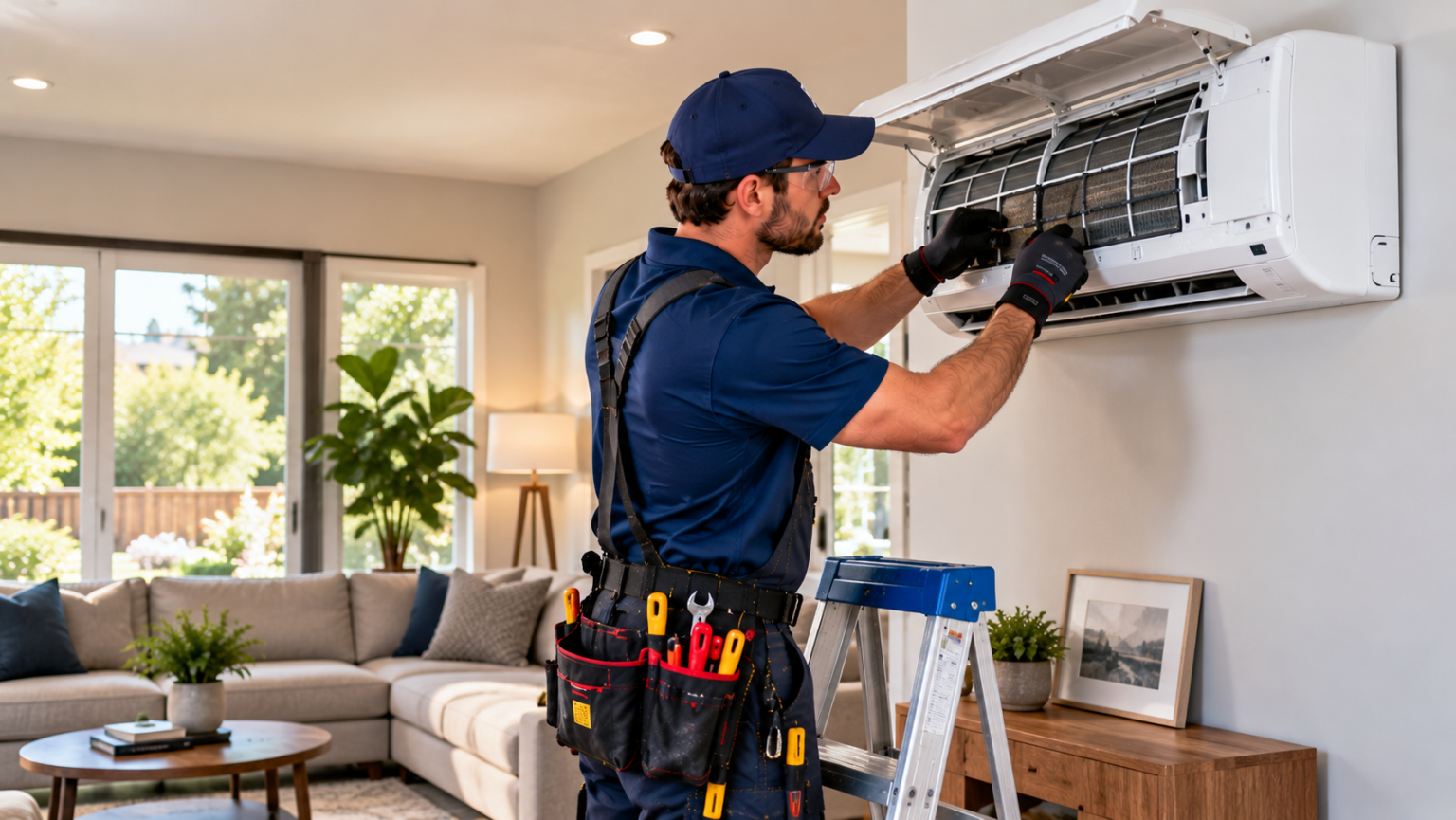
Ductless air conditioning systems have become a practical solution for properties that require dependable cooling without the installation of traditional ductwork. These systems can provide targeted temperature control for individual rooms, additions, offices, converted spaces, bedrooms, and other areas where extending existing ductwork may be difficult or unnecessary. Their compact design, flexible installation options, and ability to provide independent temperature control make them useful for many different indoor environments. However, like any mechanical cooling equipment, ductless systems require proper installation, regular maintenance, and timely professional attention when performance begins to change. Problems such as weak airflow, insufficient cooling, unusual sounds, water leaks, electrical issues, and inconsistent operation can affect comfort and system efficiency. Understanding the importance of professional service can help property owners maintain dependable cooling while addressing developing concerns before they become more complicated.
Understanding How Ductless Cooling Systems Operate
A ductless air conditioning system typically includes an outdoor unit connected to one or more indoor air-handling units. Refrigerant lines, electrical wiring, and condensate drainage components connect the indoor and outdoor equipment so that the system can transfer heat from the indoor environment to the outside. Instead of using a network of ducts to distribute conditioned air throughout a property, the indoor unit delivers cooled air directly into the space where it is installed. This arrangement allows users to control temperatures in specific areas according to individual comfort requirements. The system depends on several components working together, including the compressor, coils, fans, sensors, filters, electrical controls, refrigerant circuit, and drainage system. If one component develops a problem, the overall performance of the equipment can be affected. For this reason, professional inspection is valuable whenever noticeable changes occur.
Recognizing Early Signs of Cooling Problems
One of the most effective ways to protect a ductless system is to pay attention to changes in normal operation. A system that previously cooled a room quickly but now takes significantly longer may be experiencing an underlying performance issue. Weak airflow can indicate a dirty filter, restricted coil, fan problem, or another airflow concern. Strange sounds may also provide important clues about the condition of internal components. Buzzing, rattling, grinding, clicking, or excessive vibration should not automatically be considered normal. Water appearing around an indoor unit can indicate a condensate drainage problem, while repeated cycling may point toward control, airflow, sensor, or other mechanical concerns. Recognizing these warning signs early gives property owners an opportunity to arrange professional service before a minor issue develops into a larger equipment failure.
Why Professional Diagnosis Is Important
Ductless systems contain several components that can produce similar symptoms when something goes wrong. For example, insufficient cooling could result from restricted airflow, dirty filters, contaminated coils, refrigerant concerns, sensor problems, electrical issues, or incorrect system operation. Simply replacing one component without determining the actual cause may not solve the problem. Professional diagnosis allows a technician to evaluate the equipment systematically and determine where the abnormal condition originates. This may involve inspecting the indoor unit, outdoor unit, electrical connections, airflow, coils, filters, controls, refrigerant-related components, and condensate drainage. A detailed evaluation can help ensure that the repair addresses the underlying problem instead of temporarily treating only one symptom.
Refrigerant Issues and Cooling Performance
Refrigerant is essential to the cooling process because it allows the system to absorb heat from indoor air and transfer that heat outside. A properly operating system should maintain the appropriate refrigerant charge within a sealed circuit. When a leak develops, the system may gradually lose cooling capacity and begin running for longer periods. Property owners may notice that the room does not reach the desired temperature even though the equipment continues operating. Refrigerant-related problems require professional attention because simply adding refrigerant may not resolve the underlying issue. A qualified technician can inspect the system for signs of leakage, evaluate operating conditions, and determine whether another component is contributing to the performance problem. Proper diagnosis is important because unresolved refrigerant concerns can affect both comfort and equipment operation.
Addressing Airflow Restrictions
Good airflow is essential for efficient ductless cooling. Indoor filters collect dust and airborne particles as the system operates, and these filters can become increasingly restricted when they are not cleaned or replaced as recommended. Dirty filters can reduce airflow, make the system work harder, and affect the overall cooling experience. Indoor coils can also collect dust and debris over time, particularly when maintenance has been neglected. Outdoor equipment requires sufficient clearance so that air can move properly around the condenser. Leaves, dirt, vegetation, and other obstructions can interfere with heat transfer and place additional strain on the equipment. Regular maintenance and professional inspection can help identify these restrictions and keep airflow closer to the conditions required for dependable system performance.
Dealing With Condensate and Water Leaks
Cooling equipment naturally removes moisture from indoor air as part of the air-conditioning process. That moisture collects as condensation and must be safely transported away through the condensate drainage system. If the drain becomes clogged, damaged, improperly positioned, or otherwise restricted, water may accumulate around the indoor unit. Ignoring a recurring water leak can create problems for nearby walls, ceilings, flooring, insulation, and other building materials. Moisture can also contribute to unpleasant odors and other indoor comfort concerns. Professional service can help determine whether the problem involves a blocked drain, damaged drain component, improper installation, or another condition affecting moisture removal. Keeping drainage components clean and functional is an important part of maintaining reliable ductless cooling.
Electrical Components and System Controls
Modern ductless air conditioners rely on electronic controls and electrical components to regulate cooling cycles, fan operation, temperature settings, communication between indoor and outdoor units, and other functions. A problem with wiring, sensors, circuit boards, capacitors, switches, or related electrical components can cause the system to behave unexpectedly. Equipment may fail to start, shut down suddenly, display an error code, or operate differently from the selected settings. Electrical problems should be evaluated by trained professionals because incorrect handling can create additional equipment damage and safety concerns. A technician can test relevant components, inspect connections, and determine whether the issue originates in the power supply, internal controls, communication system, or another part of the equipment.
The Role of Regular Ductless System Maintenance
Regular maintenance is an important part of protecting any HVAC investment. Routine service gives technicians an opportunity to inspect components, clean important areas, evaluate system operation, and identify signs of developing wear. Filters can be checked, coils inspected, electrical connections evaluated, drainage components reviewed, and system controls tested. Outdoor equipment can also be inspected for debris, physical damage, airflow restrictions, or other conditions that could affect performance. Maintenance is not simply about cleaning the visible portion of an indoor unit. A comprehensive service appointment considers the system as a connected group of mechanical, electrical, and refrigeration components. Identifying small concerns during routine service may help property owners address them before they lead to unexpected cooling interruptions.
Improving Indoor Comfort and Air Quality
Ductless systems are designed primarily to control temperature, but proper maintenance can also support a cleaner and more comfortable indoor environment. Filters help capture airborne particles, while clean coils and properly maintained indoor components support appropriate airflow. When filters or internal surfaces become excessively dirty, airflow may decline and unpleasant odors can sometimes develop. Property owners who want additional indoor air quality support can discuss solutions such as air purification, humidity control, and other HVAC accessories with a qualified professional. Maintaining balanced humidity is particularly important because excessive moisture can affect comfort and create conditions that contribute to certain indoor problems. A complete approach to HVAC care therefore considers both temperature control and the overall indoor environment.
When Professional Repair Is Necessary
Some ductless system problems may appear minor at first but can become more disruptive if they are allowed to continue. A small drainage restriction can lead to repeated water leakage, while a component that is operating outside normal conditions may place additional stress on other parts of the system. Professional ductless ac repair can help property owners address problems involving cooling performance, airflow, drainage, electrical controls, unusual sounds, and other system concerns. A trained technician can inspect the equipment, identify the likely source of the problem, and recommend a suitable solution based on the system’s condition. Professional service also helps avoid unnecessary component replacement by focusing on accurate diagnosis and appropriate repair procedures.
Repairing Problems Before They Become Larger
Timely service can be particularly valuable when a system is still operating but showing signs of declining performance. Property owners sometimes delay service because the equipment continues to provide some cooling, but continued operation under abnormal conditions can place additional strain on certain components. For example, a system with restricted airflow may operate longer to reach the desired temperature, while a drainage problem may allow moisture to accumulate around the indoor unit. Addressing these concerns promptly can help restore normal operation and reduce the possibility of additional damage. Professional technicians can also explain what caused the issue and provide maintenance recommendations that may help reduce the chance of similar problems occurring again.
Deciding Between Repair and Replacement
Not every ductless system problem requires complete equipment replacement. Many issues can be corrected through professional repair, especially when the system is otherwise in good condition and has received appropriate maintenance. The decision depends on several factors, including equipment age, overall condition, operating history, repair requirements, efficiency, and the frequency of previous service calls. A relatively minor component failure may be practical to repair, while an older system experiencing repeated major problems may require a broader evaluation. Professional inspection provides property owners with useful information about the current condition of the equipment and helps them understand the available options. Rather than making a decision based solely on one malfunction, it is helpful to consider the system’s overall performance and future service needs.
Preparing for Better Long-Term Performance
Property owners can support reliable ductless operation through several practical habits. Filters should be cleaned or replaced according to manufacturer recommendations and actual operating conditions. Indoor units should have sufficient space around their air intake and discharge areas so that airflow is not unnecessarily restricted. Outdoor equipment should also remain reasonably clear of leaves, debris, vegetation, and other obstructions. Unusual sounds, odors, water leaks, inconsistent cooling, error messages, or sudden changes in operating behavior should be treated as reasons to investigate the system. Keeping records of previous maintenance and repairs can also help technicians understand the equipment’s history. These simple practices can complement professional maintenance and help property owners identify problems earlier.
Professional Support for Ductless HVAC Systems
A reliable HVAC service provider can support ductless equipment throughout its operating life by providing repair, maintenance, installation, and related indoor comfort services. Professional technicians can evaluate existing equipment, identify performance concerns, and explain practical options based on the condition of the system. They can also help property owners understand whether maintenance is sufficient or whether a more significant repair may be appropriate. In addition to cooling repairs, comprehensive HVAC support may include ductless system installation, indoor air quality solutions, air purifier services, humidifier installation, and other comfort-related services. Having access to coordinated HVAC support can make it easier to maintain equipment properly instead of waiting until a serious failure occurs.
Choosing a Professional Approach to Ductless Service
Every property has different cooling requirements, and ductless equipment can vary significantly in size, configuration, age, and operating demands. A system installed in a frequently occupied room may experience different usage patterns from equipment serving an office, addition, bedroom, or commercial space. Professional technicians can consider these factors when evaluating the system and recommending service. This individualized approach is useful because the correct solution depends on the actual condition of the equipment rather than a generic repair method. Proper service should address immediate performance concerns while also considering maintenance requirements, equipment condition, efficiency, and future reliability.
Conclusion
Ductless air conditioning systems can provide flexible and efficient temperature control, but dependable performance depends on proper installation, regular maintenance, adequate airflow, functional drainage, sound electrical components, and timely professional service. Warning signs such as weak airflow, inconsistent cooling, unusual sounds, water around the indoor unit, repeated cycling, error messages, and increased operating times should not be ignored. Professional diagnosis can help determine whether the underlying problem involves filters, coils, refrigerant, drainage, electrical components, sensors, controls, or another part of the system.
When cooling performance begins to decline, timely ductless ac repair can help restore comfort and prevent a developing problem from becoming more disruptive. Regular maintenance can further support efficient operation by identifying wear and performance concerns before they cause unexpected interruptions. Property owners can also benefit from professional guidance when deciding whether an existing system should be repaired, maintained, or eventually replaced. With appropriate care and dependable HVAC support, ductless equipment can continue providing comfortable indoor conditions while supporting the property’s broader heating, cooling, and indoor air quality needs over the long term.
