
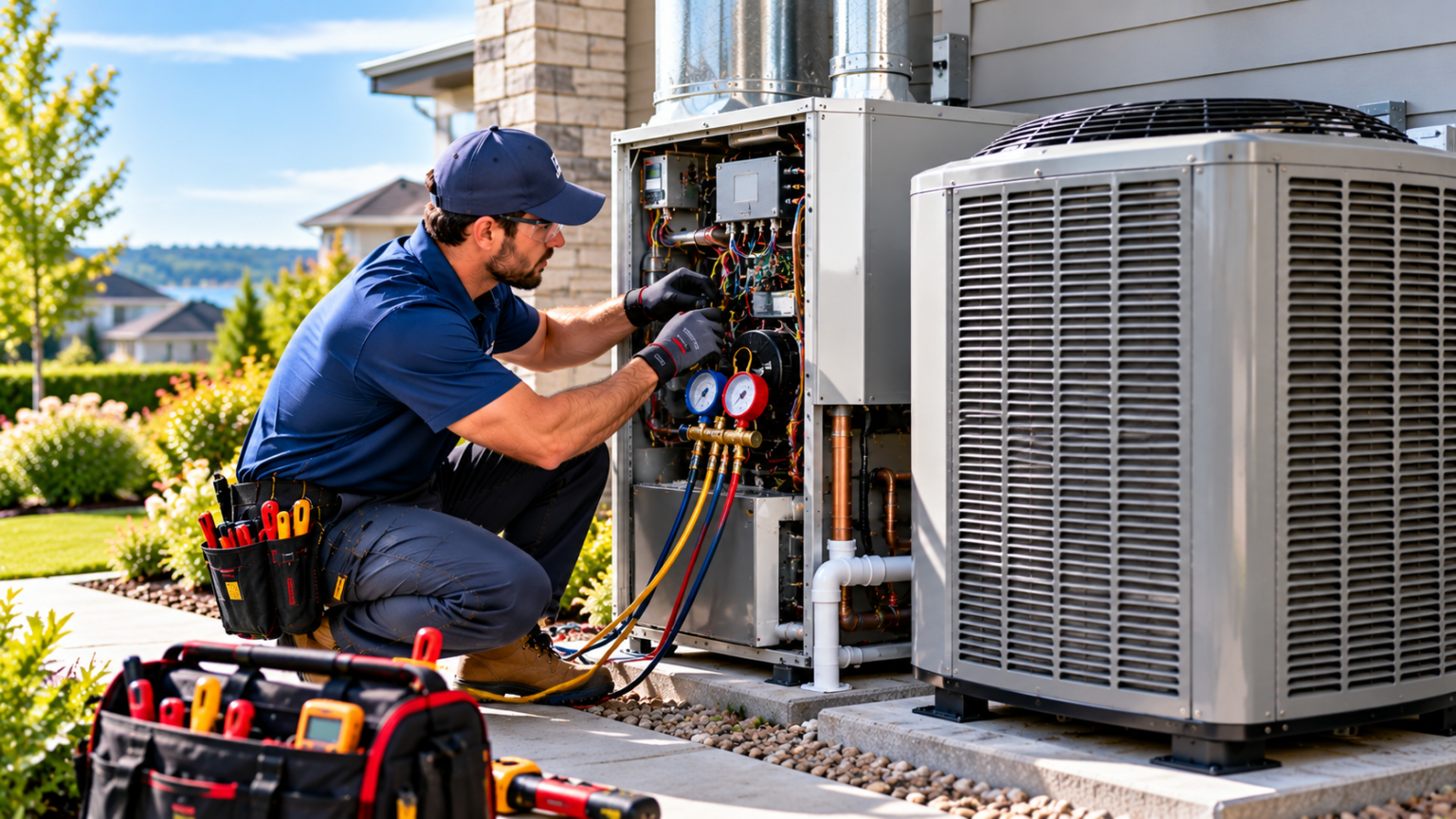
Heating and cooling systems are essential for maintaining a comfortable indoor environment, but dependable performance does not happen automatically. Every HVAC system contains multiple mechanical, electrical, and control components that must work together properly to deliver consistent temperatures and efficient operation. Furnaces, air conditioners, heat pumps, boilers, ductless systems, thermostats, indoor air quality equipment, and ventilation components can all experience gradual wear as they operate throughout the year. Dust accumulation, restricted airflow, dirty coils, loose electrical connections, worn moving parts, clogged filters, drainage concerns, and control problems can gradually reduce system performance. Regular professional attention provides an opportunity to identify these issues before they develop into larger problems. A properly organized HVAC care program can support equipment efficiency, improve comfort, reduce unexpected interruptions, and help property owners understand the condition of their heating and cooling systems. Instead of waiting until equipment stops working completely, property owners can use scheduled service to identify developing concerns, maintain important components, and make informed decisions about repairs or future replacements.
Understanding the Importance of Preventive HVAC Care
Preventive care is an important part of responsible heating and cooling system ownership because HVAC equipment is exposed to continuous operational demands. During periods of extreme temperatures, systems may operate for extended hours while attempting to maintain the selected indoor temperature. Every operating cycle places some level of demand on motors, electrical components, fans, blowers, compressors, controls, and other parts. Over time, normal wear can affect performance even when there is no obvious sign of failure. A system may continue running while gradually becoming less efficient, taking longer to reach the desired temperature, producing unusual sounds, or cycling more frequently than expected. Professional service allows technicians to inspect the equipment carefully and identify conditions that may not be obvious to the property owner. Cleaning, adjustment, lubrication where appropriate, electrical inspection, airflow evaluation, and component testing can all contribute to more dependable operation. Regular HVAC maintenance can therefore be viewed as a proactive investment in equipment performance rather than simply a response to an existing breakdown.Another important advantage of preventive service is that it can provide property owners with better information about the condition of their equipment. A technician who regularly inspects a system can identify recurring concerns and monitor components that may be approaching the end of their useful service life. This information can help property owners distinguish between a minor repair and a larger equipment concern that may eventually require replacement. Having this information in advance can make planning easier because decisions do not necessarily have to be made during an emergency. Professional service can also help identify issues related to airflow, controls, drainage, electrical connections, filters, and other components that can influence overall HVAC performance. By addressing appropriate concerns early, property owners can create a more organized approach to maintaining comfort and protecting their investment in heating and cooling equipment.
Improving Heating System Performance
Heating equipment should receive appropriate attention before and during periods when it is expected to operate frequently. Furnaces and boilers include numerous components that contribute to safe and effective operation, including burners, ignition components, motors, controls, thermostats, valves, electrical connections, heat exchangers, pumps, and other mechanical parts depending on the system design. Dirt, wear, electrical problems, restricted airflow, or malfunctioning controls can affect the system’s ability to provide consistent heat. A professional inspection can help determine whether the equipment is operating as intended and whether any components require cleaning, adjustment, repair, or replacement. Addressing smaller concerns before the system is subjected to prolonged heavy use can reduce the possibility of an inconvenient breakdown during periods when dependable heating is especially important.A properly maintained heating system can also provide more consistent indoor temperatures. When airflow is restricted or components are not functioning correctly, some rooms may become warmer or cooler than others, while the system may run for longer periods to compensate. These symptoms can have several possible causes, so professional diagnosis is important rather than assuming that one specific component is responsible. During a service appointment, a qualified technician can evaluate the equipment and determine whether airflow, controls, filters, mechanical components, or other conditions are affecting performance. Proper maintenance does not eliminate every possible heating problem, but it provides an opportunity to identify many developing concerns before they become major disruptions.
Supporting Air Conditioning Reliability
Air conditioning systems also require regular professional attention because cooling equipment depends on several interconnected components to operate effectively. Compressors, condenser coils, evaporator coils, blower assemblies, refrigerant circuits, electrical components, thermostats, drain systems, and motors all contribute to cooling performance. If dirt accumulates on important components or airflow becomes restricted, the equipment may have to operate longer to provide the same level of cooling. Electrical issues, drainage problems, worn motors, and other developing concerns can also affect reliability. Regular inspection provides an opportunity to evaluate these components and determine whether cleaning, adjustment, repair, or additional testing is appropriate.Preparing an air conditioning system before periods of heavy use can be particularly useful because problems are often easier to address when the equipment is not already needed continuously. If a technician discovers a worn component or an operational concern during a scheduled visit, the property owner can make a repair decision before a complete failure occurs. This can provide greater flexibility when planning service and can reduce the disruption associated with an unexpected loss of cooling. Professional inspections can also help property owners understand whether an older system remains suitable for continued operation or whether future replacement planning should be considered.
Maintaining Heat Pumps and Ductless Systems
Heat pumps require a somewhat different maintenance approach because they can provide both heating and cooling. Depending on the system and operating conditions, the equipment may be used across multiple seasons, which means components can experience significant operating hours throughout the year. Filters, coils, blowers, electrical connections, refrigerant-related components, outdoor equipment, controls, and other parts should be inspected according to the system’s requirements. Keeping outdoor equipment reasonably clear of leaves, vegetation, and debris can also support appropriate airflow, while professional service can address components that require specialized inspection or adjustment.Ductless systems also benefit from regular care because their indoor units circulate conditioned air directly into individual spaces. Filters can collect dust, while indoor coils and other components may gradually accumulate debris. Restricted airflow can affect comfort and place additional demand on the equipment. Property owners can perform basic filter care according to manufacturer instructions, but professional service remains important for inspecting components that require specialized knowledge or tools. A qualified technician can evaluate the condition of the indoor and outdoor portions of a ductless system and determine whether cleaning, adjustment, repair, or additional service is appropriate.
Protecting Indoor Air Quality
Indoor comfort is influenced by more than temperature. Air cleanliness, humidity, ventilation, filtration, and circulation can all affect the indoor environment. HVAC equipment plays an important role in moving and conditioning air, which means neglected filters, dirty coils, blocked airflow paths, and other issues can influence the overall quality of indoor circulation. Regular equipment inspections provide an opportunity to examine areas that affect airflow and filtration while identifying conditions that may need attention. Maintaining suitable airflow is also important because the HVAC system depends on moving air efficiently through the appropriate components.Indoor air quality concerns can sometimes require solutions beyond traditional heating and cooling maintenance. Depending on the property and its needs, options may include air purification equipment, humidifiers, dehumidifiers, UV systems, filtration improvements, or indoor air quality testing. Professional HVAC providers can evaluate the existing system and discuss solutions based on the specific conditions of the building. Considering air quality alongside heating and cooling performance can create a more complete approach to indoor comfort rather than treating temperature control as the only objective.
Checking Thermostats and System Controls
Thermostats and controls have an important influence on how HVAC equipment operates. If a thermostat is inaccurate, incorrectly positioned, malfunctioning, or communicating improperly with the HVAC system, the equipment may not respond as expected. Property owners may notice inconsistent temperatures, frequent cycling, unusually long operating periods, or difficulty maintaining the selected setting. These symptoms can have several possible causes, so professional evaluation is useful when control problems are suspected. A technician can examine the thermostat and related equipment to determine whether the issue involves the control itself or another part of the HVAC system.Modern HVAC technology also provides opportunities for more advanced temperature management. Smart thermostats can offer scheduling features and greater control, while zoning systems can allow different areas of a property to be managed according to individual comfort requirements. These technologies can be particularly useful when a property has rooms with different heating and cooling demands. However, proper installation, configuration, and compatibility are important. Professional technicians can evaluate existing equipment and determine whether upgraded controls or zoning solutions are appropriate for the property.
Identifying Early Warning Signs
HVAC systems often provide warning signs before a major failure occurs. Unusual noises, strange odors, weak airflow, inconsistent temperatures, repeated cycling, water around equipment, unexpected increases in operating time, difficulty starting, and changes in overall performance should not automatically be ignored. A new symptom does not necessarily identify a specific problem, but a noticeable change in system behavior can justify professional inspection. Addressing a developing concern while the equipment is still operating may provide more options than waiting for a complete breakdown.For example, an HVAC system that suddenly begins producing unusual sounds may have a mechanical component that requires attention. Weak airflow may be associated with filters, ductwork, blower components, or other conditions. Water near equipment may indicate a drainage issue, while unusual cycling can have several possible causes involving controls, airflow, system sizing, or mechanical components. Professional diagnosis is important because similar symptoms can result from different underlying problems. A trained technician can inspect the equipment and provide recommendations based on actual system conditions instead of relying on assumptions.
Supporting Commercial HVAC Performance
Commercial properties often have more demanding HVAC requirements because heating and cooling systems may operate for long periods while serving larger spaces and multiple occupants. Offices, retail properties, facilities, and other commercial buildings can depend on reliable temperature control for daily operations. An unexpected HVAC problem may affect employees, customers, equipment, inventory, or business activities, making preventive service particularly valuable. Commercial HVAC systems can also include larger and more complex equipment that requires specialized knowledge and a structured maintenance approach.A commercial service program should consider the type of equipment, building usage, operating schedule, airflow requirements, controls, and condition of major components. Regular inspections can help identify developing repair needs and provide information for future budgeting and equipment planning. Property owners and facility managers can use maintenance records to track repairs, recurring concerns, and equipment performance over time. This can help create a more predictable approach to HVAC ownership and reduce the need to make every decision during an unexpected emergency.
Extending Equipment Service Life
Proper care can help property owners protect the long-term value of HVAC equipment. No maintenance program can guarantee a specific service life because equipment age, installation quality, operating conditions, usage patterns, and other factors all influence longevity. However, neglected equipment may experience unnecessary strain when airflow is restricted, components become dirty, or developing problems remain unresolved. Regular inspections can help identify conditions that contribute to excessive wear and provide opportunities for appropriate corrective action.Maintaining equipment also helps property owners understand when replacement planning may be appropriate. An older system with recurring repairs may eventually become less practical to maintain, while a newer system may only require routine service and occasional repairs. Professional technicians can evaluate the condition of major components and explain what they observe during service. This information can help property owners plan future investments without waiting until an emergency forces an immediate decision.
Combining Professional Service With Basic Home Care
Property owners can contribute to HVAC performance by completing simple maintenance tasks between professional visits. Filters should be inspected and changed or cleaned according to manufacturer recommendations and the needs of the property. Outdoor equipment should be kept reasonably clear of leaves, vegetation, and other debris. Thermostats should be monitored for unusual behavior, and property owners should pay attention to changes in airflow, temperature consistency, sounds, odors, or system operating patterns. These observations can provide valuable information when discussing system performance with a technician.At the same time, property owners should recognize the limits of basic maintenance. Refrigerant systems, electrical components, combustion equipment, complex controls, and other specialized HVAC components should be evaluated by qualified professionals. Attempting complicated repairs without proper training can create safety risks and may cause additional equipment damage. Simple filter replacement and visual checks can support routine care, but professional inspection remains necessary for specialized maintenance and diagnosis.
Creating a Consistent Service Plan
A consistent service schedule is generally more organized than waiting for equipment problems to appear. Heating equipment can be inspected before periods of extended operation, while air conditioning systems can be checked before heavy cooling demand. Heat pumps may require attention based on their year-round use, while commercial equipment may need a maintenance schedule based on operating hours, system complexity, and building requirements. Following manufacturer recommendations and professional guidance can help determine an appropriate service frequency.A planned maintenance approach also makes it easier to maintain records and track the condition of equipment over time. Service records can document repairs, component replacements, inspections, and recommendations. These records can be useful when evaluating recurring issues or planning eventual equipment replacement. A professional service provider can also explain which tasks should be completed immediately and which concerns can be monitored or incorporated into a future maintenance plan.
Choosing the Right HVAC Service Provider
Selecting an experienced HVAC service provider is an important part of maintaining reliable equipment. A professional company should understand different types of heating and cooling systems and should be able to provide appropriate maintenance, repair, installation, and diagnostic services. Experience with furnaces, air conditioners, heat pumps, boilers, ductless systems, thermostats, commercial HVAC equipment, and indoor air quality solutions can be especially valuable for properties that use multiple technologies.When evaluating a service provider, property owners can consider the company’s range of services, technician experience, maintenance options, emergency service availability, and approach to customer communication. Clear explanations are important because property owners should understand what a technician has found and why a particular repair or maintenance recommendation has been made. A comprehensive HVAC provider can help with routine service as well as repairs and future equipment planning, creating a more consistent relationship for ongoing heating and cooling needs.
Conclusion
Reliable HVAC performance depends on more than installing quality equipment and operating the thermostat. Heating and cooling systems require appropriate airflow, clean components, functioning controls, proper electrical connections, suitable drainage, and regular professional attention to continue operating effectively. Preventive service gives property owners an opportunity to identify developing problems, maintain important components, improve system reliability, and make better-informed decisions about repairs and future replacement. Whether a property relies on a furnace, air conditioner, heat pump, boiler, ductless system, or commercial HVAC equipment, a consistent maintenance strategy can support comfort throughout changing operating conditions.Professional HVAC maintenance is particularly valuable because many system problems are difficult to identify without appropriate training and diagnostic equipment. Routine inspections can uncover issues that may otherwise remain unnoticed until they become more disruptive. Combining professional service with basic tasks such as filter care, outdoor unit clearance, and monitoring system performance creates a practical approach to long-term equipment care. For property owners looking for dependable heating, cooling, repair, installation, indoor air quality, heat pump, boiler, and commercial HVAC services, HVAC maintenance can be an important part of a proactive strategy for protecting comfort and maintaining reliable system performance.
