
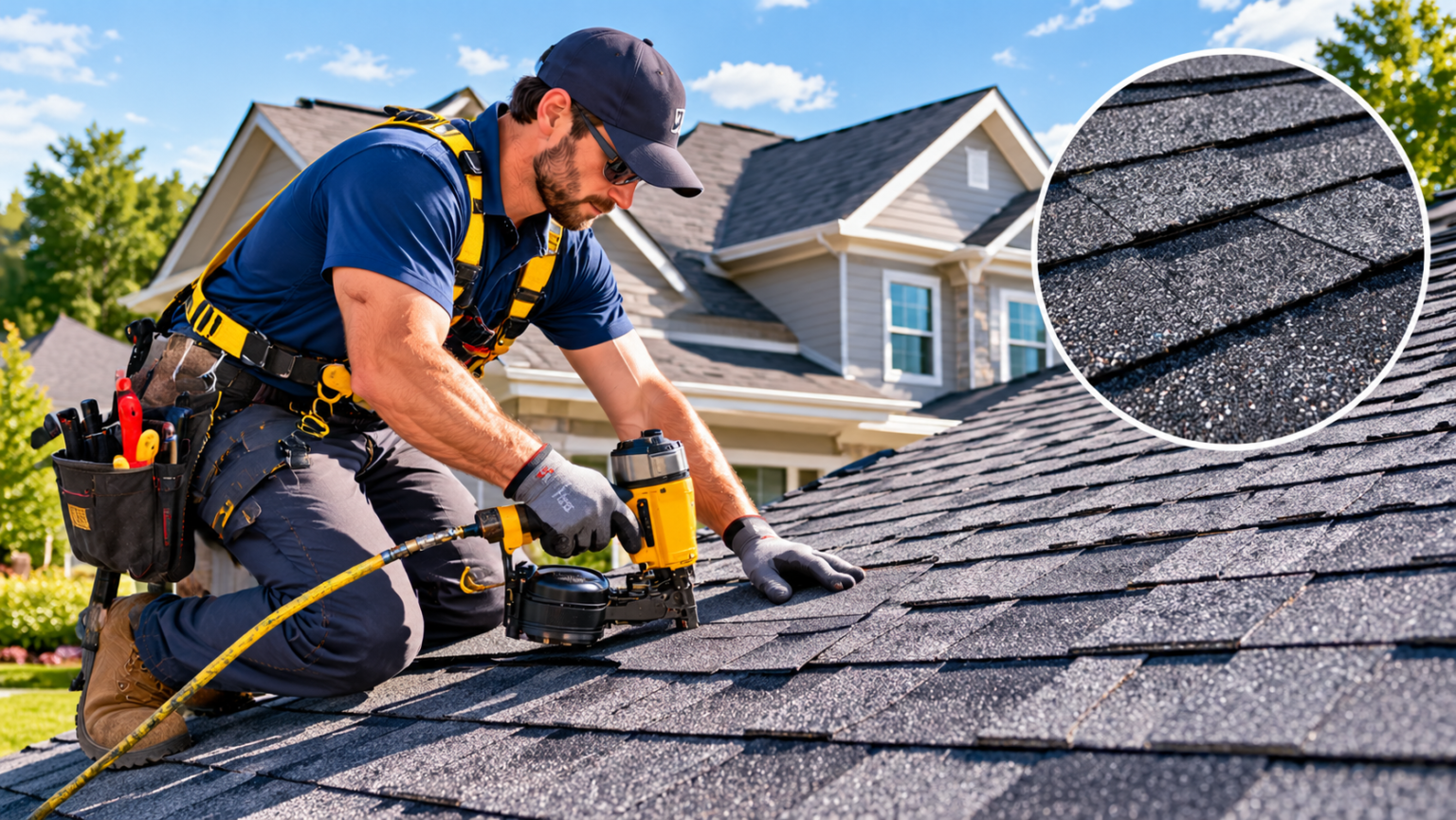
A roofing system plays a critical role in protecting a property from rain, wind, moisture, temperature changes, sunlight, and other outdoor conditions that can gradually affect the structure. Because the roof is constantly exposed to the elements, selecting suitable materials and ensuring professional installation are important steps toward maintaining dependable protection. Asphalt shingles remain a widely used roofing option because they offer a practical combination of durability, attractive appearance, installation flexibility, and cost considerations. However, the performance of a roof does not depend on shingles alone. Underlayment, flashing, ventilation, roof decking, drainage, fasteners, edge protection, and proper installation techniques all contribute to the effectiveness of the finished system. A well-planned roofing project considers these components together so that the completed roof can provide reliable protection while supporting the property’s overall appearance and structural condition.
Understanding Modern Roofing Systems
A modern roofing system is made up of several components that work together to create a protective barrier between the property and outdoor conditions. The visible shingles provide the primary weather-resistant surface, while materials beneath them help protect the roof deck and interior structure from moisture. Flashing is installed around areas such as chimneys, vents, walls, valleys, and other transitions where water could otherwise find an entry point. Proper ventilation helps manage heat and moisture in the attic, while gutters and drainage components direct water away from the roof and foundation. Understanding how these elements work together makes it easier to recognize why professional roofing involves much more than simply placing new materials over an existing surface. Each part has a specific purpose, and weaknesses in one area can affect the performance of the entire assembly.When planning asphalt shingle roofing, property owners should consider the condition of the existing roof, the design of the building, the expected weather exposure, the selected shingle type, and the condition of supporting components. Different shingles can offer different appearances, construction characteristics, warranty options, and performance features, so the selection process should be based on more than color or initial cost. Architectural shingles, for example, can provide a dimensional appearance and are available in numerous styles, while other shingle products may be selected for specific performance requirements. A professional roofing contractor can evaluate the existing structure and explain which materials and installation methods are appropriate for the project. This type of planning helps ensure that the final roofing system is designed around the property’s actual needs rather than based solely on general assumptions.
Choosing Quality Roofing Materials
Selecting appropriate roofing materials is one of the most important decisions during a roof installation or replacement project. The material should be compatible with the roof design and capable of handling the environmental conditions to which the property is exposed. Property owners should consider durability, appearance, warranty requirements, maintenance expectations, and installation specifications when comparing different products. It is also important to understand that a higher-quality material cannot compensate for poor workmanship. Even durable shingles can experience premature problems if they are improperly fastened, incorrectly aligned, installed over damaged decking, or combined with inadequate flashing and ventilation. The best results come from combining suitable materials with careful preparation and professional installation.The appearance of the roof also contributes significantly to the exterior character of a property. Shingles are available in a wide range of colors, textures, and profiles, making it possible to coordinate the roof with siding, trim, doors, windows, and other exterior features. However, appearance should be considered alongside performance rather than separately. A roofing professional can help property owners understand how different products may interact with the existing design and whether certain options are appropriate for the roof’s slope, structure, and ventilation arrangement. Taking time to evaluate these factors before installation can help prevent costly changes later and create a finished roof that provides both functional protection and a cohesive exterior appearance.
The Importance of Professional Installation
Professional installation is essential because roofing requires precise techniques at many different stages of the project. Before shingles are installed, the existing roof should be inspected to determine whether the decking and other supporting materials are in acceptable condition. Damaged or deteriorated decking may need to be repaired or replaced before new roofing materials are installed. Underlayment should be applied correctly, flashing should be positioned around vulnerable areas, and starter materials should be installed according to the requirements of the selected roofing system. Shingles must then be properly aligned and fastened so that they can perform as intended. Each stage contributes to the final result, which means shortcuts during installation can create problems that may not become visible until months or years later.Roof penetrations and transitions deserve particular attention during installation because these areas are more vulnerable to water intrusion than broad, uninterrupted sections of the roof. Chimneys, plumbing vents, skylights, wall intersections, valleys, and roof edges all require appropriate detailing. Flashing should direct water away from vulnerable joints instead of allowing moisture to collect around them. Roofing contractors also need to follow manufacturer specifications for fastening patterns, overlap requirements, and other installation details. When these procedures are followed carefully, the roof is better positioned to resist normal weather exposure and provide dependable service. Professional workmanship also makes it easier to identify hidden issues that might otherwise remain beneath the finished roofing materials.
Recognizing Signs of Roofing Damage
Roof damage can develop gradually, and some problems may remain unnoticed until they become significant. Missing or damaged shingles, exposed fasteners, cracked flashing, lifted materials, excessive granule loss, and visible deterioration are all reasons to arrange a professional inspection. Homeowners should also pay attention to interior signs such as ceiling stains, damp insulation, peeling paint, unexplained moisture, or musty odors. These conditions do not always originate from the same source, so identifying the actual cause is important before repairs begin. A visible stain inside the building may be connected to a roof penetration, flashing problem, damaged shingle, ventilation issue, or another exterior component.Regular inspections can help identify developing problems before they cause extensive damage. This is particularly useful after severe weather, when high winds or heavy precipitation may have affected the roof. Some damage may be difficult to see from ground level, especially when shingles have lifted slightly or flashing has been displaced. A professional inspection can provide a more complete understanding of the roofing system’s condition and help determine whether maintenance, localized repair, or replacement is appropriate. Addressing problems early may also reduce the possibility of moisture reaching insulation, drywall, framing, and other interior materials that can be more expensive to repair.
Roof Repair and Maintenance
Roof repair can be an effective solution when damage is limited and the remaining roofing system is in reasonable condition. Repairs may involve replacing damaged shingles, correcting flashing, addressing minor leaks, securing loose components, or restoring specific sections of the roof. The appropriate repair depends on the cause, location, and extent of the damage. Simply sealing an area where water is visible may not solve the underlying problem if moisture is entering from another point higher on the roof. Professional diagnosis is therefore important because water can travel beneath roofing materials before becoming visible inside the property.Maintenance should also be treated as an ongoing part of roof care rather than something performed only after a problem appears. Keeping gutters and downspouts clear helps prevent water from backing up against roofing edges, while removing excessive debris can reduce moisture retention and organic growth. Trees near the property should be monitored so that branches do not repeatedly contact the roof or create unnecessary debris accumulation. Property owners should also avoid unnecessary foot traffic across shingles because repeated walking can damage roofing materials. Regular professional inspections provide another layer of protection by identifying conditions that may not be obvious during a basic visual check from the ground.
When Roof Replacement Is Appropriate
There are situations where repair is no longer the most practical solution and complete roof replacement becomes necessary. A roof with widespread shingle deterioration, repeated leaks, extensive storm damage, structural concerns, or advanced age may require replacement rather than continued repairs. Repeatedly repairing isolated problems can become less effective when the surrounding roofing system is also approaching the end of its useful service life. A professional evaluation can help determine whether the existing roof still has sufficient remaining performance or whether replacement would provide a more appropriate long-term solution.Roof replacement also provides an opportunity to improve components that may have contributed to previous problems. Once old materials are removed, contractors can inspect the roof decking and identify areas requiring attention. They can also evaluate underlayment, flashing, ventilation, and drainage before installing the new system. Addressing these elements during replacement can create a stronger foundation for the new roof and reduce the possibility of carrying old problems into a new installation. A complete replacement should therefore be viewed as an opportunity to improve the entire roofing assembly instead of simply exchanging old shingles for new ones.
Protecting Roofing From Severe Weather
Weather exposure is one of the most significant factors affecting roofing performance. Strong winds can lift or loosen shingles, heavy precipitation can expose weaknesses in flashing and drainage, and falling branches or debris can cause physical damage. Prolonged sunlight and repeated temperature changes can also contribute to gradual material deterioration. While quality roofing materials are designed to withstand normal environmental exposure, severe events can create conditions that require professional assessment. Inspecting the roof after significant weather can help property owners identify problems before they develop into leaks or more extensive structural damage.Storm-related roof damage is not always immediately obvious. A shingle may appear generally intact while its fastening has been compromised, or flashing may have shifted without producing an immediate interior leak. For this reason, professional storm inspections can be valuable after major weather events. If damage is identified, prompt repair can help protect the underlying roof deck and interior spaces from additional moisture exposure. Keeping records of inspections and completed repairs can also help property owners maintain a clearer history of the roofing system and make more informed decisions about future maintenance or replacement.
The Role of Proper Roof Ventilation
Ventilation is an important but sometimes overlooked part of roofing performance. The attic needs appropriate airflow to help control heat and moisture, particularly as temperatures and outdoor conditions change. Poor ventilation can contribute to excessive heat buildup during warmer periods and moisture accumulation during colder conditions. Over time, these conditions may affect insulation, wood components, fasteners, and other parts of the roofing structure. Proper ventilation does not replace insulation or other building improvements, but it works alongside them to support a healthier roofing environment.During a roof replacement or major repair, ventilation should be evaluated as part of the overall system. Intake and exhaust pathways need to work together so that air can circulate appropriately through the attic. The exact ventilation arrangement depends on the property’s roof design, attic configuration, and existing components. Installing a new roof without addressing a significant ventilation problem may limit the long-term performance of the system. A professional roofing contractor can evaluate existing ventilation and identify whether improvements are appropriate during the project.
Planning a Successful Roofing Project
Successful roofing projects begin with careful evaluation and realistic planning. Property owners should understand the current condition of the roof, identify the reason for the project, determine the appropriate materials, and establish which supporting components may require repair or replacement. A complete project may include removing old materials, inspecting the decking, installing protective underlayment, improving flashing, evaluating ventilation, installing new shingles, addressing drainage components, and completing a final inspection. The exact scope depends on the property’s condition and the objectives of the project, but each stage should be considered before work begins.Clear communication with the roofing contractor is equally important. Property owners should have a clear understanding of the proposed work, materials, expected project stages, maintenance recommendations, and areas that may require additional attention if hidden damage is discovered. A professional contractor should be able to explain why particular repairs or materials are recommended and how they contribute to the overall roofing system. This transparency helps property owners make informed decisions and reduces confusion during installation. Good planning also helps ensure that important components such as flashing, ventilation, drainage, and roof decking receive appropriate attention rather than being treated as secondary details.
Long-Term Benefits of Proper Roof Care
Consistent roof care can contribute significantly to the long-term performance of a roofing system. Routine inspections, prompt repairs, clean drainage pathways, appropriate ventilation, and professional maintenance can help reduce avoidable deterioration. Although no roof can remain unaffected by weather exposure indefinitely, proactive care can help identify small problems before they develop into more expensive concerns. Property owners can also benefit from understanding the age and condition of their roofing system so they can plan future repairs or replacement rather than being forced into an unexpected project after a major failure.The long-term value of a roof should be measured by more than its initial installation cost. A properly installed and maintained system can protect interior spaces, support property appearance, reduce moisture-related risks, and provide greater confidence during severe weather. When a roof is approaching the end of its service life, planning replacement in advance can also provide more control over material selection and project scheduling. Whether the need involves maintenance, repair, storm restoration, or a complete replacement, professional roofing services can help ensure that decisions are based on the actual condition of the system rather than assumptions.
Conclusion
A dependable roof requires more than quality shingles because every component of the roofing assembly contributes to its ability to protect the property. From roof decking and underlayment to flashing, ventilation, drainage, and installation workmanship, each element should be considered carefully during a roofing project. Asphalt shingles can provide an effective combination of appearance, practicality, and weather protection when the appropriate materials are selected and installed correctly. Regular inspections and timely maintenance can further support performance by identifying damaged materials, drainage concerns, ventilation problems, and other issues before they become more serious.Property owners who invest in professional roofing services can approach repairs, maintenance, storm assessments, and replacement projects with a clearer understanding of the condition of their roof. A well-designed asphalt shingle roofing system can provide dependable protection when supported by proper installation, suitable ventilation, effective flashing, adequate drainage, and consistent maintenance. By treating the roof as a complete protective system rather than focusing only on the visible surface, property owners can make practical decisions that support durability, appearance, and long-term performance. Whether the project involves a small repair or a complete replacement, careful planning and professional workmanship remain essential to achieving a roofing system that can continue protecting the structure for years to come. The goal should always be to create a balanced roofing assembly in which every component works together to manage moisture, withstand environmental exposure, and preserve the property’s structural and exterior condition.
