
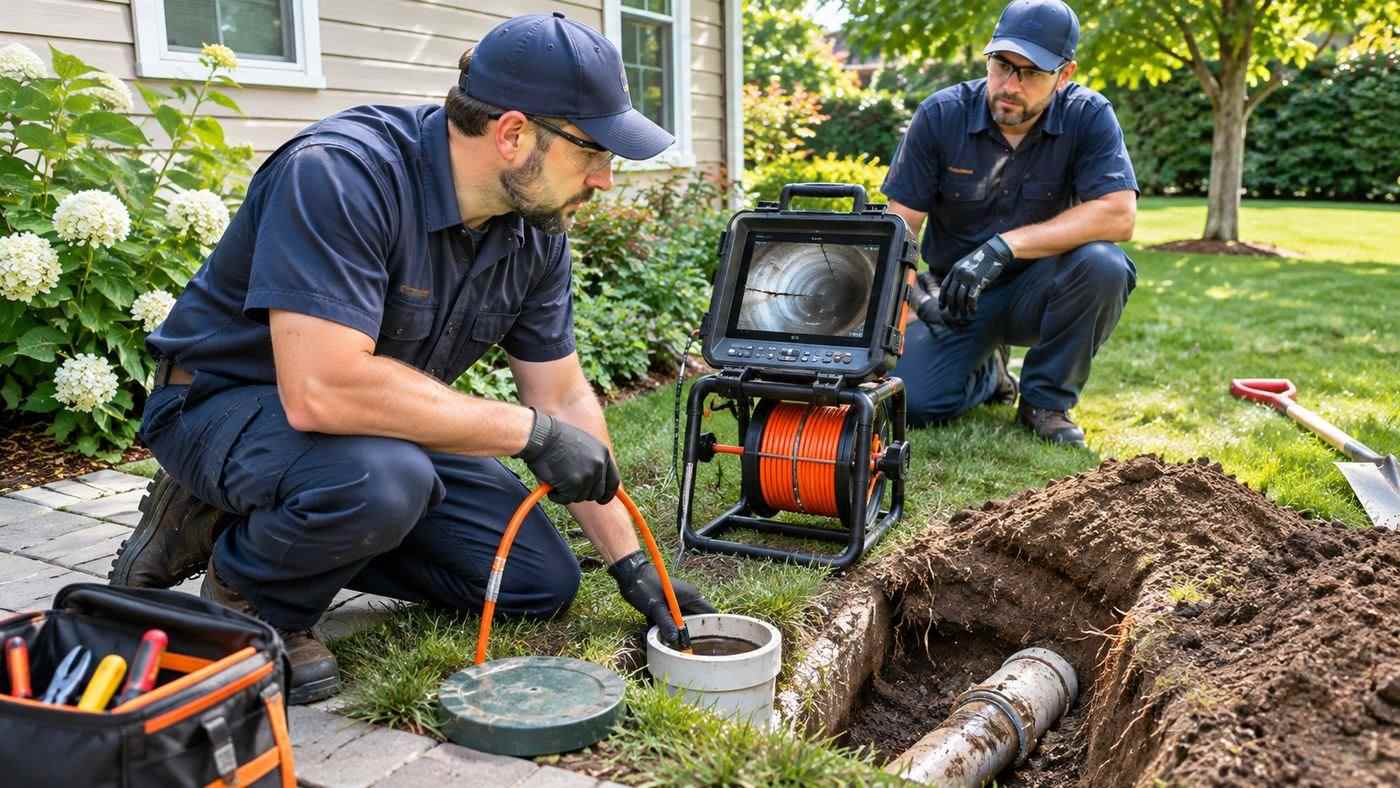
A damaged sewer line is one of the most disruptive plumbing problems a homeowner can experience. Unlike a leaking faucet or an exposed water pipe, sewer line damage often develops underground, making the problem difficult to identify until noticeable symptoms appear. Unpleasant odors, wastewater backups, damp areas in the yard, and repeated drainage problems may all indicate that something is wrong beneath the property.
Ignoring these warning signs can result in contaminated soil, extensive property damage, and expensive restoration work. Fortunately, professional sewer leak repair services can identify the source of the damage and recommend appropriate solutions before the situation becomes more serious.
Modern plumbing technology also provides homeowners with alternatives to traditional excavation. Depending on the condition of the pipe, professionals may use camera inspections, targeted repairs, pipe lining, or trenchless replacement methods to restore the sewer system.
Understanding the causes, warning signs, available treatments, and preventive measures can help homeowners make informed decisions when sewer problems occur.
What Is a Sewer Line Leak?
A sewer line leak occurs when wastewater escapes from a damaged section of the drainage system instead of traveling safely toward a municipal sewer connection or private septic system.
Residential sewer pipes collect wastewater from toilets, showers, sinks, washing machines, and other plumbing fixtures. These pipes are designed to handle regular household drainage, but they can deteriorate over time.
A small crack may allow wastewater to seep into surrounding soil, while a more serious defect can interfere with drainage or lead to sewage backups.
Because much of the system is underground, sewer leak repair often requires specialized diagnostic equipment to locate the damaged section accurately.
How Sewer Leaks Differ From Ordinary Drain Clogs
A clogged drain occurs when debris restricts the normal movement of wastewater. Common causes include grease buildup, hair, paper products, and foreign objects.
A sewer leak, however, involves a physical defect that allows wastewater to escape.
The two conditions can also occur together. Tree roots entering a damaged pipe, for example, may create both a leak and a blockage.
Professional inspection helps distinguish an ordinary drainage obstruction from structural pipe damage.
Seven Warning Signs of a Damaged Sewer Line
Recognizing early symptoms is essential for preventing more extensive damage.
1. Persistent Sewage Odors Around Your Property
A strong sewage smell near a bathroom, basement, yard, or exterior drainage area may indicate a problem within the sewer system.
Although dry drain traps and plumbing ventilation issues can produce similar odors, persistent smells deserve investigation.
If the odor becomes stronger near a particular outdoor location, a damaged underground pipe may be one possible explanation.
2. Multiple Drains Becoming Slow
A single slow sink often points to a localized blockage. However, several fixtures draining slowly at the same time may suggest a problem farther down the drainage system.
For example, a homeowner might notice that the toilet drains poorly while the shower and bathtub also begin experiencing problems.
This pattern can indicate a main sewer line obstruction or other significant drainage issue.
A plumber can determine whether cleaning the line is sufficient or whether sewer leak repair is necessary.
3. Unusual Gurgling Sounds
Gurgling noises from toilets, sinks, and floor drains can occur when air movement through the plumbing system becomes disrupted.
These sounds may be associated with blockages, ventilation problems, or other drainage faults.
If gurgling occurs repeatedly and several fixtures are affected, a professional sewer inspection is advisable.
4. Wet or Soggy Patches in the Yard
Unexplained damp areas outside the home can indicate that water or wastewater is accumulating underground.
A leaking sewer pipe may release moisture into nearby soil, leaving certain patches unusually soft or wet.
However, irrigation leaks, groundwater, and poor surface drainage can create similar symptoms.
The source should be identified before any excavation begins.
5. Unusually Green Grass
Wastewater escaping from a sewer pipe may introduce additional moisture and nutrients into surrounding soil.
As a result, one section of lawn may grow noticeably faster than nearby areas.
This does not automatically confirm a sewer leak, but unusual lawn growth combined with persistent odors or wet ground can justify further investigation.
6. Frequent Sewage Backups
Sewage backing up through a toilet, bathtub, or basement floor drain requires urgent attention.
Backups may occur because of severe blockages, collapsed sewer pipes, or problems in the municipal collection system.
Wastewater contamination can create health hazards and damage flooring, drywall, furniture, and other household materials.
Homeowners should stop using affected plumbing fixtures and contact a qualified professional.
7. Unexpected Soil Settlement or Foundation Concerns
Long-term underground leaks can sometimes contribute to soil erosion and localized ground settlement.
A homeowner may notice depressions in the yard, changes near paved surfaces, or other unexpected movement.
These symptoms have many possible causes, so sewer damage should never be assumed without inspection.
Significant structural concerns may require assessment by both plumbing and structural professionals.
Common Causes of Sewer Pipe Damage
Understanding why sewer pipes fail can help homeowners recognize potential risks.
Aging Pipes and Corrosion
Older homes may have sewer systems constructed from cast iron, clay, or other materials that gradually deteriorate.
Corrosion, weakened joints, cracking, and general wear can eventually compromise the pipe’s integrity.
The extent of deterioration depends on pipe material, age, installation conditions, and environmental factors.
Tree Root Intrusion
Tree roots seek moisture and may enter pipes through existing cracks or loose joints.
Once inside, roots can expand and restrict wastewater flow.
Over time, root growth may worsen existing damage or contribute to pipe separation.
Soil Movement and Ground Settlement
Underground pipes experience pressure from surrounding soil.
Erosion, settlement, nearby construction, or changing ground conditions may cause pipes to shift.
These changes can create cracks, separated joints, or alignment problems.
Physical Damage During Construction
Excavation and landscaping projects sometimes damage underground utilities.
Heavy equipment, improper digging, or unplanned construction activity can affect buried sewer lines.
Homeowners should arrange appropriate utility location before excavation.
Repeated Blockages and Poor Maintenance
Grease, debris, unsuitable flushed products, and other materials can accumulate inside drainage pipes.
Although ordinary clogs do not necessarily create leaks, repeated blockages may indicate underlying defects requiring professional assessment.
How Professional Sewer Leak Detection Works
Accurate diagnosis is essential because the visible symptoms do not always reveal the location or cause of the problem.
Sewer Camera Inspection
One of the most useful diagnostic methods involves inserting a waterproof camera into the sewer line.
The camera allows a technician to inspect accessible pipe sections and look for cracks, root intrusion, separated joints, heavy buildup, or collapsed areas.
Some equipment also helps technicians estimate the location of a problem underground.
A camera inspection can reduce unnecessary guesswork, although additional testing may be required to confirm certain leaks.
Pipe Location Equipment
Specialized locating tools may help identify the position and depth of underground sewer lines.
This information is particularly valuable when excavation is necessary.
Knowing where the damaged pipe is located can help plumbers plan access and avoid unnecessary disturbance.
Additional Testing
Depending on the suspected problem, plumbers may recommend other diagnostic procedures.
The chosen method should reflect the property’s plumbing layout, pipe condition, and observed symptoms.
A reliable contractor should explain the findings before recommending major repairs.
Professional Sewer Leak Repair Methods
Not every damaged sewer pipe requires complete replacement.
The most appropriate approach depends on the severity, location, and extent of the damage.
Traditional Excavation
Traditional sewer repair involves digging to expose the damaged pipe.
Once accessible, the plumber can remove or repair the affected section.
This approach may be necessary when a sewer line has collapsed, shifted significantly, or suffered extensive deterioration.
Although excavation can disturb lawns, driveways, and landscaping, it provides direct access for structural repairs.
Trenchless Sewer Line Repair
Trenchless technology offers alternatives that may reduce the amount of excavation required.
Instead of exposing the entire line, technicians may work through existing access points or smaller excavations.
However, the suitability of trenchless sewer leak repair depends on the existing pipe condition and the selected technique.
Severely collapsed or misaligned pipes may require a different approach.
Cured-in-Place Pipe Lining
Cured-in-place pipe lining, commonly called CIPP, involves installing a resin-saturated liner within a suitable existing pipe.
After curing, the liner forms a new interior pipe structure.
This technique can address certain types of cracks, joint problems, and deterioration.
A professional assessment is necessary because not every damaged pipe can be rehabilitated through lining.
Pipe Bursting
Pipe bursting is another trenchless replacement method.
It involves breaking apart the existing pipe while pulling a replacement pipe into position.
The process typically requires access excavations and suitable site conditions.
This method may be considered when an existing sewer line requires replacement rather than localized repair.
Full Sewer Line Replacement
Complete replacement may be recommended when large portions of a sewer system are severely deteriorated.
A new line can address widespread structural problems that repeated localized repairs would not resolve.
The decision should account for pipe condition, site constraints, expected durability, and total project costs.
When to Hire a Professional Plumbing Company
Professional assistance is particularly important when a sewer problem involves wastewater contamination, recurring backups, or suspected underground pipe damage.
Homeowners looking for experienced contractors can explore professional sewer leak repair services from Benjamin Franklin Plumbing.
The company’s sewer repair services include diagnosing damaged sewer lines and evaluating repair approaches such as traditional excavation and trenchless methods, where available.
Professional plumbing technicians can inspect the sewer system, explain the identified problem, and recommend a suitable repair strategy.
What to Ask Before Authorizing Repairs
A homeowner should understand why the contractor recommends a particular solution.
Ask whether the damage has been confirmed through inspection and whether images or recordings are available.
Request an explanation of repair alternatives, expected excavation, materials, permits, restoration responsibilities, and warranties.
A written estimate helps clarify the proposed scope before work begins.
It is also sensible to confirm licensing and insurance requirements applicable to the local jurisdiction.
How Much Does Sewer Leak Repair Cost?
Sewer repair expenses vary widely because every property has different plumbing conditions.
A small, accessible repair can involve substantially less work than replacing a deep sewer line beneath a driveway.
Factors Affecting Repair Costs
Location of the damaged pipe: A pipe beneath open landscaping may be easier to access than one beneath concrete or a building foundation.
Depth of the sewer line: Deeper pipes may require additional excavation equipment and safety measures.
Extent of deterioration: Repairing one damaged joint is different from replacing a severely deteriorated pipe.
Repair method: Traditional excavation, lining, and pipe bursting have different equipment, labor, and preparation requirements.
Property restoration: Landscaping, pavement, or other disturbed surfaces may need restoration after the plumbing work is complete.
Local requirements: Permits, inspections, and municipal procedures can also affect project costs.
Why Written Estimates Matter
Generic online price ranges do not account for every property condition.
A professional evaluation allows homeowners to compare the actual scope of work.
When practical, obtaining more than one qualified estimate may help clarify available repair options.
The lowest quote is not always the most suitable choice if it excludes necessary restoration, testing, or warranty coverage.
What to Do During a Sewer Backup Emergency
An active sewage backup requires prompt action because wastewater may contain harmful microorganisms.
Stop Using Plumbing Fixtures
If wastewater is backing up into the home, avoid flushing toilets, running sinks, or operating appliances that discharge water.
Additional wastewater may worsen the backup.
Keep People Away From Contaminated Areas
Prevent children and pets from entering affected spaces.
Avoid direct contact with sewage and do not attempt extensive cleanup without appropriate protective equipment and training.
Be Aware of Electrical Hazards
Standing wastewater near electrical outlets, appliances, or equipment can create additional dangers.
Do not enter a flooded area if electrical hazards may be present.
Contact qualified professionals to assess unsafe conditions.
Contact the Appropriate Professionals
A licensed plumber can investigate the drainage problem and identify necessary repairs.
When wastewater has contaminated building materials, professional remediation may also be required.
If the problem may involve a municipal sewer, contact the local sewer authority.
How to Prevent Future Sewer Line Problems
Preventive maintenance cannot eliminate every possibility of underground pipe damage, but it can reduce avoidable risks.
Avoid Flushing Unsuitable Materials
Toilets should not be used to dispose of wipes, paper towels, hygiene products, or household waste.
These materials may contribute to serious blockages.
Even products advertised as flushable can create drainage problems.
Keep Cooking Grease Out of Drains
Cooking grease and fats may accumulate inside plumbing pipes.
Allow grease to cool and dispose of it according to local waste guidelines.
This helps reduce buildup that can restrict wastewater movement.
Address Recurring Drainage Problems
Repeated blockages should not be ignored.
A drain that requires frequent clearing may have an underlying structural or operational problem.
Professional inspection can help determine whether sewer leak repair or another service is necessary.
Monitor Trees Near Underground Utilities
Tree roots can enter damaged sewer pipes.
When planning landscaping projects, consider the location of underground utilities and the expected growth of nearby trees.
Avoid attempting hazardous or ineffective chemical root treatments without professional advice.
Keep Maintenance Records
Document previous inspections, repairs, and replacements.
Maintenance records can help contractors identify recurring issues and understand the history of the plumbing system.
Consider Inspections When Symptoms Develop
Routine camera inspections are not necessary for every home at fixed intervals.
However, older properties with repeated drainage issues or a history of sewer repairs may benefit from a professional assessment.
A plumber can recommend an inspection schedule based on actual conditions.
Sewer Leak Repair Versus Sewer Line Replacement
Homeowners often wonder whether repairing an existing pipe is worthwhile or whether complete replacement offers better value.
An isolated crack in an otherwise structurally sound line may be suitable for localized repair.
By contrast, a sewer line with widespread corrosion, multiple failures, severe deformation, or extensive collapse may require replacement.
The age of the plumbing system alone should not determine the decision.
Contractors should consider inspection findings, material condition, alignment, access, expected service life, and the likelihood of future failures.
The objective is to select a solution that addresses the actual problem rather than repeatedly treating its symptoms.
Frequently Asked Questions
How can I tell whether my sewer line is leaking?
Warning signs may include persistent sewage odors, unexplained wet ground, recurring drain backups, and unusually slow drainage through multiple fixtures. Professional testing is needed to confirm the source.
Can sewer leak repair be completed without digging?
Sometimes. Trenchless methods can reduce excavation for suitable sewer pipes. However, severe structural damage or difficult pipe conditions may require traditional excavation.
How long does sewer line repair take?
Repair duration depends on the damage, access, selected method, permits, and site conditions. A plumber can provide a more useful estimate after inspecting the line.
Is sewer leak repair covered by homeowners insurance?
Coverage varies by policy and cause of damage. Standard policies may exclude certain sewer line failures, while separate endorsements may provide some protection. Check directly with your insurer.
Conclusion
Sewer line problems can develop beneath a home without obvious early symptoms, making timely attention especially important.
Recognizing sewage odors, recurring drain problems, unusual wet areas, and wastewater backups can help homeowners identify when professional inspection is needed.
Modern sewer leak repair methods offer several possible solutions, including targeted repairs, traditional excavation, trenchless rehabilitation, and complete pipe replacement.
Choosing the right method requires accurate diagnosis, careful evaluation of the existing sewer line, and an understanding of the property’s specific conditions.
By working with qualified plumbing professionals and following practical maintenance habits, homeowners can reduce avoidable plumbing problems, protect their property, and maintain a safer wastewater system.
