
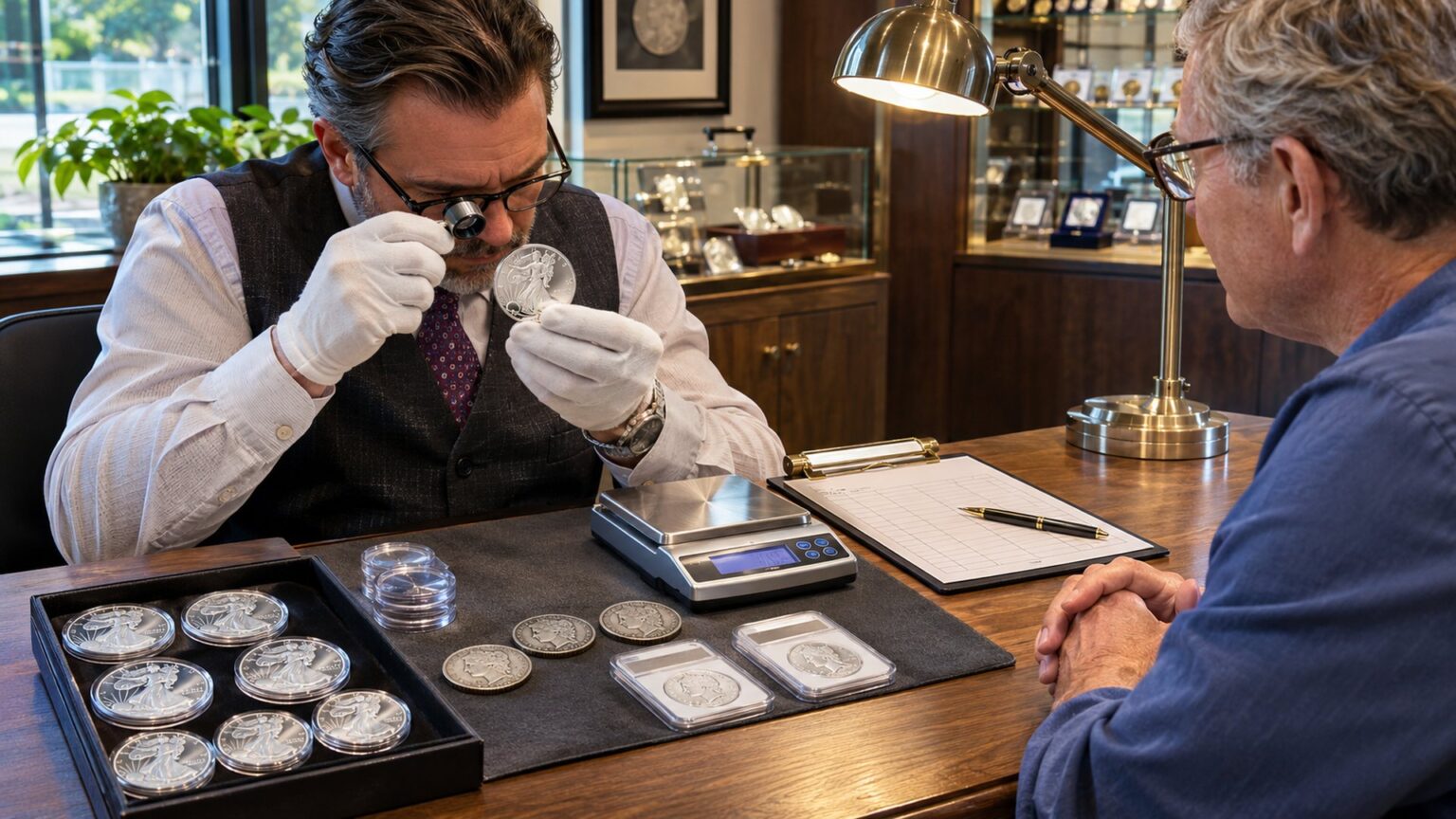
Finding a trustworthy silver coin buyer can make a major difference when selling inherited coins, investment bullion, or an older collection. The right buyer explains how each coin is valued, checks its condition, and provides a clear offer without pressure. Yet not every silver coin is priced by its metal content alone. Some are worth more because of their date, rarity, or collector demand. This guide explains how to identify your coins, compare offers, avoid common mistakes, and complete a secure sale.
The first step is understanding what you own. A common silver round, a modern bullion coin, and a scarce historic dollar may look similar to a new seller. Their markets can be very different. A little preparation helps you ask better questions and notice when an offer leaves important information unexplained.
What Does a Silver Coin Buyer Actually Look For?
A coin buyer evaluates an item for resale, collecting, or precious metal content. Some businesses specialize in bullion, while others purchase rare coins and complete collections. Their offers reflect what they expect to recover after handling costs, verification, and resale risk.
A reputable silver coin buyer should be able to describe the basis of an offer. For ordinary bullion, that often means silver weight and the current market price. For a collectible coin, it may involve date, mint mark, grade, originality, and recent demand.
Bullion Value and Collector Value Are Different
Bullion value relates mainly to the amount of precious metal in a coin. Collector value, sometimes called numismatic value, reflects demand for the specific coin. A scarce date in excellent condition may command far more than its silver content alone.
Do not assume that every old coin is rare. Equally, do not sell a potentially scarce coin for melt value until you understand what makes it unusual.
Nine Proven Ways to Choose a Silver Coin Buyer
These steps are useful whether you have a few coins or several boxes from a family collection. Follow them before accepting an offer, especially when the collection includes unfamiliar pieces.
1. Make a Simple Inventory Before Visiting a Dealer
Start by grouping coins without cleaning or altering them. Note the country, denomination, date, mint mark, and quantity where these details are visible. Keep original packaging, certificates, and labelled holders with the relevant items.
Photograph both sides of unusual coins in natural light. Use a consistent scale and avoid filters that change colour or surface appearance. A basic inventory makes comparisons easier and reduces the chance that an item is overlooked during an appraisal.
Separate Coins You Cannot Identify
Do not guess at the composition of an unfamiliar coin. Place it in a protective holder and record its visible markings. A specialist can determine whether further authentication is appropriate.
2. Understand Silver Content and Melt Value
Melt value is an estimate of the metal content at a particular silver spot price. It is not a guaranteed dealer payment. A common calculation multiplies the coin’s fine silver weight in troy ounces by the spot price per troy ounce.
For example, a modern American Silver Eagle bullion coin contains one troy ounce of fine silver. Its metal value changes with the market. A buyer’s actual bid may also reflect product demand, verification costs, and the dealer’s resale margin.
Check Older Coin Compositions Carefully
Many ordinary United States dimes, quarters, and half dollars dated 1964 or earlier contain ninety percent silver. However, not every old American coin is silver, and some later issues have different compositions. Confirm the precise denomination, date, and variety rather than relying on colour.
3. Identify Coins With Possible Collector Premiums
A knowledgeable silver coin buyer may recognize when a coin is worth more than its metal content because collectors seek a particular date, mint, variety, or condition. Original surfaces and attractive details can also affect demand. Special finishes, limited issues, and documented errors deserve careful research.
Compare the exact coin, not just a similar design. Two silver dollars from different years can have very different collector markets. A buyer who handles rare coins regularly may be more suitable than a business interested only in refining silver.
Use Realistic Price Comparisons
Retail price guides can provide context, but they are not guaranteed purchase offers. Completed sales of comparable coins may be more informative. Check that the examples match the coin’s date, grade, certification, and condition.
4. Preserve Condition and Avoid Cleaning
Collectors often value original coin surfaces. Abrasive polishing, dipping, or household cleaning products can remove original features and leave permanent marks. A shiny coin is not automatically a more valuable coin.
Hold coins by their edges when practical, and avoid touching the main faces. Store them in appropriate holders away from moisture and harsh materials. If a valuable coin has residue or damage, consult a qualified conservation specialist before attempting treatment.
Know When Professional Grading Helps
Independent grading services can assess authenticity and condition, but submissions cost money and take time. Certification may be worthwhile for potentially valuable collector coins. It usually offers less benefit for ordinary low premium silver bought mainly for metal content.
5. Check the Buyer’s Experience and Reputation
Look for a business that regularly purchases the type of coins you own. A bullion dealer may be efficient with common silver rounds, while a numismatic specialist may better recognize a scarce variety.
Verify the business address, contact details, operating history, and clearly stated buying process. Review patterns in customer feedback rather than relying on one glowing or negative comment. Ask how coins are tested and who determines final pricing.
Look for Transparent Explanations
A trustworthy silver coin buyer should explain whether the quote is based on metal value, collector value, or both. Be cautious when a dealer refuses to identify the coins, pressures you to sell immediately, or offers a large total without explaining how it was calculated.
6. Collect More Than One Written Offer
Every silver coin buyer has different customers, inventory needs, and specialties. Two legitimate buyers may give different offers for the same coins. Comparing several bids helps reveal the range of current demand.
Request a breakdown for valuable individual pieces instead of accepting only one amount for an entire collection. Ask when the price expires and whether it can change after testing or physical inspection.
Compare Offers Made at the Same Time
Silver spot prices can move during the trading day. For bullion, compare quotes using the same market reference time when possible. Otherwise, a changing spot price may explain part of the difference between bids.
7. Ask About Fees and Calculate Net Proceeds
The highest headline offer does not always put the most money in your account. Shipping charges, insurance, auction commissions, payment processing fees, and return costs may reduce the final proceeds.
For example, imagine one buyer offers $300 with no seller fee and another offers $315 but deducts $25 in charges. The second quote leaves $290, making the first more valuable in this hypothetical example.
Confirm Every Deduction in Writing
Ask whether the buyer charges for appraisal, authentication, rejected items, or returning coins. Confirm whether a quote is firm or only an estimate subject to inspection. A clear net figure is more useful than an attractive advertised percentage.
8. Choose a Safe Selling and Payment Method
A local transaction may let you watch the evaluation and receive payment without mailing valuables. Online selling may reach more buyers, but it introduces shipping, insurance, and payment risks. Choose the method that suits the value and type of coins.
For mail transactions, ask your silver coin buyer about packaging instructions, tracking requirements, insurance limits, and chain of custody. Do not send coins to an unverified address or assume ordinary postage provides adequate protection.
Confirm When Payment Is Final
Ask how payment is issued and when it becomes available. Be cautious of suspicious payment confirmations, unusual requests to refund part of a payment, or instructions to use an unrelated third party. Never hand over coins based solely on a screenshot claiming funds were sent.
9. Keep Records of the Sale
Save your inventory, photos, written quotes, invoices, payment confirmation, and any correspondence. For valuable collections, note which coins were included in each transaction. These records help resolve misunderstandings and may be relevant for insurance or taxes.
Tax treatment depends on where you live, how the coins were acquired, and whether a gain occurred. In the United States, sales of coins held as investments or collectibles can have tax consequences. Seek qualified advice for your circumstances rather than assuming every sale is tax free.
Where Can You Sell Silver Coins?
Choosing a silver coin buyer also means choosing a suitable selling channel. The best option depends on the coins’ value, your experience, and how quickly you want payment. It also depends on whether a buyer specializes in bullion or collector material.
Local Coin Shops
An established coin shop allows face to face discussion and may provide an immediate offer. This can be convenient for common bullion, modest collections, or items that require basic identification.
Visit during business hours and consider taking a written inventory. For high value items, arrange an appointment and ask whether a specialist will be present. A store that buys jewelry may not have the same expertise as a dedicated numismatic dealer.
Online Precious Metal Dealers
Online dealers often publish buyback procedures for recognized bullion products. They may accept shipments after a quote is agreed, subject to inspection and their terms. Check minimum quantities, accepted products, shipping instructions, and settlement timing.
This route can be practical for clearly identified bullion coins. For scarce or unusual collectibles, ask whether the business provides individual numismatic assessment rather than pricing every coin by metal content.
Coin Shows and Specialist Collectors
Coin shows bring several dealers together and may be useful for comparing offers. Specialist collectors sometimes pay more for an exact item they need, although finding the right person may take longer.
Use safe meeting practices and verify payment before completing a private sale. A higher potential price does not automatically outweigh the added time or transaction risk.
Auctions and Consignment Services
Auctions may suit scarce, certified, or strongly collected coins. Competition between interested bidders can help establish a market price, but there is no guarantee of a particular result.
Review seller commissions, photography charges, minimum estimates, insurance coverage, and payment schedules. Ask whether the auction house considers the collection suitable before sending anything.
How to Tell Whether a Silver Coin Is Genuine
Counterfeit coins are a concern in both bullion and collector markets. A reputable buyer may check weight, diameter, edge details, magnetic behavior, and other properties. Some specialists use electronic or advanced testing instruments.
No single home test confirms every coin’s authenticity. For example, a magnet test may identify some obvious problems but cannot prove a coin is genuine. Likewise, correct weight alone does not establish authenticity if a counterfeit uses similar materials.
Avoid Tests That Can Damage Coins
Do not scratch, file, acid test, or aggressively rub a potentially valuable coin. Destructive methods can reduce collector value even when they reveal something about metal content.
If authenticity is uncertain, ask a specialist what nondestructive methods are available. Certified holders can provide useful information, but the coin and holder should still be assessed for signs of tampering or counterfeiting.
How Silver Spot Prices Affect Dealer Offers
Silver trades in an active market, so a coin’s underlying metal value can change. A dealer’s buying price is often called the bid. The price at which the dealer sells a comparable product is the ask.
The gap between those prices reflects operating expenses, inventory risk, and commercial margin. It is normal for a dealer to buy below the price charged to retail customers. The size of that gap depends on the product and market conditions.
Why Some Coins Sell Above Melt Value
Popular bullion coins can carry demand related premiums. Recognized mint products may be easier to resell than obscure silver pieces. However, a premium paid when purchasing does not guarantee the same premium when selling later.
Collector coins may follow a different pricing pattern. Demand for a particular grade or scarce date can matter more than daily silver price movement.
Understand the Troy Ounce
Precious metals are commonly priced using troy ounces rather than ordinary ounces. One troy ounce is approximately 31.1 grams. When comparing coins, use fine silver content rather than total coin weight if the piece contains other metals.
A coin marked ninety percent silver does not contain ninety percent of a troy ounce unless its total weight is one troy ounce. This distinction helps prevent inflated estimates.
Selling Inherited Silver Coin Collections
An inherited collection may contain mixed items: bullion, circulated coins, commemoratives, proof sets, and pieces with little silver content. Selling everything in one unsorted lot can make it harder to identify unusual coins.
Begin by keeping labeled envelopes and original records together. Do not remove coins from certified holders to make them easier to photograph. If the collection is large, consider an inventory or appraisal before deciding how to sell.
Decide Whether to Sell as a Lot or Individually
Common bullion coins may be efficient to sell together. Scarce coins may deserve individual offers or specialist consignment. Ask dealers to identify which pieces they consider more valuable and why.
If several family members share an interest in the collection, agree on an inventory and decision process before items go to a silver coin buyer. Clear records help avoid disputes later.
Common Warning Signs When Selling Silver
Be careful when a buyer will not explain the purchase price, insists on an immediate decision, or changes terms after receiving the coins without a clear reason. Another warning sign is pressure to sell a whole collection without allowing you to review its contents.
Avoid sellers or buyers who describe precious metals as guaranteed investments. Silver prices can rise or fall, and collector demand can change. Reliable businesses should discuss uncertainty rather than promise outcomes they cannot control.
Protect Your Personal Information
Some transactions require identification or additional records under applicable rules. Confirm why information is requested and how it will be protected. Do not share unnecessary financial details through unsecured messages or unsolicited calls.
Preparing for Your First Coin Appraisal
Before meeting a silver coin buyer, bring a written list of items, available purchase documents, and questions about pricing. Explain whether you want an immediate offer, a formal valuation for another purpose, or advice on selling options. These are different services and may carry different fees.
Ask the evaluator to distinguish metal based value from collector based value. If a coin looks unusual, request a clear explanation before accepting a bulk price. A professional response should help you understand the decision even if you choose not to sell.
A Quick Example of a Better Selling Decision
Imagine a family member owns twenty ordinary silver bullion coins and one older dollar with an uncommon date. A bullion buyer might price all items primarily for silver content. A coin specialist may identify potential collector interest in the dollar.
The family can compare an offer for the bullion group with a separate assessment of the dollar. That does not guarantee a higher total, but it reduces the risk of overlooking the coin’s distinct market.
Frequently Asked Questions
How do I find a trustworthy silver coin buyer?
Check relevant experience, business details, reviews, clear pricing methods, and written terms. Compare more than one offer before selling valuable coins.
How much will a buyer pay for silver coins?
Offers depend on fine silver content, current spot price, condition, rarity, buyer demand, and fees. There is no fixed percentage suitable for every coin.
Should I clean my silver coins before selling?
No. Cleaning can harm original surfaces and reduce collector value. Keep coins safely stored and seek professional advice if conservation is needed.
Are older silver coins always worth more than melt value?
No. Some are common and trade mainly for silver content. Scarce dates, unusual varieties, and higher grades may attract collector premiums.
Is it safer to sell silver coins locally or online?
Both can work when the business and payment method are verified. Local sales avoid shipping, while online sales require careful tracking and insurance.
Do silver coins need professional grading before sale?
Not always. Certification may help valuable collector coins, but fees can outweigh the benefit for ordinary bullion and common circulated silver.
Conclusion
Selling silver coins confidently starts with knowing what you own and understanding how buyers calculate value. Compare transparent offers, protect original coin condition, and account for every fee before agreeing to a sale. Choose a payment method that matches the transaction risk and keep clear records afterward. With sensible preparation, you can make a more informed decision without relying on pressure or unrealistic promises.
