
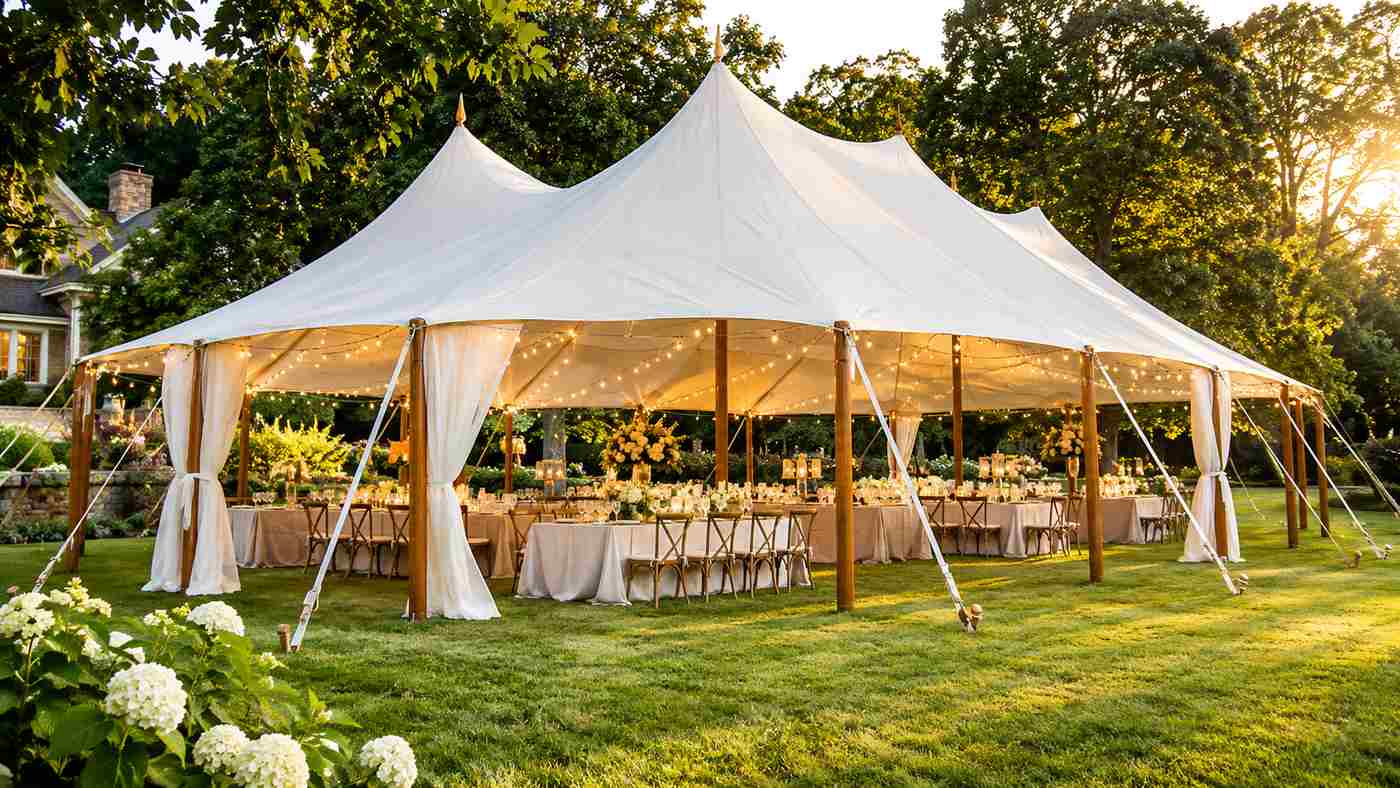
Planning an outdoor event brings excitement, creativity, and endless possibilities. Whether you are organizing a wedding reception, corporate gathering, birthday celebration, or elegant garden party, selecting the right venue setup is essential. One of the most effective ways to create a beautiful and comfortable outdoor environment is through a professional tent rental service.
Event tents provide more than temporary shelter. They create flexible spaces where guests can dine, socialize, dance, and celebrate while enjoying their surroundings. With different tent designs, sizes, flooring options, lighting arrangements, and decorative features, an outdoor location can become a sophisticated event venue.
However, choosing the ideal tent requires careful planning. Guest capacity, weather conditions, available space, event style, and installation requirements all influence the final decision.
This comprehensive guide explores seven practical tips for choosing the best event tent, understanding available designs, managing costs, and creating an unforgettable outdoor experience.
1. Understand Your Event Requirements Before Choosing a Tent Rental
Every successful outdoor celebration begins with a clear understanding of its requirements. Before contacting an event tent provider, identify the purpose of your gathering and the atmosphere you want to create.
A formal wedding reception usually requires a different arrangement from an informal backyard birthday party. Similarly, a corporate networking event may prioritize open floor space, presentation areas, and comfortable guest movement.
Determine Your Guest Count
Guest capacity directly influences tent dimensions.
Consider whether guests will be seated throughout the event or moving between different activity areas.
For example:
- Small private gatherings may require compact tents with simple seating arrangements.
- Wedding receptions often need additional space for dining tables, dance floors, and entertainment.
- Corporate functions may require presentation stages, networking zones, and catering stations.
- Large celebrations may benefit from expansive structures with separate functional areas.
Remember that tent capacity is not determined by guest count alone. A seated dinner generally requires more floor space than a standing reception.
Identify Your Event Activities
Create a preliminary layout identifying the activities planned inside the tent.
Consider:
- Dining and seating areas
- Dance floors and entertainment
- Catering and food service stations
- Bars and beverage areas
- Guest entrances and exits
- Photography and decorative installations
Planning these elements early helps prevent overcrowding and improves the overall guest experience.
2. Explore Different Types of Event Tents
Selecting the right tent style is one of the most important decisions in outdoor event planning.
Modern rental companies offer several designs that accommodate different environments, architectural preferences, and budgets.
Sailcloth Tents for Elegant Celebrations
Sailcloth tents are particularly popular for luxury weddings, garden celebrations, and sophisticated outdoor receptions.
Their distinctive features include graceful peaks, translucent fabric, and elegant supporting poles.
During daylight hours, the canopy allows soft natural light to enter the interior. In the evening, carefully positioned lighting creates a warm and inviting atmosphere.
These structures complement coastal properties, landscaped gardens, country estates, and traditional outdoor venues.
Frame Tents for Flexible Layouts
Frame tents feature a supporting framework that eliminates the need for interior center poles.
This allows event organizers to create relatively unobstructed floor plans with greater flexibility.
Frame tents are useful for:
- Corporate events
- Private celebrations
- Outdoor exhibitions
- Wedding receptions
- Events on certain paved surfaces
Their installation requirements depend on the tent model, site conditions, and approved anchoring method.
Clear-Top Tents for Scenic Locations
Clear-top tents offer a distinctive visual experience by allowing guests to see the surrounding sky and landscape.
They are especially appealing for evening celebrations where decorative lighting, trees, and architectural surroundings contribute to the atmosphere.
However, transparent roofs can increase solar heat gain during sunny weather. Climate-control planning is particularly important for summer events.
Clearspan Structures for Large Events
Clearspan structures are engineered temporary buildings designed to provide expansive interiors without conventional center poles.
These structures are suitable for large corporate functions, exhibitions, galas, and elaborate wedding receptions.
Depending on the design, they can accommodate specialized flooring, walls, lighting, heating, and cooling systems.
Find a Tent That Matches Your Vision
Working with an experienced event company helps you compare designs rather than choosing solely from photographs.
For example, professional tent rental options from Greenwich Tent Company include sailcloth tents, clear-top designs, frame tents, pole tents, garden structures, and clearspan solutions.
Exploring different configurations makes it easier to select a structure that supports both the practical needs and visual style of your celebration.
3. Choose the Correct Tent Size and Layout
Choosing a tent that is too small can create an uncomfortable environment. Renting an unnecessarily large structure may increase expenses and make the space feel less inviting.
The ideal size depends on your guest count, seating style, and planned activities.
Estimate Space Requirements
The following figures are general planning illustrations rather than guaranteed tent capacities.
| Event arrangement | Approximate space per guest |
|---|---|
| Standing reception | 6–10 sq. ft. |
| Seated banquet | 10–15 sq. ft. |
| Reception with additional activity areas | 15–25+ sq. ft. |
Actual requirements can vary substantially with furniture dimensions, service aisles, accessibility, exits, and local regulations.
For instance, a seated reception with 100 guests may require approximately 1,000–1,500 square feet for basic table arrangements before adding a dance floor, buffet, stage, and other amenities.
A professional rental provider should create a detailed layout using your actual event specifications.
Plan Guest Movement
Comfortable circulation is essential, especially when attendees are moving between dining, entertainment, and refreshment areas.
Avoid positioning large decorative displays or furniture where they obstruct entrances and frequently used pathways.
Ensure that accessible routes, exit access, and necessary safety clearances remain unobstructed.
Consider Multiple Functional Zones
Larger events often benefit from designated sections.
For example, a wedding reception might include a dining area, dance floor, lounge seating, and catering zone.
Separate spaces can improve guest comfort while supporting smoother event operations.
4. Prepare Your Outdoor Venue for Professional Tent Installation
A beautiful tent design will only work properly if the installation location is suitable.
Before confirming a rental, arrange a site assessment with the provider.
Examine Ground Conditions
The surface must support the tent structure and any related equipment.
Grass lawns are common outdoor event locations, but slope, moisture, underground utilities, landscaping, and drainage conditions can affect installation.
Paved surfaces may require engineered ballast systems rather than conventional ground stakes.
The correct solution depends on the tent’s structural specifications and the installation site.
Check Accessibility
Delivery vehicles and installation crews need sufficient access to transport and assemble equipment.
Consider whether the venue has narrow driveways, restricted entrances, overhead branches, or limited unloading areas.
Identifying access limitations early prevents avoidable scheduling problems.
Review Local Permits and Regulations
Temporary structures may require permits, inspections, or compliance with local fire and building regulations.
Requirements depend on the location, tent size, occupancy, duration, and intended use.
Ask your rental provider which responsibilities they manage and which approvals the property owner or event organizer must obtain.
Never assume that a tent installation is exempt from local regulations simply because the event takes place on private property.
5. Develop a Reliable Weather Protection Plan
Weather is one of the most important considerations when planning an outdoor celebration.
Although a tent provides shelter, it does not eliminate every weather-related risk.
Rain, wind, temperature changes, and ground conditions may affect both guest comfort and event safety.
Plan for Rain
An effective rain plan should address more than the tent canopy.
Consider sidewalls, gutters, suitable flooring, and covered access routes.
If the venue is prone to standing water, discuss drainage concerns with the rental team before installation.
Water management is particularly important around entrances and high-traffic pathways.
Evaluate Wind Conditions
Professional event tents have structural limitations that depend on their design, installation, and anchoring systems.
Ask the rental company about the manufacturer’s weather guidance and the event’s evacuation procedures.
In severe weather, leaving the tent and moving to a designated safe building may be necessary.
Do not treat any temporary event tent as a guaranteed shelter during dangerous storms.
Maintain Comfortable Temperatures
Temperature control can dramatically improve the guest experience.
For warm-weather events, options may include ventilation, fans, shade planning, and suitable air-conditioning equipment.
Cooler celebrations may benefit from professionally installed heating systems.
Any heating, electrical, or ventilation equipment must be compatible with the structure and installed according to relevant safety requirements.
Create a Backup Plan
Establish a clear process for making weather-related decisions.
Your plan should identify who monitors forecasts, who communicates changes, and what alternative arrangements are available.
This helps organizers respond quickly instead of making critical decisions during the event.
6. Transform the Tent with Lighting, Flooring, and Decorations
A professional tent rental offers a blank canvas for event design.
Once the structure and layout have been selected, decorative features can transform the environment into a personalized venue.
Use Lighting to Set the Mood
Lighting influences both the atmosphere and functionality of an outdoor event.
Popular options include:
- Warm string lights for intimate gatherings
- Chandeliers for formal receptions
- Uplighting to highlight structural features
- Accent lighting for floral displays
- Functional lighting along entrances and walkways
For evening events, combine decorative lighting with appropriate illumination for safe movement.
All lighting equipment should be installed by qualified personnel using suitable electrical protection.
Select Appropriate Flooring
Flooring contributes to comfort, accessibility, appearance, and stability.
Common possibilities include modular event flooring, dance floors, and finished flooring systems designed for temporary structures.
The correct selection depends on surface conditions, event style, expected foot traffic, and the equipment being installed.
For formal events, flooring can provide a polished appearance while helping create defined activity zones.
Coordinate Furniture and Decorations
Furniture should complement the tent architecture without restricting circulation.
For example, wooden chairs, linen-covered tables, and natural floral arrangements pair beautifully with sailcloth tents.
Minimalist furniture and modern lighting can create a distinctive atmosphere inside frame or clearspan structures.
Coordinate colors, materials, and decorative elements so that the entire venue feels visually consistent.
Incorporate the Surrounding Landscape
One of the greatest advantages of an outdoor celebration is the surrounding environment.
Gardens, waterfront views, historic buildings, and natural scenery can become part of the event design.
Choose tent placement and entrance orientation to highlight attractive views while respecting practical site constraints.
7. Compare Tent Rental Services and Understand the Total Cost
Tent rental pricing depends on several factors, including the structure, event location, installation requirements, and selected accessories.
Rather than comparing providers solely by their advertised starting prices, review the complete scope of their services.
Factors That Influence Rental Costs
Major considerations include:
- Tent size and configuration
- Tent material and architectural style
- Event duration
- Delivery distance
- Installation complexity
- Flooring and furniture
- Lighting and electrical equipment
- Heating or cooling systems
- Permit and inspection requirements
- Additional labor or site preparation
A complex installation on an uneven property may cost more than a straightforward setup at an accessible venue.
Request an Itemized Quote
Ask providers to explain what is included in the rental agreement.
Clarify whether the quote covers delivery, setup, dismantling, required anchoring, accessories, and applicable service charges.
Also review payment schedules, damage responsibilities, cancellation terms, and weather-related policies.
A detailed written quote makes it easier to compare proposals accurately.
Evaluate Experience and Reliability
Price matters, but professional competence is equally important.
Look for a provider with experience handling events similar to yours.
Discuss site inspections, installation procedures, insurance, staffing, equipment maintenance, and emergency planning.
Experienced teams can identify practical limitations early and recommend suitable solutions.
Book Early When Possible
Demand for premium event structures can increase during popular wedding seasons and major local events.
Early planning improves the likelihood of securing your preferred tent style and installation schedule.
For complex events, beginning the rental discussion several months in advance can also allow more time for site evaluations, layout adjustments, and permit coordination.
Tent Rental Planning Checklist
Before finalizing your event tent reservation, confirm the following details.
| Planning element | Key question |
|---|---|
| Guest count | How many people will attend? |
| Tent style | Which structure best matches the event? |
| Venue | Is the installation site suitable? |
| Layout | Is sufficient space available for activities? |
| Weather | What is the rain and severe-weather plan? |
| Flooring | What type of flooring is required? |
| Lighting | Which decorative and functional lights are needed? |
| Climate control | Will heating or cooling be necessary? |
| Budget | Does the quote include all essential services? |
| Installation | When will setup and removal take place? |
Reviewing these details helps reduce last-minute complications and supports a more organized event.
Common Mistakes to Avoid When Renting an Event Tent
Even experienced event organizers can overlook important details when arranging an outdoor venue.
Focusing Only on Appearance
An attractive tent is important, but visual appeal should never outweigh structural suitability, comfort, or safety.
Choose a design that works with the location and event requirements.
Underestimating Space
A tent that accommodates dining tables may not have enough additional room for entertainment, catering, and guest circulation.
Always develop a complete floor plan before selecting the final dimensions.
Ignoring Site Restrictions
Underground utilities, landscaping, access routes, and anchoring requirements can influence which tents are suitable.
A professional site inspection can identify many of these concerns.
Forgetting Additional Equipment
Lighting, power distribution, flooring, heating, and other accessories may need to be arranged separately.
Include these elements when preparing the initial budget.
Booking Without Reviewing Terms
Rental agreements can vary considerably.
Understand deposit requirements, cancellation policies, additional charges, and responsibilities before signing.
How Tent Rentals Improve the Outdoor Event Experience
Professional tent rentals offer several advantages beyond protecting guests from ordinary weather conditions.
Greater Venue Flexibility
Event tents allow organizers to use private gardens, estates, event lawns, and other suitable outdoor locations.
This flexibility can create more personalized celebrations than some conventional indoor venues.
Customizable Design
Different tent shapes, lighting systems, flooring materials, and decorative arrangements make it possible to create a distinctive environment.
The structure can support formal, relaxed, modern, or traditional event themes.
Improved Guest Comfort
When planned carefully, a tented venue offers sheltered seating, defined activity areas, and opportunities for climate control.
A thoughtful layout also helps guests navigate the space comfortably.
A Memorable Atmosphere
Outdoor surroundings can create a special experience.
Natural daylight, landscaped gardens, evening lighting, and thoughtfully designed interiors help establish an inviting celebration setting.
The most successful tented events balance aesthetics with careful logistical planning.
Frequently Asked Questions About Tent Rental
1. How far in advance should I book a tent rental?
Booking several months ahead is advisable for weddings, large corporate events, and popular seasonal dates. Availability varies by company, location, and tent style.
2. What size tent do I need for 100 guests?
The correct size depends on your seating arrangement, tables, dance floor, catering stations, and other activities. A professional rental provider can calculate the required dimensions from a detailed layout.
3. Can event tents be installed on concrete?
Some frame tents and engineered structures can be installed on paved surfaces using approved ballast systems. The installation must meet the manufacturer’s requirements and applicable safety standards.
4. Are tent rentals suitable for winter events?
Yes, certain professional tent structures can accommodate cold-weather events when appropriately equipped with heating, sidewalls, and other climate-control features. Suitability depends on the structure and expected weather conditions.
Conclusion
Choosing the right tent rental is an important step toward creating a successful outdoor event. From selecting the ideal tent style and dimensions to coordinating weather protection, lighting, and flooring, thoughtful planning makes a significant difference.
Working with an experienced rental provider helps ensure that the structure complements your venue, supports your event activities, and meets practical installation requirements.
With the right preparation, an outdoor location can become a beautiful, comfortable, and memorable setting for any special occasion.
